Horological History: Complete Watch Brand & Model Reference
This is a reference library for the history, mechanics, and collecting context of the world's most significant watch brands and models. Each brand section links to a complete horological history — covering founding stories, key calibres, reference-by-reference model guides, and the cultural significance that makes these watches worth understanding.
The guides are written for collectors, enthusiasts, and anyone who wants more than a marketing brochure. Where prices are quoted they reflect current secondary-market data. Where technical claims are made, they are attributed. The goal is the most accurate, information-dense horological reference available.
How to Use This Library
- ▶ Each brand card links to the brand overview page and the top models
- ▶ Brand overview pages contain full production history , calibre lineages, and collecting context
- ▶ Every model page includes a reference-by-reference guide and FAQ targeting collector questions
- ▶ Rolex and Tudor sections are the most complete , with 17 and 24 articles respectively
Geneva, Switzerland — est. 1905
Rolex
Hans Wilsdorf founded Rolex in London in 1905, moving to Geneva in 1919. The Oyster case (1926) and Perpetual self-winding rotor (1931) established the technical foundations that define every Rolex produced today. From the Submariner’s role in defining the dive watch category to the Daytona’s transformation from unwanted chronograph to the most valuable production watch ever sold, Rolex history is inseparable from the history of modern watchmaking.
Explore all 17 Rolex articles →Geneva, Switzerland — est. 1926
Tudor
Hans Wilsdorf registered the Tudor trademark in 1926 as a strategic complement to Rolex — offering the same Oyster case and quality standards at a lower price point. Tudor Submariners supplied to the French Marine Nationale from the 1950s onward validated the brand’s dive credentials independently. The 2012 Black Bay relaunch and subsequent development of in-house calibres (MT5612, MT5652, MT5813) repositioned Tudor as a genuine manufacture, not merely an entry-level Rolex alternative.
Explore all 24 Tudor articles →Biel/Bienne — est. 1848
Omega
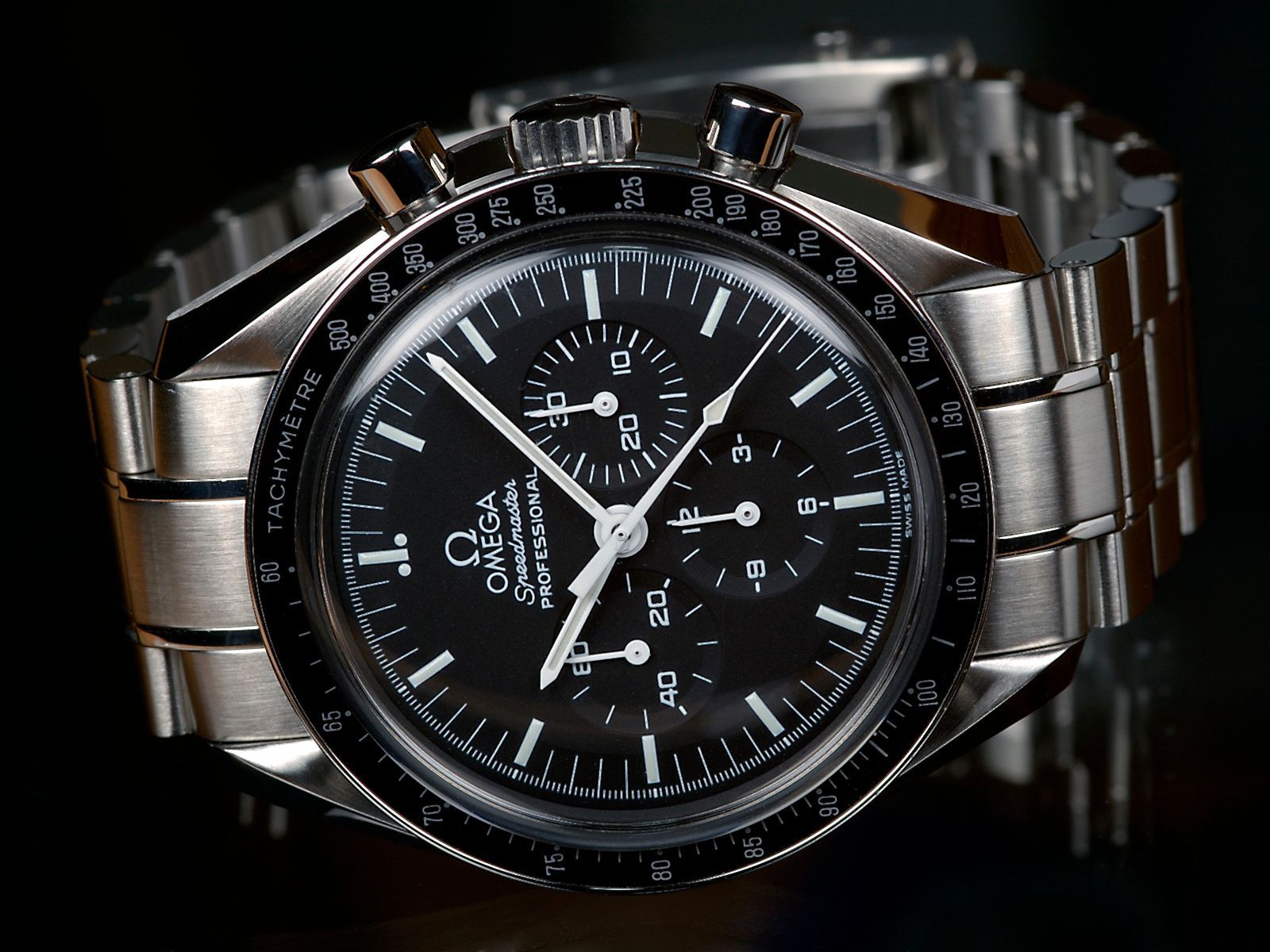
Omega put the first watch on the moon (Speedmaster, 1969) and remains the official timekeeper of the Olympic Games. The Seamaster 300M is the definitive James Bond watch; the Speedmaster Professional is the only watch NASA flight-qualified for EVA.
Explore all 8 Omega articles →Paris — est. 1847
Cartier
Louis Cartier created the Santos in 1904 for aviator Alberto Santos-Dumont — the first purpose-built wristwatch for a man. The Tank (1917) and Ballon Bleu remain among the most recognisable watch designs in history. Cartier bridges haute joaillerie and horology with no peer.
Explore all 9 Cartier articles →Geneva — est. 1839
Patek Philippe
Family-owned since 1932, Patek Philippe produces approximately 70,000 watches per year against an annual demand that dwarfs supply. The Nautilus (1976) and Aquanaut define the integrated-bracelet sport watch category at ultra-luxury; the Calatrava is the purist dress watch benchmark.
Explore all 10 Patek Philippe articles →Le Brassus — est. 1875
Audemars Piguet
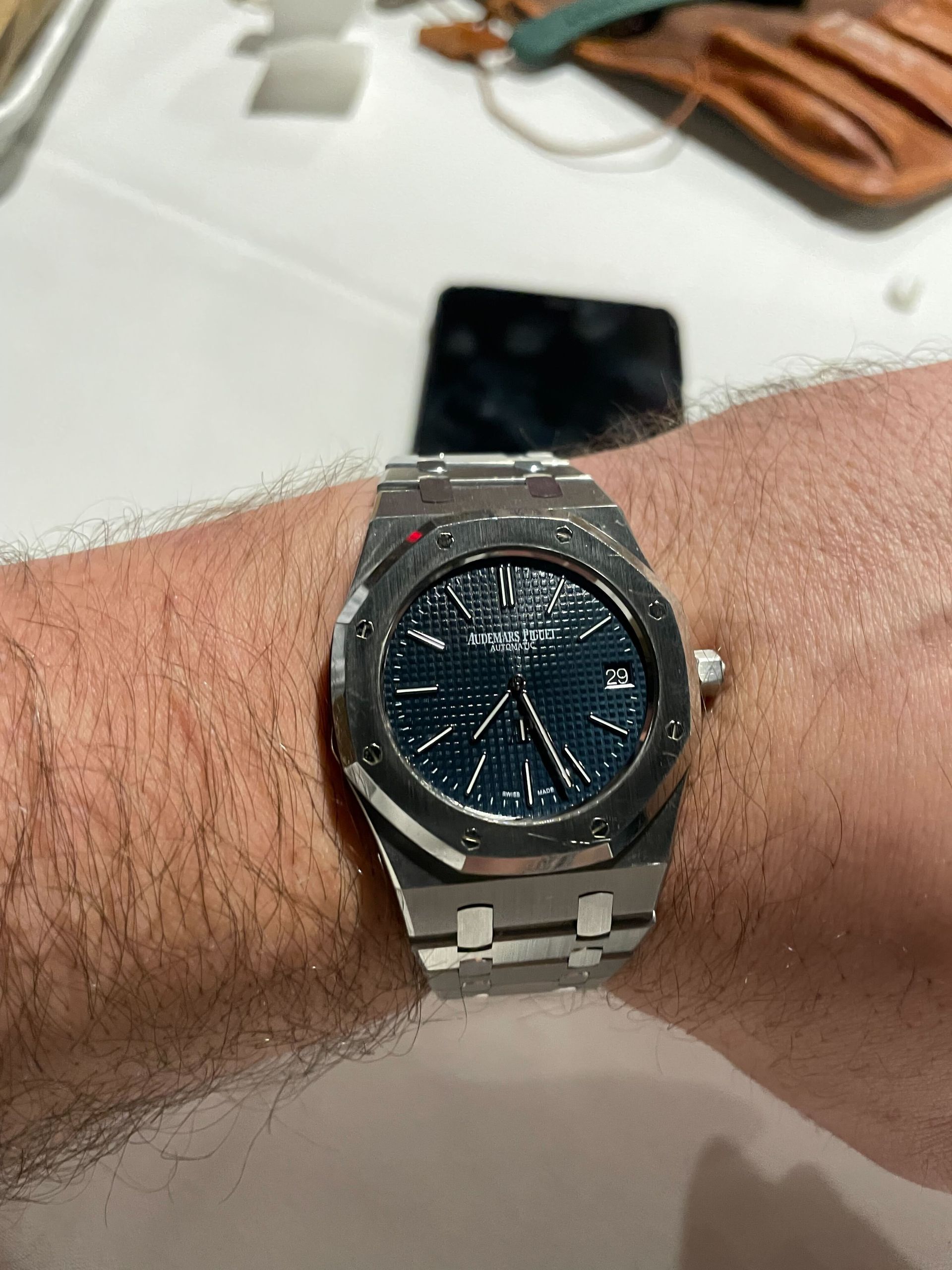
Audemars Piguet has operated from the same Le Brassus valley since 1875. Gérald Genta’s Royal Oak (1972) — the first luxury sports watch in steel — redefined what a prestigious watch could be. AP remains independently owned, producing every component in-house.
Explore all 10 Audemars Piguet articles →La Chaux-de-Fonds — est. 1860
TAG Heuer
Edouard Heuer founded the company in 1860; the oscillating pinion patent (1887) became a universal component adopted across the industry. The Jack Heuer era (1961–1982) produced the Monaco, Carrera, and Autavia — three of the most collected vintage chronographs.
Explore all 10 TAG Heuer articles →Tokyo — est. 1881
Seiko
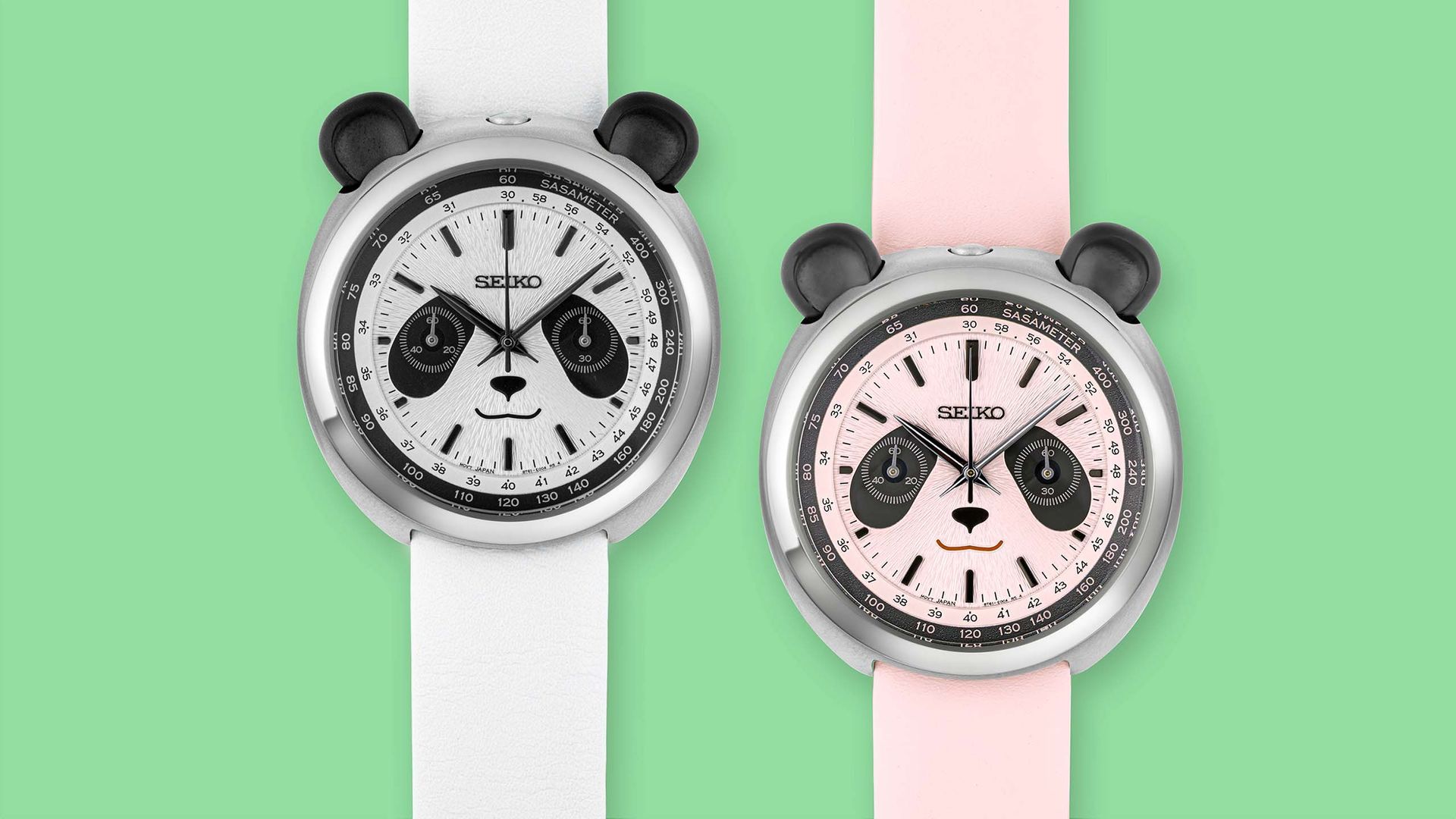
Kintaro Hattori founded Seiko in Tokyo in 1881. Seiko invented the quartz wristwatch (Astron, 1969) and the Spring Drive movement (1999) — a mechanical oscillator regulated by a glide wheel and electromagnetic brake that achieves quartz-level accuracy. The Prospex dive range and Presage artisan dials demonstrate the full depth of the brand’s technical capabilities.
Explore all 14 Seiko articles →Waterbury, Connecticut — est. 1854
Timex
Timex began as the Waterbury Clock Company in 1854, made the Ingersoll dollar watch and the 1933 Mickey Mouse watch, and sold durability on live television with “it takes a licking and keeps on ticking.” It defined the sports digital with the Ironman and Indiglo, and since 2017 its Marlin and Q Timex reissues have made it a favourite of enthusiasts on a budget.
Explore all 7 Timex articles →Tokyo — est. 1946
Casio
The Kashio brothers built a calculator company before they built watches; Casio's first watch, the 1974 Casiotron, introduced the automatic digital calendar. Kikuo Ibe's G-Shock (1983) created the shock-resistant watch, the F-91W became one of the best-selling watches ever made, and the 2019 GA-2100 “CasiOak” made Casio an enthusiast favourite.
Explore all 8 Casio articles →Lancaster, Pennsylvania — est. 1892
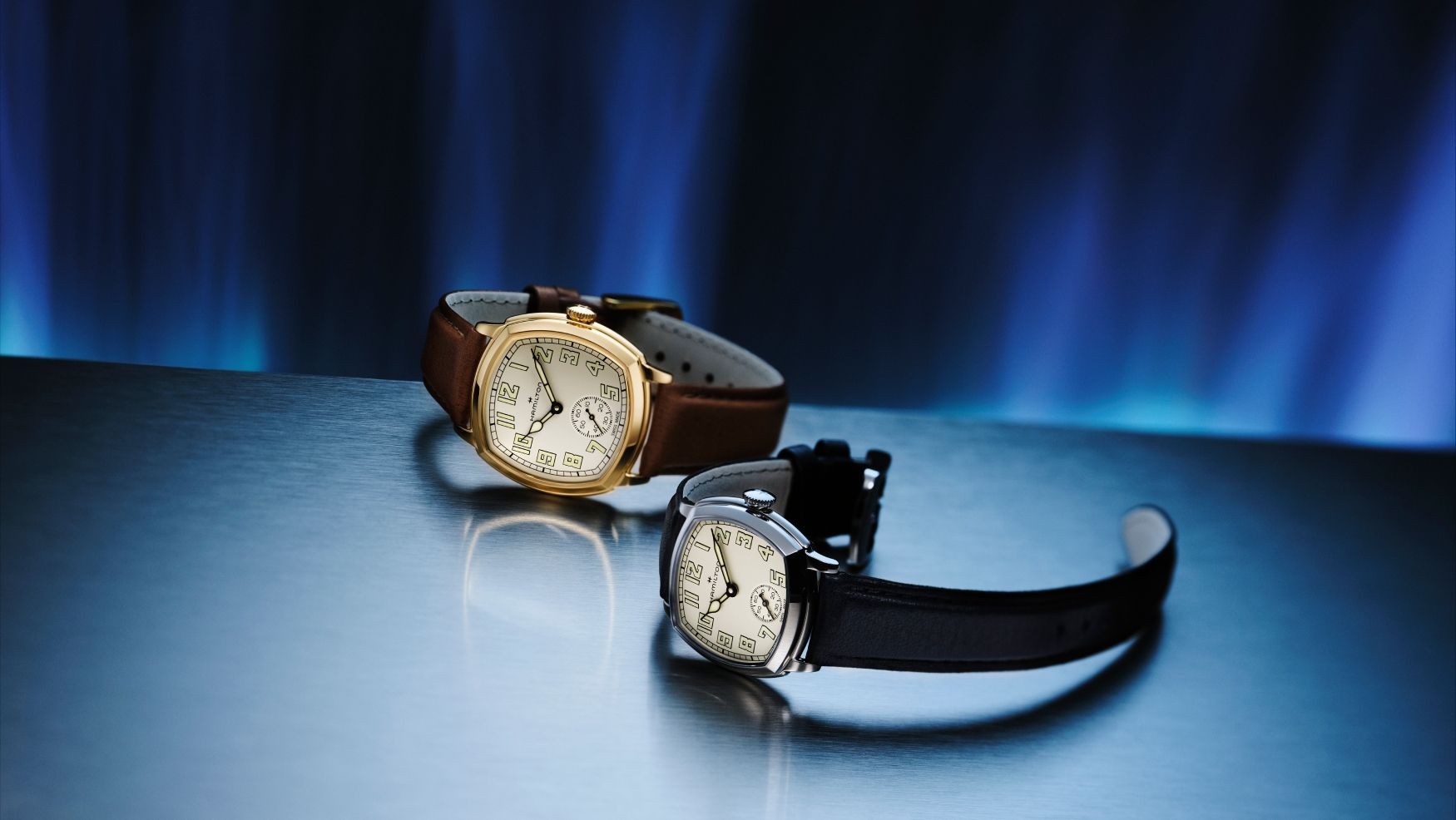
Hamilton
America's railroad watch, the timer of the first US airmail flight and a supplier of over a million watches to the US military in WWII, Hamilton introduced the first electric watch (the 1957 Ventura, worn by Elvis) and the first LED digital watch (the 1970 Pulsar). Swiss-made since the 1970s, it has appeared in 500+ films, from Bond to Interstellar and Jack Ryan.
Explore all 8 Hamilton articles →Tokyo — est. 1950
Orient
Founded on Shogoro Yoshida's 1901 Tokyo watch shop and renamed Orient in 1951, Orient built its reputation on in-house mechanical movements at prices that undercut almost everyone. The Bambino, Mako and Kamasu are standard first-automatic recommendations, while Orient Star — the premium line since 1951 — offers power reserve indicators and skeletons.
Explore all 9 Orient articles →Grenchen — est. 1884
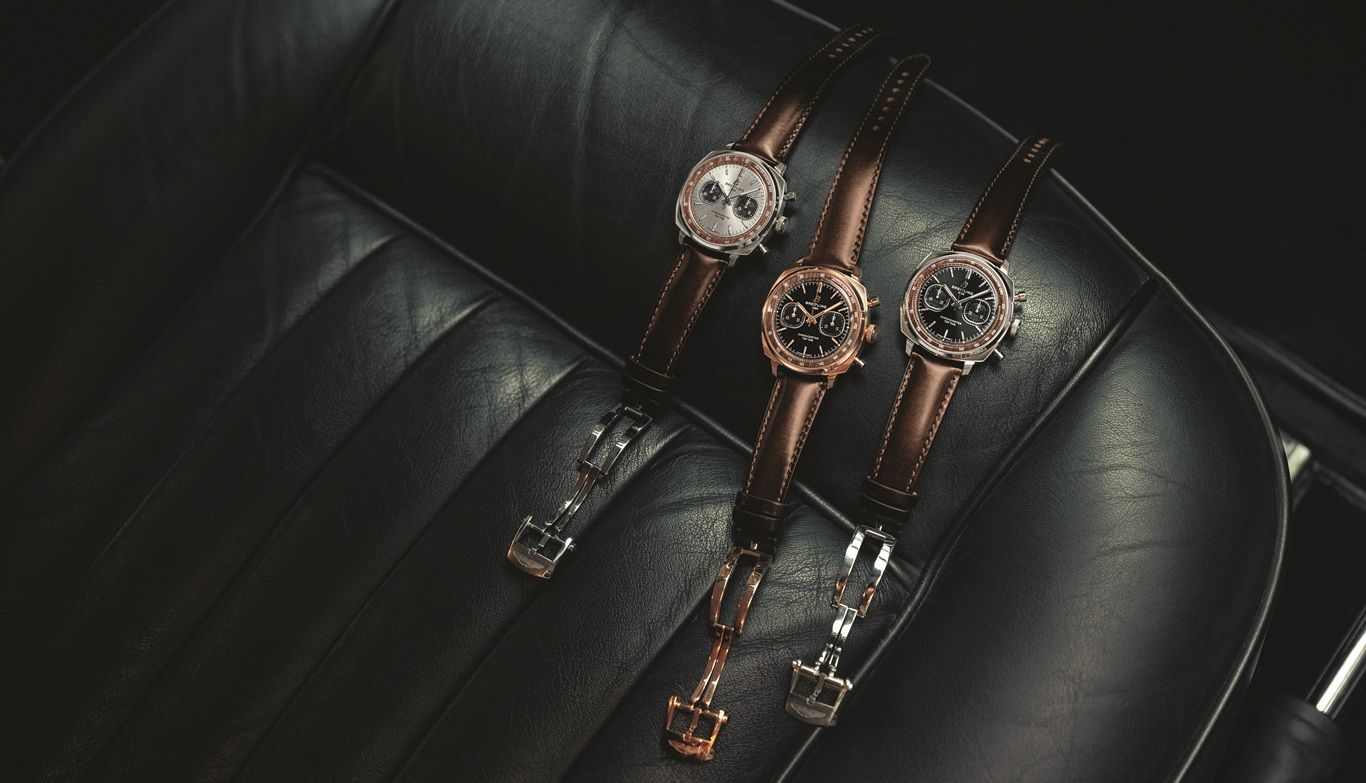
Breitling
Breitling has supplied precision aviation instruments since the 1930s and holds timekeeping contracts with air forces worldwide. The Navitimer (1952) with its circular slide rule remains aviation’s most iconic wrist instrument; the Chronomat was the first COSC-certified series chronograph.
Explore all 10 Breitling articles →Schaffhausen — est. 1868
IWC Schaffhausen
Founded by American engineer Florentine Ariosto Jones in 1868, IWC remains the only major Swiss watchmaker outside the Jura region. The Portugieser and Big Pilot define the field of oversized dress and pilot watches; the Ingenieur is the original anti-magnetic sports watch.
Explore all 10 IWC Schaffhausen articles →Saint-Imier — est. 1832
Longines
Ernest Francillon built the world’s first purpose-built watch factory at Les Longines in 1867. Longines has been the official timekeeper of more world championships than any other brand. Today it occupies Swatch Group’s High Range tier — offering COSC-certified precision at accessible price points the manufacture tier cannot match.
Explore all 10 Longines articles →Nyon — est. 1980
Hublot
Carlo Crocco’s Hublot (‘porthole’ in French) launched the natural rubber sports strap as a luxury watchmaking material in 1980. Under Jean-Claude Biver, the Big Bang (2005) established the composite-material fusion aesthetic. LVMH acquired Hublot in 2008 for a reported €400 million.
Explore all 10 Hublot articles →Florence / Geneva — est. 1860
Panerai
Officine Panerai supplied the Italian Navy with diving instruments from the 1930s onward — the Luminor’s crown-protecting device was designed for frogmen, not fashion. Richemont’s 1997 public release revealed the brand to collectors; early pre-Richemont references (PAM000–PAM026) are among watchmaking’s most valuable modern pieces.
Explore all 10 Panerai articles →Le Sentier — est. 1833
Jaeger-LeCoultre
Jaeger-LeCoultre holds the record for the most watch complications developed by a single manufacture. The Reverso (1931) was designed for polo players who needed to protect their watch glass; the Atmos clock runs on barometric pressure changes alone.
Explore all 10 Jaeger-LeCoultre articles →Geneva — est. 1755
Vacheron Constantin
Founded in 1755, Vacheron Constantin is the world’s oldest continuously operating watch manufacturer. The Overseas replaced the 222 as VC’s sport watch; the Patrimony and Traditionnelle lines represent the apex of classical Swiss dress watchmaking.
Explore all 10 Vacheron Constantin articles →Glasshütte — est. 1845
A. Lange & Söhne
Ferdinand A. Lange established watchmaking in Glasshütte in 1845; the brand was re-founded in 1990 after German reunification. Every Lange movement is assembled twice — once to set the parts, then disassembled, hand-engraved, and reassembled. The Lange 1’s asymmetric dial is one of modern watchmaking’s defining designs.
Explore all 10 A. Lange & Söhne articles →Le Brassus — est. 1735
Blancpain
Blancpain claims the title of the world’s oldest watch brand with an unbroken lineage to 1735. The Fifty Fathoms (1953) — created for French Navy combat divers — established the dive watch category six months before the Rolex Submariner. Swatch Group acquired Blancpain in 1992.
Explore all 10 Blancpain articles →Shizukuishi — est. 1960
Grand Seiko
Grand Seiko was established in 1960 as Seiko’s dedicated precision division. The Zaratsu polishing technique — a hand-finishing process producing mirror and brushed surfaces in a single sweep — has no equivalent in Swiss watchmaking. The Spring Drive oscillator and Snowflake dial (SBGA211) are modern icons.
Explore all 10 Grand Seiko articles →Le Locle — est. 1865
Zenith
Charles Vermot hid El Primero calibre components in the Zenith attic in 1969 to prevent management’s order to destroy them and switch to quartz. The recovered El Primero powered the original Rolex Daytona from 1988 to 2000. Zenith remains the only manufacture to produce a 5 Hz (36,000 BPH) integrated chronograph at scale.
Explore all 10 Zenith articles →Hölstein — est. 1904
Oris
Oris is one of the last fully independent Swiss watchmakers of significant scale, producing 100,000+ watches per year without group ownership. Its Change for the Better environmental positioning is genuine — the brand has partnered with marine conservation organisations since 2014.
Explore all 9 Oris articles →Glasshütte — est. 1990
Nomos Glasshütte
Nomos was founded in 1990, the year German reunification revived Glasshütte watchmaking. Its Bauhaus-influenced aesthetics represent the clearest expression of form-follows-function in contemporary watchmaking. The DUW in-house movement family (from 2014) established Nomos as a genuine manufacture.
Explore all 10 Nomos Glasshütte articles →Glasshütte — est. 1845
Glashütte Original
Founded by Gustav Lange’s contemporaries in 1845 Glasshütte, Glashütte Original survived East German nationalisation (1951) as GUB before being acquired by Swatch Group in 2000. Its Pano series — with the characteristic off-centre dial layout — is the most distinctive German dress watch design of the 21st century.
Explore all 10 Glashütte Original articles →Schaffhausen — est. 1828
H. Moser & Cie.
Heinrich Moser founded the company in St. Petersburg in 1828 and built a factory in his native Schaffhausen in 1848. Revived in 2002 and owned by the Meylan family since 2012, Moser is the provocative independent of Swiss watchmaking — known for smoky fumé dials, logo-free Concept watches, in-house hairsprings and the integrated-bracelet Streamliner.
Explore all 2 H. Moser & Cie. articles →Maidenhead — est. 2004
Christopher Ward
Christopher Ward pioneered the direct-to-consumer Swiss watch model in 2004, eliminating wholesale and retail margins to offer Swiss Made quality at 30–50% below comparable boutique-sold watches. Its COSC-certified SH21 in-house calibre — developed with Synergies Horlogières — demonstrates that the D2C model is compatible with genuine manufacture capability.
Explore all 10 Christopher Ward articles →Frequently Asked Questions
Which watch brand has the best history for collectors?
What is the difference between Rolex and Tudor watches?
Which Swiss watch brands are independent (not part of a group)?
What is horological history?
Recent Posts