Oris: The Independent Swiss Watch Manufacturer Since 1904

Zach Charles • August 25, 2026

Share this article

Oris: The Independent Swiss Watch Manufacturer Since 1904

Oris occupies a singular position in Swiss watchmaking: an independent, family-managed company that has manufactured watches in the same Swiss village since 1904, survived a hostile absorption into an industry conglomerate, and fought its way back to self-ownership. The brand's tagline — "Change for the Better" — reflects not just environmental ambition but the company's own institutional history: independence reclaimed through deliberate effort, maintained through deliberate refusal.


Founding in Hölstein — 1904

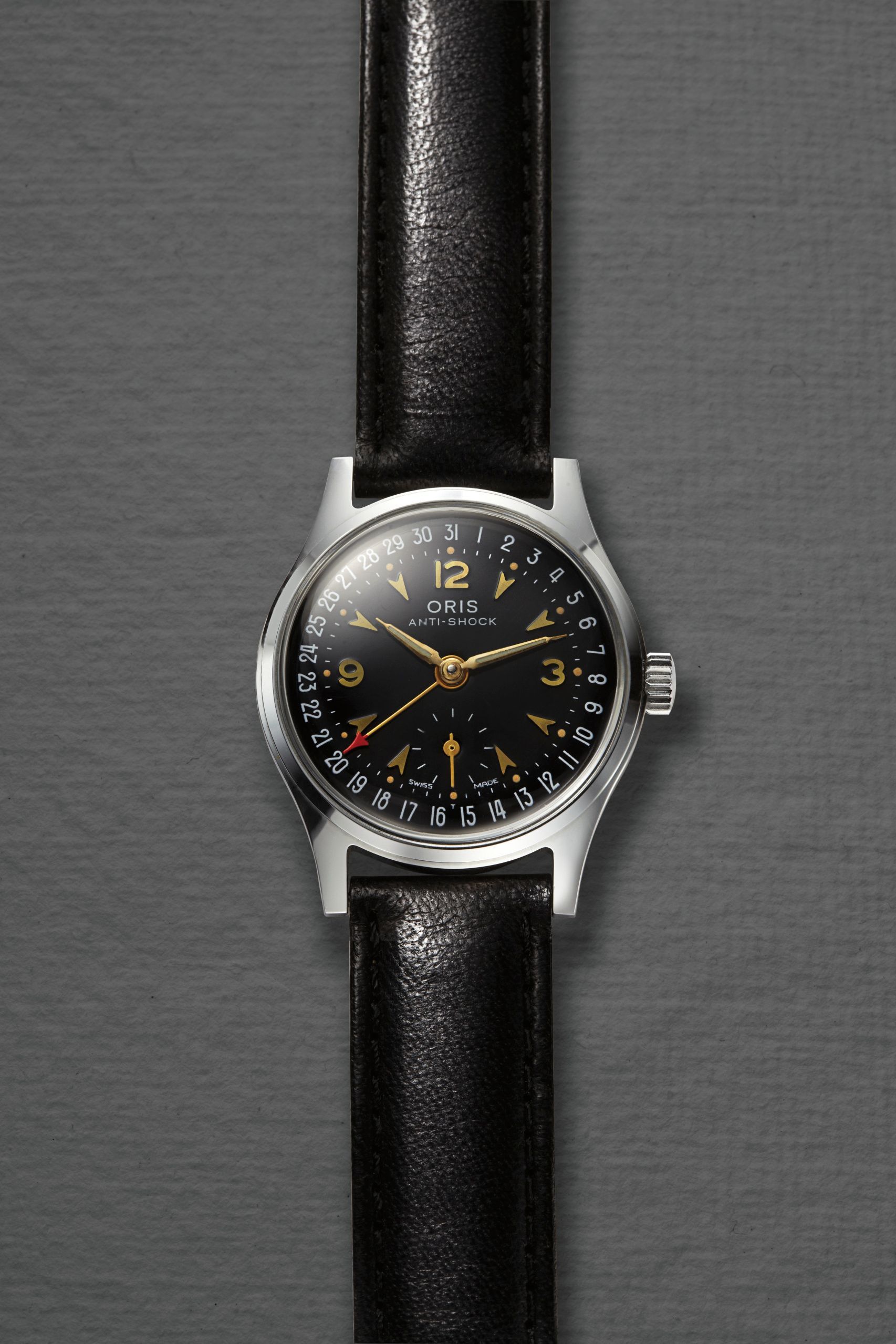
Oris Pointer Date 1938 heritage model
Oris Pointer Date 1938 — a heritage model showcasing the retrograde arc date display with colour-coded pointer hand, Oris’s signature complication since the 1940s.
Photo: Oris SA — CC BY-SA 3.0 — Wikimedia Commons

Oris was established on 1 July 1904 in Hölstein , a small village in the Frenke valley of the canton of Basel-Landschaft, by Paul Cattin and Georges Christian . The name Oris was taken from a nearby stream — the Orisbach — a typically pragmatic Swiss approach to brand nomenclature.

The early business followed the établissage model common throughout the Swiss Jura, assembling watches from components sourced from multiple suppliers. By the 1910s, Oris had grown sufficiently to begin producing its own ébauches. A key early landmark was the introduction of the "Oris" trademark in 1904 and the establishment of a proper factory in Hölstein — the Rebberg factory — which remains the company's headquarters today.

Through the first decades of the twentieth century, Oris built a reputation as a mid-range Swiss manufacturer producing reliable pocket watches and early wristwatches. Volumes were significant: by the 1930s, Oris was one of the larger Swiss independent manufacturers, with production reaching hundreds of thousands of watches annually.


The Big Crown and Pointer Date — 1930s–1950s

Oris Aquis Depth Gauge dive watch white dial
Oris Aquis Depth Gauge — featuring the capillary depth gauge system built into the crystal, reading depth via direct water pressure without electronics.
Photo: Olaf Köster / Oris SA — CC BY-SA 3.0 DE — Wikimedia Commons
Two design innovations from the mid-twentieth century became definitive Oris signatures. The Big Crown — an oversized winding crown designed for pilots who wore heavy gloves in open cockpits — appeared on Oris aviation watches from the 1930s onward. The crown was genuinely functional: pilots needed to set and wind their instruments without removing their gloves, and a standard-sized crown was impractical. The Big Crown name stuck, eventually becoming one of the brand's most recognisable collection names.

The Pointer Date — a retrograde date display in which a distinctive, often brightly coloured hand sweeps across an arc-shaped date scale — was introduced on Oris pilot watches in the 1940s. The mechanism avoids the conventional date wheel in favour of a retrograde hand that jumps from 31 back to 1 at month-end. Changing hand colours to indicate early-month versus late-month dates became an Oris trademark. The Pointer Date appears on watches to this day.


Absorption into ASUAG and the Quartz Crisis — 1970s

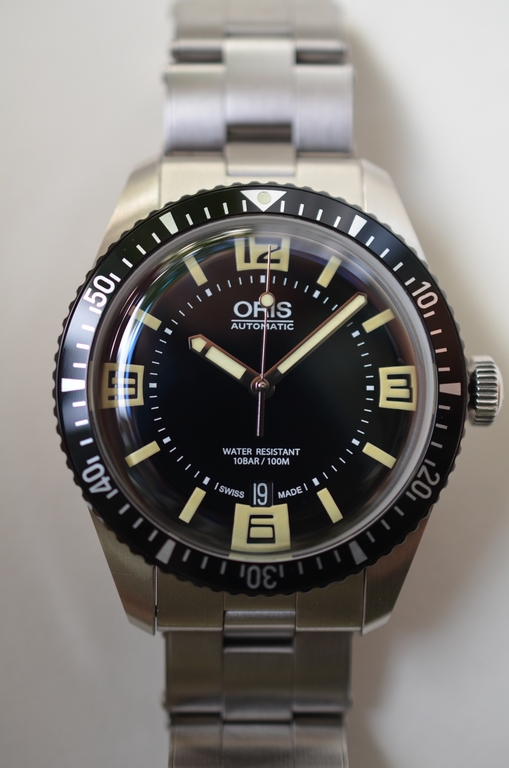
Oris Divers Sixty-Five reissue
Oris Divers Sixty-Five (Ref. 01 733 7707 4064) — the 2015 reissue of Oris’s original 1965 diver, with Calibre 733 automatic.
Photo: Wiki Peter Jan — CC BY-SA 4.0 — Wikimedia Commons
Like many Swiss manufacturers, Oris struggled severely during the quartz crisis of the 1970s. Japanese quartz watches — cheaper, more accurate, and far simpler to produce — devastated Swiss mid-market volume brands. Oris was absorbed into ASUAG (Allgemeine Schweizerische Uhrenindustrie AG), the Swiss umbrella corporation that controlled ébauche suppliers including ETA and a range of watch brands.

Under ASUAG, Oris lost operational independence. The conglomerate's management determined production direction, and Oris's identity was subsumed into the larger corporate structure. At the same time, the crisis forced a strategic reckoning: Oris could not compete with Japanese quartz on price or volume.


Management Buyout and Independence — 1982

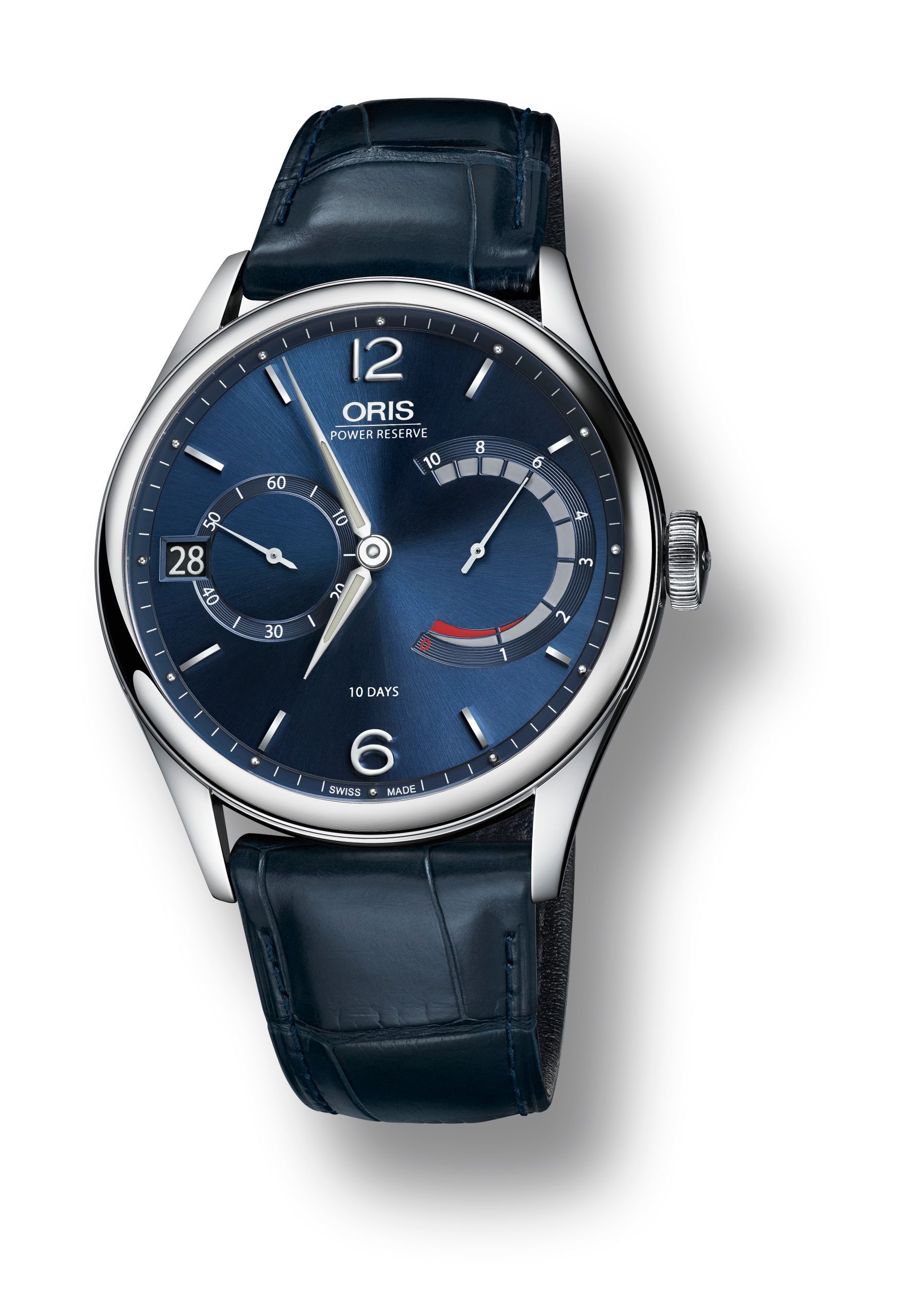
Oris Artelier Calibre 111 with 10-day power reserve
Oris Artelier Calibre 111 — featuring the proprietary Calibre 111 movement with 10-day power reserve and left-hand crown, from the Artelier dress watch collection.
Photo: Oris SA — CC BY-SA 3.0 — Wikimedia Commons

In 1982 , a group of Oris managers led by Ulrich W. Herzog executed a management buyout, purchasing the company back from ASUAG. Independence was restored the year before ASUAG merged with SSIH to form what would become Swatch Group — a timing that proved decisive. Had the buyout occurred a year later, Oris would likely have been permanently absorbed.

The restored independence came with a defining strategic commitment: Oris would produce only mechanical watches . The brand formally adopted this position in the early 1980s and has maintained it. This was a contrarian choice in an era when quartz was still dominant and mechanical watches were widely dismissed as obsolete. Oris's bet on mechanical authenticity anticipated the broader mechanical revival by more than a decade.

One limited exception: in 2018, Oris produced a single quartz-movement watch for a specific collaboration, but the overwhelming production remains entirely mechanical.


The Propeller Logo and Brand Identity

Oris ProDiver Chronograph titanium dive watch
Oris ProDiver Chronograph — a 1000-metre water-resistant automatic dive-chronograph in titanium, representing Oris’s technical dive watch capability.
Photo: Johntorcasio — CC BY-SA 3.0 — Wikimedia Commons

The red propeller logo — a three-bladed propeller in red — has appeared on Oris watches since the 1930s aviation era. It was formalised as the primary brand symbol and appears on case backs, buckles, and crowns. The propeller links to Oris's aviation heritage and the Big Crown pilot watches, and it provides visual differentiation on watch backs where the brand competes with brands using crests or initials.

The Hölstein Rebberg factory is sometimes referred to as the "Red Factory" after its distinctive red-painted facade — a quirk of Swiss industrial architecture that has become part of the brand's visual identity.


Current Leadership and Production

Oris Williams TT3 Formula 1 collaboration watch
Oris Williams TT3 — a Formula 1 collaboration piece with the Williams F1 team, illustrating Oris’s motorsport partnership history.
Photo: Clyde94 — CC BY-SA 4.0 — Wikimedia Commons
Oris is currently led by co-CEOs Rolf Studer and Claudine Müller-Studer (members of the founding family lineage through ownership succession). Annual production runs to approximately 500,000 watches — significant for a genuinely independent brand with no group infrastructure to draw on.

All watches are assembled in Hölstein. The introduction of Calibre 400 in 2020 — Oris's first entirely in-house automatic movement with a five-day power reserve — marked a milestone in the brand's technical ambition, reducing dependence on externally sourced ETA movements.

Oris participates in Watches & Wonders Geneva , the principal Swiss industry exhibition, where it typically presents new Aquis dive watches, Big Crown aviation references, and environmental limited editions.


Change for the Better

In the late 2010s, Oris formalised its environmental and social commitments under the banner "Change for the Better" — a sustainability philosophy with concrete commitments: membership in the 1% for the Planet network (donating 1% of annual revenue to environmental causes), production of watches with recycled ocean plastic dials (Aquis Upcycle), use of recycled rubber straps, partnerships with marine conservation organisations, and a stated ambition to achieve net-zero manufacturing.

The philosophy also encompasses Oris's institutional identity: independence from conglomerates, commitment to Swiss manufacture, and avoidance of the financial pressures that push group-owned brands toward cost-cutting. Oris argues that independence itself is an ethical position — it allows the company to make decisions that prioritise longevity over quarterly returns.


Oris Model and Technology Guides

Each Oris collection and key technology has its own in-depth history on Time on the Move:

Recent Posts

By Zach Charles • October 10, 2026
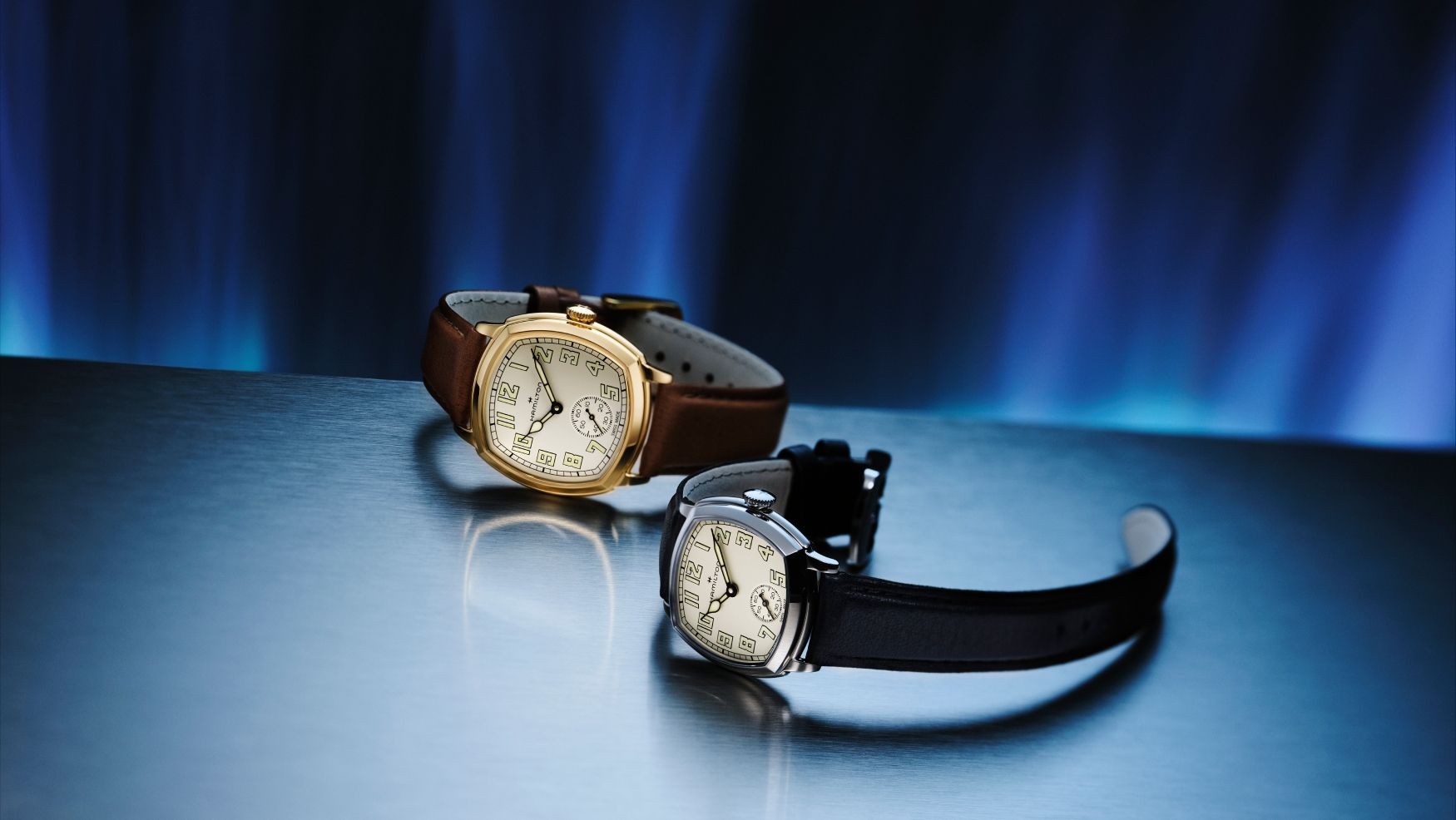
Hamilton's American Classic Cushion Mechanical revives its 1926 Art Deco cushion watches, seen in Oppenheimer, in 30mm and 34mm with the new hand-wound…
Doxa SUB 200: The Accessible Everyday Diver
By Zach Charles • October 10, 2026
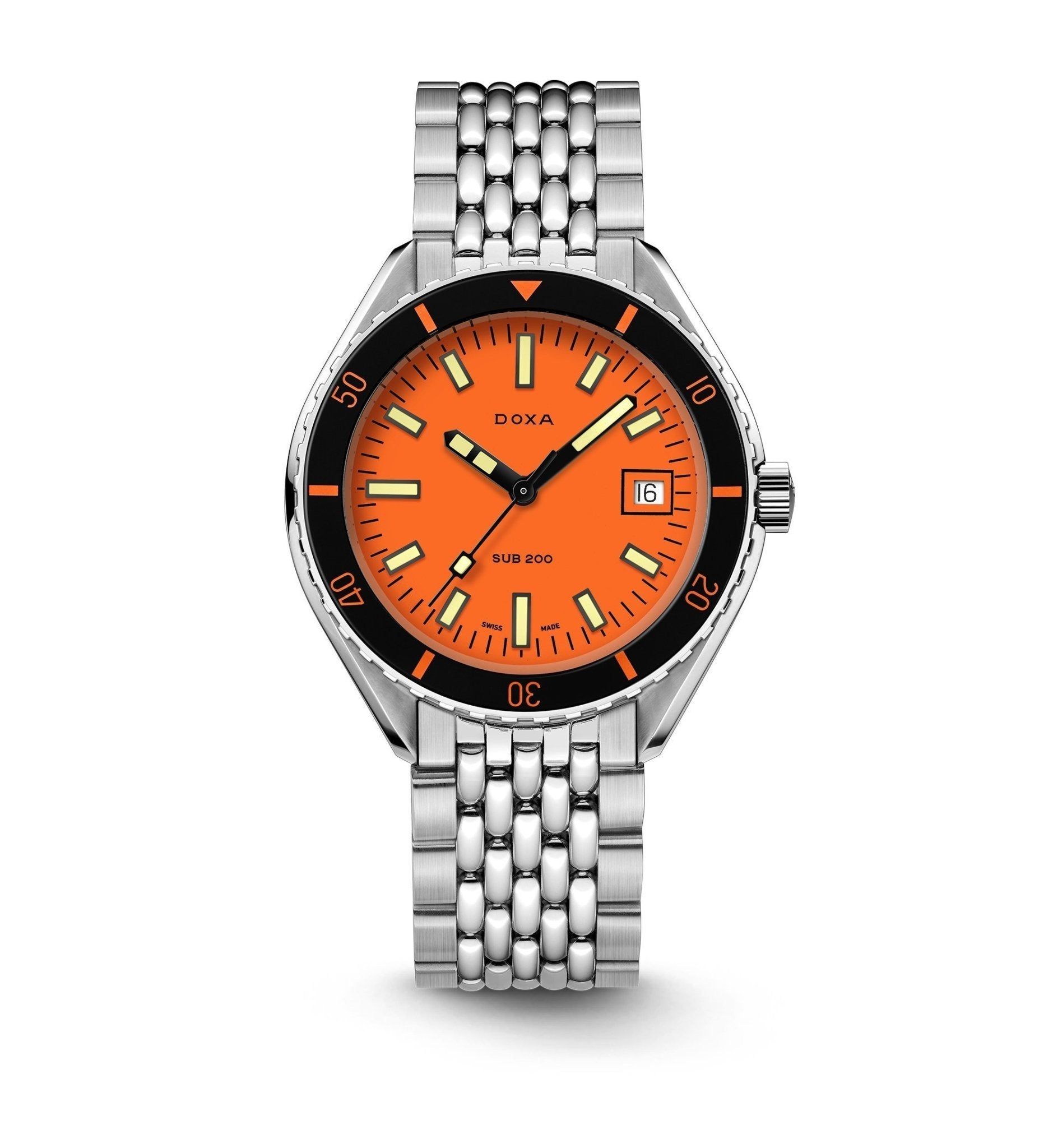
Complete guide to the Doxa SUB 200 — 42mm, 200m, four colorways, Sellita SW200-1. The accessible entry to the Doxa SUB family with the full…
By Zach Charles • October 10, 2026
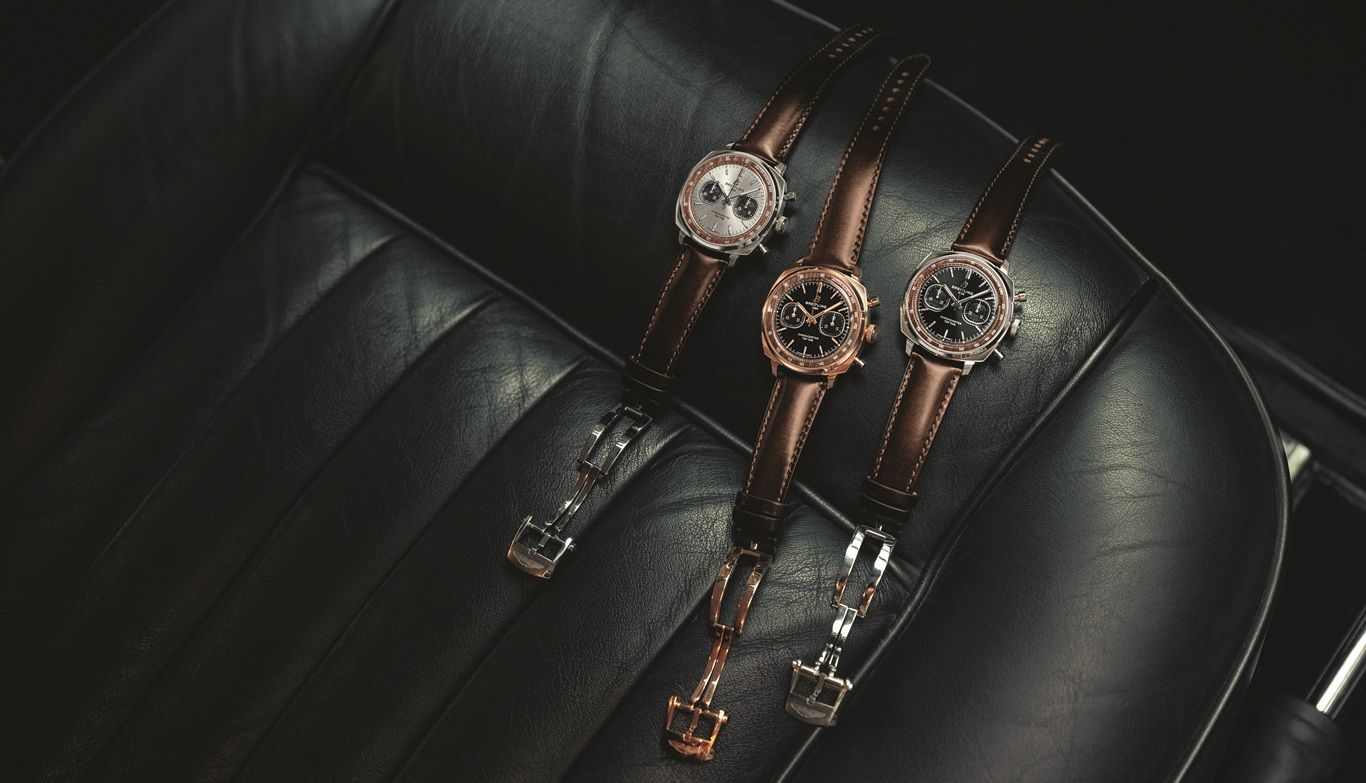
The Breitling Top Time B01 Aston Martin DB5 pairs a cushion-shaped 41mm case, a wooden inner ring and the in-house Caliber 01 across three limited…
By Zach Charles • October 10, 2026
TAG Heuer developed the Mikrograph (2011, 1/100th second), Mikrotimer Flying 1000 (2011, 1/1000th second), and Mikrogirder (2012, 1/2000th second).
Doxa SUB 1500T: The 1,500-Metre Depth-Rating Flagship
By Zach Charles • October 10, 2026
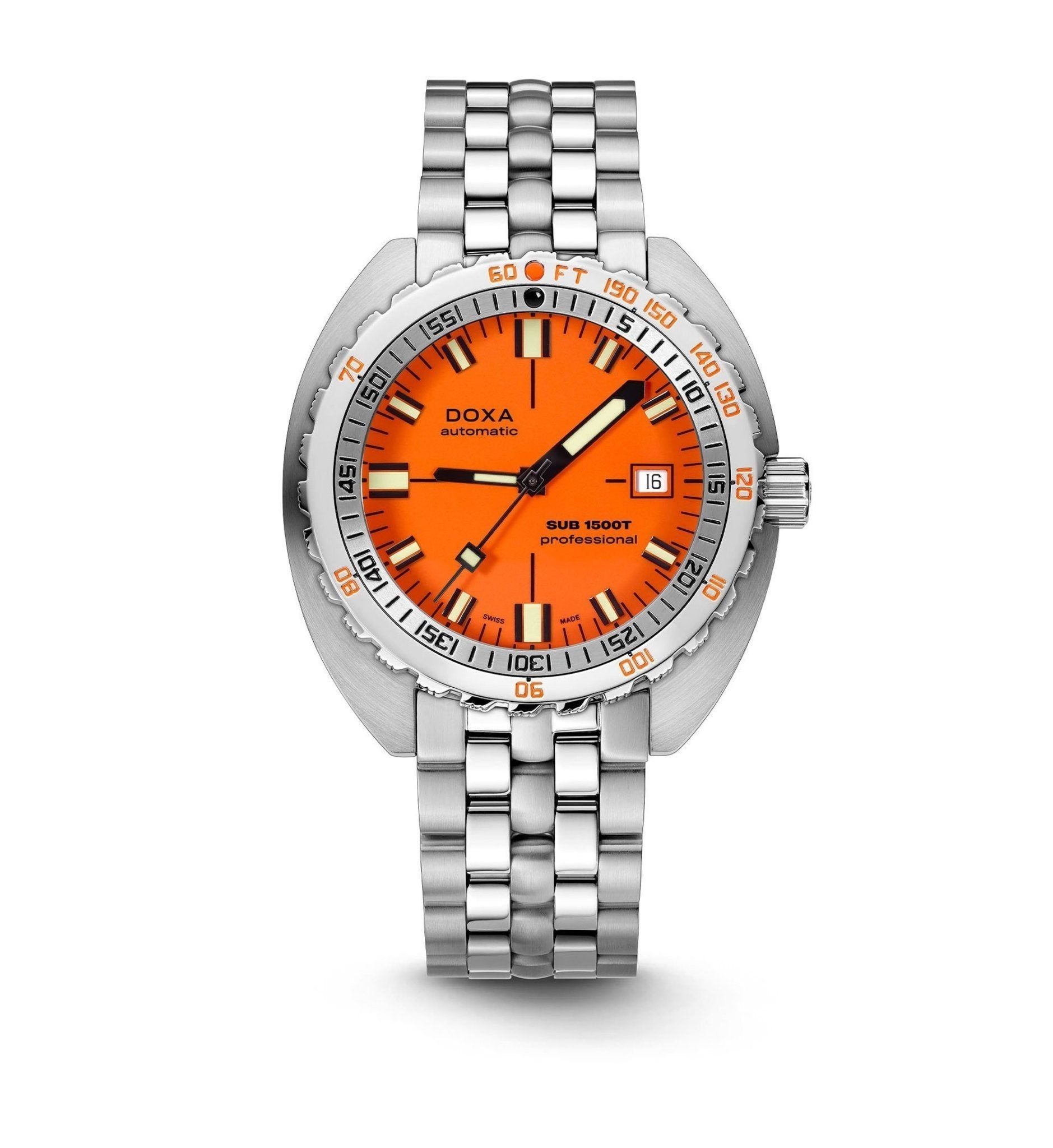
Complete guide to the Doxa SUB 1500T — 45mm, 1,500m depth rating, helium escape valve, ETA 2892-2 movement, USD 2,690.
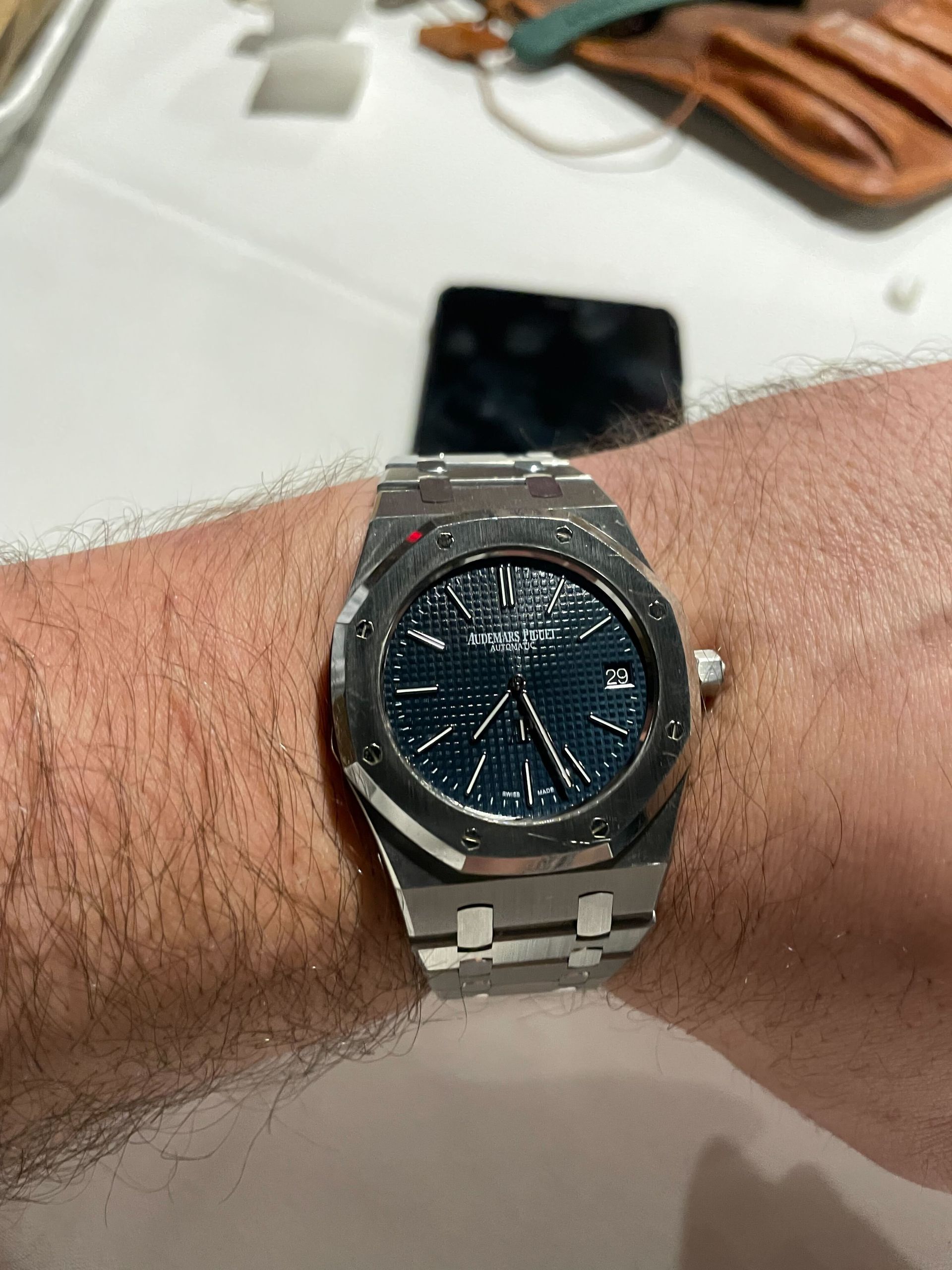
Audemars Piguet Royal Oak 'Jumbo' ref. 15202 with blue tapisserie dial and integrated steel bracelet
By Zach Charles • October 10, 2026
The Audemars Piguet × Swatch Royal Pop is a $400 bioceramic pocket watch in 8 colourways, powered by a new hand-wound SISTEM51 with 90+ hour power…

Time on the Move logo
By Zach Charles • October 10, 2026
Zach Charles is the editor of Time on the Move, an independent watch reference covering brand and model histories, buying guides and release news…
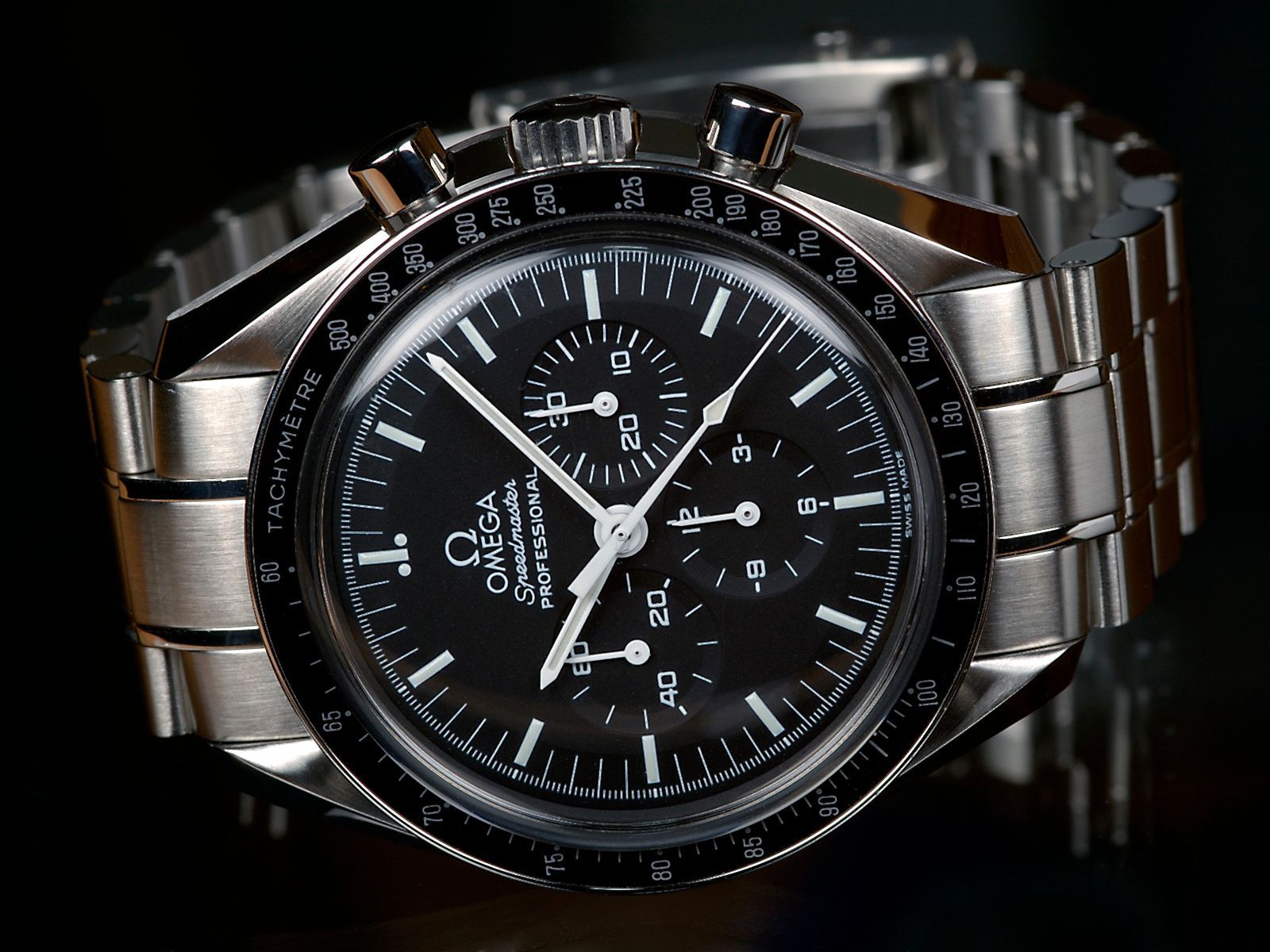
Omega Speedmaster Professional 'Moonwatch' chronograph, front view on steel bracelet
By Zach Charles • October 9, 2026
Find the best watches at every price point from $500 to $15,000 — new and pre-owned. Covers every budget tier with specific reference picks, brand…
By Zach Charles • October 9, 2026
The latest watch news: new releases, Watches and Wonders coverage, discontinuations, industry analysis, and market trends. Currently 1 article.
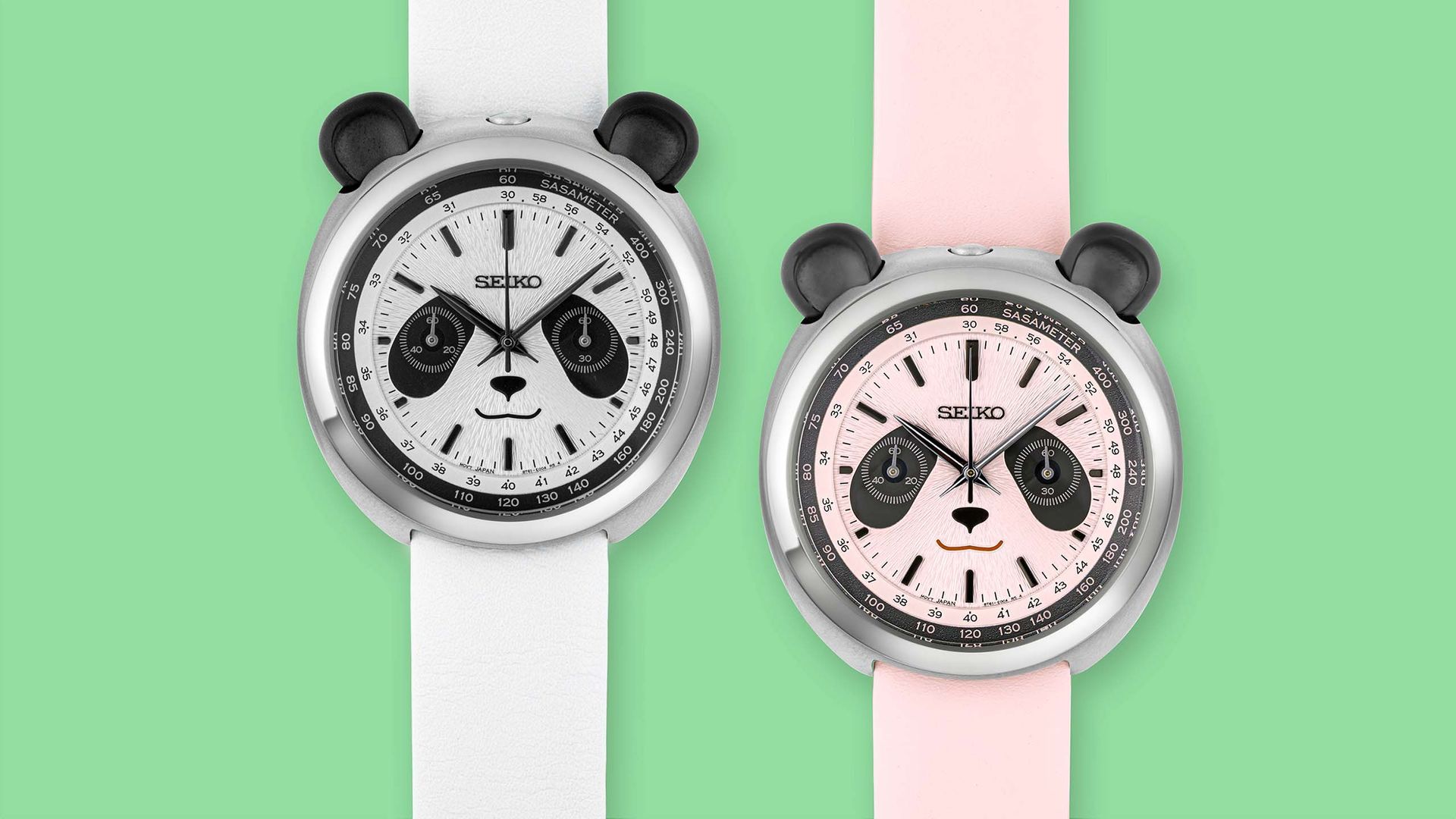
Seiko's New Panda Chronograph Is Literally a Panda: The Power Design Project HHK001 and HHK002
By Zach Charles • October 8, 2026
Seiko's Power Design Project panda chronograph (HHK001, HHK002) turns the panda dial into an actual panda face, with ear pushers, a 'Sasameter' and a 3D…
Show More