
Patek Philippe Nautilus: Gérald Genta’s 1976 Sports Watch

Zach Charles • August 11, 2026

Share this article

Nautilus: Gérald Genta's Steel Sports Watch for Patek Philippe

Gérald Genta designed the Royal Oak in a single overnight session in late 1970. He reportedly sketched the Nautilus in approximately five minutes at dinner during the Basel Fair in 1976. Both watches are now among the most valuable and culturally significant timepieces ever produced. Both were steel sports watches in an era when steel was considered a lesser material for luxury watchmaking. Both carried integrated bracelets at prices that initially scandalized the Swiss watch trade.

The difference is that the Royal Oak arrived first — four years earlier, at a moment when the argument it was making (that steel could command gold prices) was still genuinely radical. The Nautilus arrived into a market already learning to accept the argument, made it again for Patek Philippe, and ultimately became the most discussed reference in the brand's history — to a degree that caused Patek's own president to discontinue it.


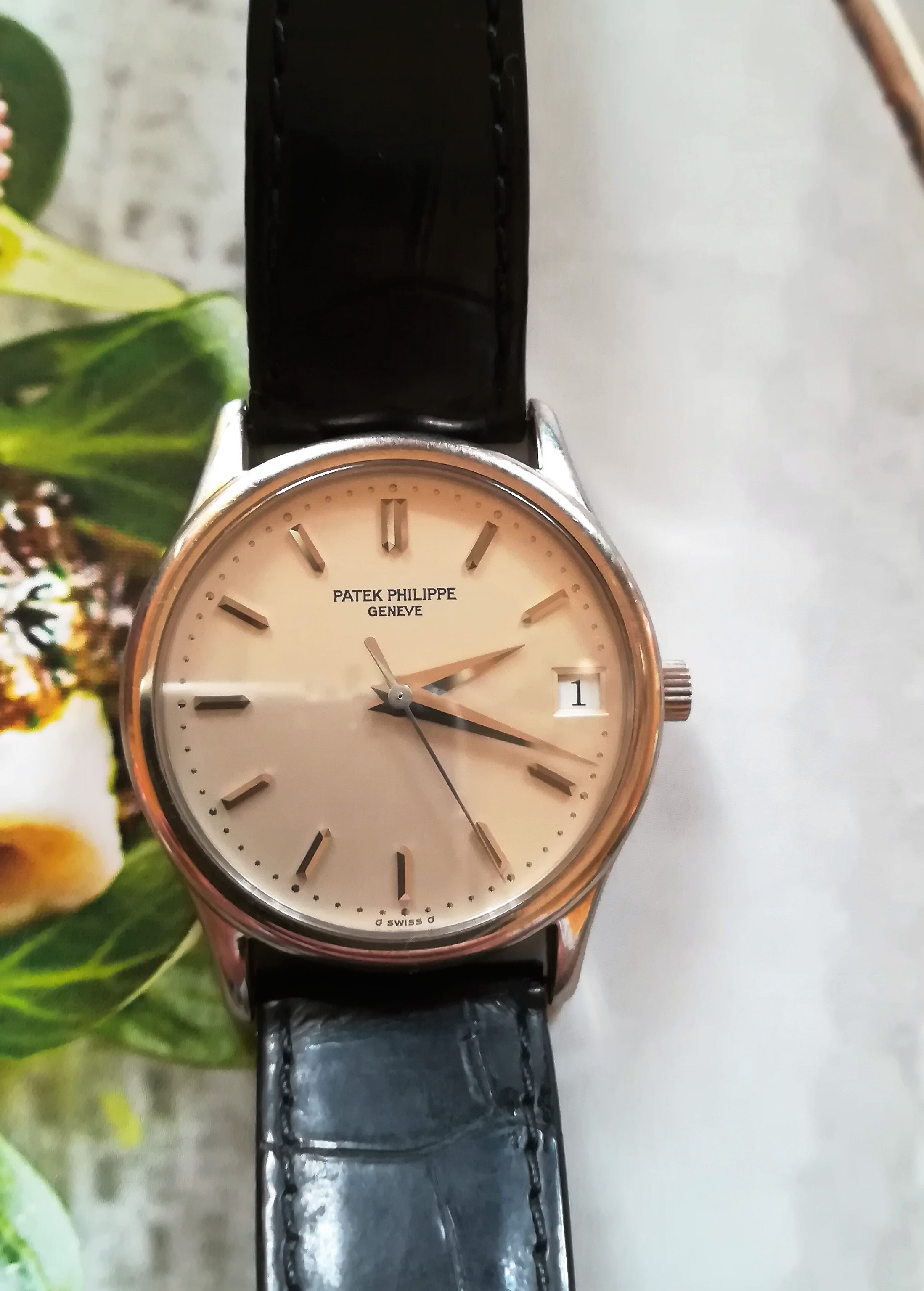
Patek Philippe watch collection at Tiffany & Co., New York, 2008
Patek Philippe watches displayed at the Tiffany & Co. dedicated boutique opening in New York, April 2008 — illustrating the depth of the brand’s complications range.
Photo: Kamal Aboul-Hosn — CC BY 2.0 — Wikimedia Commons
Origins — Basel 1976

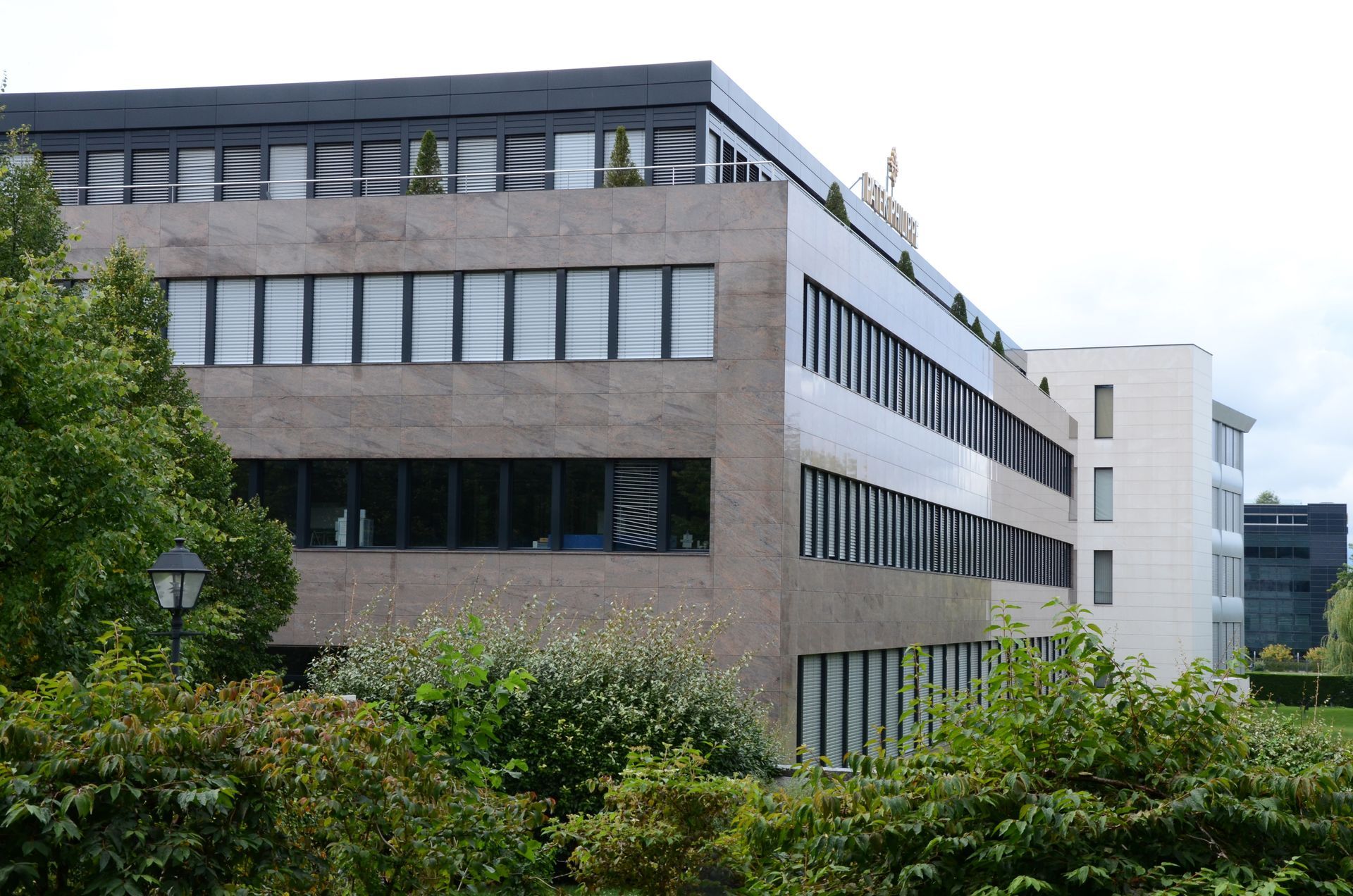
Patek Philippe Calatrava — the archetypical dress watch
A Patek Philippe Calatrava — the reference that defined the modern round dress watch: clean dial, Calatrava cross hourglass lugs, and a movement of museum quality.
Photo: Clyde94 — CC BY-SA 4.0 — Wikimedia Commons
The Nautilus was introduced at the Basel Watch Fair in 1976 as reference 3700/1A (the /1A suffix denoting stainless steel). The reference name derives from Captain Nemo's submarine in Jules Verne's Twenty Thousand Leagues Under the Sea — the porthole of an ocean liner reportedly inspired Genta's rounded octagonal bezel and the watch's general character.

Key design elements of the original 3700:
- Case diameter : nominally 42mm lug-to-lug across a 40mm dial aperture — considered oversized for a luxury dress watch in 1976
- Case thickness : 7.66mm — remarkably thin for a sports watch, especially one with an integrated bracelet
- Bezel : rounded octagonal with horizontal notches along the top and bottom edges, echoing the dogs (bolts) of an ocean liner's porthole
- Dial : horizontal grooved "embossed" pattern with applied indices, luminous hands
- Bracelet : H-link integrated bracelet, polished and brushed surfaces alternating

The movement : Calibre 28-255 C — an automatic movement manufactured to Patek Philippe's specifications on a Jaeger-LeCoultre ébauche. The JLC-sourced base is a recurring note in vintage Nautilus discussions among collectors; Patek developed its own movements for the Nautilus in subsequent decades.

The 3700's price at launch was, by design, higher than a contemporary Rolex Submariner — a deliberate statement that steel could be positioned as a luxury material. The market received it with the same initial skepticism that had greeted the Royal Oak four years earlier.

Production of the reference 3700 ran from 1976 to 1990 .


Reference Evolution

Patek Philippe Archives building, Plan-les-Ouates, Geneva
The Patek Philippe Archives in Plan-les-Ouates, Geneva — where records dating to the brand’s 1839 founding are maintained, enabling authentication of every historical reference.
Photo: Franck Schneider — CC BY-SA 3.0 — Wikimedia Commons

Ref. 3710 (from c. 1981): The first Nautilus with a date complication. Smaller tonneau-adjacent case at 38mm.

Ref. 3800 (1981): A smaller "mid-size" Nautilus at 33mm, oriented toward women's wear. Made the collection accessible to a broader wrist size range.

Ref. 5711/1A-001 (introduced 2006 ): The modern Nautilus "Jumbo." 40mm case, blue sunburst horizontal-grooved dial, Calibre 315 SC automatic. This reference became the defining Nautilus of the contemporary era and the watch whose discontinuation generated the most sustained controversy in recent watchmaking memory.

Ref. 5712 (introduced Basel 2006 ): The complications Nautilus. Features a pointer date, power reserve indicator, moonphase, and small seconds — four complications arranged asymmetrically on the dial. Movement: Calibre 240 PS IRM C LU, a micro-rotor automatic 3.88mm thick. Still in production.

Ref. 5726 (introduced 2010 ): The first stainless steel Patek Philippe with an annual calendar. Combined the annual calendar complication — day, date, month — with a moonphase, in a Nautilus case. Historically notable as the first time Patek put the annual calendar into a sports watch context; the annual calendar had previously been reserved for the dress watch collections.

Ref. 5980 (introduced Basel 2006 ): The first Nautilus chronograph, and also Patek's first automatic chronograph. Movement: Calibre CH 28-520 C — an in-house flyback chronograph with column wheel. The flyback function allows resetting and restarting the chronograph with a single pusher press. Available in steel, rose gold, and two-tone.


The Reference 5711 — Rise and Discontinuation

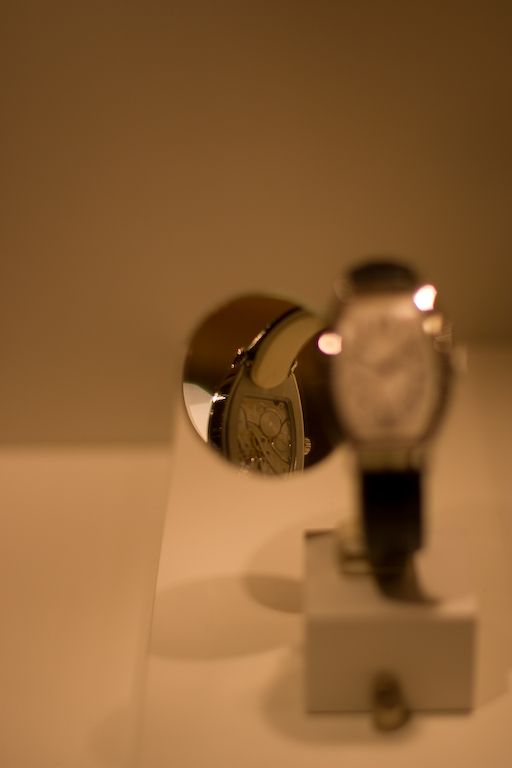
Patek Philippe Museum, Geneva
The Patek Philippe Museum in Geneva — housing over 2,000 timepieces spanning five centuries of horological history, from 16th-century enamel watches to modern Patek complications.
Photo: Mourad Ben Abdallah (Moumou82) — CC BY-SA 3.0 — Wikimedia Commons
The 5711/1A-001, introduced in 2006, ran for fifteen years and became the watch that most completely defined Patek Philippe's commercial identity in the secondary market. The blue dial version was on every allocation waitlist, every grey-market platform, and every social media discussion of luxury watches for most of the 2010s.

Secondary market prices escalated through the decade. At the 5711's peak grey-market valuation before the discontinuation announcement, the watch was trading at approximately three to four times its retail price — meaning buyers were paying CHF 60,000–80,000 for a watch retailing at approximately CHF 28,000–32,000. The allocation was so constrained that most authorised dealers could not reliably access the watch for their own clients.

In January 2021 , Patek Philippe President Thierry Stern confirmed the reference's discontinuation in a statement to trade media. The stated rationale was direct: the 5711's runaway success had come to define Patek's identity in a way the company found limiting. The watch was consuming the brand's image. Buyers seeking Patek were seeking specifically the 5711 — often exclusively — rather than engaging with the depth and breadth of what Patek produces.

The final 5711 variants:
The last regular-production 5711 was the 5711/1A-010 , featuring an olive-green sunburst dial — produced for 2021 as the swan song of the reference.

Separately, a 5711/1A-018G with a Tiffany Blue dial and the Tiffany & Co. co-signature was produced in 170 pieces to mark the 170-year commercial relationship between Patek and Tiffany (beginning with Antoni Patek's 1851 visit to the Tiffany store in New York). One example from the 170-piece edition sold at auction through Phillips in December 2021 for USD 6.5 million — generating substantial press and confirming that the 5711's exit from regular production had amplified, not reduced, the watch's cultural and financial resonance.

The olive-green regular-production 5711 and the Tiffany blue limited edition are distinct: the olive-green was the final regular production; the Tiffany blue was a co-branded limited edition produced separately.


Nautilus and the Genta Legacy

Patek Philippe complications at Tiffany & Co., New York, 2008
Patek Philippe complications on display at the Tiffany & Co. boutique, New York, April 2008 — the perpetual calendars and chronographs that define the brand’s Grand Complication programme.
Photo: Kamal Aboul-Hosn — CC BY 2.0 — Wikimedia Commons

The Nautilus sits in a specific historical position: Genta designed the Royal Oak in 1972 and the Nautilus in 1976. He also redesigned the IWC Ingenieur SL in 1976. The three watches — Royal Oak, Nautilus, Ingenieur SL — share a philosophy: luxury manufacture quality in a stainless steel integrated-bracelet sports case, positioned at prices that previously applied only to gold dress watches.

The Royal Oak established the category. The Nautilus confirmed it, for a different manufacturer with a different client. The Ingenieur SL offered it in an explicitly anti-magnetic context. Together they define a specific four-year period in the history of luxury sports watchmaking.


Collector Position and Secondary Market

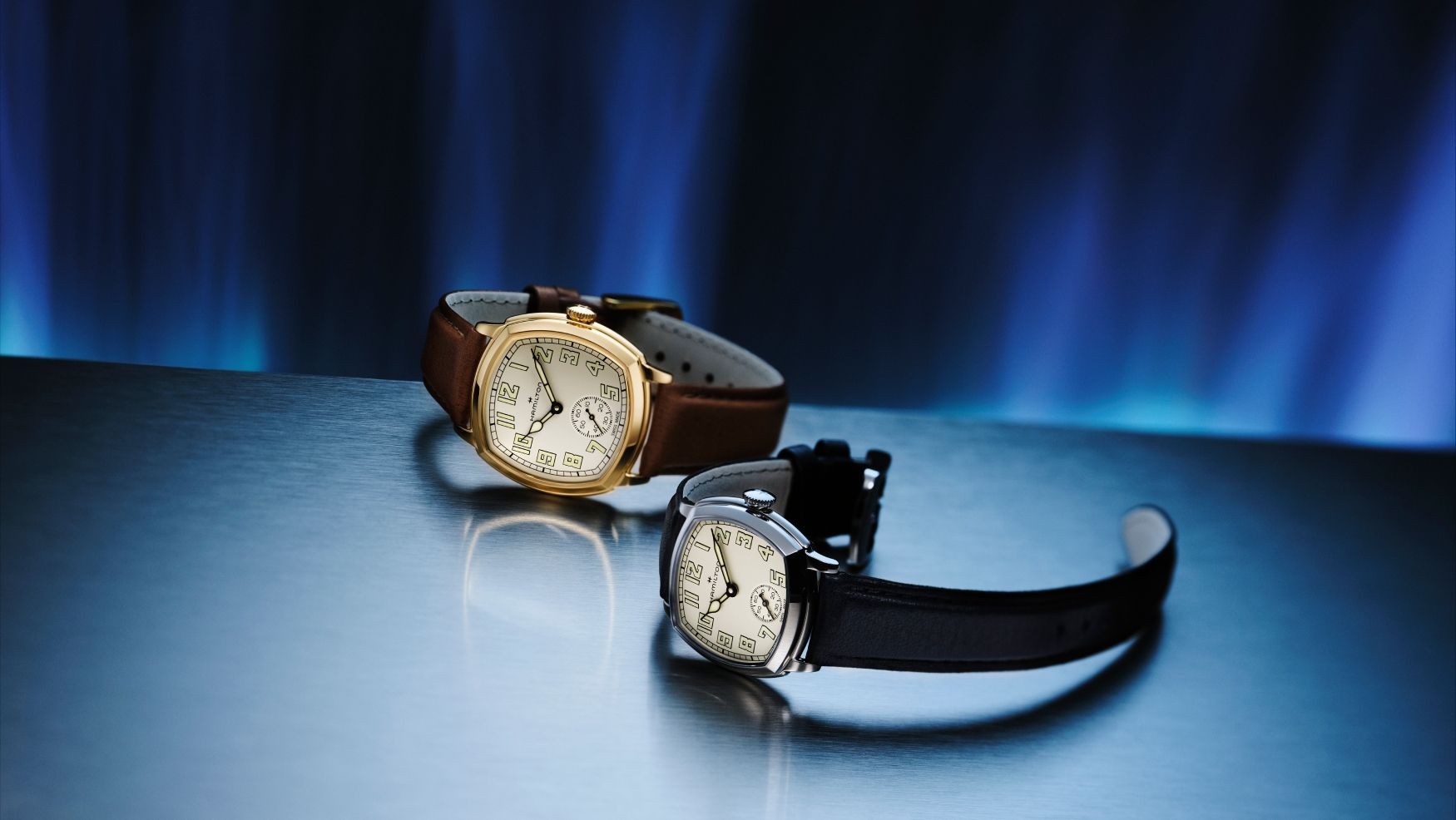
Patek Philippe Masonic pocket watch, 1897
Patek Philippe Masonic pocket watch, 1897 — an example of the bespoke pocket watches with symbolic engraving and enamel decoration that characterised high-end commissions of the late 19th century.
Photo: Patekphilipe1897 — CC BY-SA 4.0 — Wikimedia Commons
The Nautilus secondary market operates on dynamics that few other watches share:
- The 5711 is no longer in regular production, which has sustained secondary market premiums
- Steel Nautilus references have historically commanded higher secondary premiums than gold variants — an inversion of traditional luxury pricing that reflects collector demand for the sports watch in its original material
- Vintage references 3700 and 3800 in good condition have appreciated substantially as the modern Nautilus's cultural profile has drawn attention to its predecessors

Retail prices for current-production Nautilus references (5712, 5726, 5980) remain in the CHF 50,000–100,000+ range. The 5711's secondary market has stabilized above retail following the discontinuation announcement but below the speculative peak of 2019–2021.


Latest News

Frequently Asked Questions

Who designed the Nautilus?
Gérald Genta, the Swiss designer who also designed the Audemars Piguet Royal Oak (1972) and redesigned the IWC Ingenieur (1976). The Nautilus was reportedly sketched at dinner during the Basel Watch Fair in 1976. Genta's inspiration was the porthole of an ocean liner.

What was the original Nautilus reference?
Reference 3700/1A, introduced at Basel 1976. 40mm dial in a 42mm lug-to-lug case, 7.66mm thick, with the Calibre 28-255 C automatic movement. Production ran from 1976 to 1990.

Why was the Nautilus 5711 discontinued?
Thierry Stern stated in January 2021 that the 5711's dominance had limited Patek's brand identity — buyers seeking Patek were seeking the 5711 specifically, rather than engaging with the full collection. The secondary market speculation and allocation scarcity had produced a dynamic Patek found incompatible with its positioning.

What is the Tiffany Blue Nautilus?
Reference 5711/1A-018G, produced in 170 pieces with a Tiffany Blue dial and Tiffany & Co. co-signature, released in late 2021 to mark the 170-year Patek–Tiffany relationship. One example sold at Phillips auction for USD 6.5 million in December 2021. This was a separate, co-branded limited edition — not the last regular-production 5711, which was the olive-green 5711/1A-010.

What replaces the 5711?
Patek Philippe has not publicly designated a direct replacement. The Nautilus family continues in production with the 5712, 5726, and 5980. The 5726A — the first steel annual calendar Nautilus — has attracted significant collector interest as the most compelling ongoing steel Nautilus reference.


Related Articles

Recent Posts

By Zach Charles • October 10, 2026
Hamilton's American Classic Cushion Mechanical revives its 1926 Art Deco cushion watches, seen in Oppenheimer, in 30mm and 34mm with the new hand-wound…
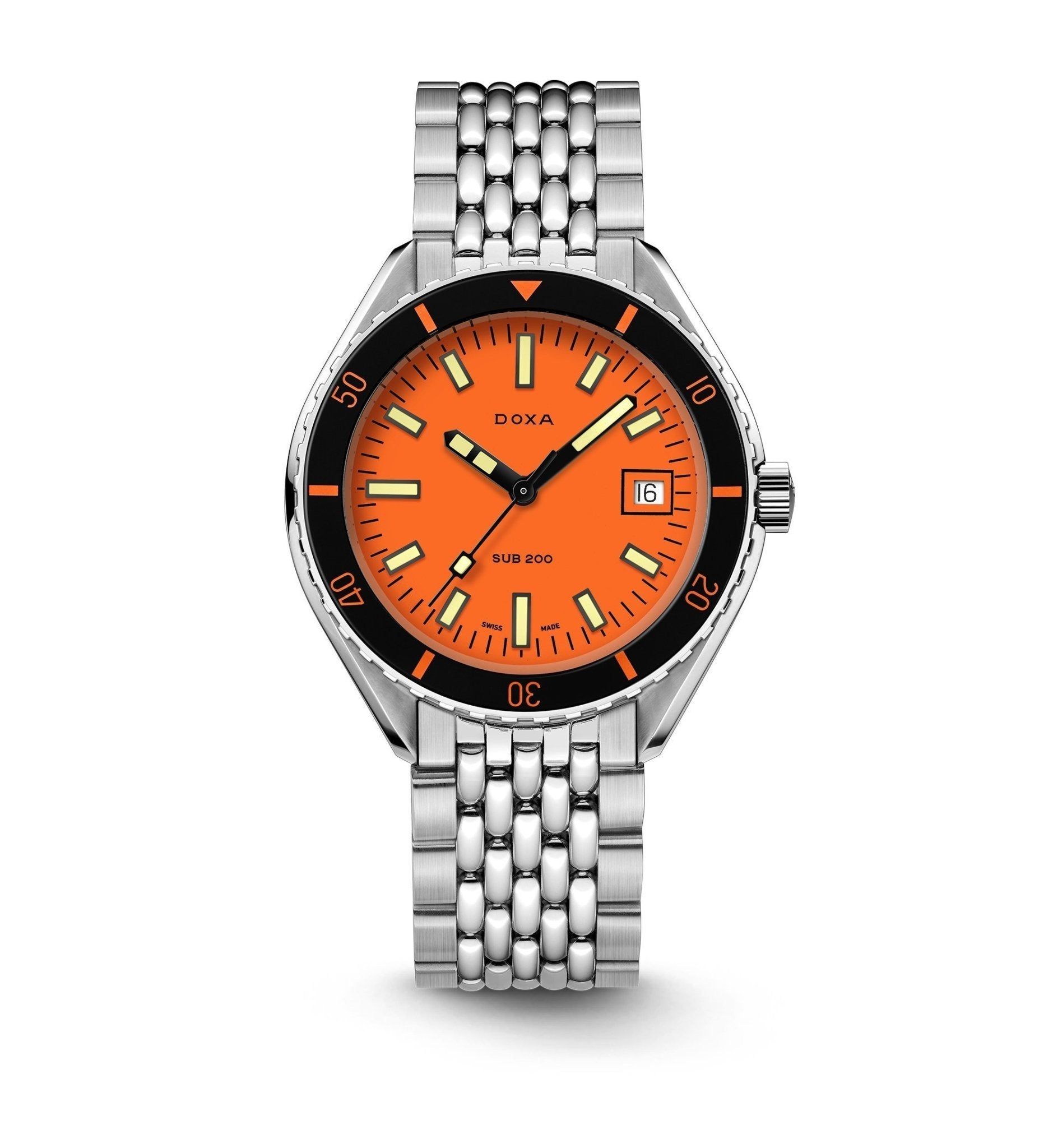
Doxa SUB 200: The Accessible Everyday Diver
By Zach Charles • October 10, 2026
Complete guide to the Doxa SUB 200 — 42mm, 200m, four colorways, Sellita SW200-1. The accessible entry to the Doxa SUB family with the full…
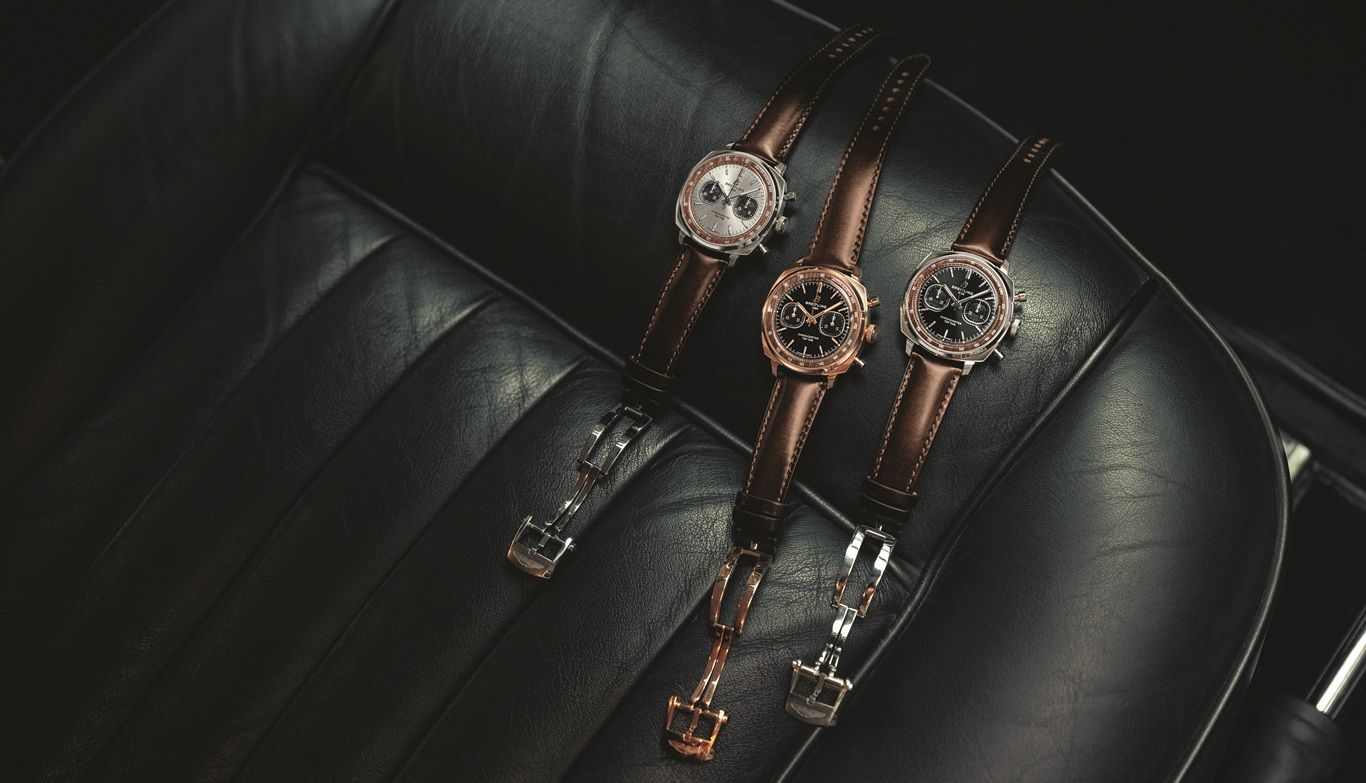
By Zach Charles • October 10, 2026
The Breitling Top Time B01 Aston Martin DB5 pairs a cushion-shaped 41mm case, a wooden inner ring and the in-house Caliber 01 across three limited…
By Zach Charles • October 10, 2026
TAG Heuer developed the Mikrograph (2011, 1/100th second), Mikrotimer Flying 1000 (2011, 1/1000th second), and Mikrogirder (2012, 1/2000th second).
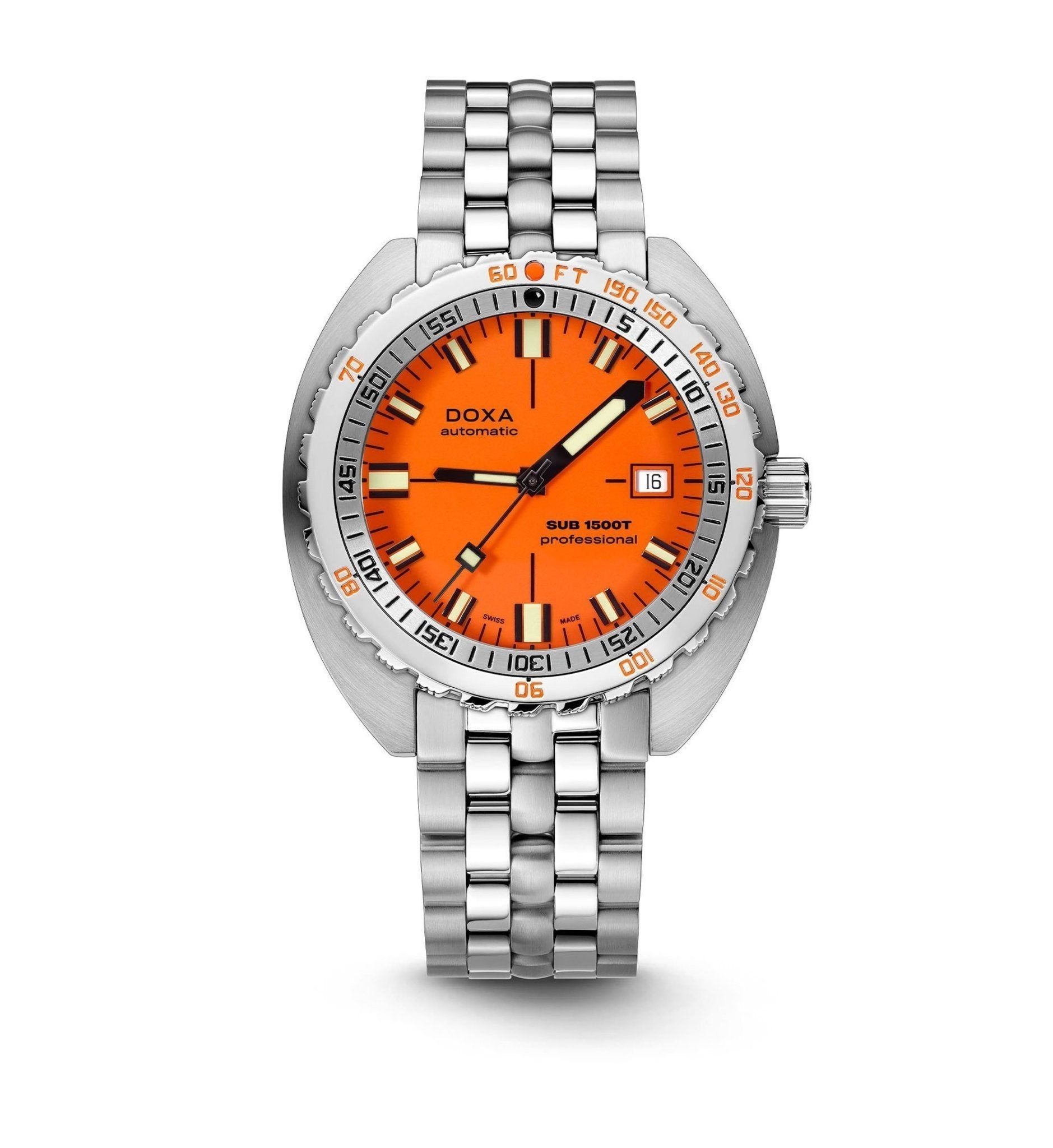
Doxa SUB 1500T: The 1,500-Metre Depth-Rating Flagship
By Zach Charles • October 10, 2026
Complete guide to the Doxa SUB 1500T — 45mm, 1,500m depth rating, helium escape valve, ETA 2892-2 movement, USD 2,690.
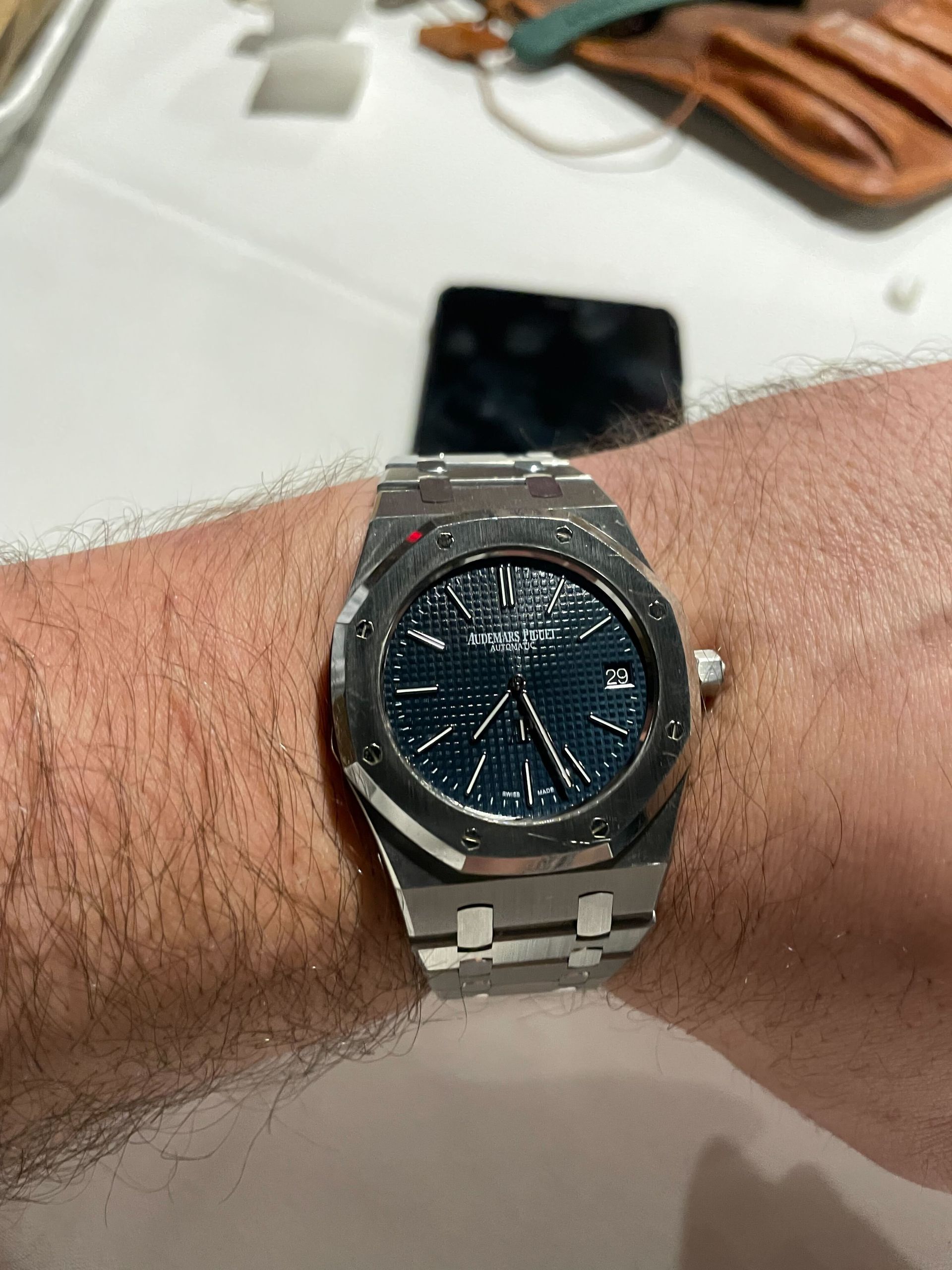
Audemars Piguet Royal Oak 'Jumbo' ref. 15202 with blue tapisserie dial and integrated steel bracelet
By Zach Charles • October 10, 2026
The Audemars Piguet × Swatch Royal Pop is a $400 bioceramic pocket watch in 8 colourways, powered by a new hand-wound SISTEM51 with 90+ hour power…

Time on the Move logo
By Zach Charles • October 10, 2026
Zach Charles is the editor of Time on the Move, an independent watch reference covering brand and model histories, buying guides and release news…
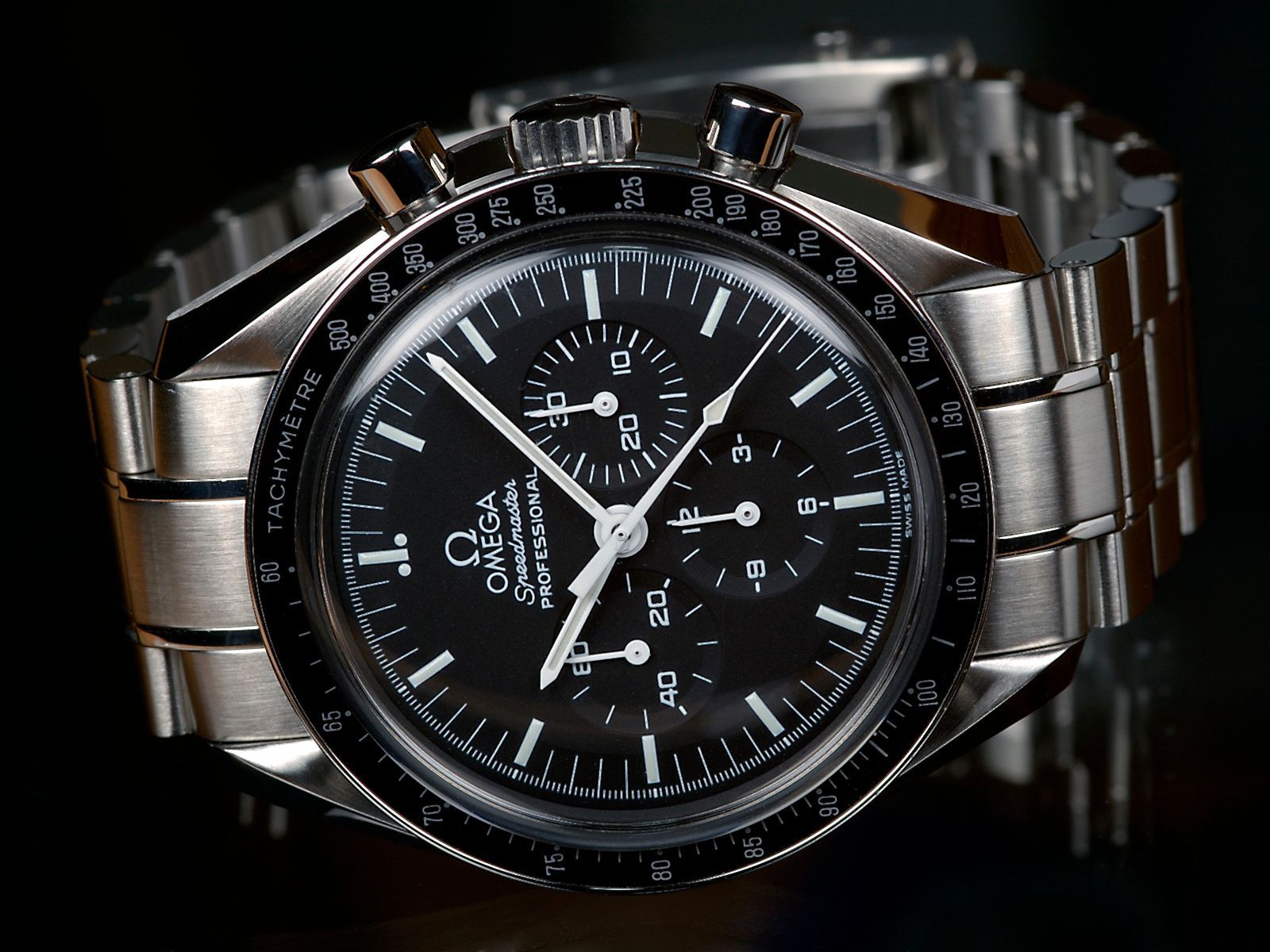
Omega Speedmaster Professional 'Moonwatch' chronograph, front view on steel bracelet
By Zach Charles • October 9, 2026
Find the best watches at every price point from $500 to $15,000 — new and pre-owned. Covers every budget tier with specific reference picks, brand…
By Zach Charles • October 9, 2026
The latest watch news: new releases, Watches and Wonders coverage, discontinuations, industry analysis, and market trends. Currently 1 article.
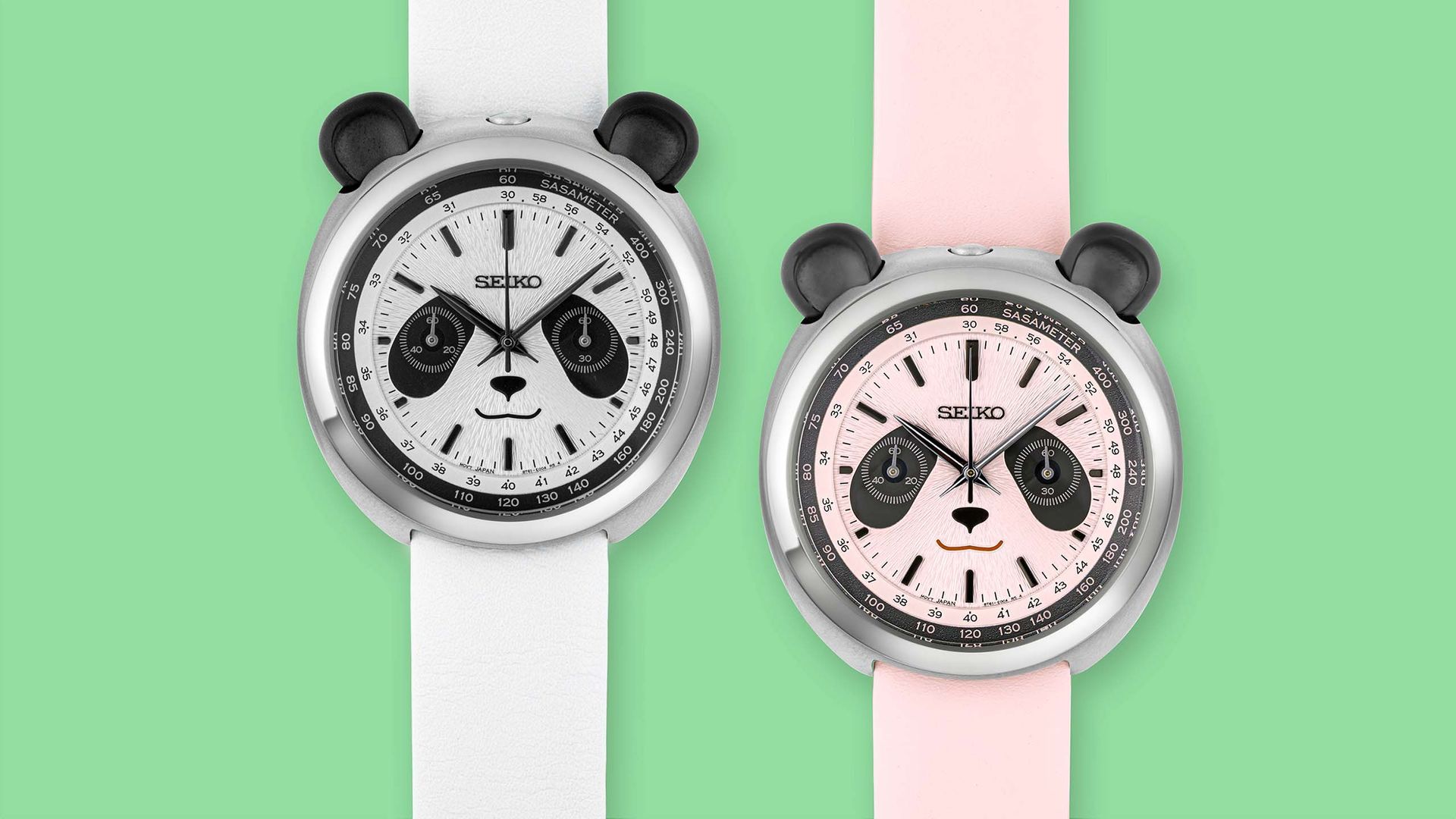
Seiko's New Panda Chronograph Is Literally a Panda: The Power Design Project HHK001 and HHK002
By Zach Charles • October 8, 2026
Seiko's Power Design Project panda chronograph (HHK001, HHK002) turns the panda dial into an actual panda face, with ear pushers, a 'Sasameter' and a 3D…
Show More