Timex: America's Watch, From Waterbury to the Marlin
By Zach Charles, Editor, Time on the Move
Timex is the most important name in American mass-market watchmaking. Founded in 1854 as the Waterbury Clock Company in Waterbury, Connecticut, it made the dollar watches that put a timepiece in every American pocket, launched the Mickey Mouse watch, sold durability on live television, and defined the sports digital with the Ironman. Since 2017 it has become something new as well: an enthusiast brand, thanks to faithful reissues like the Marlin and Q Timex.
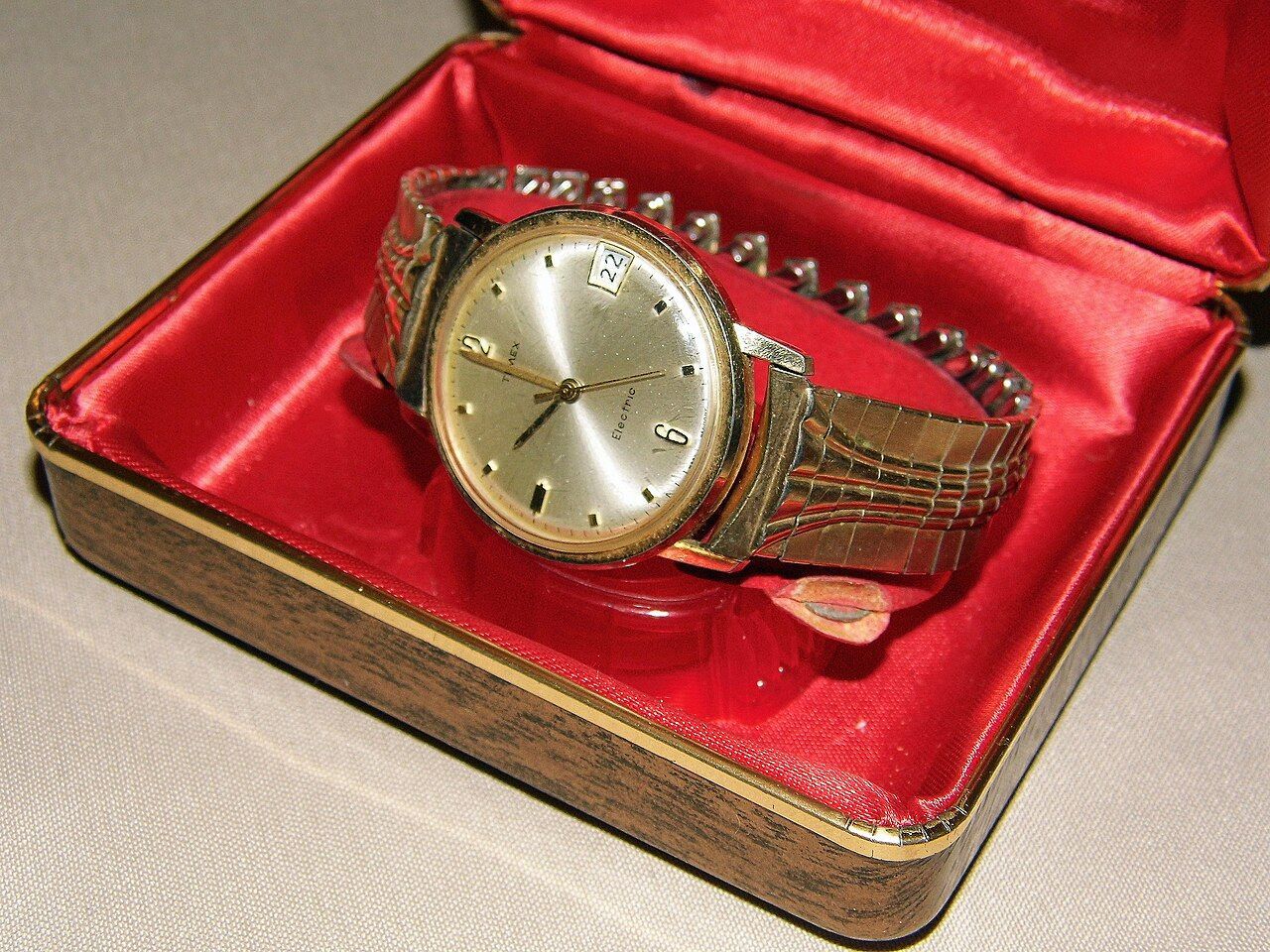
Photo: Joe Haupt — CC BY-SA 2.0 — Wikimedia Commons
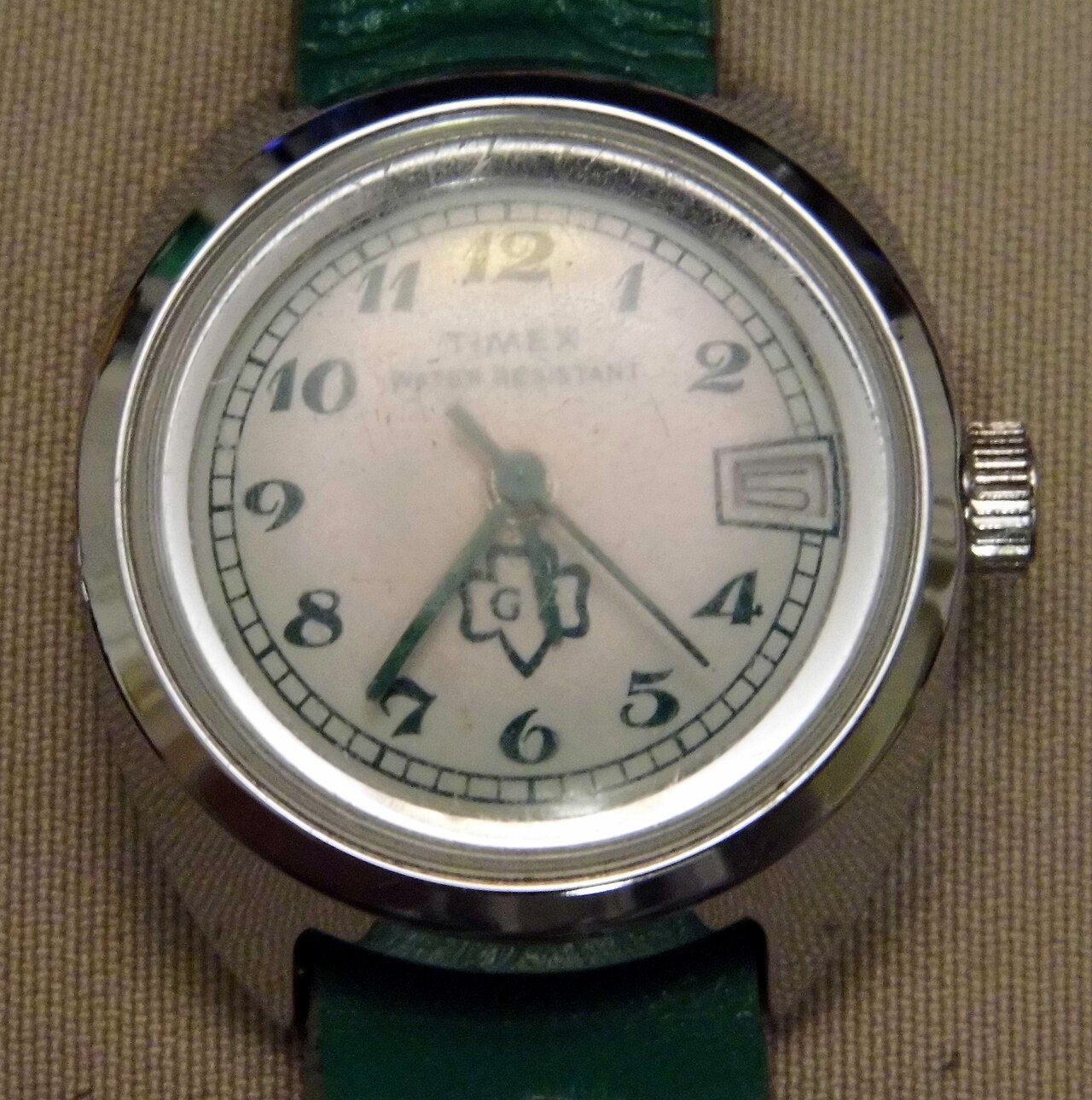
1854: The Waterbury Clock Company
Timex traces its origins to the Waterbury Clock Company , established in 1854 in Connecticut's Naugatuck Valley — then the centre of American brass and clock manufacturing. Waterbury applied mass-production methods to inexpensive clocks and, later, watches, which is the industrial DNA Timex still carries.
The Ingersoll Dollar Watch and Mickey Mouse
Around the turn of the twentieth century, Waterbury produced millions of pocket watches for Robert H. Ingersoll & Bro. The 1896 Ingersoll Yankee , supplied by Waterbury, sold for a dollar and became known as "the watch that made the dollar famous." In 1933 the company introduced the licensed Mickey Mouse watch under the Ingersoll name at the Chicago World's Fair; it became the company's first million-dollar line and is widely credited with rescuing it during the Depression.
U.S. Time and the Birth of the Timex Name
In 1941 Norwegian shipping magnate Thomas Olsen and industrialist Joakim Lehmkuhl , who had fled the German invasion of Norway, acquired control of Waterbury. Under Lehmkuhl the company became the largest US producer of fuse timers during the Second World War and was renamed the U.S. Time Corporation. After the war, Lehmkuhl applied those precision-manufacturing lessons to an inexpensive, durable wristwatch sold under a new name: Timex . The company itself later took the Timex name.
"It Takes a Licking and Keeps on Ticking"
From 1956 Timex sold durability through one of advertising's most famous campaigns. Newsman John Cameron Swayze hosted live "torture tests" in which Timex watches were strapped to boat propellers, dropped from heights and put through industrial machinery — then shown still running. The slogan made Timex a household name, and at its peak roughly one in three watches sold in the US was a Timex.
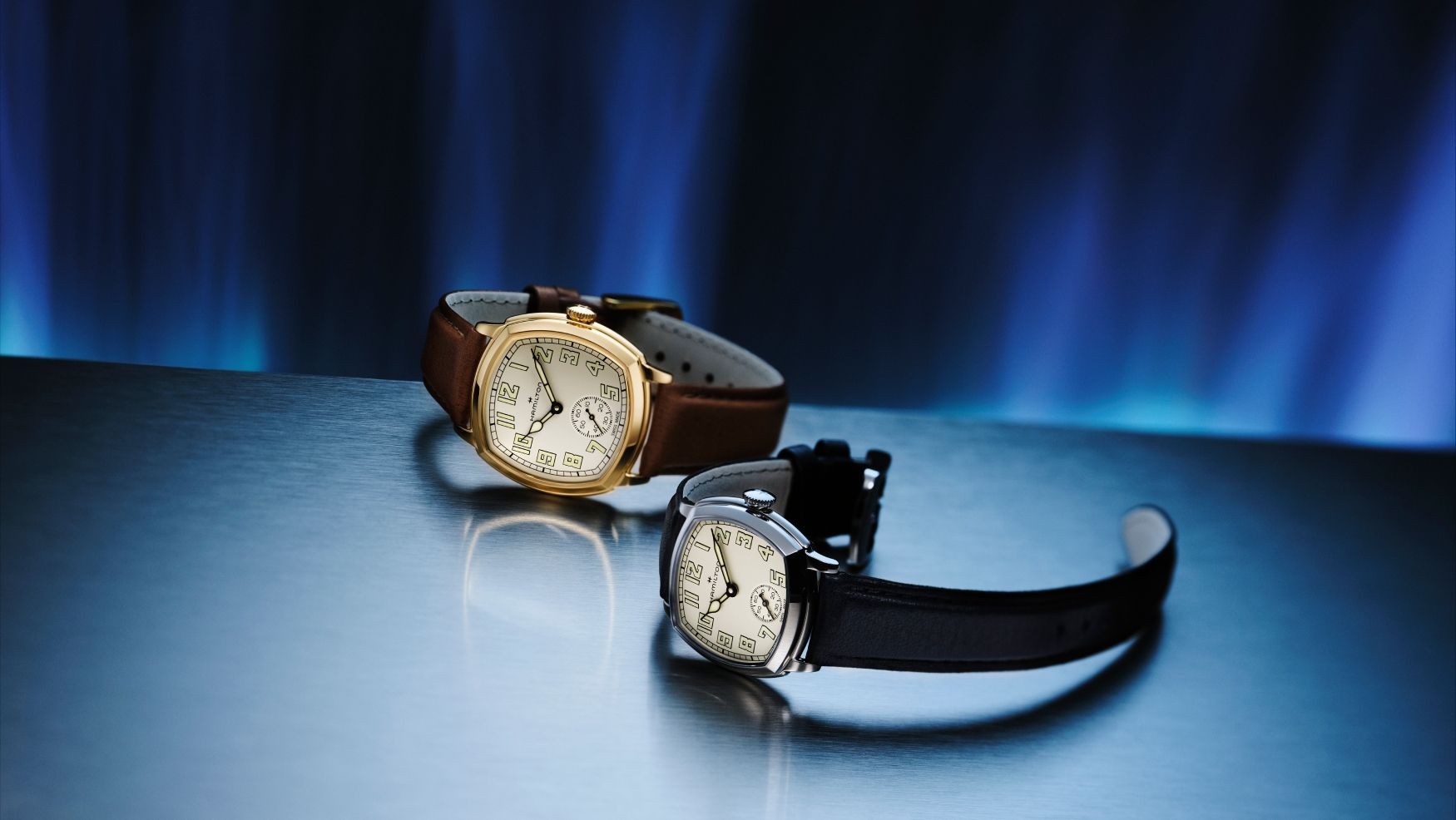
Photo: Joe Haupt — CC BY-SA 2.0 — Wikimedia Commons
Quartz, Ironman and Indiglo
Timex made its last mechanical movement in 1982 as quartz took over. It then helped invent the modern sports watch: the Ironman of 1986 became America's best-selling watch within a year, and in 1992 Timex introduced Indiglo , an electroluminescent backlight that lit the whole dial and spread across most of the range. In 1994 the Datalink , developed with Microsoft, could receive data from a computer screen and was approved by NASA for spaceflight.
The Enthusiast Revival
Timex's second act began in 2017, when the hand-wound Marlin reissue returned the brand to mechanical watchmaking for the first time since 1982. It was followed by the 1979-inspired Q Timex(2019), the M79 Automatic diver (2020), the heritage Waterbury automatics, and field watches across the Expedition and Camper lines, frequently in collaboration with designer Todd Snyder. Together they have made Timex a fixture of "best affordable watch" lists.
The Collections Covered Here
- Timex Marlin — the 1960s dress watch reissue that restarted it all
- Q Timex — the 1979 quartz reissue with the battery hatch
- Timex M79 Automatic — the affordable automatic diver
- Timex Waterbury — heritage automatics named for the birthplace
- Timex Ironman — the 1986 sports digital
- Timex Expedition & Camper — outdoor and military-style field watches
How Timex Became an Enthusiast Brand
For most of its history Timex was the opposite of an enthusiast brand: the watch you bought at the drugstore, the watch you were given as a child, the watch you didn't think about. What changed after 2017 was a deliberate strategy of mining its own archive. Rather than chase luxury, Timex reissued designs that already had authentic history — a 1960s mechanical dress watch, a 1979 quartz diver, a 1980s military field watch — and sold them at prices well below those of Swiss or even most Japanese rivals. Collaborations with designer Todd Snyder and retailers such as J.Crew gave those reissues a fashion audience, while enthusiast media embraced them as honest, affordable entry points into vintage style. Since 2022 a series of Waterbury-based collaborations with Pan Am has added aviation to the mix, culminating in the 2026 Timex x Pan Am Waterbury Automatic GMT.
The approach mirrors what Seiko has done with its own heritage, and it works for the same reason: an affordable watch with a real backstory is far more compelling than an affordable watch without one.
Timex Today
Timex Group remains privately held and headquartered in Connecticut, close to where the Waterbury Clock Company began. Product design is led from the group's design centre in Milan under design director Giorgio Galli , whose name also appears on the design-led Giorgio Galli S1 automatic — Timex's most ambitious "serious watch". The core range still spans inexpensive quartz analogue and digital watches, but it is the heritage reissues covered in this section that have changed how collectors see the brand.
Mechanical vs. Quartz at Timex
Modern Timex mechanical watches — the Marlin, M79, Waterbury automatics and MK1 Automatic — mostly use proven Japanese Miyota automatic movements, with the hand-wound Marlin using a Chinese-made calibre. They are inexpensive to service and robust, though not finished to the standard of higher-priced watches. Timex's quartz heritage, meanwhile, is a collectible story in its own right, from the 1979 Q to the Ironman and Indiglo. For more options at this price, see our guide to the best watches under $500.
Frequently Asked Questions
When was Timex founded?
Timex traces its origins to the Waterbury Clock Company, founded in 1854 in Waterbury, Connecticut. The Timex name was adopted for wristwatches after the Second World War.
What does 'takes a licking and keeps on ticking' refer to?
Timex's advertising slogan, used from 1956, with live TV 'torture tests' hosted by John Cameron Swayze demonstrating the watches' durability.
Does Timex still make mechanical watches?
Yes. Timex stopped making mechanical movements in 1982 but returned to mechanical watches in 2017 with the hand-wound Marlin reissue; Marlin, M79, Waterbury and MK1 automatics use Japanese Miyota movements.
What is Indiglo?
An electroluminescent backlight Timex introduced in 1992 on the Ironman, which illuminates the entire dial at the press of a button.
Which Timex watches do enthusiasts like most?
The Marlin, Q Timex, M79 Automatic, Waterbury automatics, the Ironman and the Camper/MK1 field watches are the most popular with collectors.