
Panerai Radiomir: The 1936 Prototype to the Modern Collection

Zach Charles • July 5, 2026

Share this article

Panerai Radiomir: The Original Military Watch

The Radiomir is not named after a watch. It is named after a luminous compound — a mixture of radium-226 and zinc sulfide that Guido Panerai patented in France in 1916 for use on illuminated gun sights. That compound made Panerai's military dials readable in the murky conditions of underwater warfare. When the Regia Marina requested purpose-built dive watches in the mid-1930s, Panerai applied the compound to a 47mm cushion case and called the result the Radiomir. The name was already more than two decades old before it appeared on a watch.


Panerai Radiomir wristwatch
A Panerai Radiomir — the cushion-cased dive watch derived from the 1936 prototype supplied to the Italian Navy. The wire lugs, large onion crown, and sandwich dial are characteristic of the original military specification.
Photo: Piero7 — Public Domain — Wikimedia Commons
The 1936 Prototypes

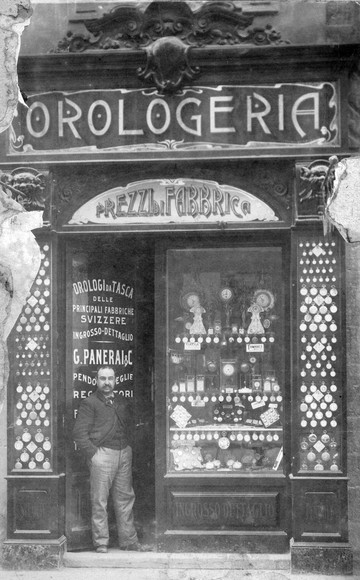
Giovanni Panerai — historical photograph, 1860
A historical photograph of Giovanni Panerai, founder of the shop on the Ponte alle Grazie in Florence in 1860 that would become Officine Panerai. The establishment served initially as a watchmaking school and supplier of precision naval instruments to the Italian Navy.
Photo: Historical photograph — Public Domain — Wikimedia Commons

In 1936 , Panerai submitted ten prototypes to the Regia Marina for field testing. These were not yet designated "Ref. 3646" — that production reference came with deliveries beginning in 1938 . The prototypes established the design vocabulary that would remain largely unchanged through the military supply era:

  • Case : 47mm cushion-shaped steel case, based on the Rolex Oyster case
  • Lugs : Thin steel wire formed into loops and soldered to the case — the defining visual feature of the Radiomir
  • Crown : Large conical fluted crown, oversized for use with gloves over a diving suit
  • Crystal : 4mm thick Perspex (acrylic), dimensioned for impact resistance underwater
  • Movement : Hand-wound, supplied by Rolex, based on the Cortébert Calibre 618 — a pocket-watch-derived movement with 17 jewels
  • Dial : Two-layer "sandwich" construction, with the California dial format — Roman numerals in the upper half, Arabic numerals in the lower half

Panerai produced only the dials in-house. Cases came from Rolex; movements came from Cortébert via Rolex. This external sourcing arrangement would continue through the entire military supply era.


The Name: Radiomir

Vintage Panerai diving equipment set
A set of vintage Panerai diving tools and instruments supplied to the Italian Navy — illustrating Panerai’s role as a full-service military equipment supplier rather than merely a watchmaker. The firm produced depth gauges, compasses, and underwater breathing apparatus alongside watches.
Photo: Piero7 — Public Domain — Wikimedia Commons

The Radiomir compound predates the watch by two decades. Guido Panerai's 1916 French patent covered illuminated sights using a radioluminescent mixture of radium-226 (the radioactive energy source), zinc sulfide (the inorganic phosphor), and in some formulations radium bromide and mesothorium. The name derives from the Italian/Latin root for radium and "mire" (Italian for sights — a reference to the original gun sight application).

The radium-based compound provided exceptional luminosity but was also genuinely radioactive. In 1949 , Panerai replaced it with a tritium-based compound, which it trademarked as "Luminor" on January 11, 1949 — and the new name applied to both the compound and, eventually, the watch case type.


Ref. 3646 — Type Variations

Panerai crown-guard bridge — close detail
A close view of the Panerai lever-bridge crown guard — patented on 30 November 1955. The bridge locks the winding crown in the closed position, providing a watertight seal under diving conditions. This crown-guard mechanism remains the most distinctive design feature of the Luminor case.
Photo: Piero7 — Public Domain — Wikimedia Commons
The Ref. 3646 was produced from 1938 through the early 1950s in multiple variants designated Type A through approximately Type G, with modifications to dial format, movement, caseback, and branding:

Type A (1938) : California dial (Roman/Arabic split), Rolex/Cortébert Cal. 618, "RADIOMIR PANERAI" signed dial.

Type B (1941) : Riveted plastic dial; modified construction.

Type C (circa 1942–43) : "Ordinary dial" (standard Arabic layout). Approximately one-third were "Anonymous dial" variants — no "RADIOMIR PANERAI" text — supplied to the German Kriegsmarine for operational security reasons.

Types D–E : Caseback modifications — Type D retains Rolex branding and serial number; Type E removes Rolex branding, leaving only the case number.

Types F–G : Later wartime and post-war variants with detail modifications.

Total surviving examples across all Type variants: approximately 211 known watches .


The California Dial

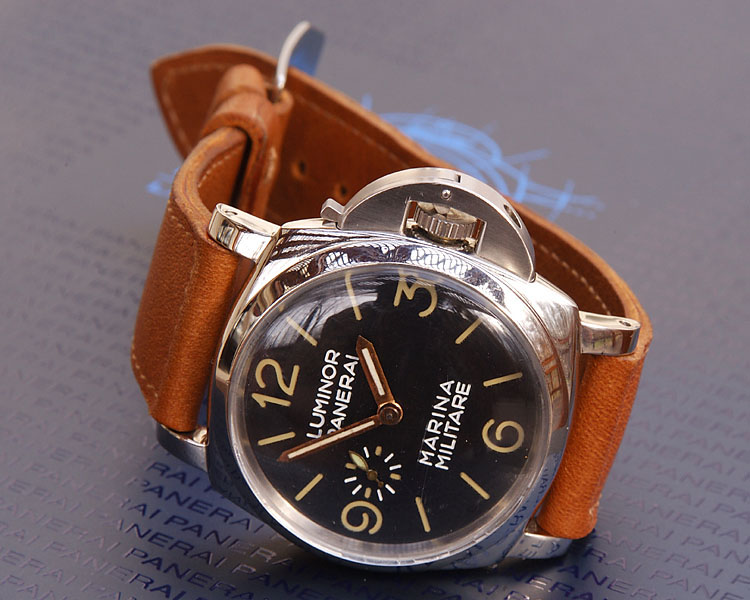
Panerai Luminor Marina Militaire
A Panerai Luminor Marina Militaire — the military-grade variant of the Luminor with crown-guard locking bridge, luminous hour markers, and rubber strap. The Marina Militaire designation reflects Panerai’s historical supply contracts with the Italian Navy.
Photo: Jay Pulli — Copyrighted Free Use — Wikimedia Commons

The California dial — Roman numerals in the upper half, Arabic numerals in the lower half, divided by a horizontal line — first appeared on the 1936 Panerai prototypes. Rolex, who produced the dials, subsequently patented the design in 1941 .

The term "California dial" entered collector vocabulary in the 1970s , named after California-based dial restorer Kirk Rich , who became known for refurbishing these dials. The name has no historical connection to the military watches themselves — it is entirely a collector designation.

In the modern Radiomir collection, the California dial appears in heritage-styled references such as the PAM00249 ("Radiomir 1936"). It is not a feature of the standard contemporary Radiomir line.


The Angelus Movement Era — Refs. 6152, 6154, 6152/1

By the early 1950s, Panerai had replaced the Cortébert/Rolex movement with the Angelus calibre — providing an 8-day power reserve that addressed the practical problem of having to wind the watch daily (a significant issue when the winding crown threads could be damaged by frequent salt-water exposure).

Ref. 6152 : ~24 examples. 47mm, Angelus 8-day movement. Features the first systematic application of the crown-protecting bridge (lever guard) — the device that would later define the Luminor case.

Ref. 6154 : ~36 examples. Contemporary with the 6152, with slight variations.

Ref. 6152/1 : ~500 examples across four sub-variants. The primary military production run using the Luminor-style crown guard. The Angelus Calibre 12.55 used in these watches: rhodium plated, 15 jewels, straight-line lever escapement, monometallic balance, shock absorber.

These references blur the line between the Radiomir and Luminor case traditions — they retain the cushion-case ancestry of the 3646 but introduce the crown guard that would define the Luminor. In modern Panerai's terminology, watches with wire lugs and no crown guard are Radiomir; watches with the lever bridge crown guard are Luminor.


Radiomir vs. Radiomir 1940

Panerai Radiomir wristwatch
A Panerai Radiomir — the cushion-cased dive watch derived from the 1936 prototype supplied to the Italian Navy. The wire lugs, large onion crown, and sandwich dial are characteristic of the original military specification.
Photo: Piero7 — Public Domain — Wikimedia Commons
The current Radiomir collection offers two distinct case lineages:

Radiomir : Inspired by the 1936–1938 prototypes . Thin wire lugs, large conical crown, rounded case corners, rounded bezel. The wire lug construction is the distinguishing visual element — the lugs are a separate component attached to the case, as on the originals.

Radiomir 1940 : Inspired by the circa 1940 military evolution . Solid integrated lugs machined from the same steel block as the case — no wire. Cylindrical winding crown, sharper case corners, flatter and wider bezel. A sportier, more purposeful aesthetic. This case style entered the civilian collection with reference PAM00572 .

The practical difference beyond aesthetics: wire lugs on the originals were a functional compromise (the simplest attachment method at the time). Integrated lugs are structurally stronger and more precise to machine; the Radiomir 1940 is therefore the more modern engineering interpretation of the same design vocabulary.


Current Radiomir Collection

The contemporary Radiomir line uses exclusively in-house Panerai movements.

Case sizes : 42mm and 45mm (47mm available in specific limited editions).

Movements:
- P.3000 : Hand-wound manual, 72-hour (3-day) power reserve, 21,600 vph, 21 jewels, 36.60mm diameter. Hours, minutes, small seconds. No date. The purist choice — no date complication, manual winding ritual.
- P.5000 : Hand-wound manual, 8-day (192-hour) power reserve, 21,600 vph, 21 jewels, 35.7mm diameter, 4.5mm thick, 127 parts. The 8-day reserve references the Angelus military calibres of the 6152 era — a connection to the operational requirement that drove the original specification.

Both movements use two spring barrels in series to achieve their respective power reserves.


Frequently Asked Questions

What does "Radiomir" mean?
It is the name of the radioluminescent compound used on Panerai's military dials — a mixture of radium-226 and zinc sulfide, patented by Guido Panerai in France in 1916 for use on illuminated gun sights. The name derives from "radio" (relating to radium) and "mire" (Italian for sights).

What is the Ref. 3646?
The original Panerai military Radiomir, produced from 1938 through the early 1950s in approximately 1,000 examples. 47mm cushion case with wire lugs, Rolex/Cortébert Cal. 618 movement, 17 jewels. Produced in Type A through G variants with dial and caseback modifications.

What is the California dial?
A dial format with Roman numerals in the upper half and Arabic numerals in the lower half, divided by a horizontal line. It appeared on the 1936 Panerai prototypes. The "California" name is a 1970s collector designation from dial restorer Kirk Rich — it has no historical connection to the watches' military use.

What is the difference between Radiomir and Radiomir 1940?
The Radiomir uses wire lugs (separate components attached to the case), a conical crown, and rounded case corners — replicating the 1936–1938 original. The Radiomir 1940 uses solid integrated lugs machined from the same block as the case, a cylindrical crown, and sharper corners — replicating the circa-1940 military evolution.

What movements power the current Radiomir?
The P.3000 (hand-wound, 72-hour power reserve, 21,600 vph, 21 jewels) and P.5000 (hand-wound, 8-day power reserve, 21,600 vph, 21 jewels). Both are in-house Panerai calibres.


Related Articles

Recent Posts

By Zach Charles • October 10, 2026
Hamilton's American Classic Cushion Mechanical revives its 1926 Art Deco cushion watches, seen in Oppenheimer, in 30mm and 34mm with the new hand-wound…
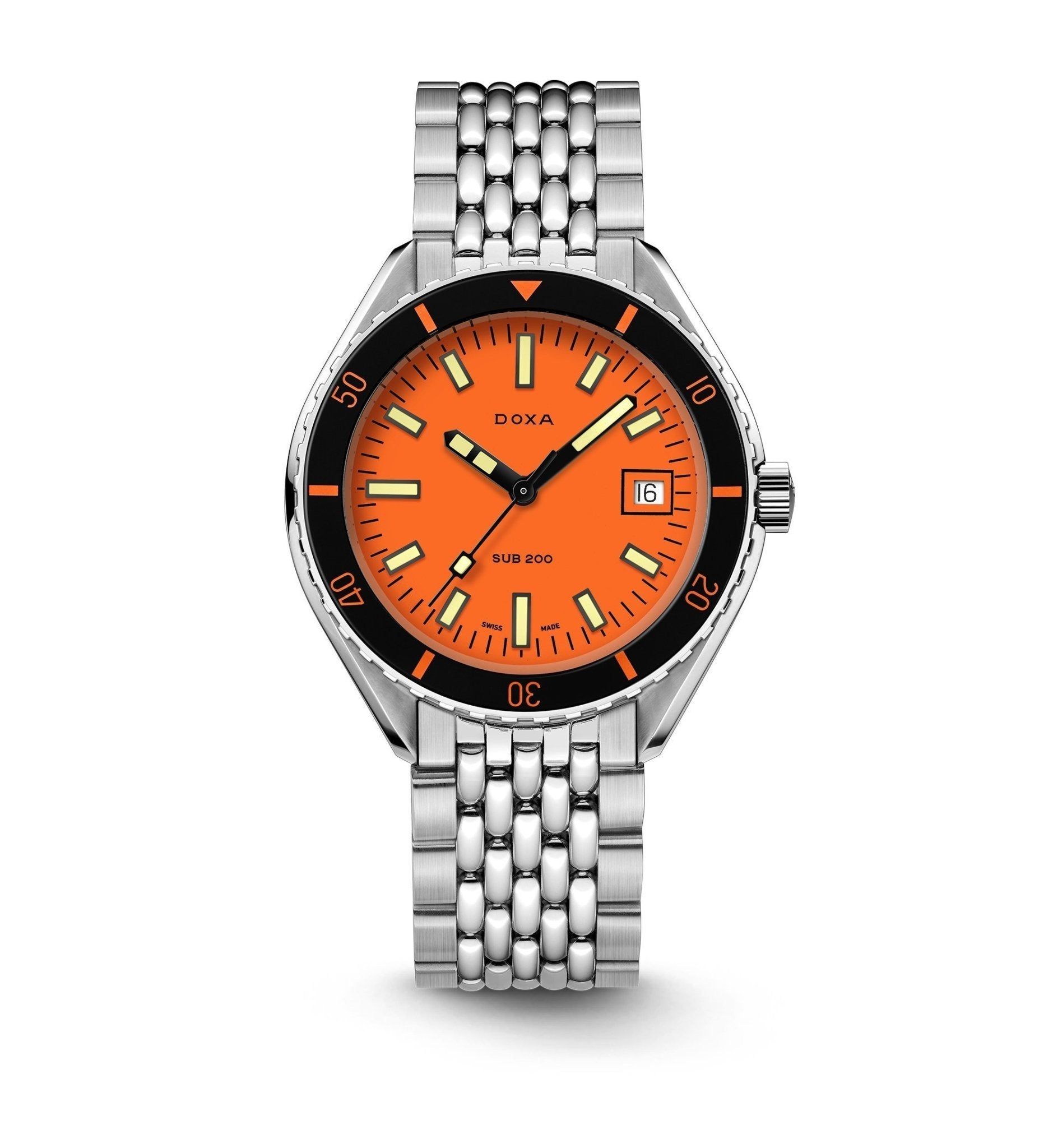
Doxa SUB 200: The Accessible Everyday Diver
By Zach Charles • October 10, 2026
Complete guide to the Doxa SUB 200 — 42mm, 200m, four colorways, Sellita SW200-1. The accessible entry to the Doxa SUB family with the full…
By Zach Charles • October 10, 2026
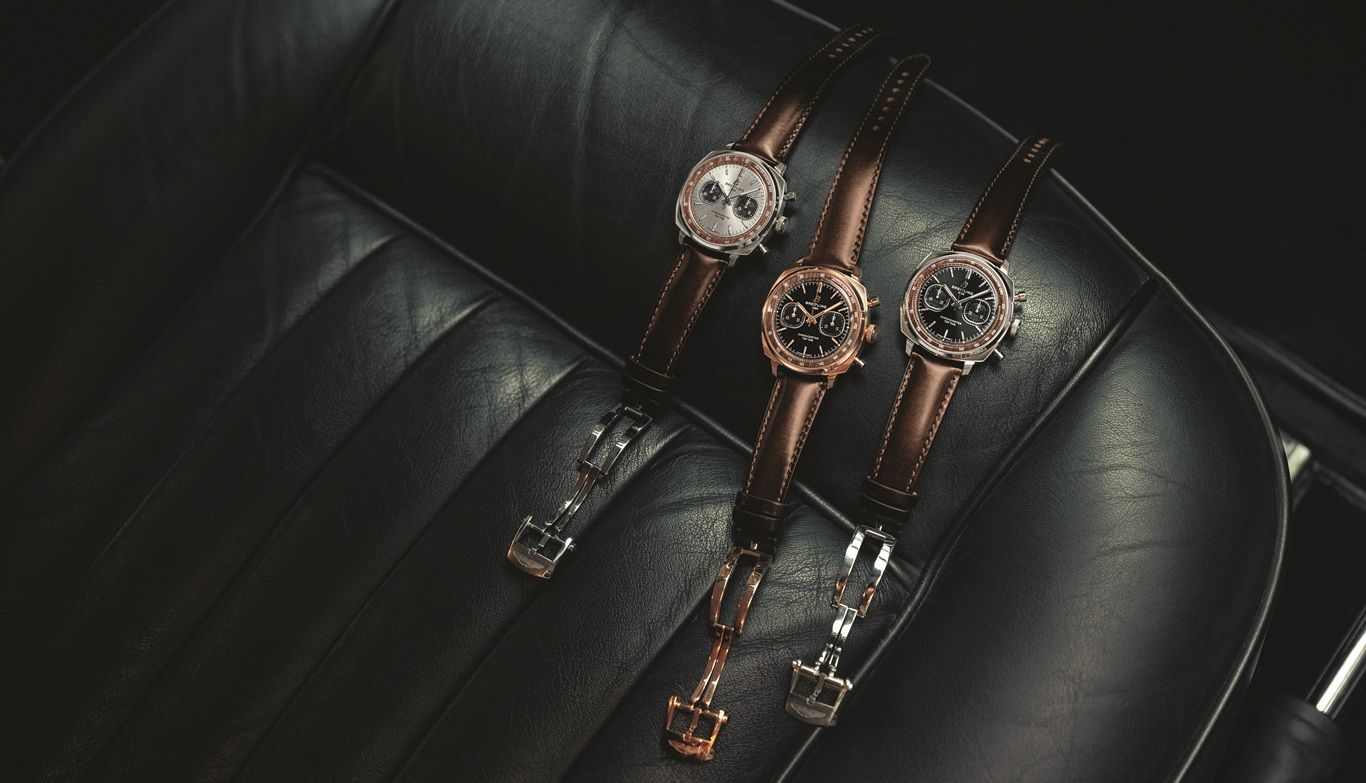
The Breitling Top Time B01 Aston Martin DB5 pairs a cushion-shaped 41mm case, a wooden inner ring and the in-house Caliber 01 across three limited…
By Zach Charles • October 10, 2026
TAG Heuer developed the Mikrograph (2011, 1/100th second), Mikrotimer Flying 1000 (2011, 1/1000th second), and Mikrogirder (2012, 1/2000th second).
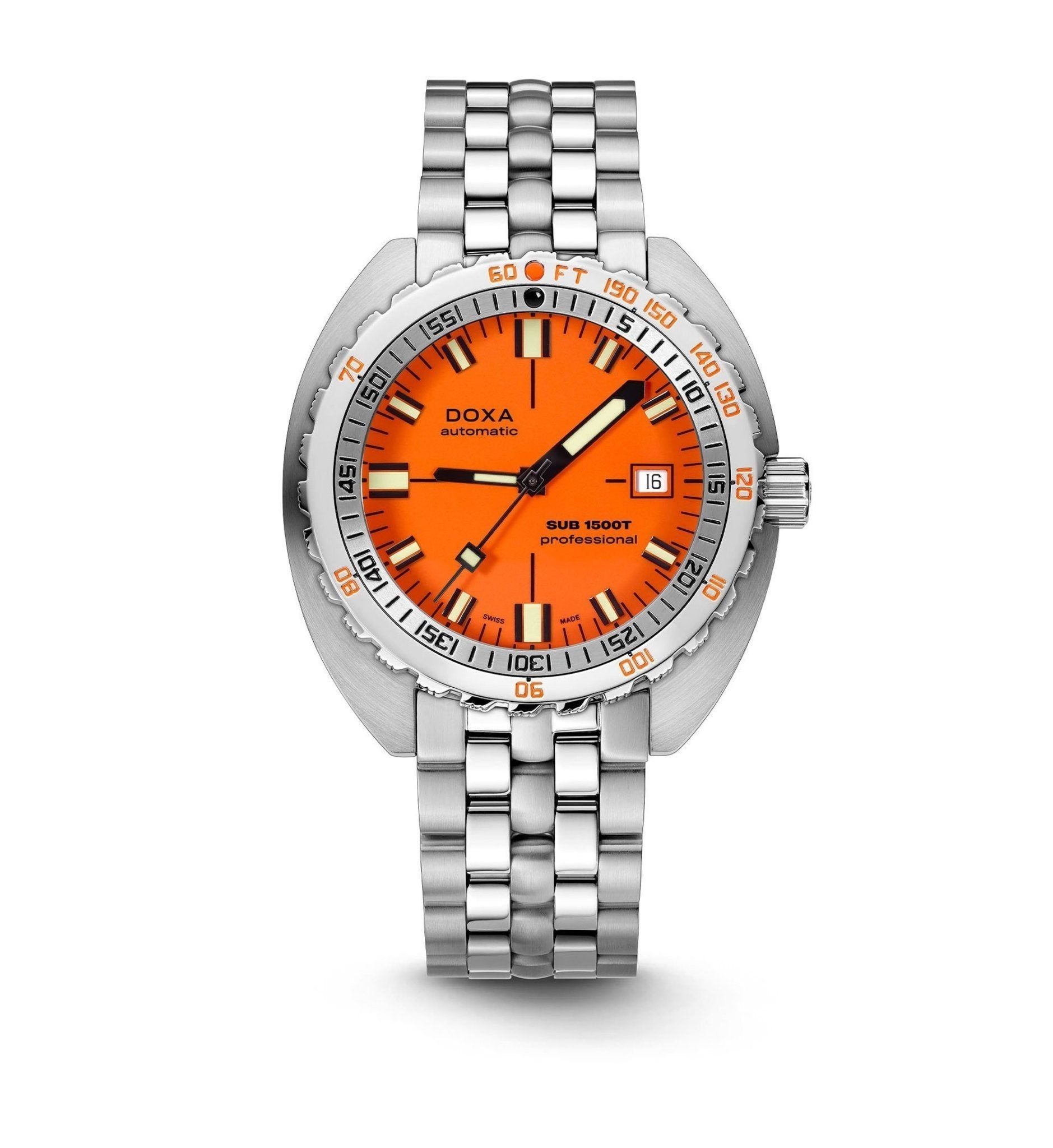
Doxa SUB 1500T: The 1,500-Metre Depth-Rating Flagship
By Zach Charles • October 10, 2026
Complete guide to the Doxa SUB 1500T — 45mm, 1,500m depth rating, helium escape valve, ETA 2892-2 movement, USD 2,690.
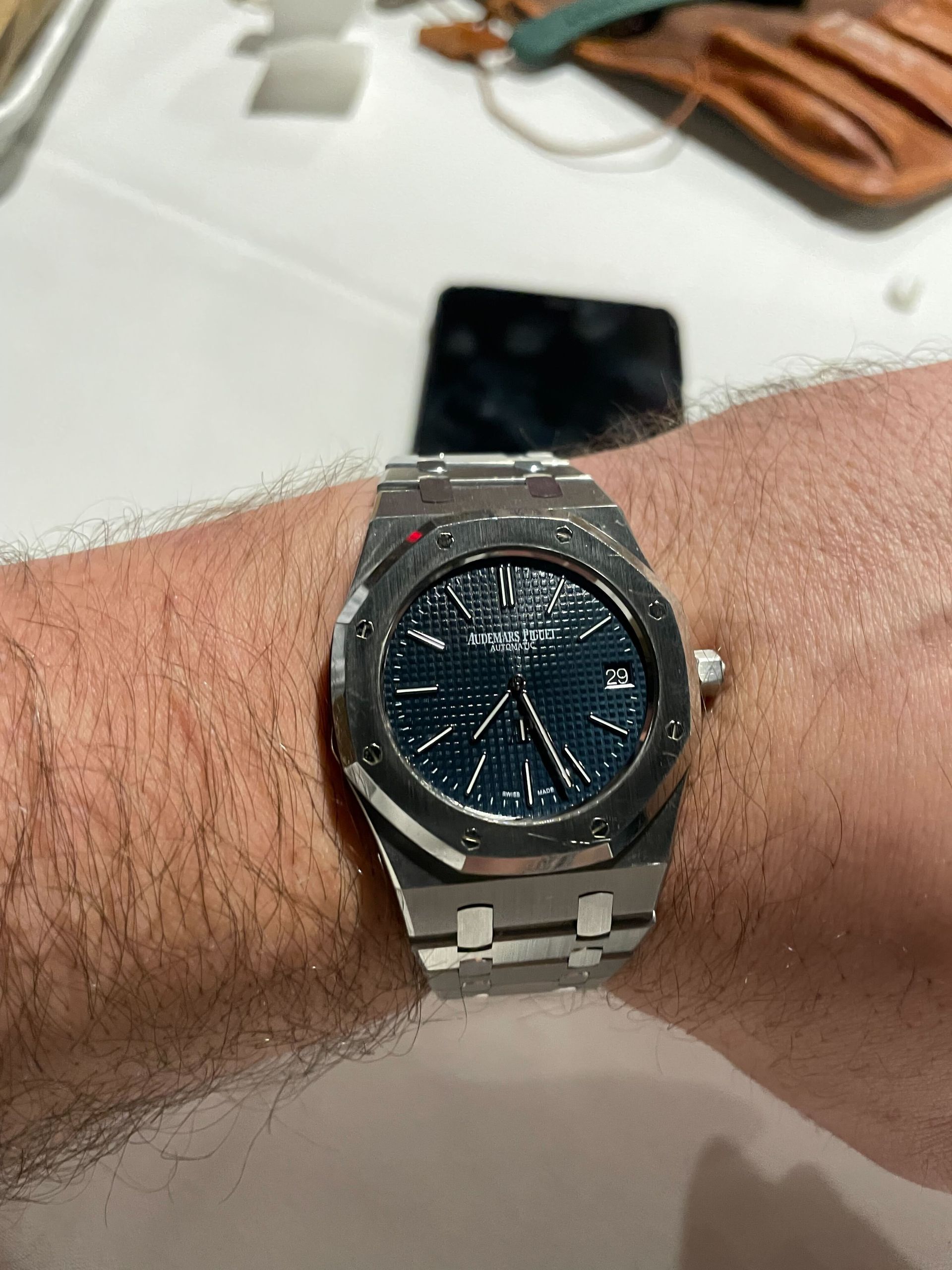
Audemars Piguet Royal Oak 'Jumbo' ref. 15202 with blue tapisserie dial and integrated steel bracelet
By Zach Charles • October 10, 2026
The Audemars Piguet × Swatch Royal Pop is a $400 bioceramic pocket watch in 8 colourways, powered by a new hand-wound SISTEM51 with 90+ hour power…

Time on the Move logo
By Zach Charles • October 10, 2026
Zach Charles is the editor of Time on the Move, an independent watch reference covering brand and model histories, buying guides and release news…
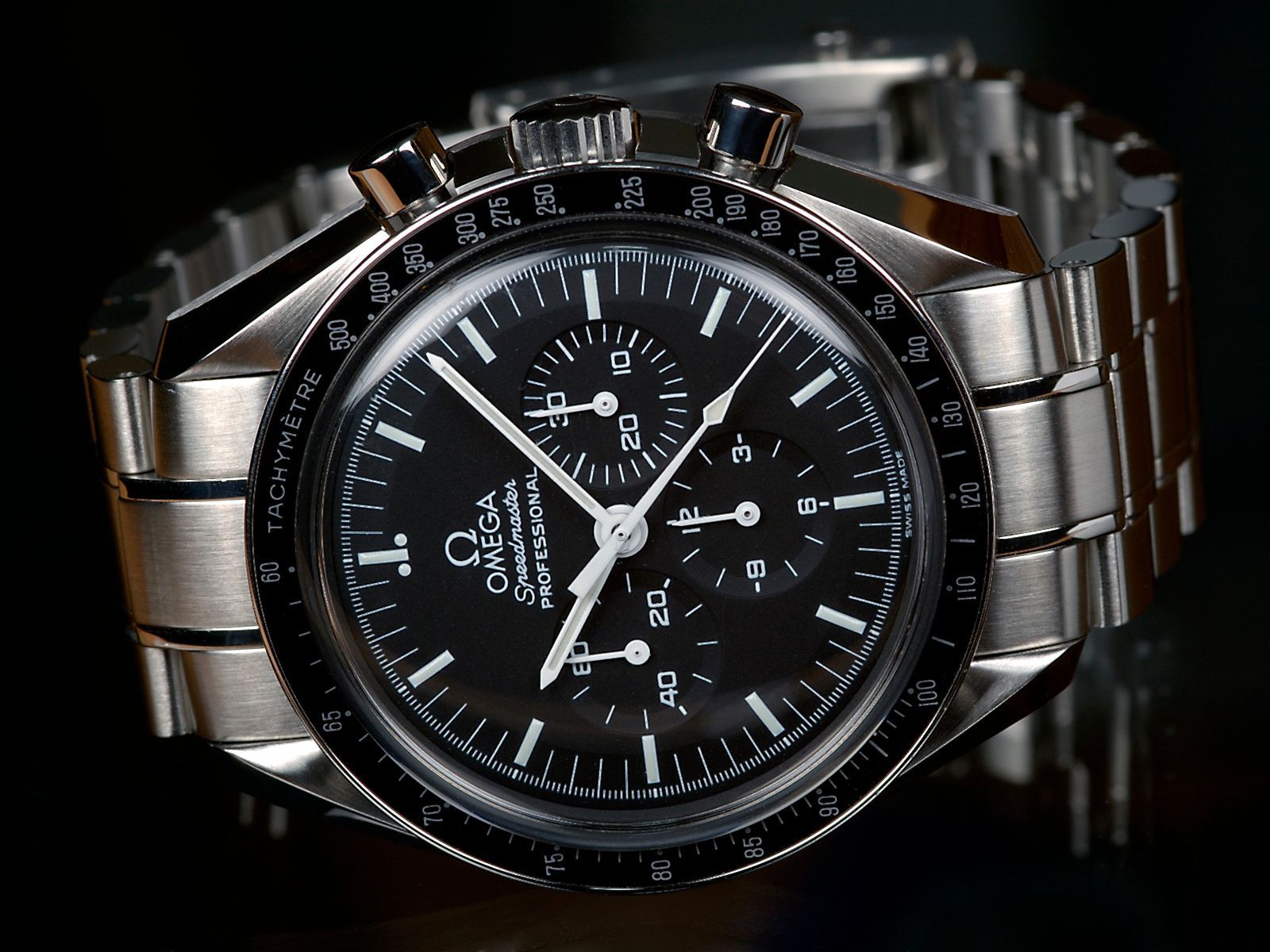
Omega Speedmaster Professional 'Moonwatch' chronograph, front view on steel bracelet
By Zach Charles • October 9, 2026
Find the best watches at every price point from $500 to $15,000 — new and pre-owned. Covers every budget tier with specific reference picks, brand…
By Zach Charles • October 9, 2026
The latest watch news: new releases, Watches and Wonders coverage, discontinuations, industry analysis, and market trends. Currently 1 article.
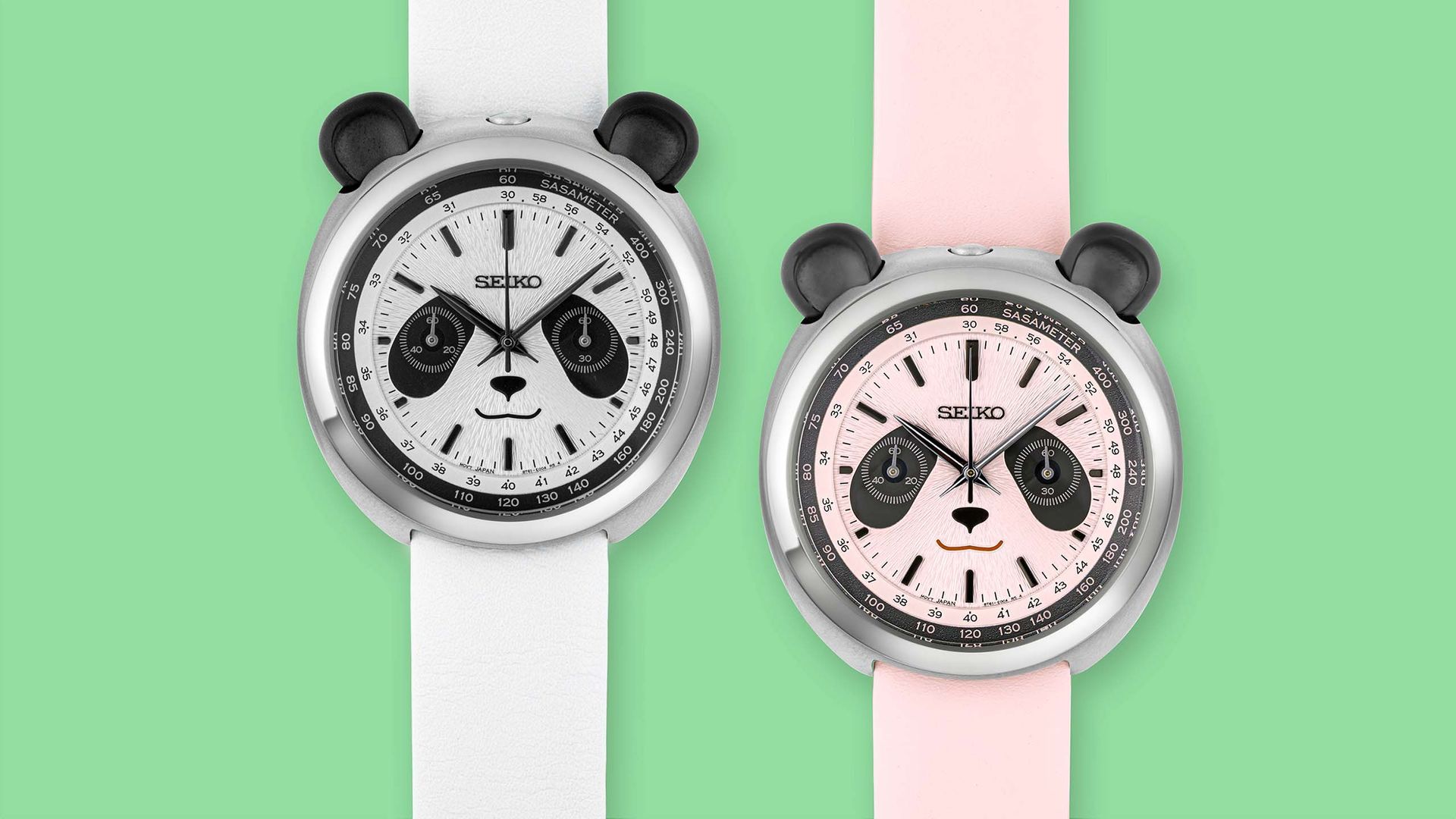
Seiko's New Panda Chronograph Is Literally a Panda: The Power Design Project HHK001 and HHK002
By Zach Charles • October 8, 2026
Seiko's Power Design Project panda chronograph (HHK001, HHK002) turns the panda dial into an actual panda face, with ear pushers, a 'Sasameter' and a 3D…
Show More