Jaeger-LeCoultre Polaris: From the 1959 Memovox Deep Sea to the 2018 Revival

Zach Charles • August 3, 2026

Share this article

Jaeger-LeCoultre Polaris: The Diving Alarm Watch

The Polaris was a solution to a specific engineering problem: how do you make an alarm loud enough to be heard underwater, through a diving suit, by a diver who may be concentrating on something else? The answer required engineering the caseback as a sound transmission system rather than merely a closure, and it required a movement that could function as both a precision timekeeper and a reliable alarm mechanism in an aquatic environment.

Jaeger-LeCoultre produced the original Polaris from 1965 to 1970 — 1,714 pieces in total. It was never a mainstream commercial product. For four decades it was primarily a collector's object, known to enthusiasts and largely absent from the broader market. The 2018 revival brought the Polaris name back as JLC's primary sports watch collection, replacing the Master Compressor line that had occupied that role since 2002.


Jaeger-LeCoultre Memovox model E855 with Calibre K825
A Jaeger-LeCoultre Memovox model E855 with the Calibre K825 — the first automatic wristwatch alarm movement (1956), with the date complication added circa 1959, establishing the Memovox as a technical milestone in the brand’s history.
Photo: Ghilt — CC BY-SA 3.0 — Wikimedia Commons

Foundation — The Memovox Deep Sea Alarm (1959)

Jaeger-LeCoultre Reverso — iconic art deco flip-case wristwatch
A Jaeger-LeCoultre Reverso — the pivoting rectangular case introduced in 1931 for polo players in British India, allowing the sapphire crystal to be protected by flipping to expose the plain metal back.
Photo: Tiberido — CC BY-SA 4.0 — Wikimedia Commons

The Polaris does not begin in 1965. It begins with the Memovox Deep Sea Alarm (reference E857) , introduced in 1959 as a direct predecessor.

The E857 was the first diving alarm watch: waterproof, equipped with JLC's alarm calibre, and rated to 200 metres — a significant water resistance rating for 1959. Approximately 1,000 pieces were produced. The E857 demonstrated that JLC's alarm mechanism could be made waterproof and that there was a market — albeit a limited one — for a watch that combined a diving instrument with an audible alarm function.

The challenge was acoustic: submersion muffles sound, and a neoprene diving suit further attenuates it. The alarm that was clearly audible in air became inadequate underwater.


The Original Polaris — Reference E859 (1965–1970)

Jaeger-LeCoultre Reverso, 2011 edition
A Jaeger-LeCoultre Reverso from 2011 — the modern interpretation of the 1931 original, retaining the swivelling rectangular case with updated movement and finishing.
Photo: Provo rossi — CC BY 4.0 — Wikimedia Commons

Reference E859 , produced from 1965 to 1970 , solved the sound transmission problem through caseback architecture. 1,714 pieces were produced across two versions.

Movement: Calibre K825
- Automatic with bumper winding system
- Alarm function with dedicated power barrel
- Date complication
- Approximately 45,000 K825 movements were produced over 10 years across all models using this calibre

Case: 42mm, stainless steel, 300 metres water resistance

The Triple Caseback:
The E859's defining engineering feature — three separate layers of caseback, each with a different function:

  1. Inner caseback (bronze): Selected for acoustic resonance. Bronze transmits sound efficiently; the inner caseback acts as a resonance chamber, amplifying the alarm's vibration into the surrounding water
  2. Middle caseback (watertight seal): The waterproofing layer — a conventional gasketed caseback preventing water ingress to the movement
  3. Outer caseback (perforated steel, 16 holes): Allows sound to exit the case while presenting an obstruction to the diving suit, preventing the suit from completely covering and muffling the caseback. The perforations transmit the alarm sound without admitting water to the inner layers

This architecture meant the alarm could be heard — or more precisely, felt as vibration through the wrist — in conditions where a standard single-caseback design would be inaudible.

Internal rotating bezel: The E859 added a third crown controlling an internal rotating bezel visible through the crystal — a dive timing bezel protected from accidental operation by its internal position.

Two production versions:
- 1965 version: Applied metal hour indices, dauphine hands
- 1968 version: Printed indices, bâton hands, updated perforated caseback geometry


Decades of Dormancy and Collector Status

LeCoultre & Co. share certificate, 1899
A LeCoultre & Co. share certificate from 1899 — documenting the company’s corporate structure at the height of its role as a movement supplier to the Swiss and international watch industry, decades before the formal merger with Edmond Jaeger.
Photo: LeCoultre & Co. — Public Domain — Wikimedia Commons

After production ended in 1970, the E859 Polaris became a collector piece without being a celebrated one — known to the community of JLC enthusiasts and to specialists in vintage dive watches, but not subject to the sustained market activity of the comparable Omega or Blancpain dive references.

The intervening years saw JLC's sports watch territory covered by the Master Compressor line (2002–c.2010s), designed by JLC's first female designer Magali Métraillet and named for its patented one-half-turn compressor crown that sealed the watch for enhanced water resistance. The Master Compressor served as JLC's sports identity through the 2000s and early 2010s.


Revival — SIHH 2018

Atmos clock prototype, Jaeger-LeCoultre — Gewerbemuseum, Nuremberg
An Atmos clock prototype by Jaeger-LeCoultre from the Karl Gebhardt Horological Collection at the Gewerbemuseum, Nuremberg — the Atmos requires no winding, drawing energy solely from ambient temperature fluctuations of as little as 1°C.
Photo: Daderot — CC0 1.0 Universal — Wikimedia Commons

JLC unveiled the revived Polaris collection at SIHH Geneva in January 2018 , with five references launching simultaneously. The design references the 1968 version of the E859 directly: the round case, the internal bezel, the three-crown layout (hours/minutes/date, alarm, bezel), and the perforated caseback are all recalled in the contemporary execution.

Five 2018 launch references:

Polaris Automatic: Calibre 898/1 (in-house, automatic), 41mm, 100m water resistance. The entry-level Polaris.

Polaris Date: 42mm, date complication, automatic.

Polaris Chronograph: Calibre 751 (column-wheel chronograph), 42mm. JLC's in-house column-wheel movement in a sports case.

Polaris Chronograph World Time: 44mm, under 13mm thick. Combines the chronograph with a world time display — a practical complication for international use.

Polaris Memovox: Calibre 956 (automatic alarm, a contemporary descendant of the K815/K825 family that powered the original), 42mm, 200m water resistance . The direct spiritual successor to the E859 — the current alarm dive watch.

Current Polaris Mariner (introduced subsequently): 300m water resistance, the highest-rated current Polaris, returning to the E859's depth rating.


The Alarm in Context

Casa Fagliano leather strap on a Jaeger-LeCoultre Reverso
A Casa Fagliano leather strap on a Jaeger-LeCoultre Reverso — the Argentine leather atelier has supplied straps for the Reverso since 1931, a partnership that reflects the watch’s original connection to the polo circuit.
Photo: Provo rossi — CC BY-SA 4.0 — Wikimedia Commons
The alarm complication is unusual in contemporary watchmaking — most manufactures produce none, and those that do typically position the alarm as a heritage complication rather than a practical tool. JLC is the exception: the alarm is a continuous thread in the manufacture's history from the first Memovox in 1951 through the E859 Polaris to the 2018 Polaris Memovox. The alarm is treated as a legitimate complication with technical content, not merely a marketing point.

The alarm mechanism uses a dedicated mainspring barrel separate from the timekeeping barrel — ensuring that activating the alarm does not degrade the power reserve available to the timekeeping function. This dual-barrel approach, introduced with the first Memovox in the 1950s, remains the architectural basis of the Calibre 956.


Collector Position

Original E859 Polaris references have appreciated substantially since the 2018 revival drew attention to the model. The 1965 and 1968 versions trade at premiums reflecting their 1,714-piece total production and the quality of their engineering. Complete examples with original condition crowns and caseback retain the highest values.

The modern Polaris collection trades near retail in most configurations. The Polaris Memovox attracts the strongest secondary market interest as the direct alarm-watch descendant and the reference most directly connected to the E859's identity.


Frequently Asked Questions

What is the original JLC Polaris?
Reference E859, produced 1965–1970, 1,714 pieces. A 42mm stainless steel diving alarm watch rated to 300m, powered by Calibre K825 (automatic with alarm and date). Defined by its triple caseback architecture — bronze inner layer for resonance, watertight middle seal, perforated outer layer for sound transmission — designed to make the alarm audible underwater.

What is the Polaris triple caseback?
Three separate caseback layers: (1) bronze inner caseback for acoustic resonance, amplifying alarm vibration; (2) watertight gasketed seal for water resistance; (3) perforated outer caseback with 16 holes, allowing sound to exit while preventing the diving suit from completely muffling it.

When was the Polaris revived?
SIHH Geneva, January 2018. Five references launched simultaneously: Polaris Automatic, Polaris Date, Polaris Chronograph, Polaris Chronograph World Time, and Polaris Memovox. The Polaris collection replaced the Master Compressor as JLC's primary sports watch line.

What movement does the current Polaris Memovox use?
Calibre 956 — an in-house automatic alarm movement, a contemporary descendant of the K815/K825 family that powered the original 1965 Polaris. The Polaris Memovox is rated to 200m water resistance.

What preceded the Polaris?
The Memovox Deep Sea Alarm (reference E857, 1959), the first diving alarm watch — which the E859 Polaris evolved from — and the Master Compressor line (2002–c.2010s), which was JLC's sports watch line until the Polaris revival.


Related Articles

Recent Posts

By Zach Charles • October 10, 2026
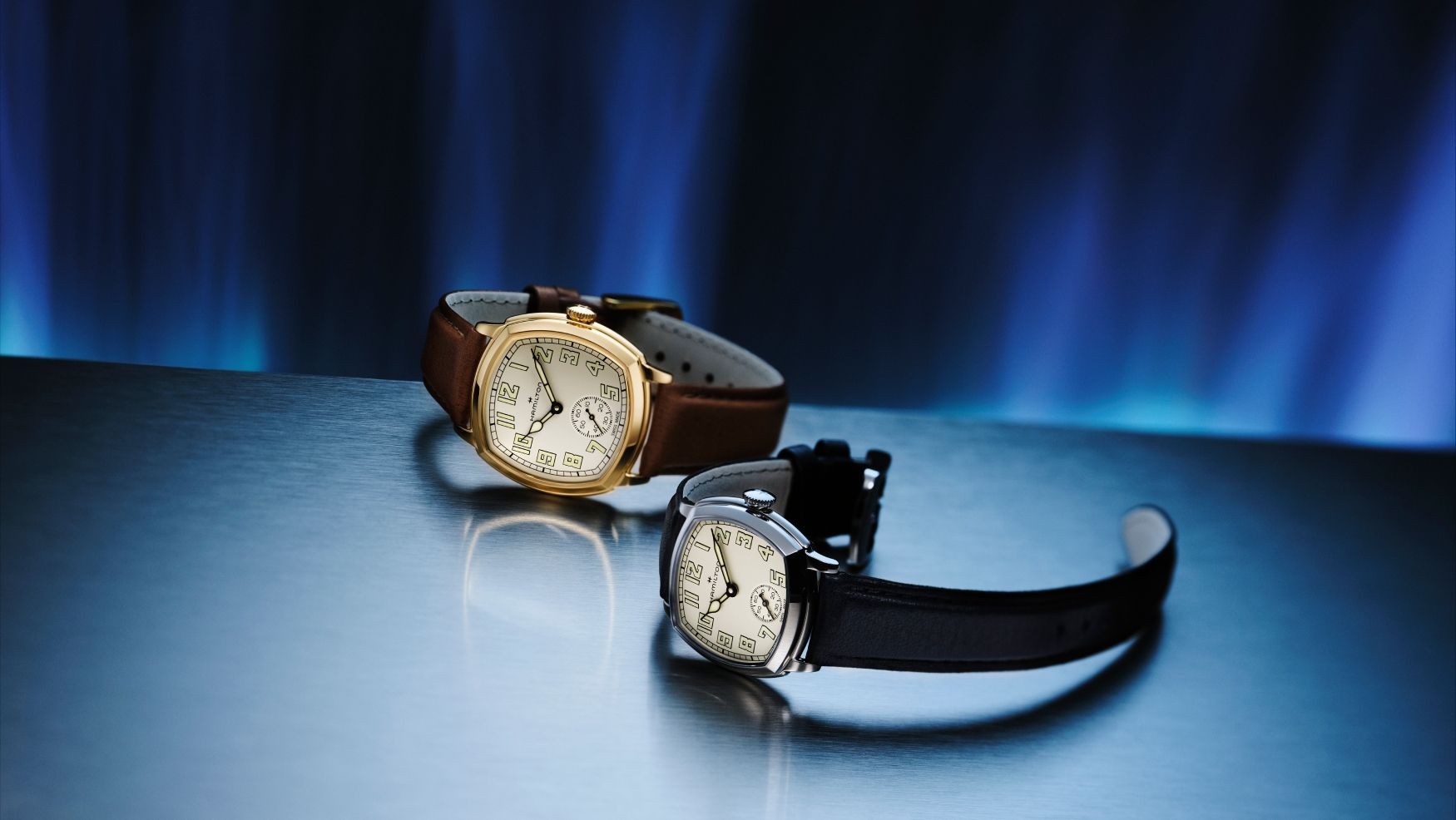
Hamilton's American Classic Cushion Mechanical revives its 1926 Art Deco cushion watches, seen in Oppenheimer, in 30mm and 34mm with the new hand-wound…
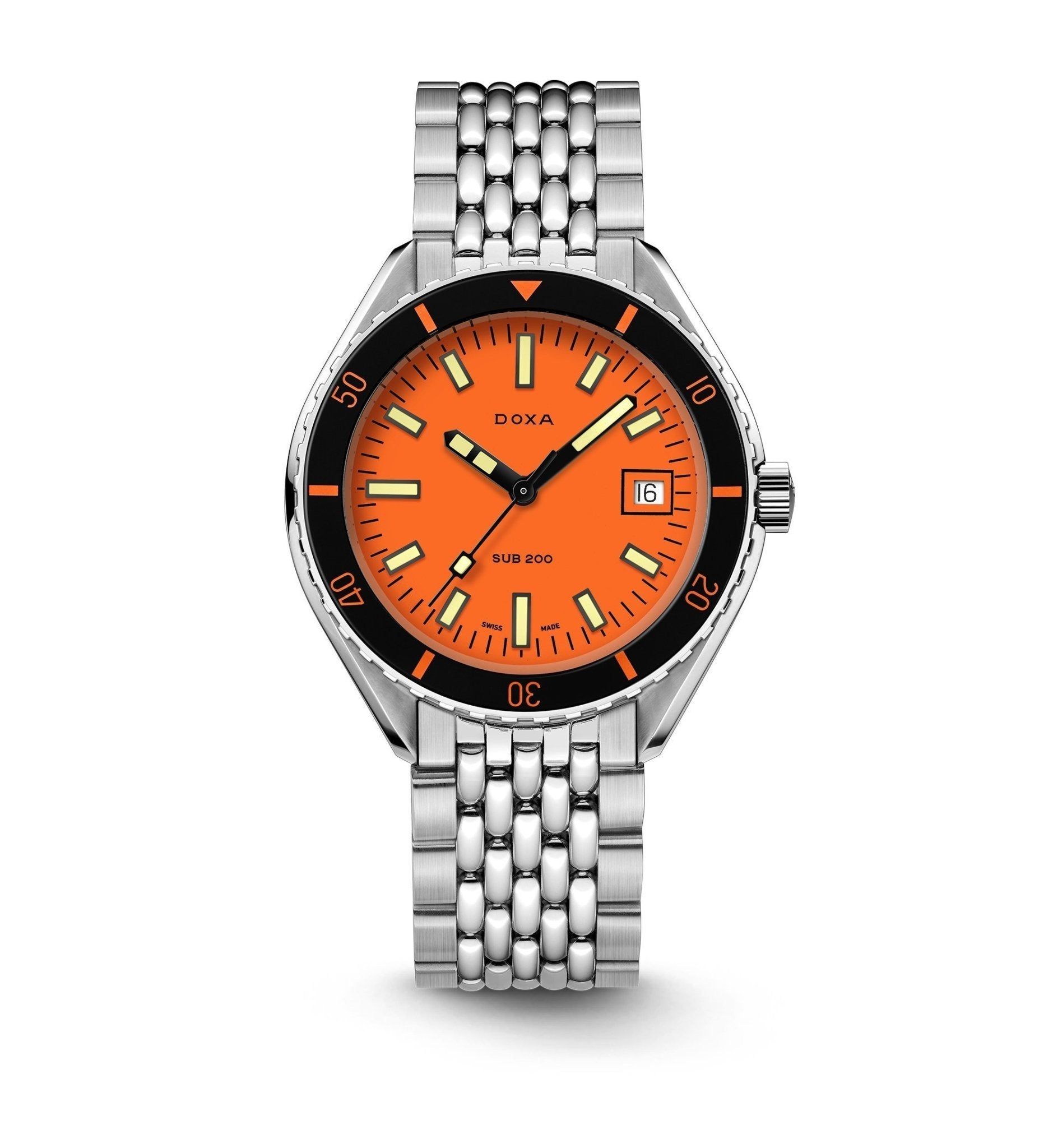
Doxa SUB 200: The Accessible Everyday Diver
By Zach Charles • October 10, 2026
Complete guide to the Doxa SUB 200 — 42mm, 200m, four colorways, Sellita SW200-1. The accessible entry to the Doxa SUB family with the full…
By Zach Charles • October 10, 2026
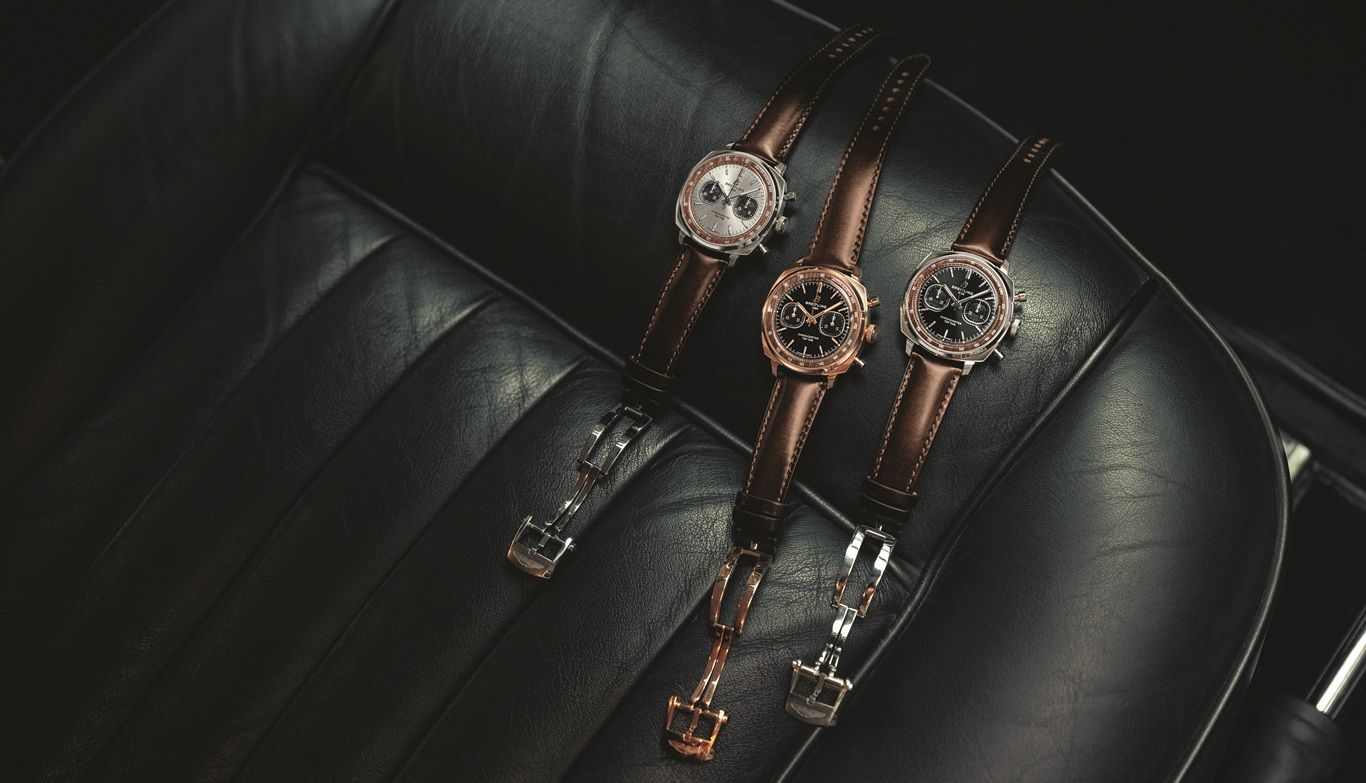
The Breitling Top Time B01 Aston Martin DB5 pairs a cushion-shaped 41mm case, a wooden inner ring and the in-house Caliber 01 across three limited…
By Zach Charles • October 10, 2026
TAG Heuer developed the Mikrograph (2011, 1/100th second), Mikrotimer Flying 1000 (2011, 1/1000th second), and Mikrogirder (2012, 1/2000th second).
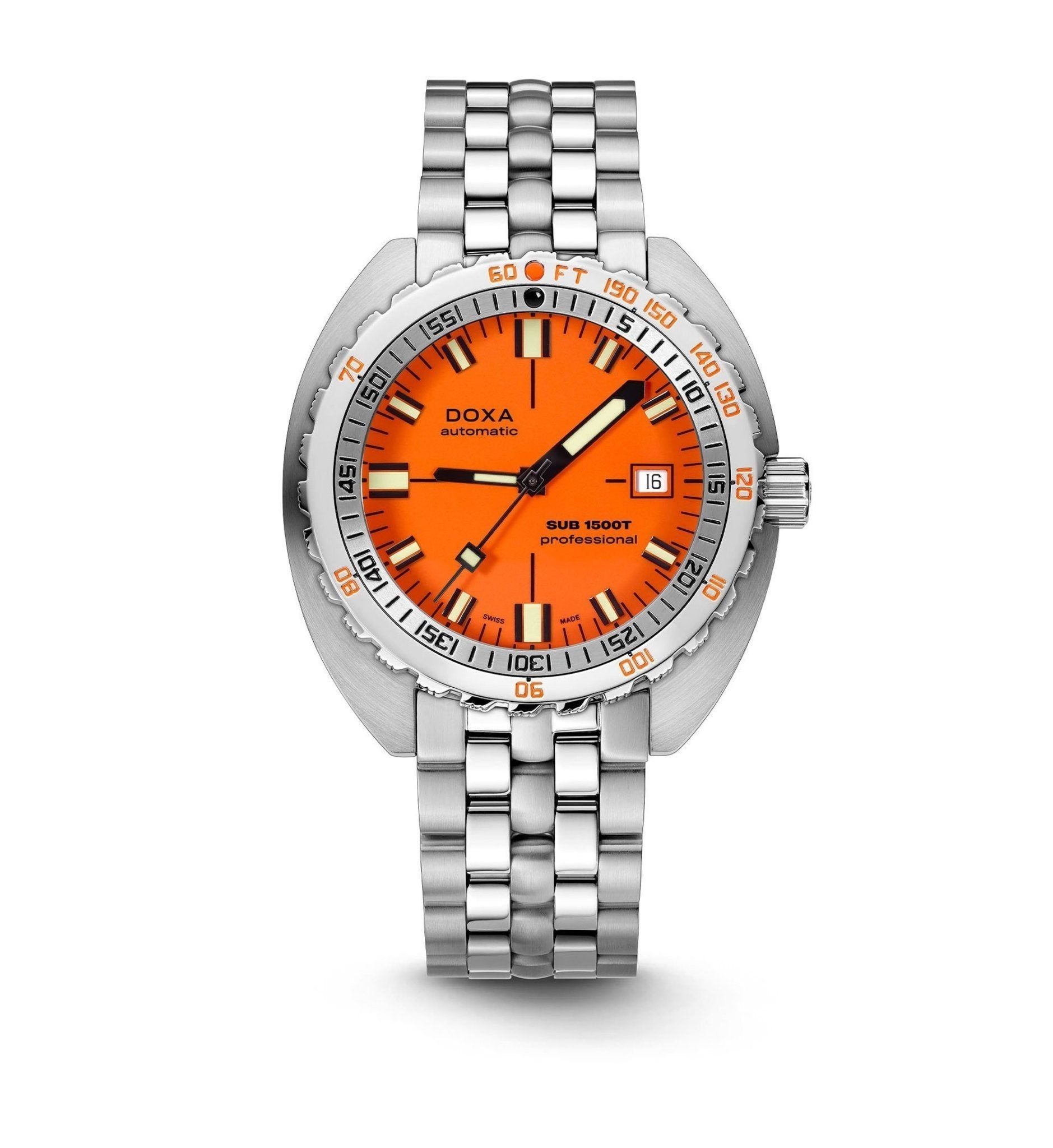
Doxa SUB 1500T: The 1,500-Metre Depth-Rating Flagship
By Zach Charles • October 10, 2026
Complete guide to the Doxa SUB 1500T — 45mm, 1,500m depth rating, helium escape valve, ETA 2892-2 movement, USD 2,690.
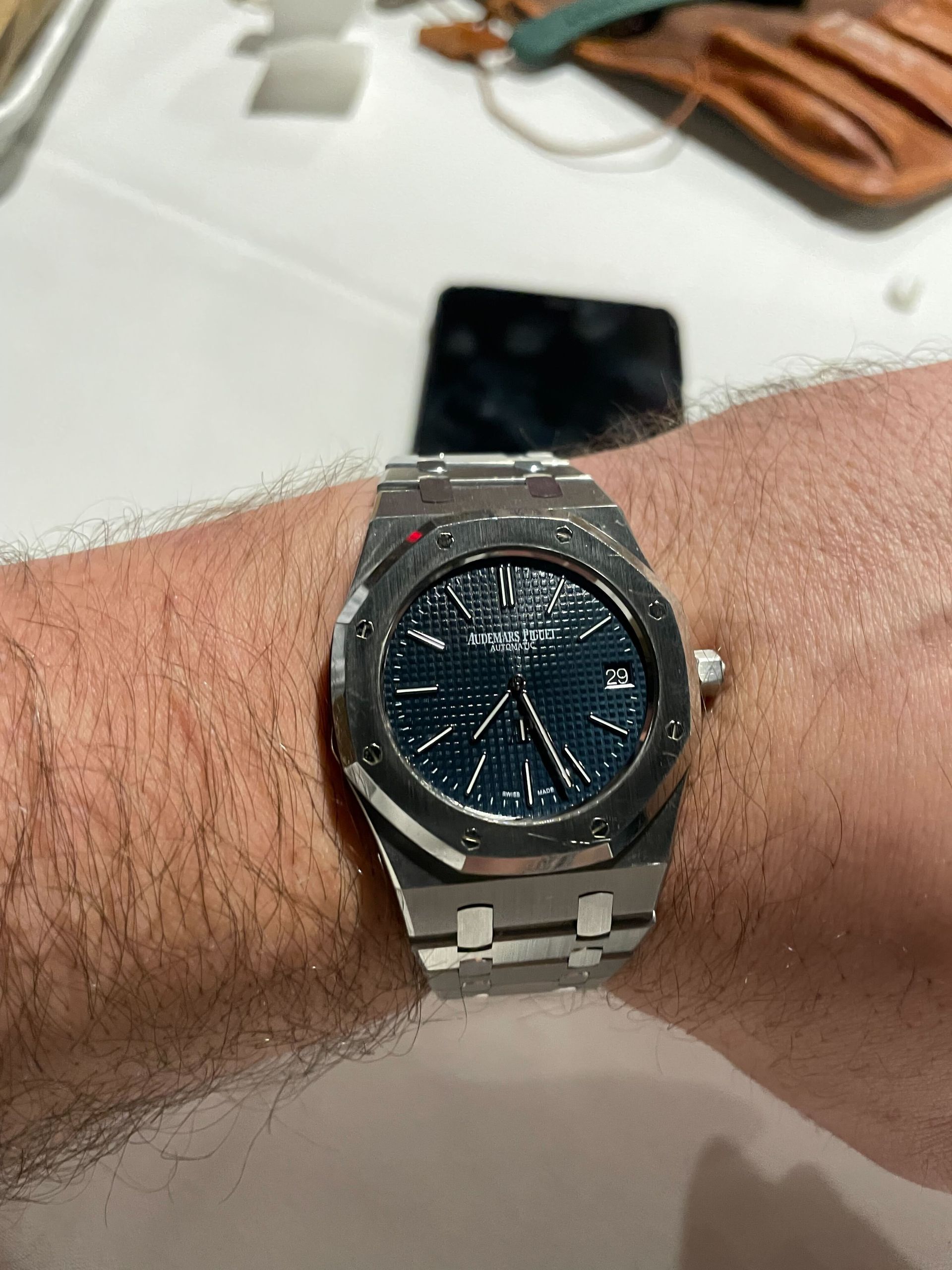
Audemars Piguet Royal Oak 'Jumbo' ref. 15202 with blue tapisserie dial and integrated steel bracelet
By Zach Charles • October 10, 2026
The Audemars Piguet × Swatch Royal Pop is a $400 bioceramic pocket watch in 8 colourways, powered by a new hand-wound SISTEM51 with 90+ hour power…

Time on the Move logo
By Zach Charles • October 10, 2026
Zach Charles is the editor of Time on the Move, an independent watch reference covering brand and model histories, buying guides and release news…
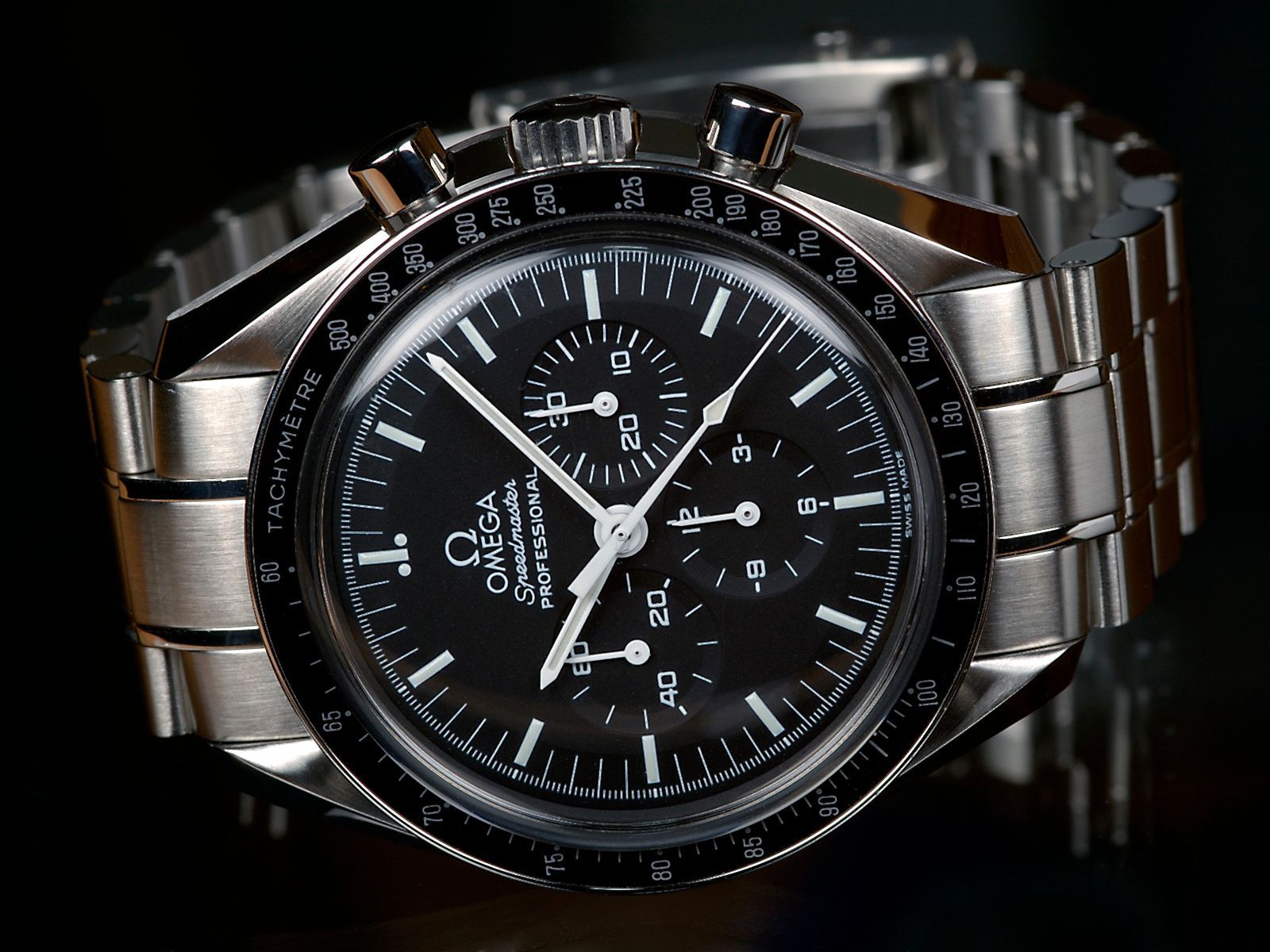
Omega Speedmaster Professional 'Moonwatch' chronograph, front view on steel bracelet
By Zach Charles • October 9, 2026
Find the best watches at every price point from $500 to $15,000 — new and pre-owned. Covers every budget tier with specific reference picks, brand…
By Zach Charles • October 9, 2026
The latest watch news: new releases, Watches and Wonders coverage, discontinuations, industry analysis, and market trends. Currently 1 article.
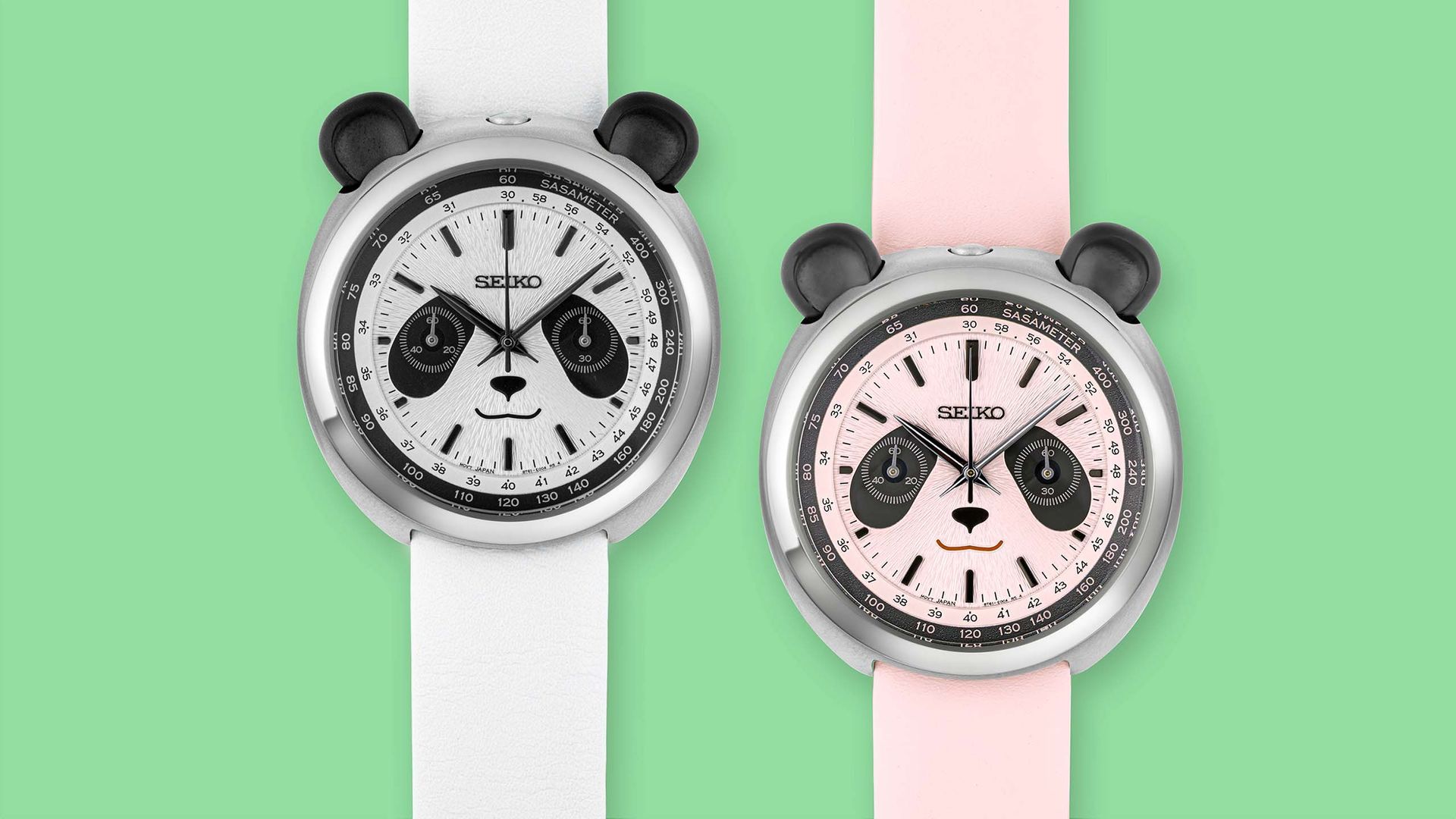
Seiko's New Panda Chronograph Is Literally a Panda: The Power Design Project HHK001 and HHK002
By Zach Charles • October 8, 2026
Seiko's Power Design Project panda chronograph (HHK001, HHK002) turns the panda dial into an actual panda face, with ear pushers, a 'Sasameter' and a 3D…
Show More