
IWC Portofino: History of the Swiss Dress Watch

Zach Charles • July 13, 2026

Share this article

IWC Portofino: History of the Swiss Dress Watch

IWC Schaffhausen is not primarily known as a maker of dress watches. The brand's identity is built on instrument watches — the Pilot's Watch family, the Portugieser, the Ingenieur's anti-magnetic brief, the Aquatimer's dive specification. In a landscape of Swiss manufacturers who position themselves by technical seriousness, IWC is among the most consistently rigorous in maintaining functional justification for its design choices.

The Portofino exists in deliberate counterpoint to all of this. Named for a small Italian fishing village on the Ligurian coast — a place of considerable natural beauty and considerable money, without a specifically horological connection — the Portofino was conceived in 1984 by Hannes Pantli, who was then IWC's head of design and marketing, as a watch that needed no functional justification beyond looking right on the wrist of someone at a dinner table. It is IWC's dress watch. It does not apologise for being a dress watch.


IWC Portofino with date, ref. IW359201
An IWC Portofino with date complication, reference IW359201 — illustrating Hannes Pantli’s 1984 design brief: round case, clean dial with minimal furniture, leather strap, and no functional heritage claim beyond formal elegance and IWC build quality. The Portofino has maintained this language consistently across four decades of production.
Photo: EMore98 — CC BY-SA 4.0 — Wikimedia Commons

1984 — The Portofino's Creation

Hannes Pantli joined IWC in the early 1980s and brought a design sensibility distinct from the instrument watch tradition that dominated the catalogue. His instinct was that IWC needed a formal reference — a watch for occasions where the Pilot's Watch's tool aesthetic and the Portugieser's scholarly large-dial character were both wrong registers.

The brief Pantli pursued was simple: a round case, clean dial, leather strap, elegant proportions. No aviation reference, no anti-magnetic inner case, no diver's bezel. A watch that announced nothing except the wearer's taste and IWC's technical quality.

The name Portofino was Pantli's choice — a reference to the Mediterranean village that represented, in the aspirational geography of European luxury, a certain quality of understated elegance. Portofino has no specific connection to watchmaking; it is famous for its harbour, its pastel buildings, the yachts anchored offshore. The name did exactly what Pantli intended: it placed the watch in an Italian coastal, European refined, sunlit context entirely different from the RAF cockpits and Schaffhausen factory floors that the rest of the catalogue referenced.


The Giant Portofino — Ref. 5251

IWC Da Vinci chronograph perpetual calendar, ref. 3750
The IWC Da Vinci chronograph perpetual calendar reference 3750 — housing Kurt Klaus’s landmark 81-component perpetual calendar module, introduced 1985. Settable entirely by the crown without tools, the module correctly accounts for all month lengths and leap years and requires no adjustment until 1 March 2100.
Photo: EMore98 — CC BY-SA 4.0 — Wikimedia Commons
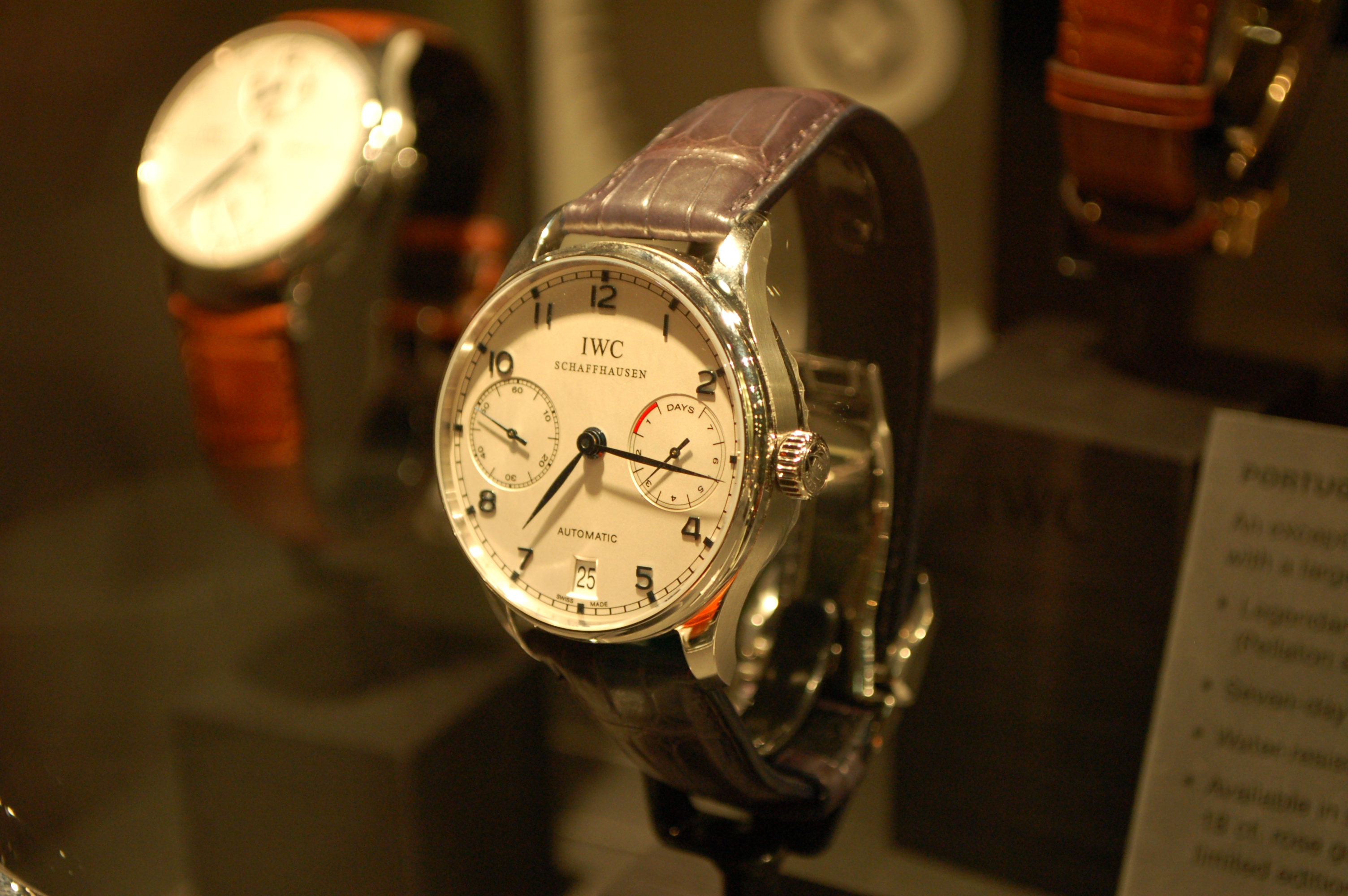
The first Portofino reference is remembered primarily by specialists: ref. 5251, a 46mm watch produced in very limited numbers. The "Giant Portofino," as it is known in collector circles, was a deliberate statement of scale — the large case demonstrating that a dress watch could occupy space without heaviness, that the Portofino's thin case profile and clean dial design would absorb size without losing elegance.

Ref. 5251 is not easily found today. Its production was minimal, and examples in good condition are uncommon. It represents the beginning of the Portofino's design language and, like the ref. 325 Portugieser in IWC's history, demonstrates that the brand's first expressions of new directions have often been more radical in scale than their successors.


The Portofino Family Develops

IWC Portofino with date, ref. IW359201
An IWC Portofino with date complication, reference IW359201 — illustrating Hannes Pantli’s 1984 design brief: round case, clean dial with minimal furniture, leather strap, and no functional heritage claim beyond formal elegance and IWC build quality. The Portofino has maintained this language consistently across four decades of production.
Photo: EMore98 — CC BY-SA 4.0 — Wikimedia Commons
Following the initial ref. 5251, the Portofino settled into a more conventionally wearable size range — 36mm through 42mm — and developed into a family with multiple reference types.

The Core Three-Hand Reference:
The backbone of the collection. A round case, clean dial with Roman or Arabic numerals depending on generation, thin baton or leaf hands, and a movement quality appropriate to the brand. The three-hand Portofino at 40mm is the most direct statement of Pantli's original brief: a watch that makes no claim beyond formal elegance and IWC build quality.

The Hand-Wound Heritage Reference:
A manually wound variant that appeals to the specific collector preference for the feel of winding a watch — the progressive resistance of the crown, the tactile engagement with the mechanism. Manual-wind dress watches are less convenient than automatics but carry an aesthetic discipline that purists value: no rotor mass to add thickness, no compromise in movement layout for the automatic mechanism.

The Portofino Automatic:
The commercially dominant reference. IWC movements of the 30xxx and 35xxx series have powered successive generations. Clean, reliable, appropriate power reserves.

The Portofino Perpetual Calendar (Ref. 3541):
The Portofino family's complication landmark. The perpetual calendar mechanism — the tradition running from Kurt Klaus's Da Vinci perpetual of 1985 — in the Portofino's formal case. Ref. 3541 is considered a collector gem: the perpetual calendar's day, date, month, and moon phase displays are accommodated on the Portofino's clean dial without the visual confusion that afflicts crowded complication dials, and the result is among the most legible perpetual calendar references in IWC's history.


The Portofino Among Dress Watches

IWC Portugieser Automatic chronograph
An IWC Portugieser Automatic chronograph — photographed at the Athina Fair 2009. The large-dial format, clean bicompax layout, and applied baton indices illustrate the Portugieser’s combination of pocket-watch-calibre precision heritage and understated formal elegance, rooted in the 1939 commission for wristwatch-housed pocket watch movements.
Photo: Ferengi — CC BY-SA 3.0 — Wikimedia Commons

The Portofino occupies a specific position in the landscape of dress watches from serious Swiss manufacturers. Understanding where it sits requires an honest comparison with its natural peers.

Against the Jaeger-LeCoultre Master Control: Both brands are within the Richemont group. Both produce serious quality in the dress watch category. The Master Control is more technically focused — chronometer certification, in-house manufacture calibres across the range — and carries the JLC complication heritage. The Portofino is less insistent on technical credentials and more consistently elegant in its design language.

Against the Omega De Ville: The De Ville offers strong movement quality (co-axial escapement, master chronometer certification) at prices generally below IWC. The Portofino does not submit to COSC or Master Chronometer testing but applies IWC's own standard. The De Ville's movement credentials are more formally certified; the Portofino's design is more quietly authoritative.

Against the Vacheron Constantin Traditionnelle: Vacheron is in a higher price tier and applies the Geneva Seal, a stricter quality standard. The Traditionnelle is the reference that a buyer who has outgrown the Portofino reaches for — they share aesthetic DNA without sharing price level.

The Portofino's honest position: it is not the most technically credentialed dress watch in its price range, and it does not claim to be. It is an exceptionally well-designed watch at a price point where IWC's brand reputation and build quality are genuine differentiators.


What the Portofino Does Right

IWC Portofino with date, ref. IW359201
An IWC Portofino with date complication, reference IW359201 — illustrating Hannes Pantli’s 1984 design brief: round case, clean dial with minimal furniture, leather strap, and no functional heritage claim beyond formal elegance and IWC build quality. The Portofino has maintained this language consistently across four decades of production.
Photo: EMore98 — CC BY-SA 4.0 — Wikimedia Commons

The Portofino's design consistency across forty years of production is its most underappreciated quality. Fashion in watch design has moved repeatedly since 1984: the late 1990s favoured sportier references; the 2000s explored aggressive case geometries; the 2010s cycled between over-sized and vintage-proportioned. The Portofino has not chased any of these movements. The round case, clean dial, leather strap, and formal register have remained constant.

This consistency is commercially risky — it requires resisting the temptation to respond to fashion cycles that might temporarily boost sales — and aesthetically valuable. A Portofino purchased in 1995 and a Portofino purchased in 2025 are recognisably the same watch in design intent, and neither looks dated relative to the other. That durability of design is not accidental. It is the result of a brief that Pantli established in 1984 and that IWC has maintained with unusual discipline.


Frequently Asked Questions

What is the Portofino named after?
The IWC Portofino is named after Portofino, a small fishing village on the Ligurian coast of Italy. The name was chosen by IWC's head of design and marketing Hannes Pantli in 1984 to evoke Mediterranean elegance — the watch has no functional connection to Portofino itself.

When was the Portofino launched?
1984. Hannes Pantli conceived and launched the Portofino as IWC's formal dress watch reference, positioned to serve occasions where the Pilot's Watch and Portugieser's functional aesthetics were the wrong register.

What is the Portofino Perpetual Calendar?
The Portofino Perpetual Calendar (most significantly ref. 3541) houses IWC's perpetual calendar mechanism — the tradition established by Kurt Klaus's 1985 Da Vinci module — in the Portofino's formal case. It displays day, date, month, and moon phase, automatically accounting for varying month lengths and leap years. Ref. 3541 is considered a collector gem for its combination of complication quality and clean dial design.

How does the Portofino compare to the Portugieser?
Both are formal IWC references, but their character differs markedly. The Portugieser (43mm+, large-dial, high-legibility) has documented technical heritage — the pocket watch calibre commission of 1939 — and a scholarly, instrument-derived aesthetic. The Portofino (36–42mm, thinner case, more classically proportioned) has no technical heritage claim; it is a pure dress watch, elegant without functional justification. The Portugieser is for a dinner where watches are discussed; the Portofino is for a dinner where the watch should simply look right.

Does the Portofino use in-house movements?
Currently, some Portofino references use IWC manufacture calibres and others use third-party base movements. IWC's in-house rollout has prioritised the Pilot's Watch and Portugieser families; Portofino references vary by reference and generation. Buyers should check the specific calibre for any reference of interest.


Related Articles

Recent Posts

By Zach Charles • October 10, 2026
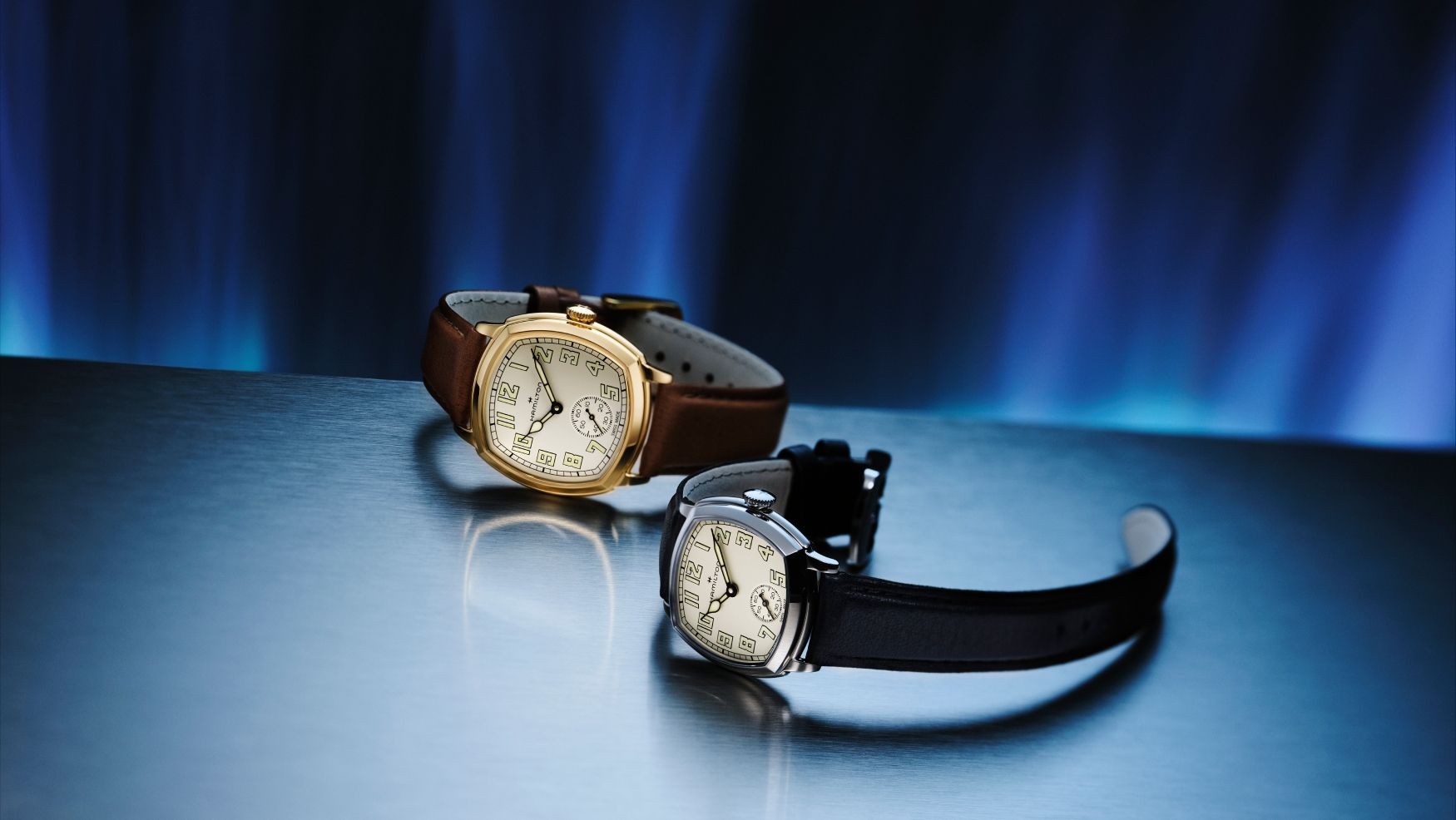
Hamilton's American Classic Cushion Mechanical revives its 1926 Art Deco cushion watches, seen in Oppenheimer, in 30mm and 34mm with the new hand-wound…
Doxa SUB 200: The Accessible Everyday Diver
By Zach Charles • October 10, 2026
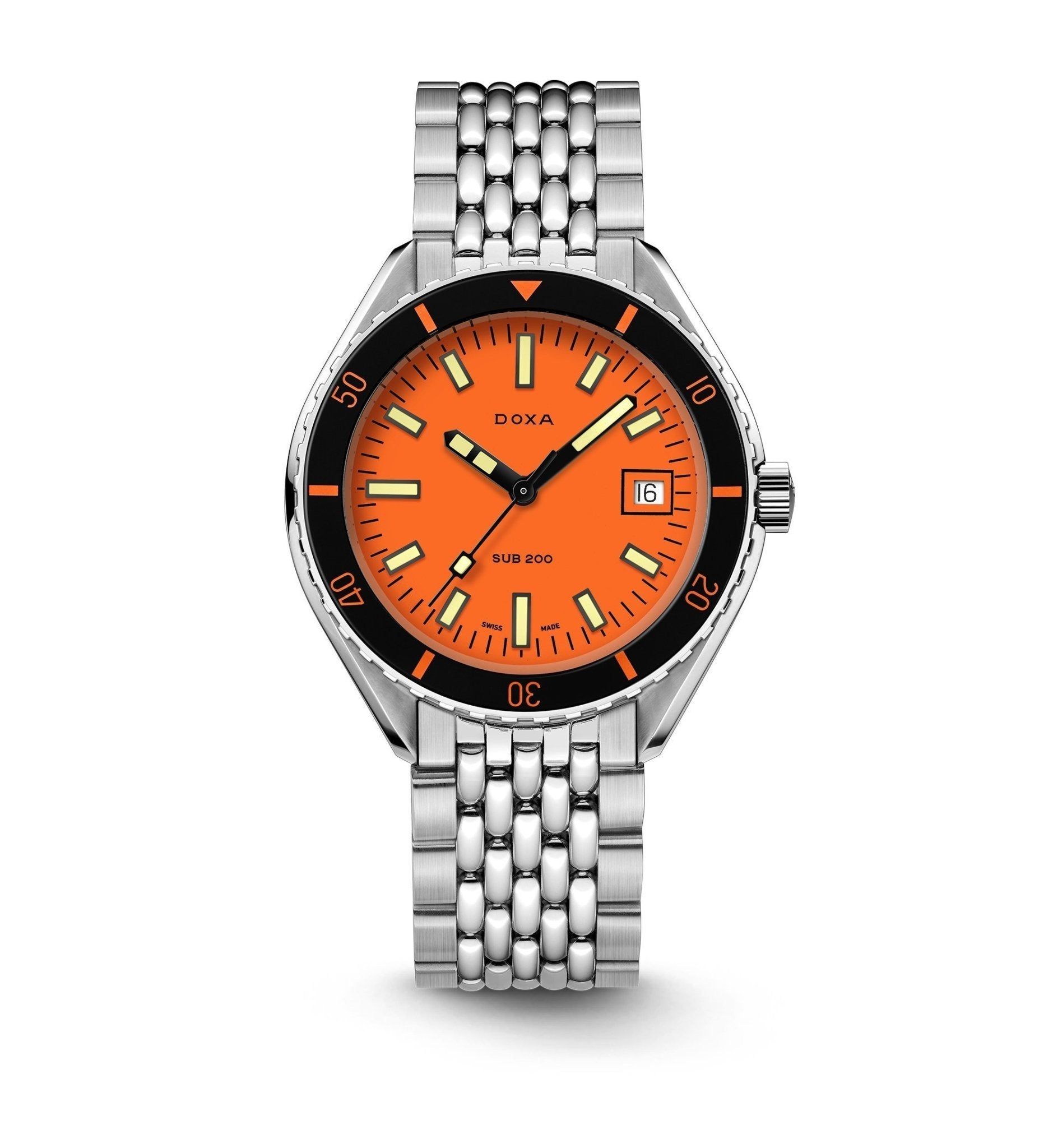
Complete guide to the Doxa SUB 200 — 42mm, 200m, four colorways, Sellita SW200-1. The accessible entry to the Doxa SUB family with the full…
By Zach Charles • October 10, 2026
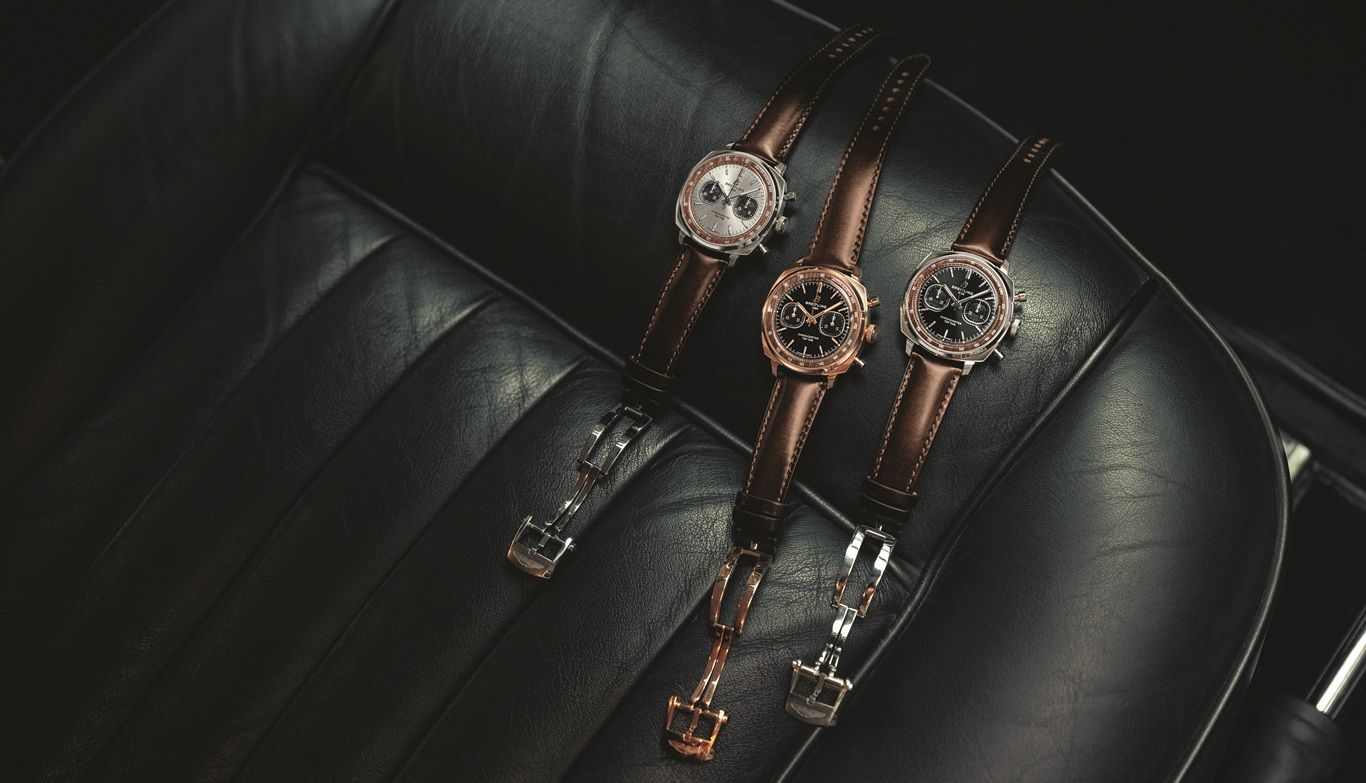
The Breitling Top Time B01 Aston Martin DB5 pairs a cushion-shaped 41mm case, a wooden inner ring and the in-house Caliber 01 across three limited…
By Zach Charles • October 10, 2026
TAG Heuer developed the Mikrograph (2011, 1/100th second), Mikrotimer Flying 1000 (2011, 1/1000th second), and Mikrogirder (2012, 1/2000th second).
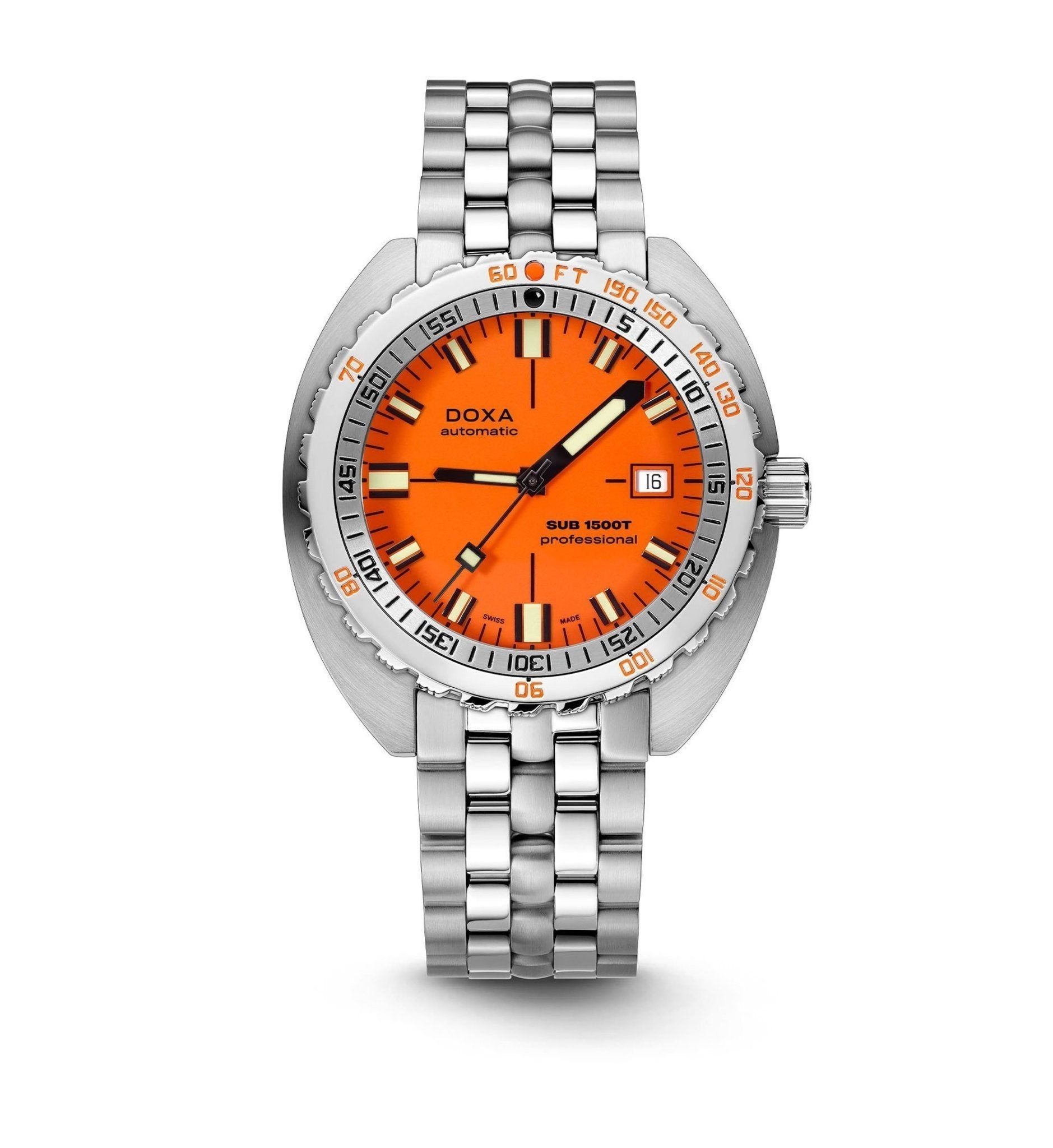
Doxa SUB 1500T: The 1,500-Metre Depth-Rating Flagship
By Zach Charles • October 10, 2026
Complete guide to the Doxa SUB 1500T — 45mm, 1,500m depth rating, helium escape valve, ETA 2892-2 movement, USD 2,690.
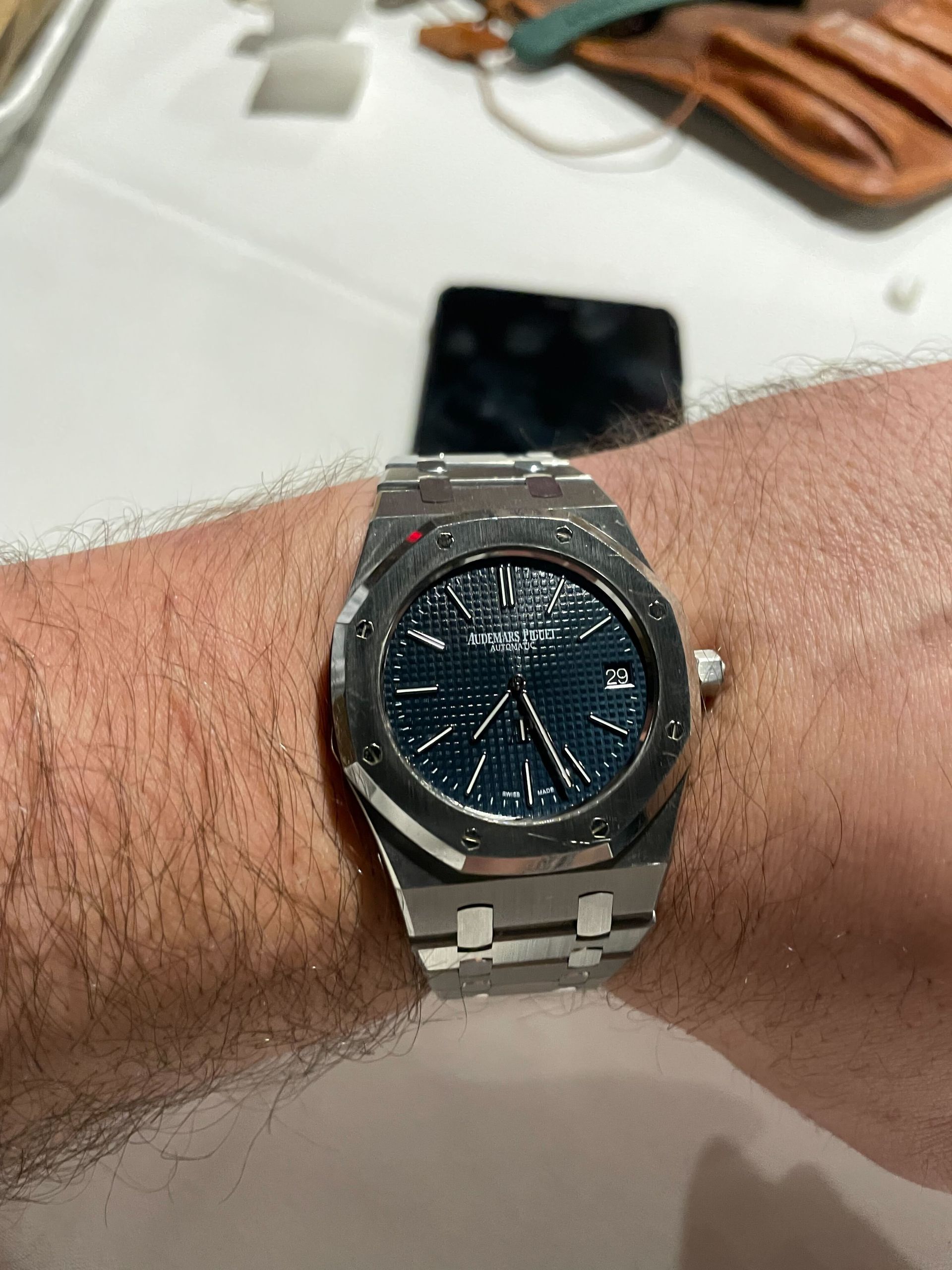
Audemars Piguet Royal Oak 'Jumbo' ref. 15202 with blue tapisserie dial and integrated steel bracelet
By Zach Charles • October 10, 2026
The Audemars Piguet × Swatch Royal Pop is a $400 bioceramic pocket watch in 8 colourways, powered by a new hand-wound SISTEM51 with 90+ hour power…

Time on the Move logo
By Zach Charles • October 10, 2026
Zach Charles is the editor of Time on the Move, an independent watch reference covering brand and model histories, buying guides and release news…
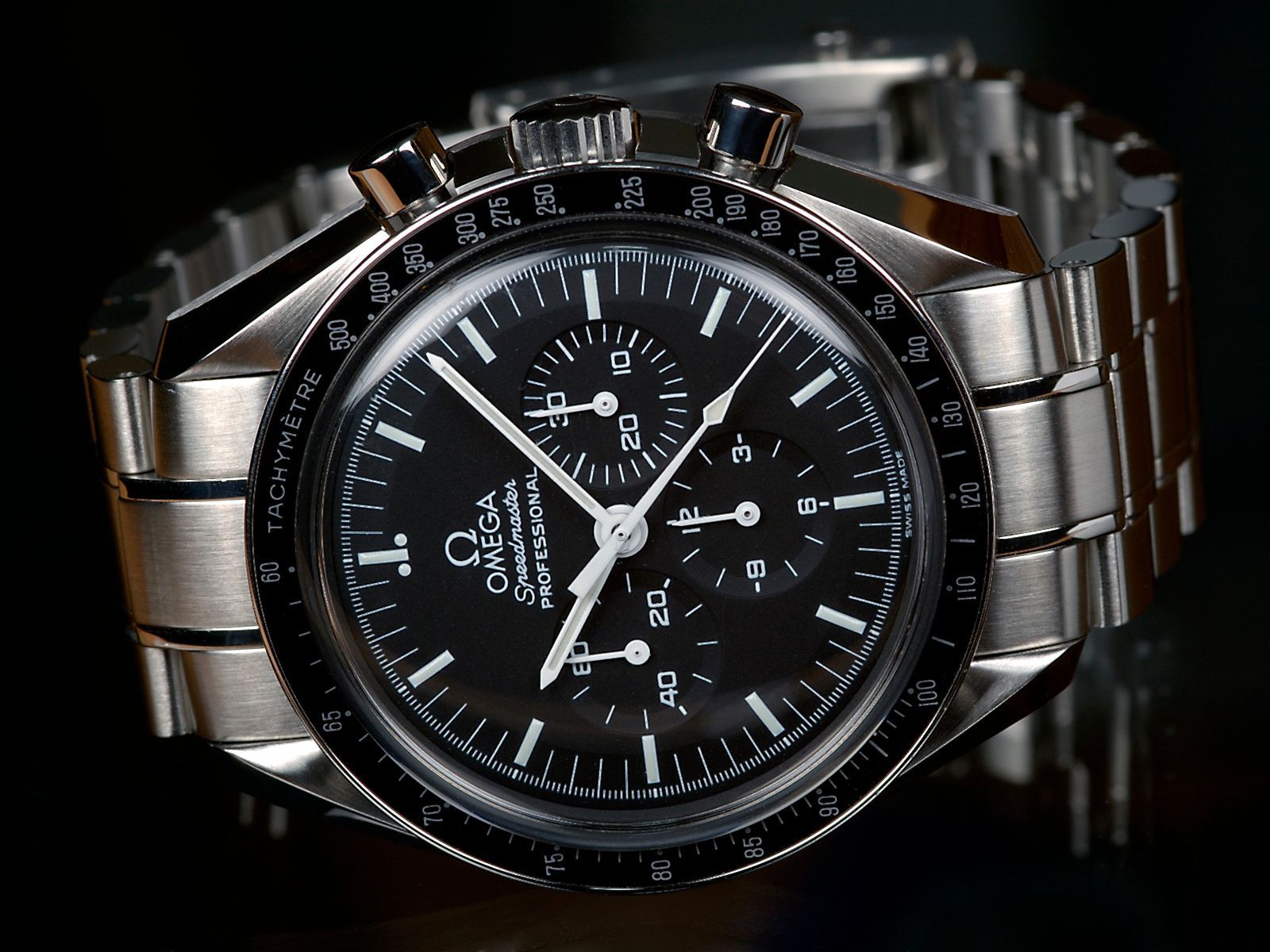
Omega Speedmaster Professional 'Moonwatch' chronograph, front view on steel bracelet
By Zach Charles • October 9, 2026
Find the best watches at every price point from $500 to $15,000 — new and pre-owned. Covers every budget tier with specific reference picks, brand…
By Zach Charles • October 9, 2026
The latest watch news: new releases, Watches and Wonders coverage, discontinuations, industry analysis, and market trends. Currently 1 article.
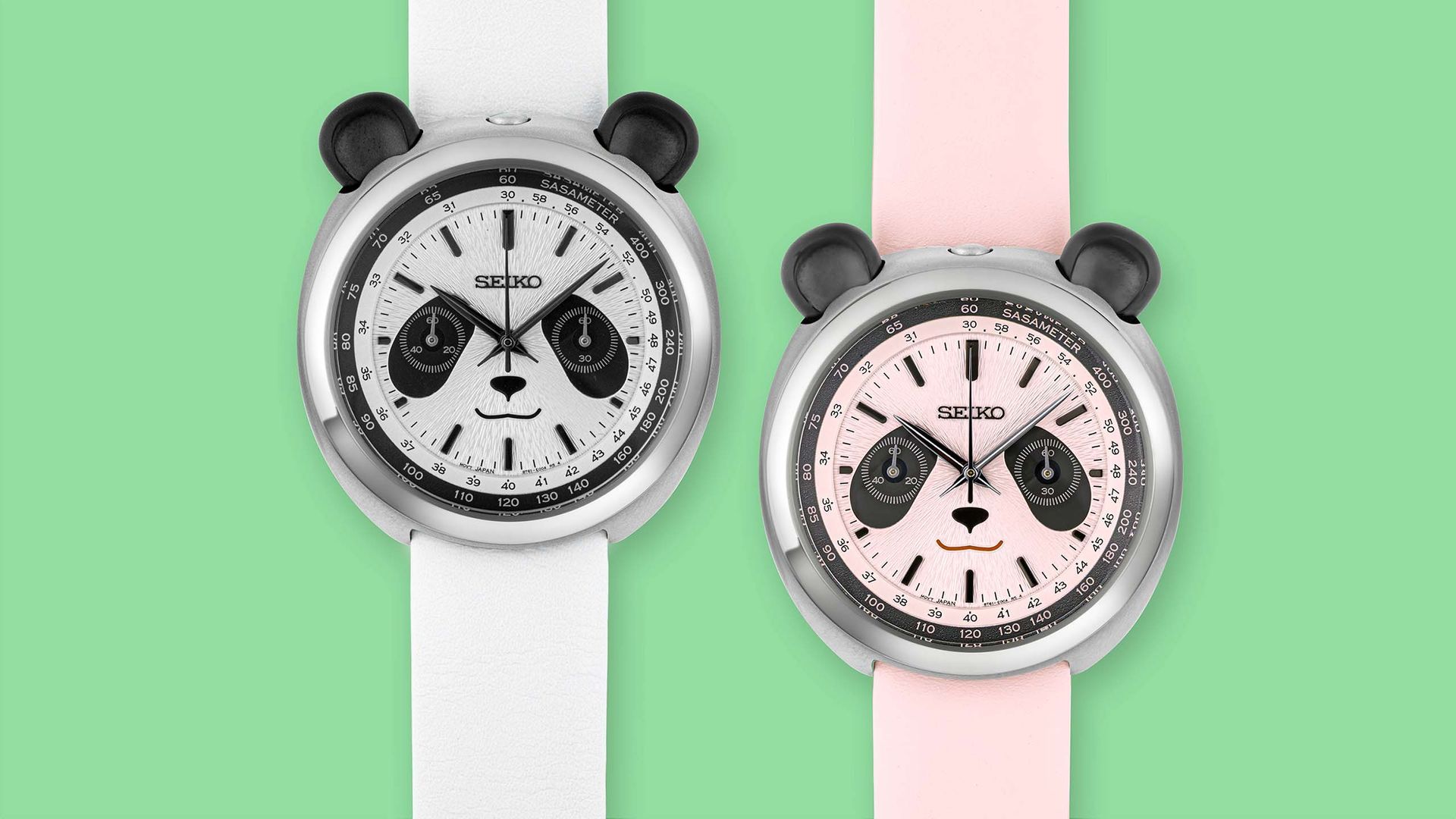
Seiko's New Panda Chronograph Is Literally a Panda: The Power Design Project HHK001 and HHK002
By Zach Charles • October 8, 2026
Seiko's Power Design Project panda chronograph (HHK001, HHK002) turns the panda dial into an actual panda face, with ear pushers, a 'Sasameter' and a 3D…
Show More