Orient: Japan's Mechanical Watch Specialist
By Zach Charles, Editor, Time on the Move
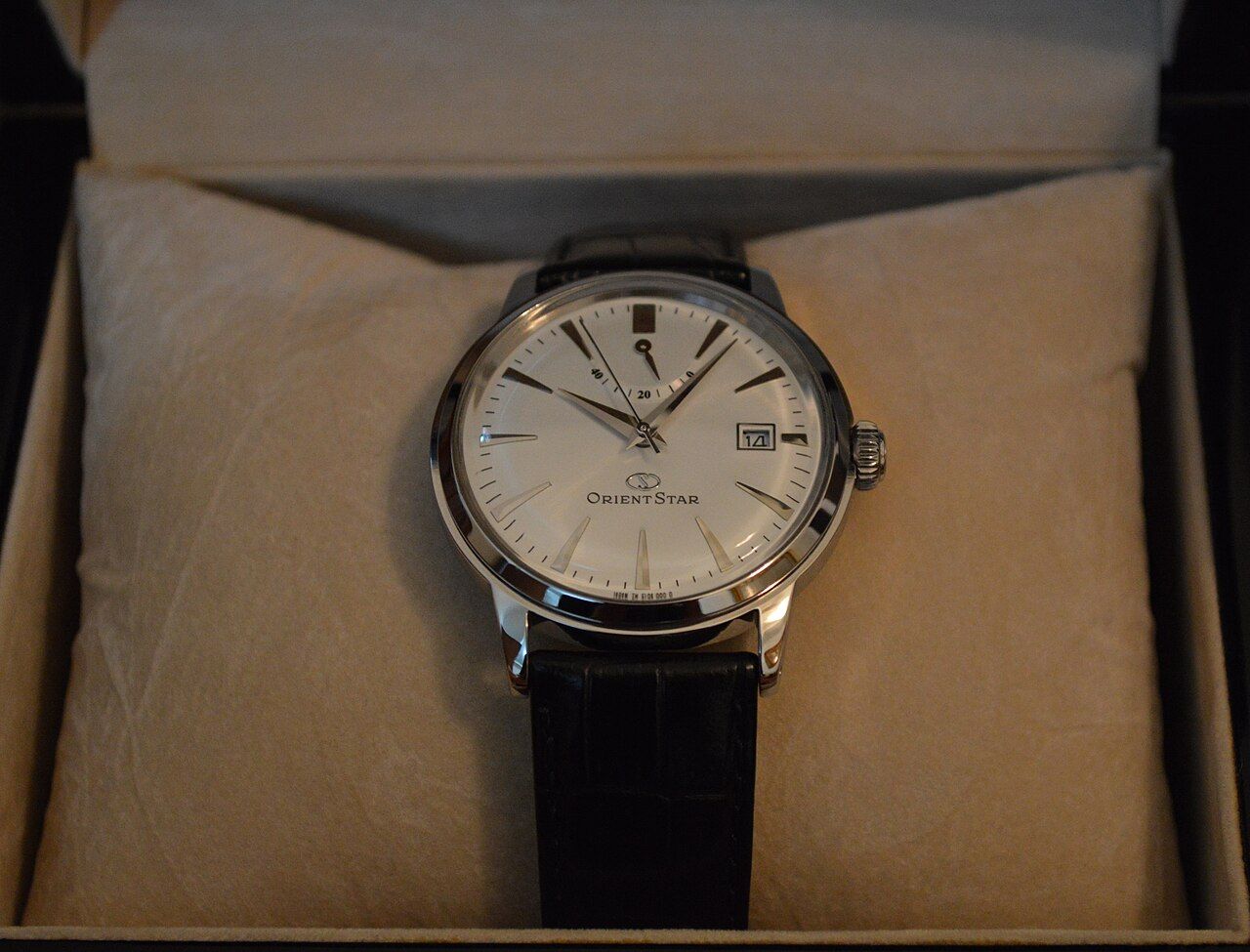
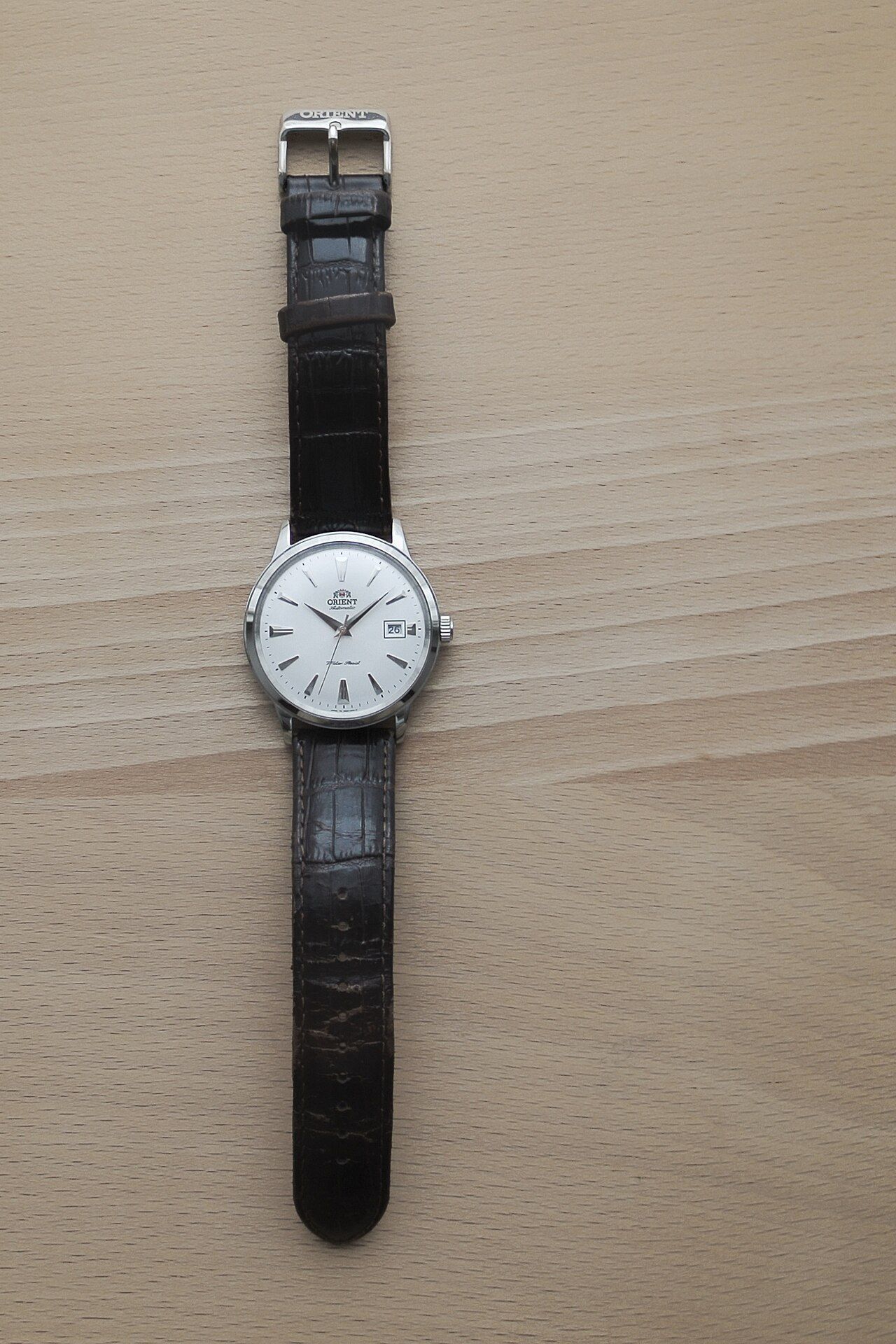
Orient is Japan's specialist in affordable mechanical watches. While most of the industry pivoted to quartz, Orient built its reputation on in-house automatic movements sold at prices that undercut almost everyone, and today watches like the Bambino, Kamasu and Mako are standard recommendations for anyone buying a first mechanical watch. Its premium line, Orient Star, celebrates its 75th anniversary in 2026.
Photo: David Guinea — CC BY-SA 4.0 — Wikimedia Commons
1901–1950: From Yoshida Watch Shop to Orient
Orient's story begins in 1901, when Shogoro Yoshida opened the Yoshida Watch Shop in Ueno, Tokyo, importing pocket watches. In 1913 the business began making watch cases, and in 1920 it founded Toyo Tokei Manufacturing, which produced clocks and, from 1934, wristwatches, with a factory in Hino, Tokyo, from 1936. After the Second World War production restarted in 1950, and in 1951 the company took the name Orient Watch Company . The same year it launched the first Orient Star .
The Golden Age: 1950s–1970s
Orient grew rapidly through the post-war decades. The Dynamic arrived in 1956, the luxury Royal Orient in 1960, and the Grand Prix 100 in 1964 — the same year as the Olympia Calendar Diver, Orient's first dive watch, now revived as the Orient Star Diver 1964. The 1965 King Diver followed, and in 1967 the Fineness was billed as the thinnest automatic watch with a day-date complication. In 1970 the Tenbeat introduced a high-beat movement, and the 1971 "46 series" movement became the long-running workhorse behind generations of Orient automatics.
TriStar and the Quartz Era
As quartz transformed the industry in the 1970s, Orient answered with the TriStar collection: simple, inexpensive mechanical watches built for global volume. Its three-star logo, used on Orient watches since the 1956 Jupiter, stood for quality, design and price. The TriStar's spirit — a real mechanical watch at a quartz price — still defines Orient's appeal.
Seiko Epson and In-House Movements
Seiko Epson became Orient's majority shareholder in 2001 and took full ownership in 2009; in 2017 Orient was absorbed into Seiko Epson itself. The Royal Orient line was discontinued around that time, leaving Orient Star as the flagship, a relationship often compared to that of Grand Seiko and Seiko. Orient's movements are made in-house at Akita Epson in Yuzawa, Akita Prefecture; the modern F6922, F6724 and F6B-series calibres add hand-winding and hacking to the classic Orient formula.
Photo: MIKI Yoshihito from Sapporo City,Hokkaido., JAPAN — CC BY 2.0 — Wikimedia Commons
The Collections Covered Here
- Orient Bambino — the affordable domed-crystal dress watch
- Orient Mako & Ray — the divers that built Orient's enthusiast following
- Orient Kamasu — the sapphire-crystal "Mako III"
- Orient King Diver & Neo Classic — 1960s and 70s divers reborn
- Orient Sun & Moon — the day/night indicator dress watch
- Orient Defender & Pilot — the field and aviation watches
- Orient Star — the premium line, skeletons and power reserves
- Orient Star Diver 1964 — the revival of Orient's first diver
Frequently Asked Questions
When was Orient founded?
Its roots go back to Shogoro Yoshida's watch shop in Tokyo in 1901; the company took the name Orient Watch Company in 1951.
Who owns Orient?
Seiko Epson, which became majority shareholder in 2001, took full ownership in 2009 and absorbed Orient into Seiko Epson in 2017.
Does Orient make its own movements?
Yes. Orient's mechanical movements are made in-house at Akita Epson in Yuzawa, Akita Prefecture, Japan.
What is the difference between Orient and Orient Star?
Orient Star, founded in 1951, is the premium line, with higher-grade movements such as the F6N and F8 series, power reserve indicators and finer finishing.
What happened to Royal Orient?
Royal Orient, launched in 1960 as Orient's luxury line, was discontinued around 2016–2017, leaving Orient Star as the flagship.