
Glashütte Original Art & Technik: Decorative Arts and High Watchmaking

Zach Charles • July 22, 2026

Share this article

Glashütte Original Art & Technik: Decorative Arts and High Watchmaking

The Art & Technik programme represents Glashütte Original's engagement with watchmaking as a visual and decorative art, not merely a mechanical one. Where the Senator collection demonstrates technical mastery and the PanoSeries demonstrates design originality, Art & Technik pieces demonstrate that the Glashütte manufacture commands the full range of traditional decorative arts — enamel, engraving, skeletonisation — alongside its mechanical capabilities.


Decorative Arts in Saxon Watchmaking

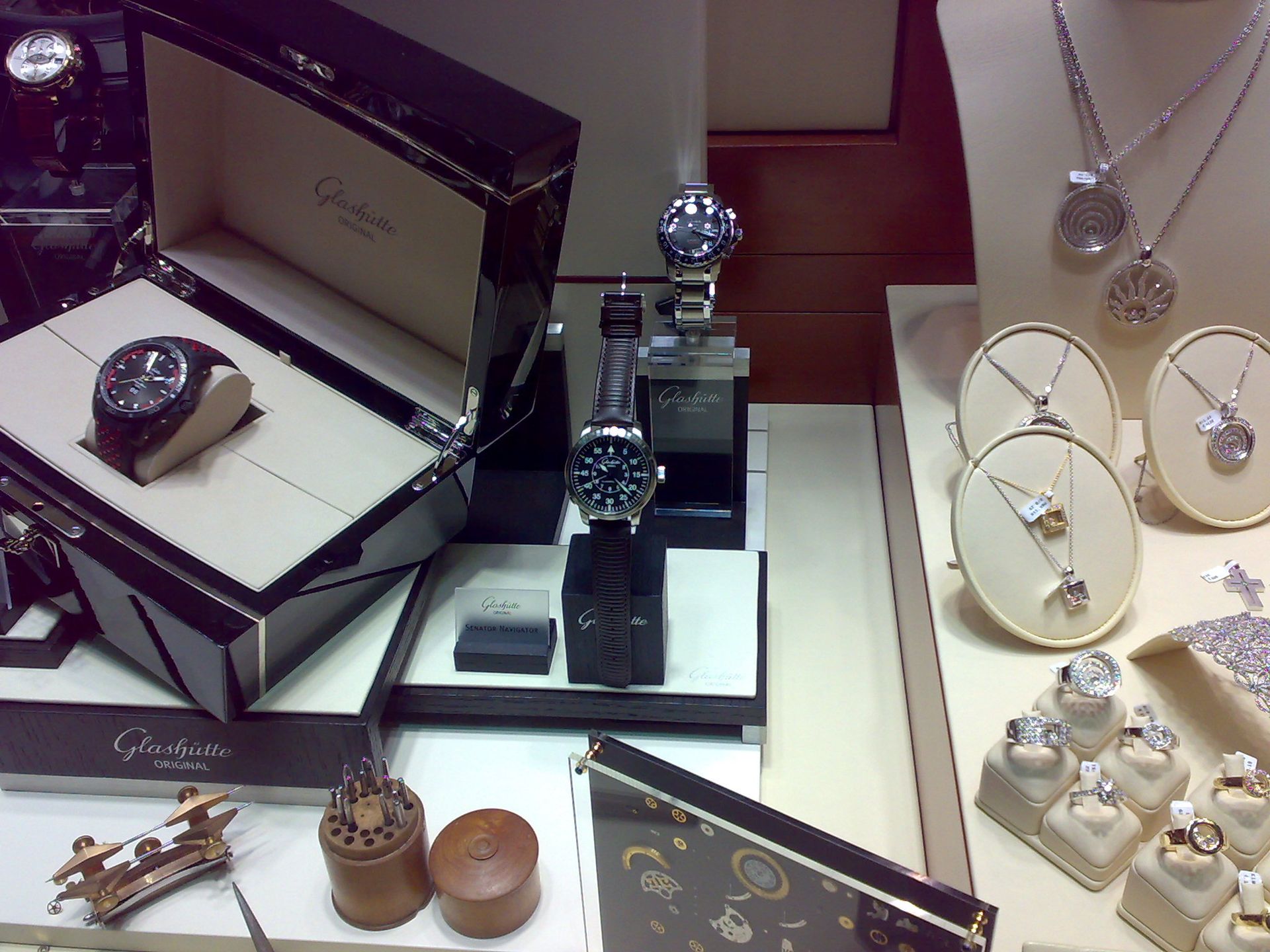
Glashütte Original watches group display
Glashütte Original collection display — multiple references showing the brand’s range from Senator dress watches to complications, all produced at the Glashütte manufacture in Saxony.
Photo: Ferengi — CC BY-SA 3.0 — Wikimedia Commons

The Saxon watchmaking tradition was not purely mechanical. Nineteenth-century Glashütte watches were frequently decorated with engraving on cases and movements, and enamel dials were common in pocket watches of the era. The decorative tradition reflected the town's proximity to Dresden — one of Europe's centres of Saxon decorative arts, home to the Meissen porcelain manufacture and the Green Vault treasure collection.

Glashütte Original's Art & Technik programme reconnects with this heritage, applying to wristwatches the same decorative techniques that defined Saxon watchmaking's prestige in the nineteenth century.


Skeletonisation

Glashütte Original movement detail
Glashütte Original movement — the three-quarter plate architecture with Glashütte ribbing, blued screws, and screw-set jewel chatons visible through an exhibition caseback.
Photo: Rama — CC BY-SA 2.0 FR — Wikimedia Commons
The most technically demanding Art & Technik decoration is skeletonisation — the removal of all non-essential material from the movement plate and bridges, leaving only the structural minimum required for rigidity and jewel retention.

The process requires:
1. Designing which material to remove (determining minimum structural sections under load)
2. Milling or sawing through the plate to create the skeleton pattern
3. Hand-bevelling all newly created edges — every cut creates new edges that must be polished
4. Applying Glashütte ribbing to the remaining flat surfaces

The challenge: skeletonising a three-quarter plate — a large, unified surface — while maintaining the plate's structural integrity requires more precision than skeletonising separate bridges. The Glashütte Original skeleton movement maintains the three-quarter plate architecture even in its skeletonised form, ensuring that the Saxon identity of the movement is preserved.


The Skeletonised Senator Tourbillon

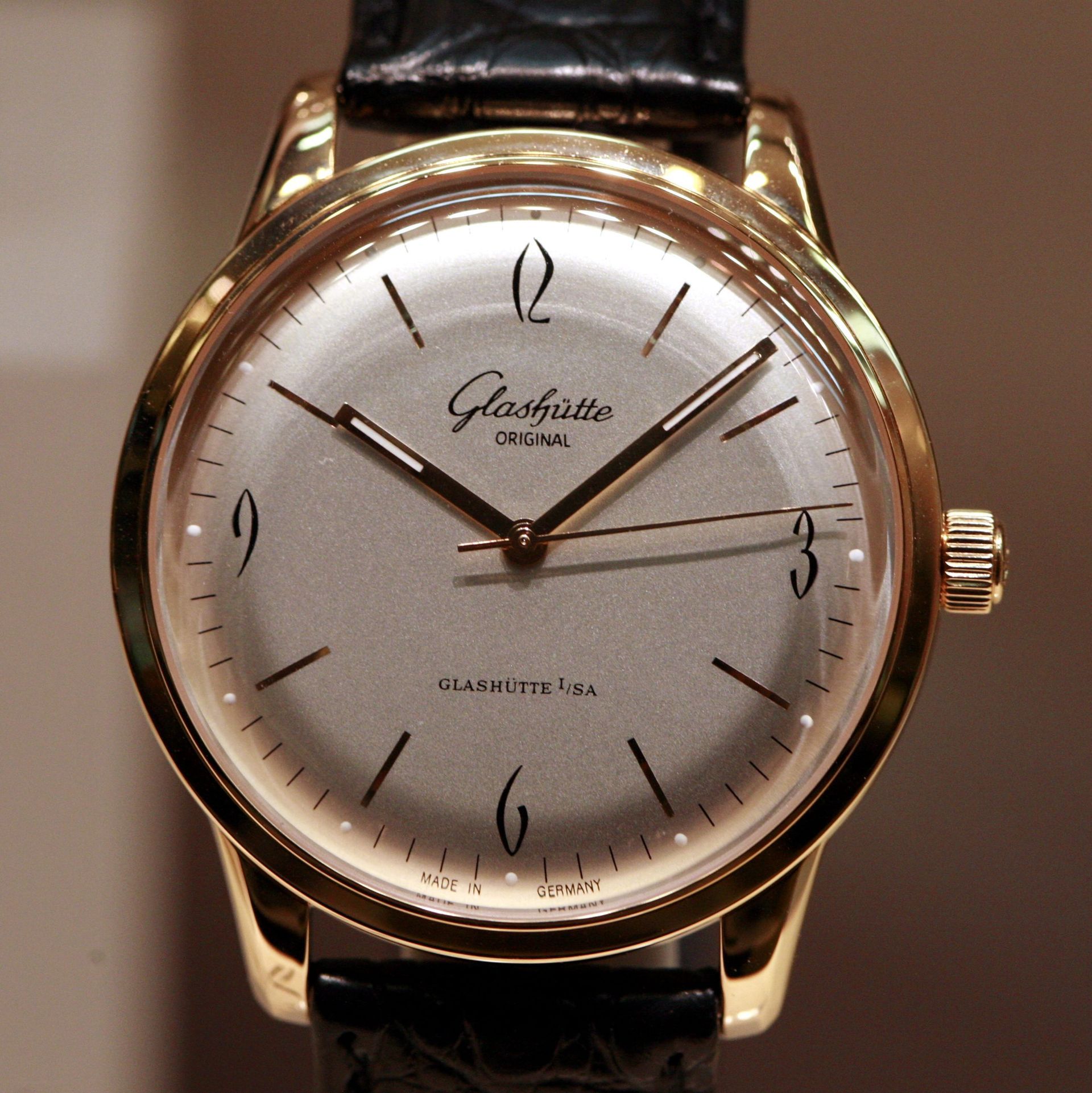
Glashütte Original Senator Sixties vintage-style dress watch
Glashütte Original Senator Sixties — the brand’s vintage-inspired Senator reference, showing the three-quarter plate movement through an exhibition caseback in a traditional round case.
Photo: Rama — CC BY-SA 2.0 FR — Wikimedia Commons
The Skeletonised Senator Tourbillon combines:
- Flying tourbillon escapement
- Fully skeletonised three-quarter plate
- Decorative engraving on remaining plate surfaces

The result: a watch in which the tourbillon cage is visible from both sides — through the dial and through the skeletonised plate from the caseback. The skeletonisation effectively makes the movement transparent, and the engraving on the remaining surfaces provides visual interest in place of the solid plate areas removed.


Enamel Dials

Glashütte Original watch detail
Glashütte Original — detail of a dress watch reference, showing the applied indices and handset characteristic of the brand’s Senator collection aesthetic.
Photo: Rama — CC BY-SA 2.0 FR — Wikimedia Commons

The Art & Technik programme includes watches with grand feu enamel dials — the traditional high-temperature enamel technique that produces the deepest, most durable colour.

The grand feu process:
1. A copper or gold dial blank is prepared with slightly raised edges
2. Enamel paste (powdered glass with metal oxide colorants) is applied
3. The dial is fired at 800–850°C in a small kiln, fusing the enamel
4. The dial is removed, cooled, and inspected for bubbles, pits, or colour inconsistency
5. Additional enamel coats are applied and fired until the desired depth and surface quality is achieved — typically 3–5 firings minimum

The risk at each firing: the thermal shock of heating and cooling can crack the enamel, losing hours or days of work. The finished enamel dial has a depth and luminosity that no printed or lacquered dial can replicate — colour appears to glow from within the translucent glass layer.

Glashütte Original's Art & Technik enamel dials are produced by specialist enamel painters working within the Glashütte manufacture, maintaining the craft in-house rather than sourcing from external dial suppliers.


Engraving

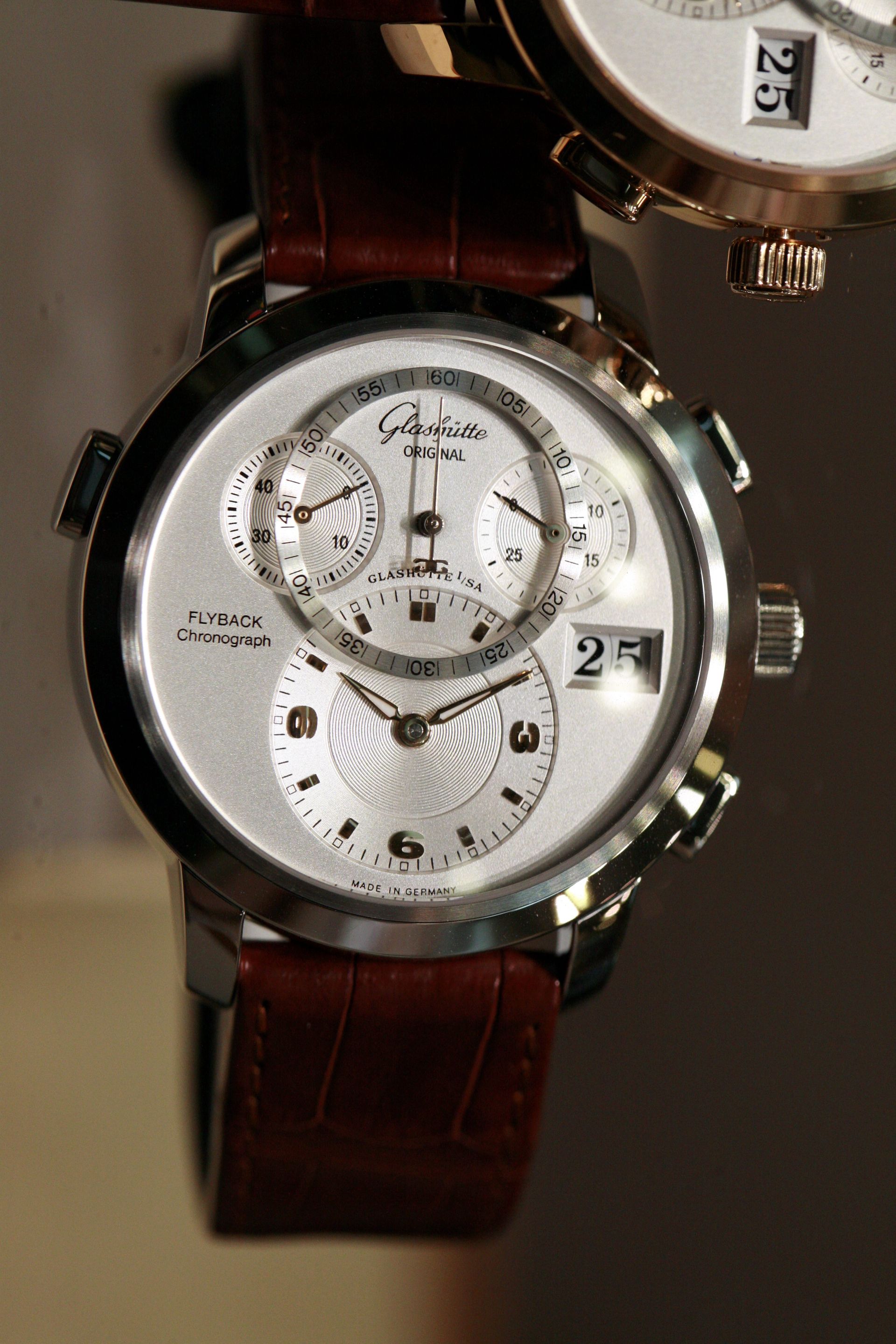
Glashütte Original Calibre 39 movement
Glashütte Original Calibre 39 — the in-house automatic chronograph movement showing the three-quarter plate, Glashütte ribbing, column wheel, and flyback chronograph mechanism.
Photo: Thomasbj — CC BY-SA 3.0 — Wikimedia Commons
Case and movement engraving is a second Art & Technik discipline. The Glashütte manufacture employs engravers who work by hand, under magnification, using gravers of various profiles to cut decoration into case and movement surfaces.

Typical engraving subjects for Art & Technik pieces:
- Floral scrollwork on case sides and lugs
- Figurative scenes on caseback medallions
- Geometric patterns on movement bridges
- The Glashütte Original name and logo in decorative script

The Saxon connection to engraving: the Erzgebirge mountains have a strong craft tradition of wood and metal carving that predates the watchmaking industry. The region's skilled hands were one reason Adolf Lange chose Glashütte in 1845.


Limited Edition Strategy

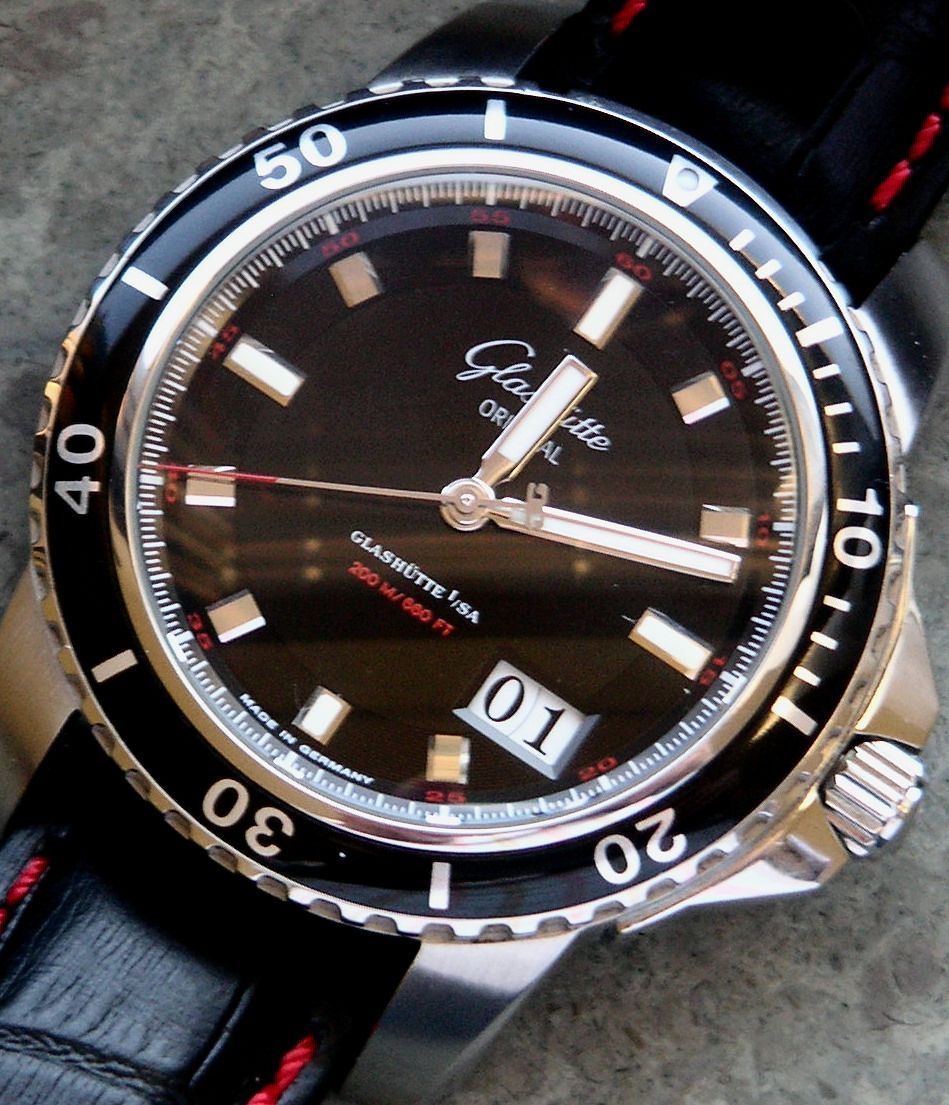
Glashütte Original Sport Evolution chronograph
Glashütte Original Sport Evolution — the brand’s sport chronograph reference, demonstrating Glashütte manufacture quality in a robust sport case with in-house column-wheel chronograph movement.
Photo: Thomasbj — CC BY-SA 3.0 — Wikimedia Commons
Art & Technik pieces are typically produced as limited editions of 10–25 pieces per reference. The limitation is partly driven by the time required for decoration (a single enamel dial may take 2–3 weeks of skilled work), and partly by market positioning — these are among Glashütte Original's highest-priced references (€25,000–€80,000+), and very small production maintains their exclusivity.

The programme allows Glashütte Original to maintain craft skills that would otherwise have no commercial outlet in its standard collection. A watchmaker learning enamel painting or engraving requires years of practice; the Art & Technik programme creates the commercial justification for that training investment.


Art & Technik and Brand Identity

The Art & Technik programme's broader function: it reinforces Glashütte Original's positioning as a manufacture rather than a brand. A manufacture — in the luxury watch industry's usage — is a company that makes its movements and significantly contributes to its decorative arts, as opposed to a brand that designs watches and sources components from suppliers.

By maintaining enamel, engraving, and skeletonisation capabilities in-house, Glashütte Original can claim a level of vertical integration that goes beyond movement production — extending to the full visual expression of the watch.


Recent Posts

By Zach Charles • October 10, 2026
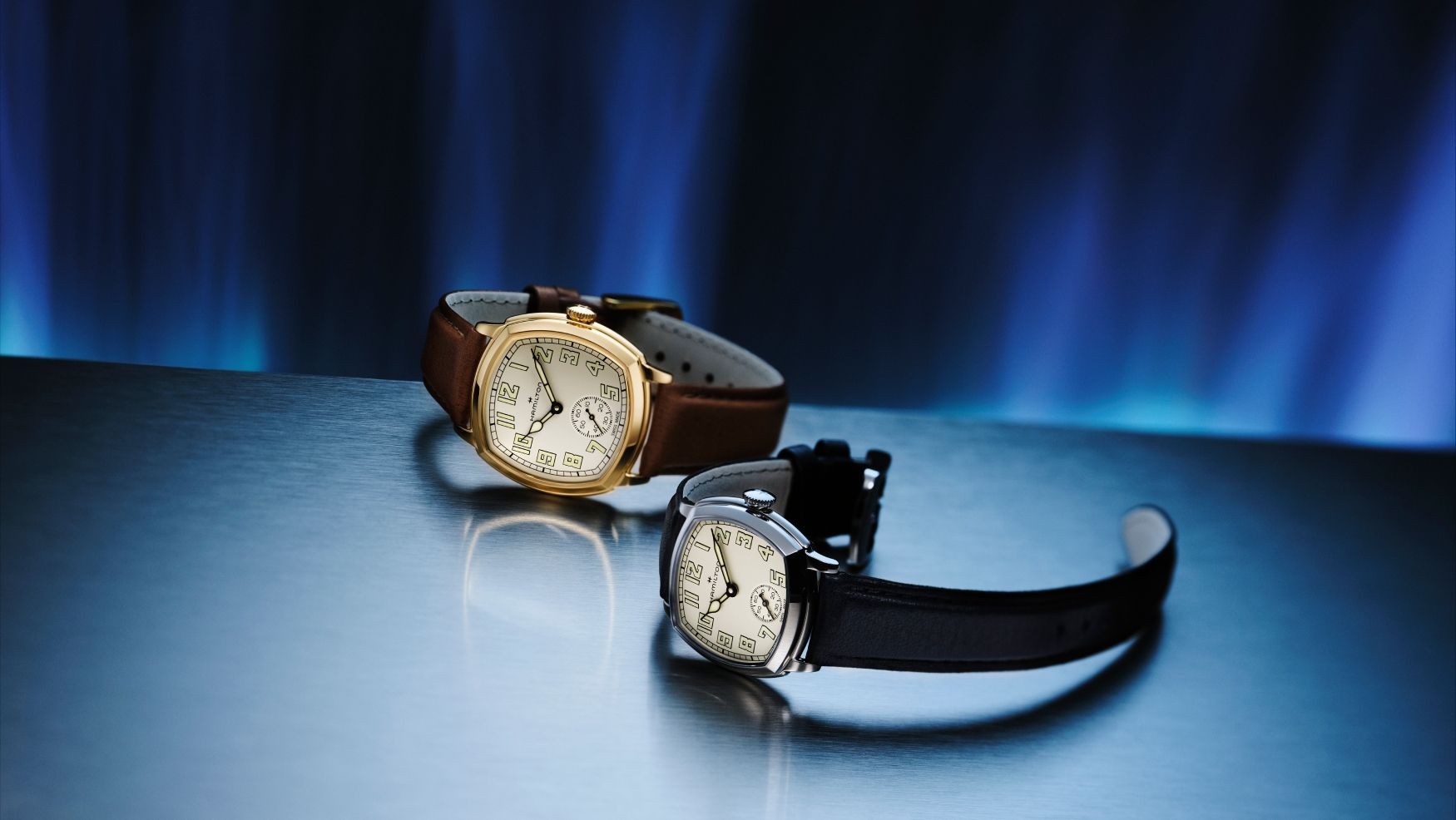
Hamilton's American Classic Cushion Mechanical revives its 1926 Art Deco cushion watches, seen in Oppenheimer, in 30mm and 34mm with the new hand-wound…
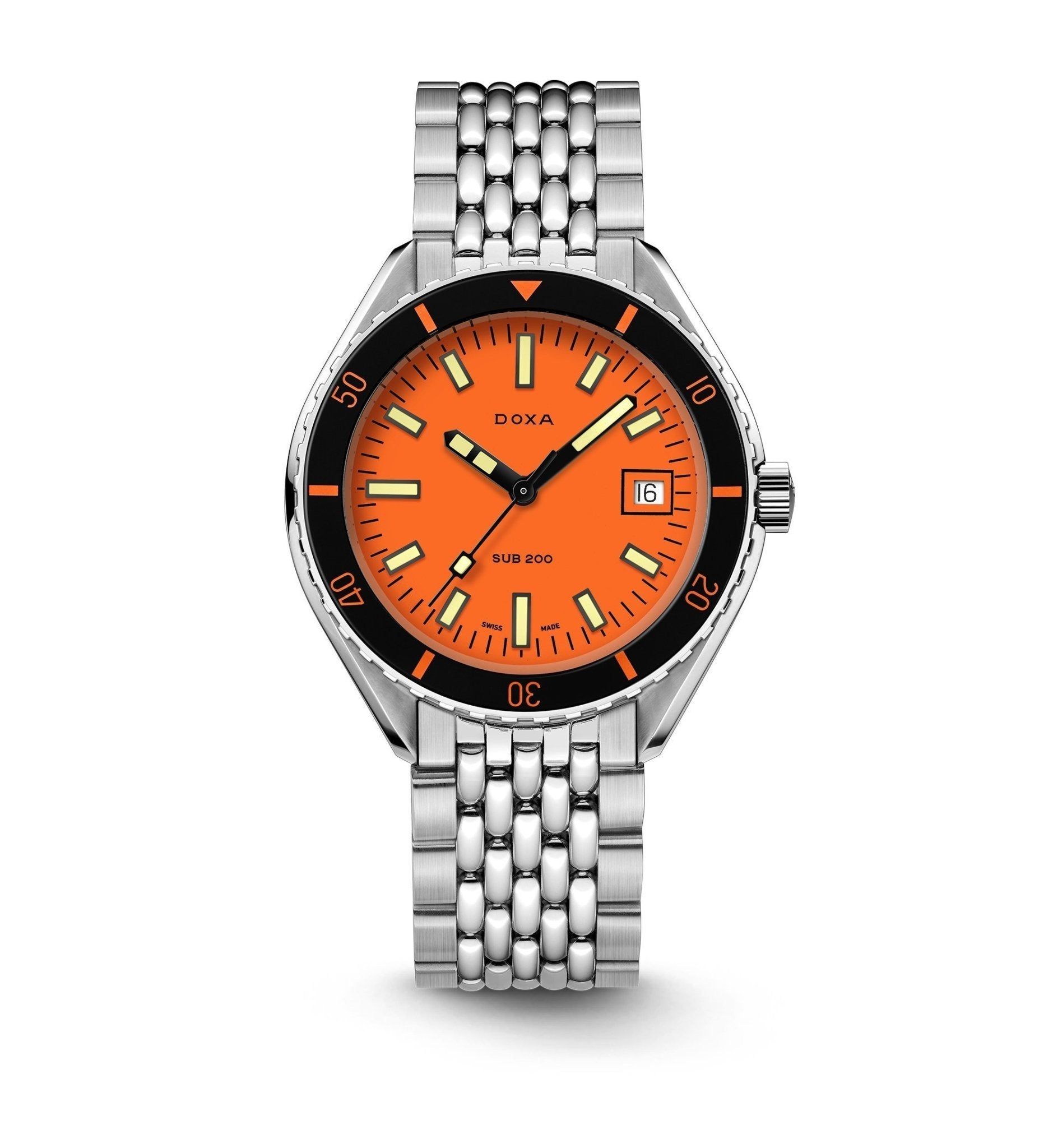
Doxa SUB 200: The Accessible Everyday Diver
By Zach Charles • October 10, 2026
Complete guide to the Doxa SUB 200 — 42mm, 200m, four colorways, Sellita SW200-1. The accessible entry to the Doxa SUB family with the full…
By Zach Charles • October 10, 2026
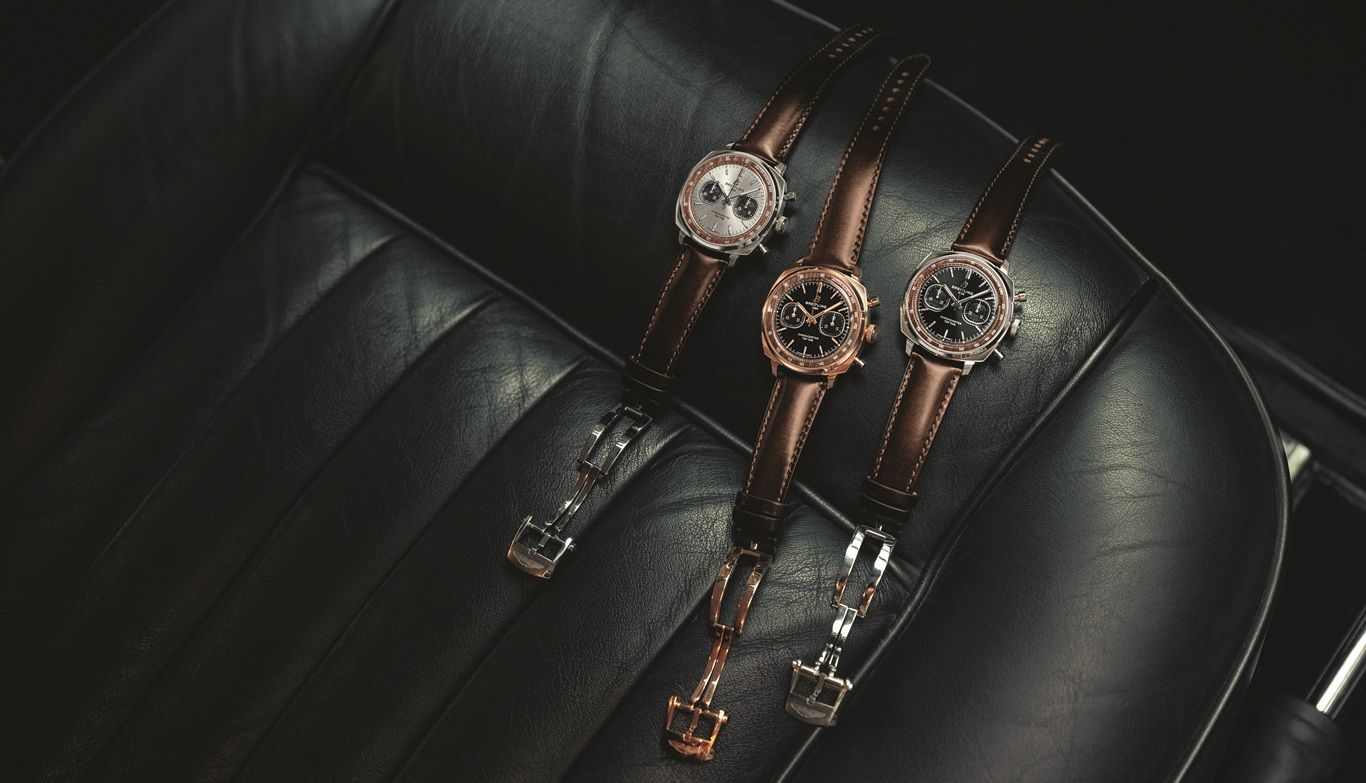
The Breitling Top Time B01 Aston Martin DB5 pairs a cushion-shaped 41mm case, a wooden inner ring and the in-house Caliber 01 across three limited…
By Zach Charles • October 10, 2026
TAG Heuer developed the Mikrograph (2011, 1/100th second), Mikrotimer Flying 1000 (2011, 1/1000th second), and Mikrogirder (2012, 1/2000th second).
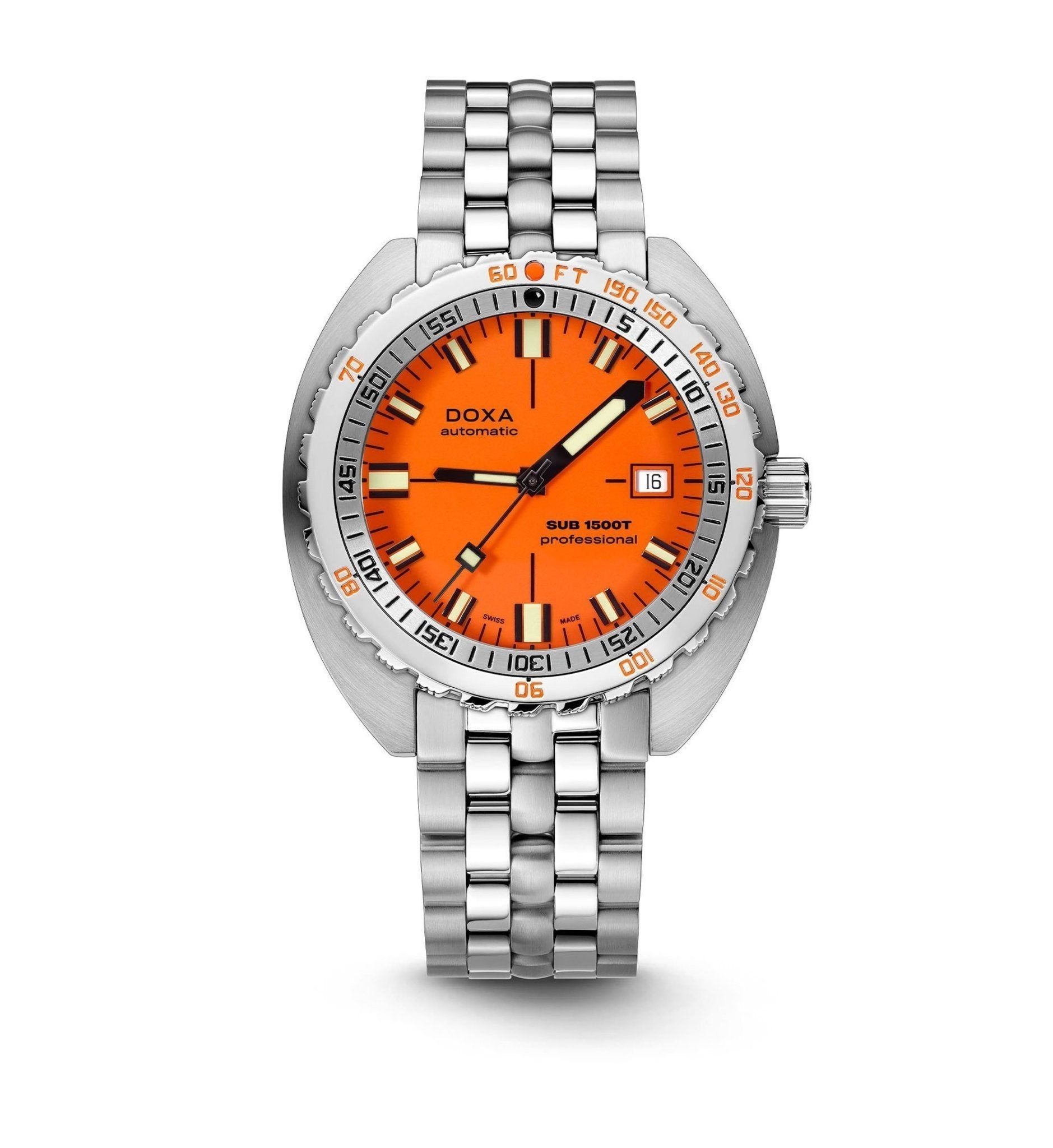
Doxa SUB 1500T: The 1,500-Metre Depth-Rating Flagship
By Zach Charles • October 10, 2026
Complete guide to the Doxa SUB 1500T — 45mm, 1,500m depth rating, helium escape valve, ETA 2892-2 movement, USD 2,690.
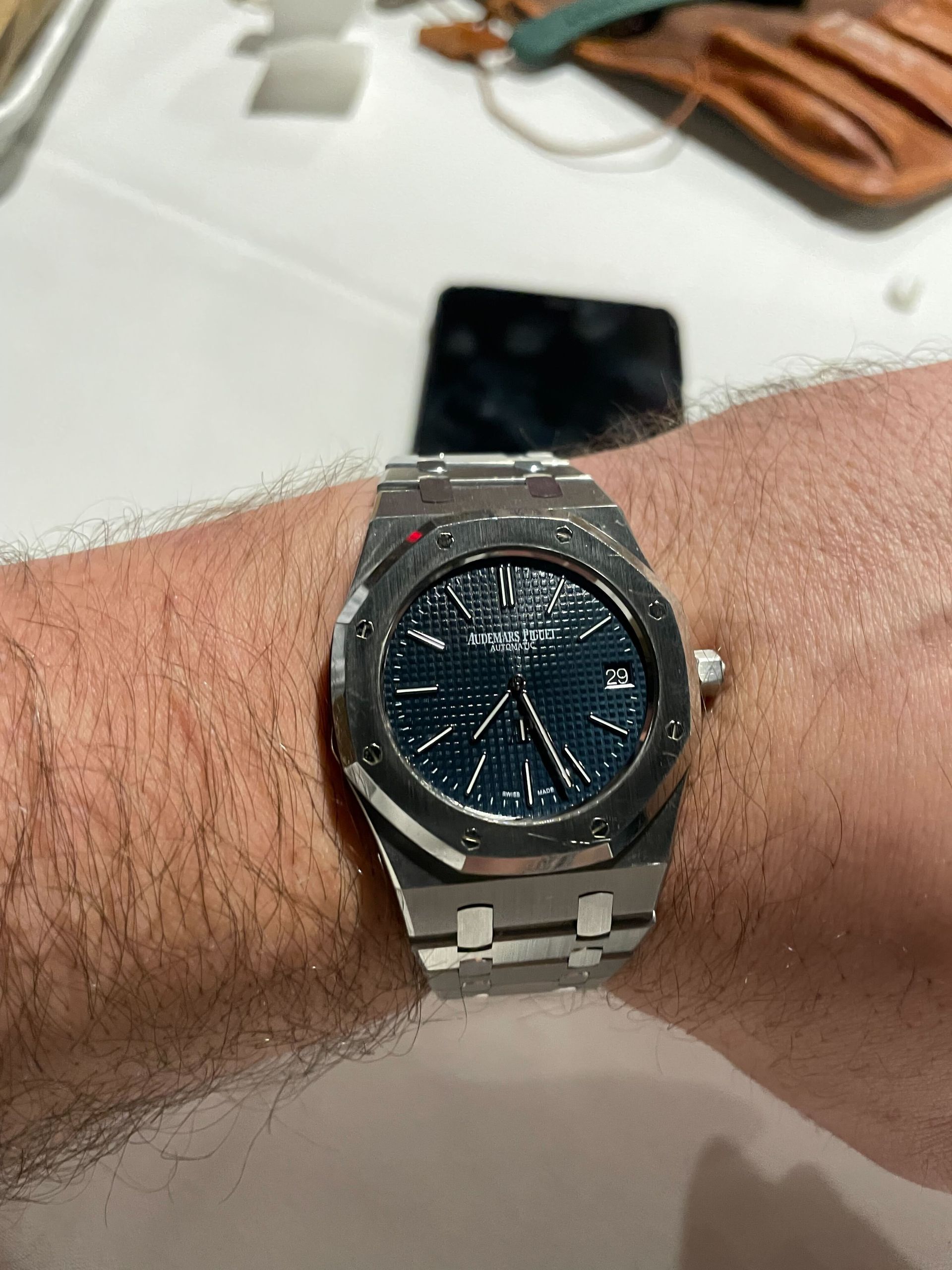
Audemars Piguet Royal Oak 'Jumbo' ref. 15202 with blue tapisserie dial and integrated steel bracelet
By Zach Charles • October 10, 2026
The Audemars Piguet × Swatch Royal Pop is a $400 bioceramic pocket watch in 8 colourways, powered by a new hand-wound SISTEM51 with 90+ hour power…

Time on the Move logo
By Zach Charles • October 10, 2026
Zach Charles is the editor of Time on the Move, an independent watch reference covering brand and model histories, buying guides and release news…
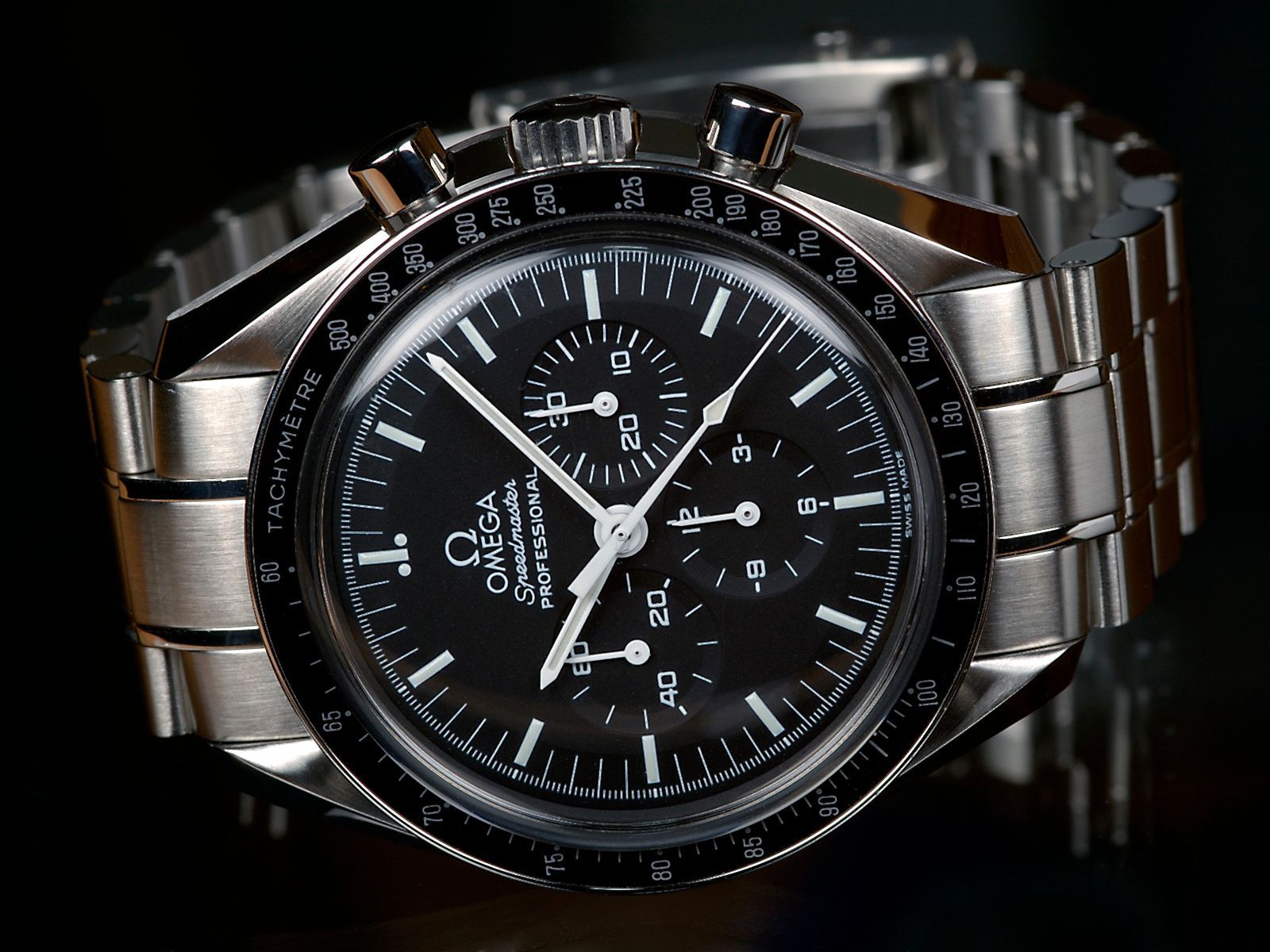
Omega Speedmaster Professional 'Moonwatch' chronograph, front view on steel bracelet
By Zach Charles • October 9, 2026
Find the best watches at every price point from $500 to $15,000 — new and pre-owned. Covers every budget tier with specific reference picks, brand…
By Zach Charles • October 9, 2026
The latest watch news: new releases, Watches and Wonders coverage, discontinuations, industry analysis, and market trends. Currently 1 article.
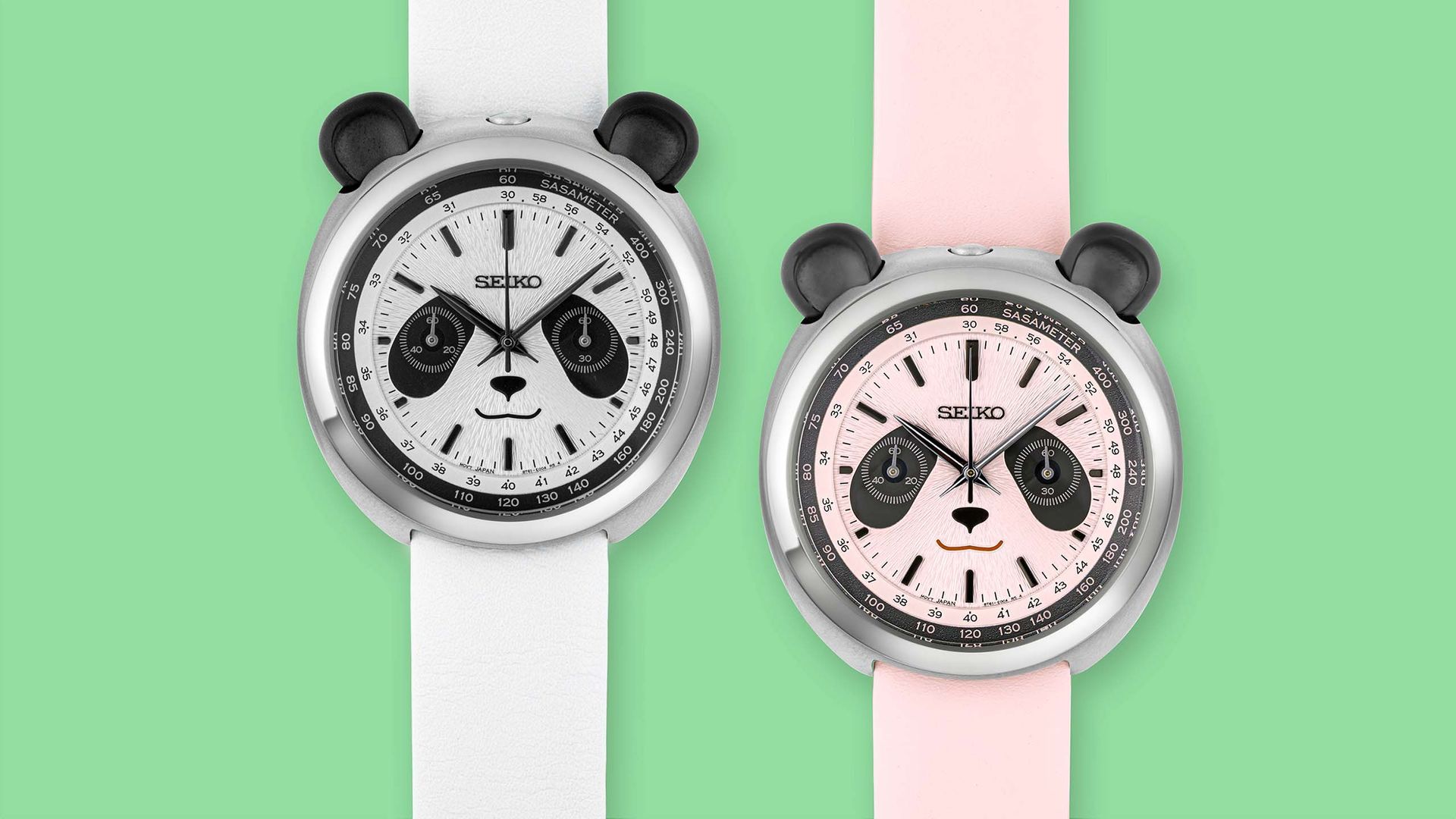
Seiko's New Panda Chronograph Is Literally a Panda: The Power Design Project HHK001 and HHK002
By Zach Charles • October 8, 2026
Seiko's Power Design Project panda chronograph (HHK001, HHK002) turns the panda dial into an actual panda face, with ear pushers, a 'Sasameter' and a 3D…
Show More