Zenith: From Le Locle Observatory Champion to LVMH and the El Primero Legacy

Zach Charles • June 15, 2026

Share this article

Zenith: The Le Locle Manufacture

In 1865, a 22-year-old named Georges Favre-Jacot founded a watch manufacture in Le Locle, in the Swiss Jura. His conviction was that the dominant system of Swiss watchmaking — the établissage , in which different components were made by different specialist ateliers and assembled later — produced unnecessary variation and limited quality. He would put everything under one roof: design, component production, assembly, and regulation all in one building. The manufacture he built is still there.

One hundred and sixty years later, that building's attic contains the tools that saved one of watchmaking's most important movements from destruction. The movement — the El Primero — is still produced in the floors below.


Zenith El Primero chronograph wristwatch
A Zenith El Primero chronograph — the high-frequency automatic chronograph calibre developed in secret from 1962 and launched on 10 January 1969, running at 36,000 vph (5 Hz) for a 1/10th-second chronograph resolution.
Photo: jcw — CC BY 3.0 — Wikimedia Commons

Founding and Early History

Detail of Zenith El Primero chronograph — dial and sub-dials
A close detail of the Zenith El Primero chronograph dial, showing the three coloured sub-dials (60-minute, 30-minute, and running seconds) that have distinguished El Primero references since the 1969 original.
Photo: Rama — CC BY-SA 2.0 FR — Wikimedia Commons

Fabrique Georges Favre-Jacot & Co. was established in 1865 in Le Locle, Canton of Neuchâtel. Favre-Jacot was 22 years old. The factory design was deliberate: large windows in each workshop to maximise natural light, internal corridors connecting all sections regardless of weather, a chimney providing power for the building and the town's electrical supply. At its peak in the early 20th century, the manufacture employed nearly 2,000 people.

The brand's name came from an unlikely source. A movement produced at the factory won the Grand Prix at the 1900 Paris World's Fair ; that movement had been designated "Zenith" — from the astronomical term for the point directly overhead, the highest attainable position. The success was significant enough that in 1911 , the company took the movement's name as its own: Fabrique Georges Favre-Jacot became Zenith .


The Observatory Record — 2,333 Prizes

Zenith El Primero 36000 VpH — Tribute to Charles Vermot
The Zenith El Primero 36,000 VpH Tribute to Charles Vermot — honouring the watchmaker who hid the El Primero tooling in the Le Locle attic in 1975 against orders, allowing Zenith to restart El Primero production when Rolex requested it in 1984.
Photo: Zenith El Primero (user) — CC BY-SA 3.0 — Wikimedia Commons

Between its founding and the mid-20th century, Zenith submitted movements to every significant European chronometry competition. The cumulative total across all competitions: 2,333 chronometry prizes .

The instrument underlying much of that record is Calibre 135-O — the observatory pocket watch movement that won five consecutive first prizes at the Neuchâtel Observatory from 1950 to 1954, and accumulated more than 230 individual prizes. No other single calibre from any manufacture approached this record at the Neuchâtel competitions.


El Primero — 1969

Zenith Chronomaster T Open — El Primero 36,000 vph
The Zenith Chronomaster T Open, featuring an open-worked dial to reveal the El Primero calibre oscillating at 36,000 vph — the high-frequency movement that enables 1/10th-second chronograph measurement with a conventional column-wheel mechanism.
Photo: Hiroaki Kikuchi (Torajiro) — CC BY-SA 3.0 — Wikimedia Commons

On 10 January 1969 , Zenith held a press conference in Geneva to announce the El Primero: an automatic integrated column-wheel chronograph running at 36,000 vph. It was the first public announcement of an automatic chronograph movement and would prove to be the most consequential single movement in Zenith's history.

The El Primero's full story — the development, the three-way 1969 race, the survival through the quartz crisis, and the Rolex Daytona connection — is covered in the El Primero article and the Quartz Crisis article.


Zenith Radio Corporation — Acquired by 1972

The quartz crisis brought corporate disruption. Zenith was acquired by the American Zenith Radio Corporation — a television and electronics company — with the deal completed by 1972 . The acquisition had originated in a trademark dispute: both companies operated under the name "Zenith" in their respective industries, and the electronics company resolved it by purchasing the watchmaker.

Under American ownership, management took a view that mechanical watches had no commercial future in the quartz era. The instruction came down: cease mechanical production. Destroy the El Primero tooling. The response of one engineer — Charles Vermot, head of the ébauches department — is the reason El Primero exists today.


LVMH Acquisition — 1999

Sub-dial of the Zenith El Primero 36,000 VpH Tribute to Charles Vermot
One of the three sub-dials of the Zenith El Primero 36,000 VpH Tribute to Charles Vermot — the coloured sub-dials (blue, silver, and red) are a hallmark of El Primero design, derived from the tri-colour layout of the 1969 original.
Photo: Zenith El Primero (user) — CC BY-SA 3.0 — Wikimedia Commons
Zenith was acquired by LVMH Moët Hennessy Louis Vuitton in November 1999 , for approximately $48 million. The acquisition placed Zenith within LVMH's Watches & Jewelry division alongside TAG Heuer (acquired 1999) and, later, Hublot (acquired 2008).

LVMH ownership brought investment in the Le Locle manufacture — the historic buildings underwent extensive renovation from 2011, funded with Group support. More significantly, it brought the stability for long-term movement development: the Calibre 9004 (the 1/100th-second movement), the Gravity Control Christophe Colomb, and the updated El Primero 3600 were all developed under LVMH ownership.


Key CEOs — LVMH Era

CEO Period Significance
Thierry Nataf 2001–2009 First post-LVMH CEO; bold design direction
Jean-Frédéric Dufour 2009–2014 Restored credibility; left to become CEO of Rolex
Aldo Magada 2014–2017 —
Julien Tornare 2017–2023 Launched Defy revival; moved to TAG Heuer
Benoît de Clerck 2024–present Formerly CEO of Panerai

The most consequential post-LVMH tenure was Jean-Frédéric Dufour's (2009–2014): he refocused the brand on its El Primero heritage, ended the more extravagant design experiments of the Nataf era, and built the credibility that Julien Tornare would leverage in the Defy revival. Dufour's subsequent appointment as CEO of Rolex is a measure of how the industry assessed his performance at Zenith.


The Manufacture Today

Zenith El Primero chronograph wristwatch
A Zenith El Primero chronograph — the high-frequency automatic chronograph calibre developed in secret from 1962 and launched on 10 January 1969, running at 36,000 vph (5 Hz) for a 1/10th-second chronograph resolution.
Photo: jcw — CC BY 3.0 — Wikimedia Commons

Zenith operates from the original Le Locle factory complex — approximately 17,000 square metres across multiple connected buildings. The manufacture produces all Zenith movements in-house, employs approximately 250 people , and produces approximately 20,000–25,000 watches annually .

Three movement families anchor the current catalogue:

  • El Primero (36,000 vph automatic chronograph, Calibre 3600 and variants) — the Chronomaster collection
  • El Primero 9004 (dual-oscillator 1/100th-second chronograph) — the Defy El Primero 21 and Defy Extreme
  • Elite (28,800 vph automatic, various calibres) — Defy Classic, Pilot, and dress watch applications


Zenith Model and Technology Guides

Each Zenith collection and key technology has its own in-depth history on Time on the Move:

Latest News

Frequently Asked Questions

When was Zenith founded?
1865, by Georges Favre-Jacot in Le Locle, Switzerland, at age 22. The company adopted the name "Zenith" in 1911, taken from a prize-winning calibre that won the Grand Prix at the 1900 Paris World's Fair.

How many chronometry prizes has Zenith won?
2,333 in total, accumulated across major European observatory competitions. Calibre 135-O won five consecutive first prizes at the Neuchâtel Observatory (1950–1954) and more than 230 individual prizes in total.

When was Zenith acquired by LVMH?
November 1999, for approximately $48 million. Zenith is part of LVMH's Watches & Jewelry division alongside TAG Heuer and Hublot.

What is Zenith's most important movement?
The El Primero — the automatic integrated column-wheel chronograph announced on 10 January 1969, running at 36,000 vph. It survived the quartz crisis due to engineer Charles Vermot's decision to hide the tooling. It powered the Rolex Daytona from 1988 to 2000 and remains in production today.

Who is the current CEO of Zenith?
Benoît de Clerck, who joined in January 2024. Previously he was CEO of Panerai.


Related Articles

Recent Posts

By Zach Charles • October 10, 2026
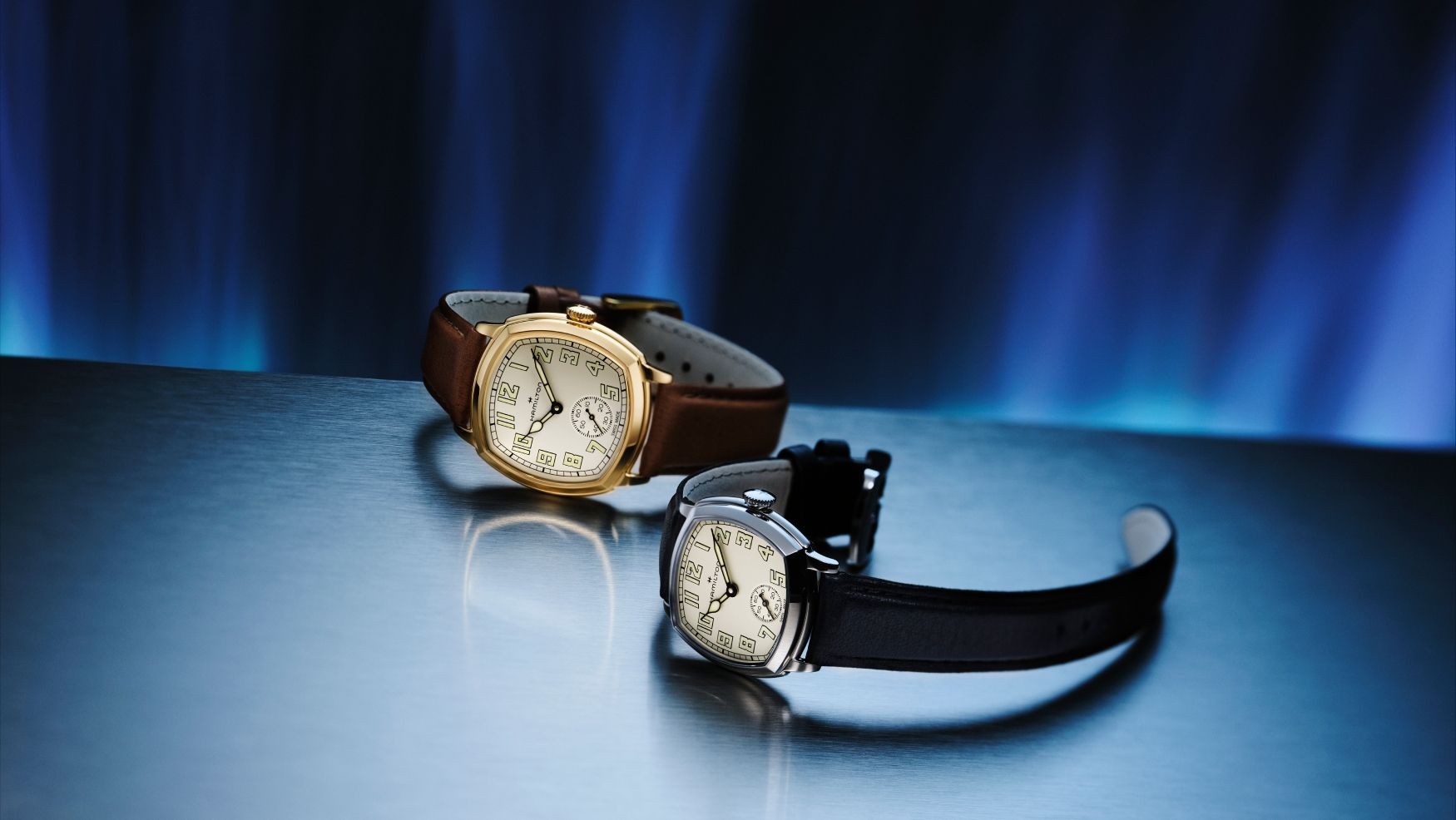
Hamilton's American Classic Cushion Mechanical revives its 1926 Art Deco cushion watches, seen in Oppenheimer, in 30mm and 34mm with the new hand-wound…
Doxa SUB 200: The Accessible Everyday Diver
By Zach Charles • October 10, 2026
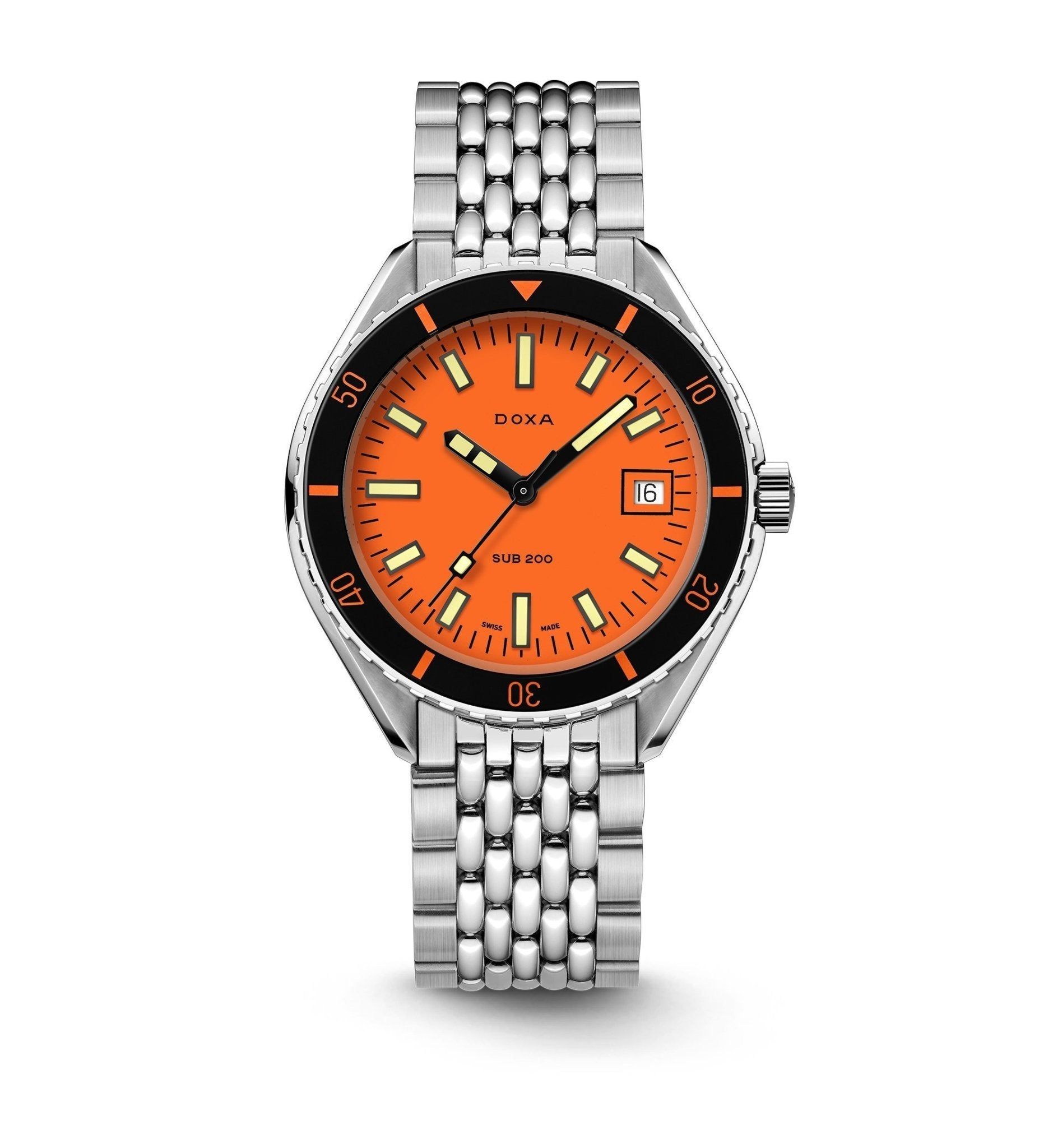
Complete guide to the Doxa SUB 200 — 42mm, 200m, four colorways, Sellita SW200-1. The accessible entry to the Doxa SUB family with the full…
By Zach Charles • October 10, 2026
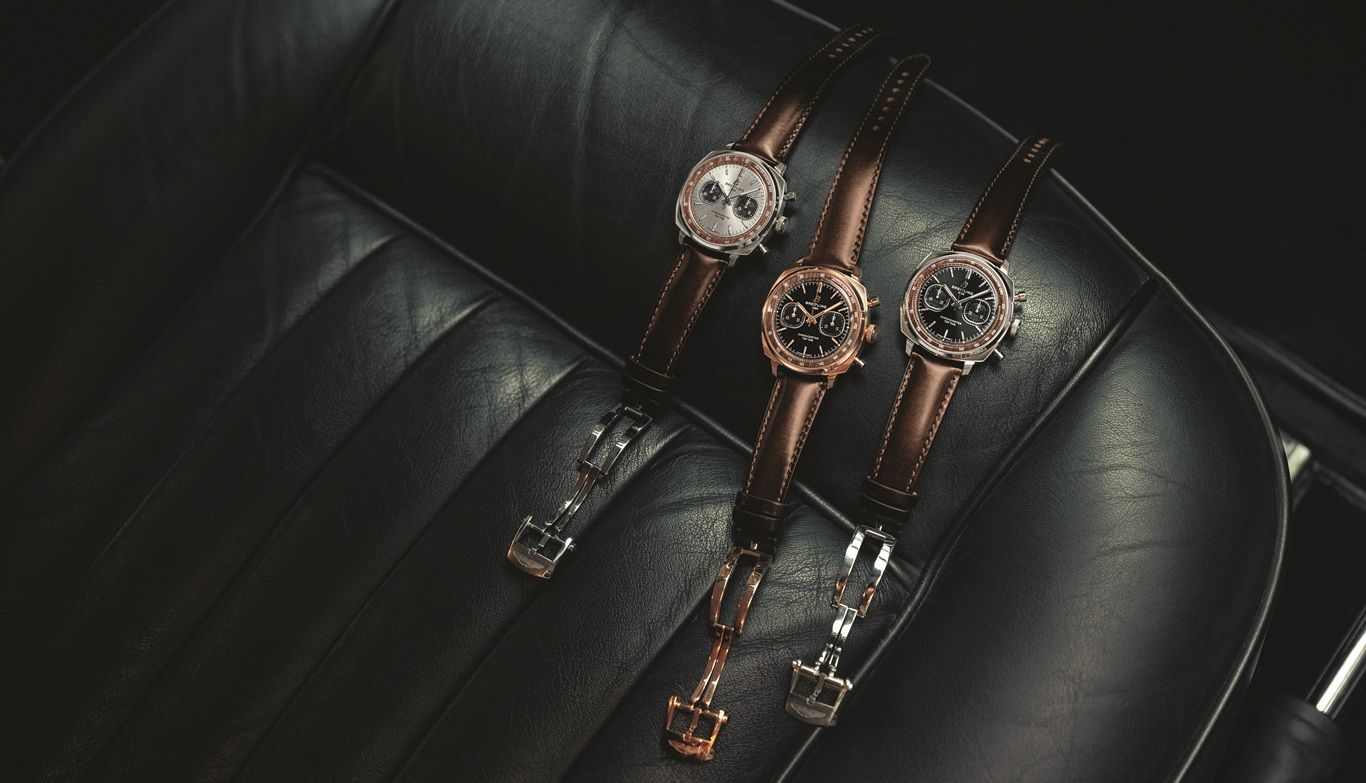
The Breitling Top Time B01 Aston Martin DB5 pairs a cushion-shaped 41mm case, a wooden inner ring and the in-house Caliber 01 across three limited…
By Zach Charles • October 10, 2026
TAG Heuer developed the Mikrograph (2011, 1/100th second), Mikrotimer Flying 1000 (2011, 1/1000th second), and Mikrogirder (2012, 1/2000th second).
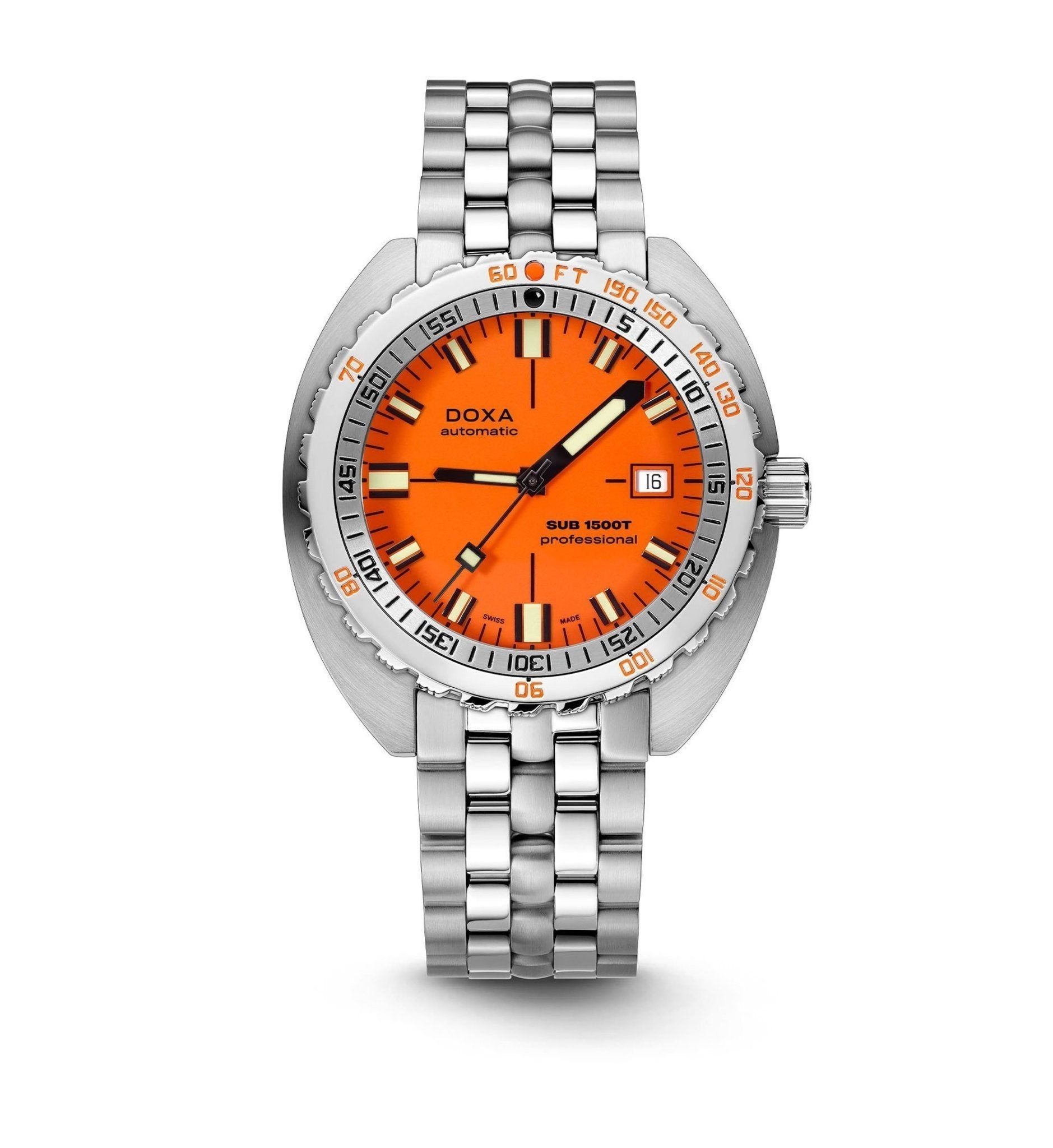
Doxa SUB 1500T: The 1,500-Metre Depth-Rating Flagship
By Zach Charles • October 10, 2026
Complete guide to the Doxa SUB 1500T — 45mm, 1,500m depth rating, helium escape valve, ETA 2892-2 movement, USD 2,690.
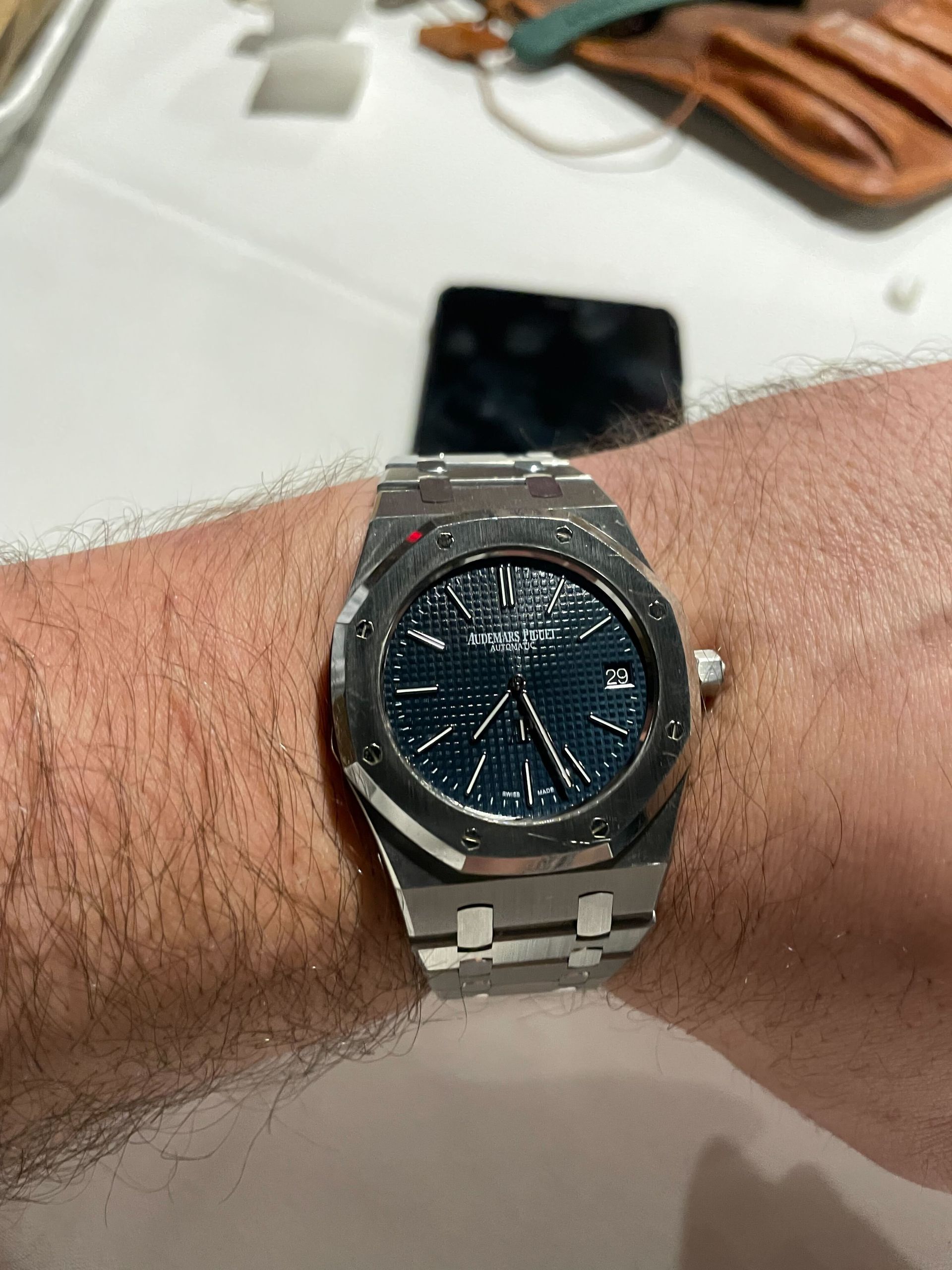
Audemars Piguet Royal Oak 'Jumbo' ref. 15202 with blue tapisserie dial and integrated steel bracelet
By Zach Charles • October 10, 2026
The Audemars Piguet × Swatch Royal Pop is a $400 bioceramic pocket watch in 8 colourways, powered by a new hand-wound SISTEM51 with 90+ hour power…

Time on the Move logo
By Zach Charles • October 10, 2026
Zach Charles is the editor of Time on the Move, an independent watch reference covering brand and model histories, buying guides and release news…
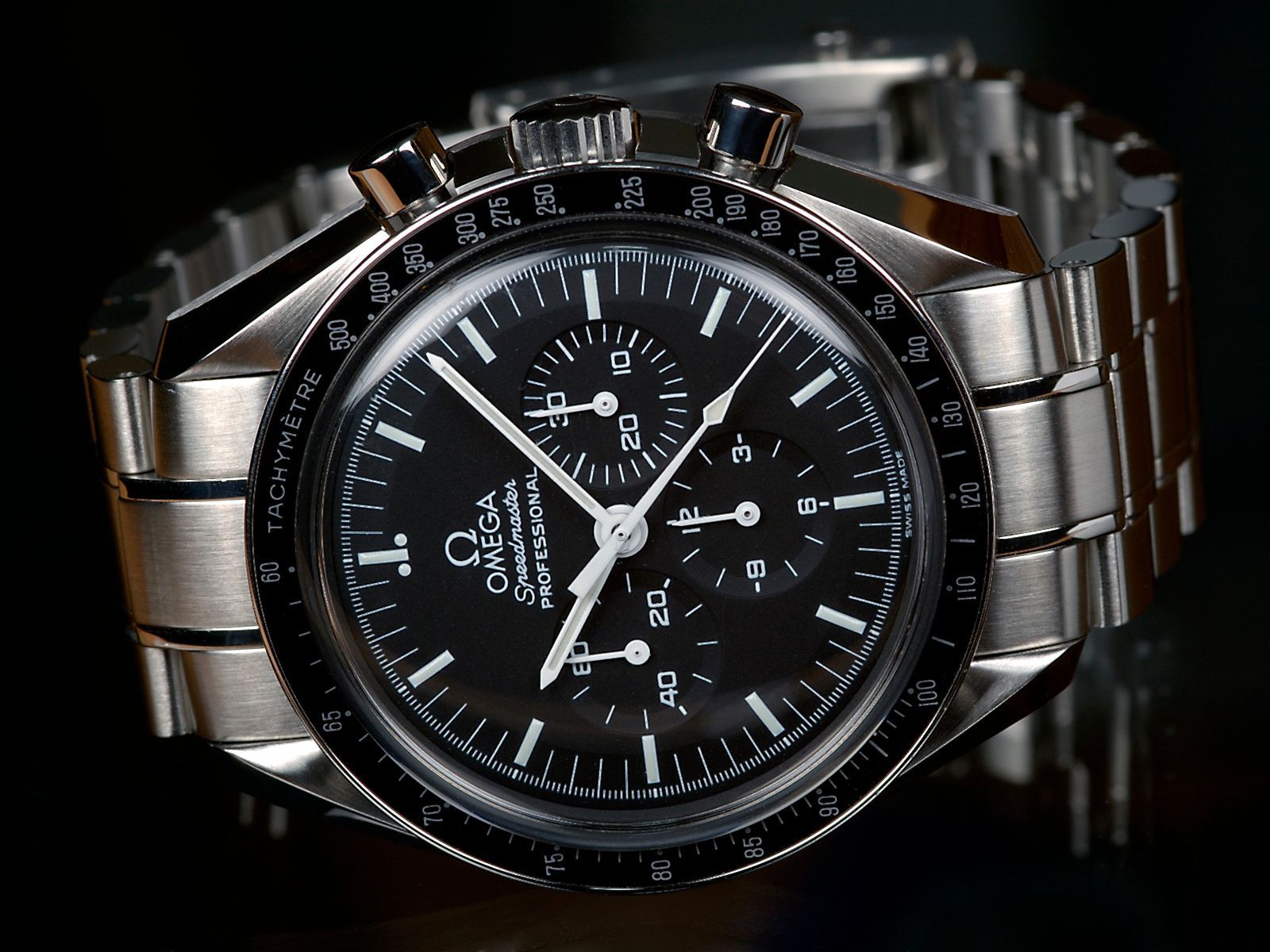
Omega Speedmaster Professional 'Moonwatch' chronograph, front view on steel bracelet
By Zach Charles • October 9, 2026
Find the best watches at every price point from $500 to $15,000 — new and pre-owned. Covers every budget tier with specific reference picks, brand…
By Zach Charles • October 9, 2026
The latest watch news: new releases, Watches and Wonders coverage, discontinuations, industry analysis, and market trends. Currently 1 article.
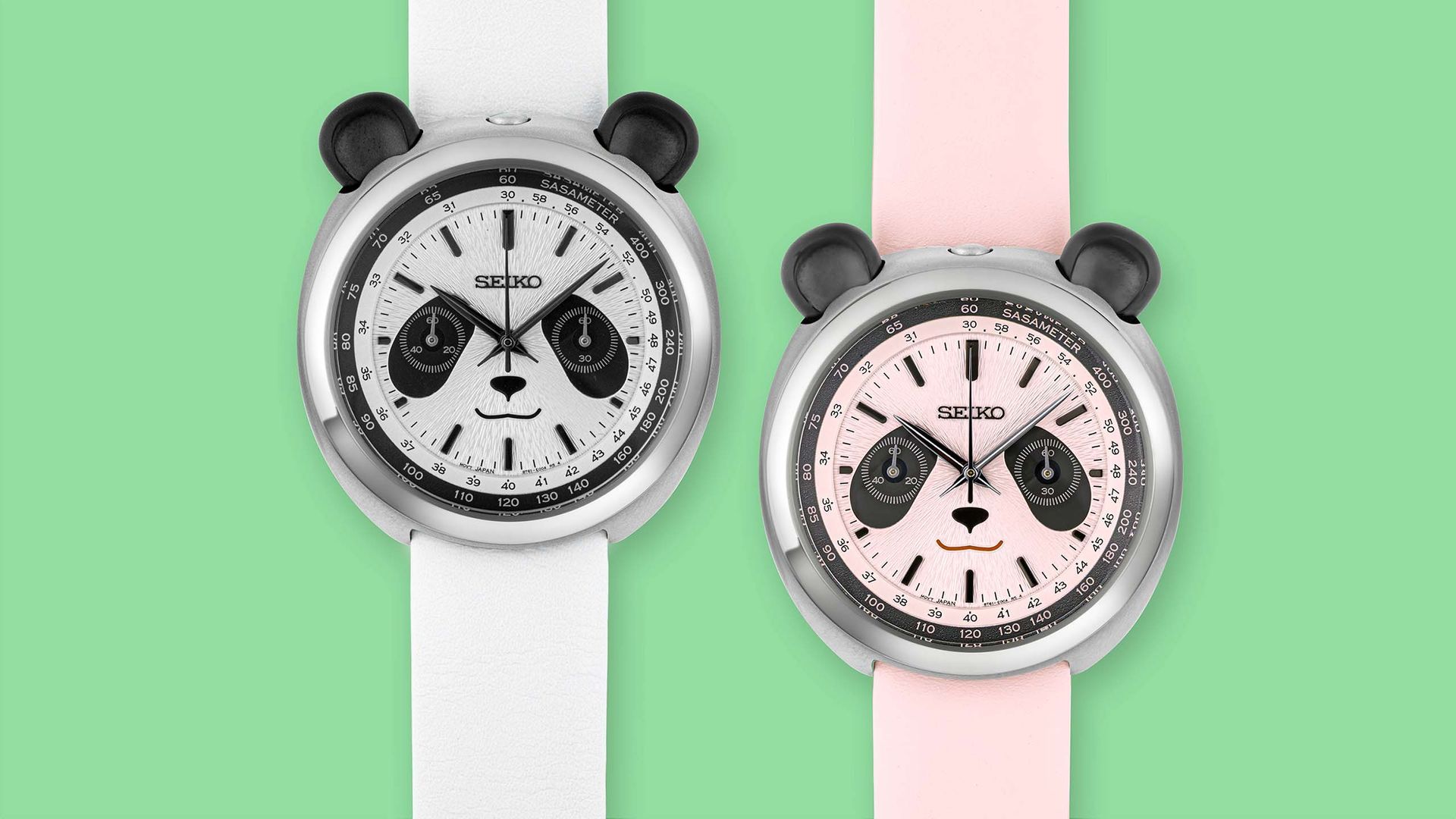
Seiko's New Panda Chronograph Is Literally a Panda: The Power Design Project HHK001 and HHK002
By Zach Charles • October 8, 2026
Seiko's Power Design Project panda chronograph (HHK001, HHK002) turns the panda dial into an actual panda face, with ear pushers, a 'Sasameter' and a 3D…
Show More