
Patek Philippe Aquanaut: The Reference 5060 to 5167 Sport Watch

Zach Charles • June 6, 2026

Share this article

Patek Philippe Aquanaut: History of the Sports Watch

The Patek Philippe Aquanaut arrived at Baselworld in July 1997 as a sports watch for a generation that had grown up with the Nautilus but wanted something distinctly their own. Where the Nautilus drew its silhouette from a porthole and its prestige from scarcity, the Aquanaut was conceived as younger, rounder, and more accessible — a watch that communicated sporting intent without abandoning the refinement expected of Geneva's most storied manufacture. In the nearly three decades since its introduction, the collection has grown into one of Patek Philippe's most commercially significant lines, carried by a handful of core references that each represent a carefully considered evolution of the original brief.


Patek Philippe watch collection at Tiffany & Co., New York, 2008
Patek Philippe timepieces at Tiffany & Co., New York, April 2008 — the Tiffany partnership, dating to 1851, is one of the longest-running authorised dealer relationships in watchmaking.
Photo: Kamal Aboul-Hosn — CC BY 2.0 — Wikimedia Commons
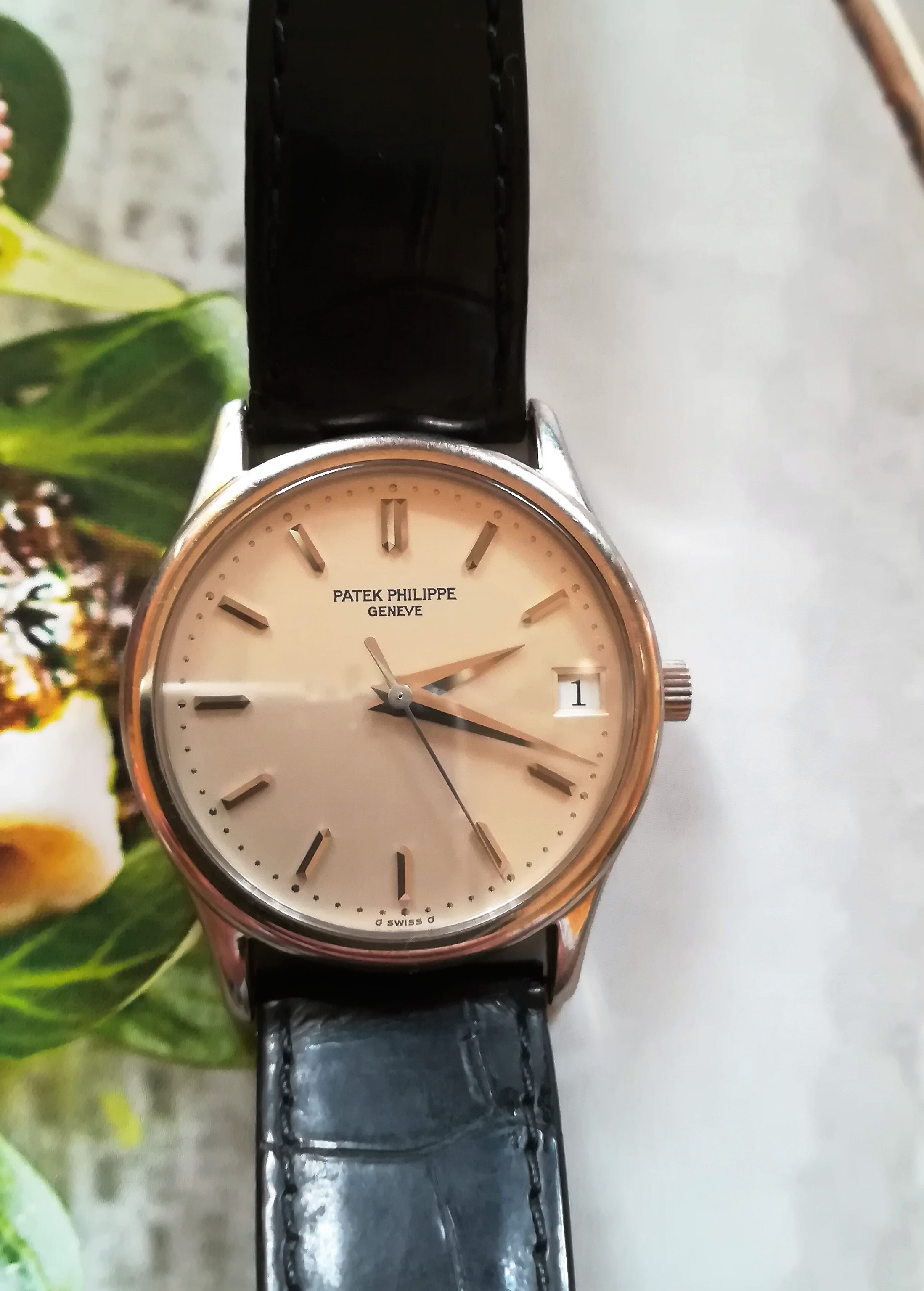
The 1997 Launch: Reference 5060

Patek Philippe Calatrava — the archetypical dress watch
A Patek Philippe Calatrava — the reference that defined the modern round dress watch: clean dial, Calatrava cross hourglass lugs, and a movement of museum quality.
Photo: Clyde94 — CC BY-SA 4.0 — Wikimedia Commons

The Aquanaut's debut reference was the 5060, introduced in two metals simultaneously: the 5060A in stainless steel and the 5060J in yellow gold. Both were limited editions of 1,000 pieces each, establishing the watch's arrival as a deliberate event rather than a routine catalogue addition. The case measured 35.6mm — modest by contemporary standards — with a rounded octagonal bezel that softened the geometric severity of the Nautilus into something more organic. The movement inside was the Calibre 330 SC, a self-winding ebauche with a date display. Both versions featured a solid caseback, a detail that would change with the first regular-production reference.

The design language was anchored by two elements that defined the Aquanaut from the outset: the embossed checkerboard dial pattern and the composite strap. That strap — Patek calls the material "tropical" — is a proprietary compound that resists saltwater, sunscreen, and the physical stress of an active life. It attaches to the case via a fold-over deployant clasp and gives the Aquanaut a visual personality entirely separate from the Nautilus's integrated bracelet. The tropical strap is not merely a practical choice; it is the single most recognizable design element that distinguishes the two collections at a glance.


The 5065: First Regular Production Reference

Patek Philippe watch collection at Tiffany & Co., New York, 2008
Patek Philippe watches displayed at the Tiffany & Co. dedicated boutique opening in New York, April 2008 — illustrating the depth of the brand’s complications range.
Photo: Kamal Aboul-Hosn — CC BY 2.0 — Wikimedia Commons

The transition from limited debut to regular catalogue came in 1998 with the reference 5065. This watch expanded the case to 38mm and switched to the Calibre 315 SC, adding an exhibition caseback that allowed a view of the movement — a feature absent from the 5060 and one that Patek's collectors had come to expect on serious references. The 5065 ran in multiple dial variants and metal combinations across its production life and established the Aquanaut as a permanent fixture in the collection rather than a commemorative launch piece.

During the early 2000s, the 5065 family gave collectors the first clear picture of what the Aquanaut could be across different metals and dial treatments. Steel remained the most coveted configuration, a pattern that would persist through every subsequent generation, while gold variants demonstrated that the case shape and dial architecture translated convincingly to precious metal without losing their sporting character.


The Modern Core: Reference 5167

Patek Philippe Museum, Geneva
The Patek Philippe Museum in Geneva — housing over 2,000 timepieces spanning five centuries of horological history, from 16th-century enamel watches to modern Patek complications.
Photo: Mourad Ben Abdallah (Moumou82) — CC BY-SA 3.0 — Wikimedia Commons

The reference that defines the Aquanaut for most contemporary collectors is the 5167A-001, introduced in 2007. At 40mm it grew to a size that read as properly contemporary, and the Calibre 324 SC beneath the exhibition caseback provided a more technically accomplished movement than its predecessors — self-winding, with a date function, 45-hour power reserve, and Patek's Gyromax balance. The 5167A in black dial on a tropical strap became the image most people reach for when they think of the Aquanaut today: understated in steel, technically complete, and priced at a level that, while substantial, placed it below the Nautilus in the catalogue hierarchy.

The 5167 family extended into rose gold and white gold variants, each carrying the same 40mm case and Calibre 324 SC but wearing the collection's aesthetic differently. Rose gold Aquanauts occupy a distinct collector niche, combining the tropical strap's sportiness with the warmth of the metal in a combination that few competing designs from other houses have matched convincingly.


Larger Formats: The 5168G

Patek Philippe Archives building, Plan-les-Ouates, Geneva
The Patek Philippe Archives in Plan-les-Ouates, Geneva — where records dating to the brand’s 1839 founding are maintained, enabling authentication of every historical reference.
Photo: Franck Schneider — CC BY-SA 3.0 — Wikimedia Commons

The 5168G brought the Aquanaut case to 42.2mm in white gold, addressing a segment of the market that the 5167 did not cover. White gold gives the case a cooler, harder appearance than either steel or yellow/rose gold, and the 5168G has appeared in dial colors — including a much-discussed khaki green — that emphasized the watch's position as a lifestyle piece as much as a horological object. At 42.2mm, the 5168G reads as a distinct proposition from the 5167: more emphatic, more explicitly dressed for notice.


Complications in the Aquanaut Line

Patek has expanded the Aquanaut beyond simple three-hand-with-date configurations in two important directions. The 5964, the Travel Time Aquanaut, placed the brand's dual time zone display — with a 24-hour indicator distinguishing day from night at the secondary time — into the collection's case. This made the Aquanaut the platform for Patek's travel complication in a sports context, a natural pairing given the lifestyle associations the watch had accumulated.

The more technically ambitious extension was the 5968A, introduced in 2018. This reference incorporated a flyback chronograph driven by the Calibre CH 28-520 C, a sophisticated automatic movement that provides both elapsed-time measurement and the convenience of flyback reset. At 42.2mm in stainless steel, the 5968A is the largest and most mechanically complex regular Aquanaut reference, and it sits at the intersection of sports watch and complications piece in a way that had previously been difficult to achieve within the collection's aesthetic.


Patek Philippe and Tiffany & Co.

Patek Philippe complications at Tiffany & Co., New York, 2008
Patek Philippe complications on display at the Tiffany & Co. boutique, New York, April 2008 — the perpetual calendars and chronographs that define the brand’s Grand Complication programme.
Photo: Kamal Aboul-Hosn — CC BY 2.0 — Wikimedia Commons
The relationship between Patek Philippe and Tiffany & Co. dates to 1851, making it one of the longest retail partnerships in the watch industry. Tiffany-signed Patek Philippe watches — carrying "Tiffany & Co." at the 6 o'clock position on the dial — have appeared across multiple collections over the decades, and the Aquanaut is no exception. Tiffany-signed Aquanauts feature black dials with the retailer's name in place of the standard typography at 6 o'clock. These examples command significant premiums on the secondary market, as they combine the Patek name with the scarcity of dual-signed production and the cultural resonance of the Tiffany partnership.


Latest News

Frequently Asked Questions

What was the first Aquanaut reference?
The first Aquanaut references were the 5060A (stainless steel) and 5060J (yellow gold), both limited to 1,000 pieces each and introduced at Baselworld in July 1997. The 5065, introduced in 1998, was the first regular-production Aquanaut.

How is the Aquanaut different from the Nautilus?
The Nautilus uses an integrated metal bracelet and a more angular porthole-derived case shape; the Aquanaut uses a rounded octagonal bezel and Patek's proprietary "tropical" composite strap. The two collections occupy different price points and aesthetic registers within the Patek lineup.

What is the tropical strap made of?
The tropical strap is a proprietary composite material developed by Patek Philippe. It resists saltwater, UV exposure, and the physical demands of an active lifestyle. The embossed texture on the strap echoes the checkerboard dial pattern used across the Aquanaut line.

What is the Aquanaut 5968A?
The 5968A is the flyback chronograph Aquanaut, introduced in 2018. It measures 42.2mm in stainless steel and is powered by the Calibre CH 28-520 C automatic flyback chronograph movement.

Are Tiffany-signed Aquanauts different watches?
Mechanically they are identical to standard production. The distinction is a "Tiffany & Co." signature at 6 o'clock on the dial, present on watches sold through Tiffany retail. These examples trade at significant premiums on the secondary market due to scarcity and the historical significance of the Patek–Tiffany partnership.


Related Articles

Recent Posts

By Zach Charles • October 10, 2026
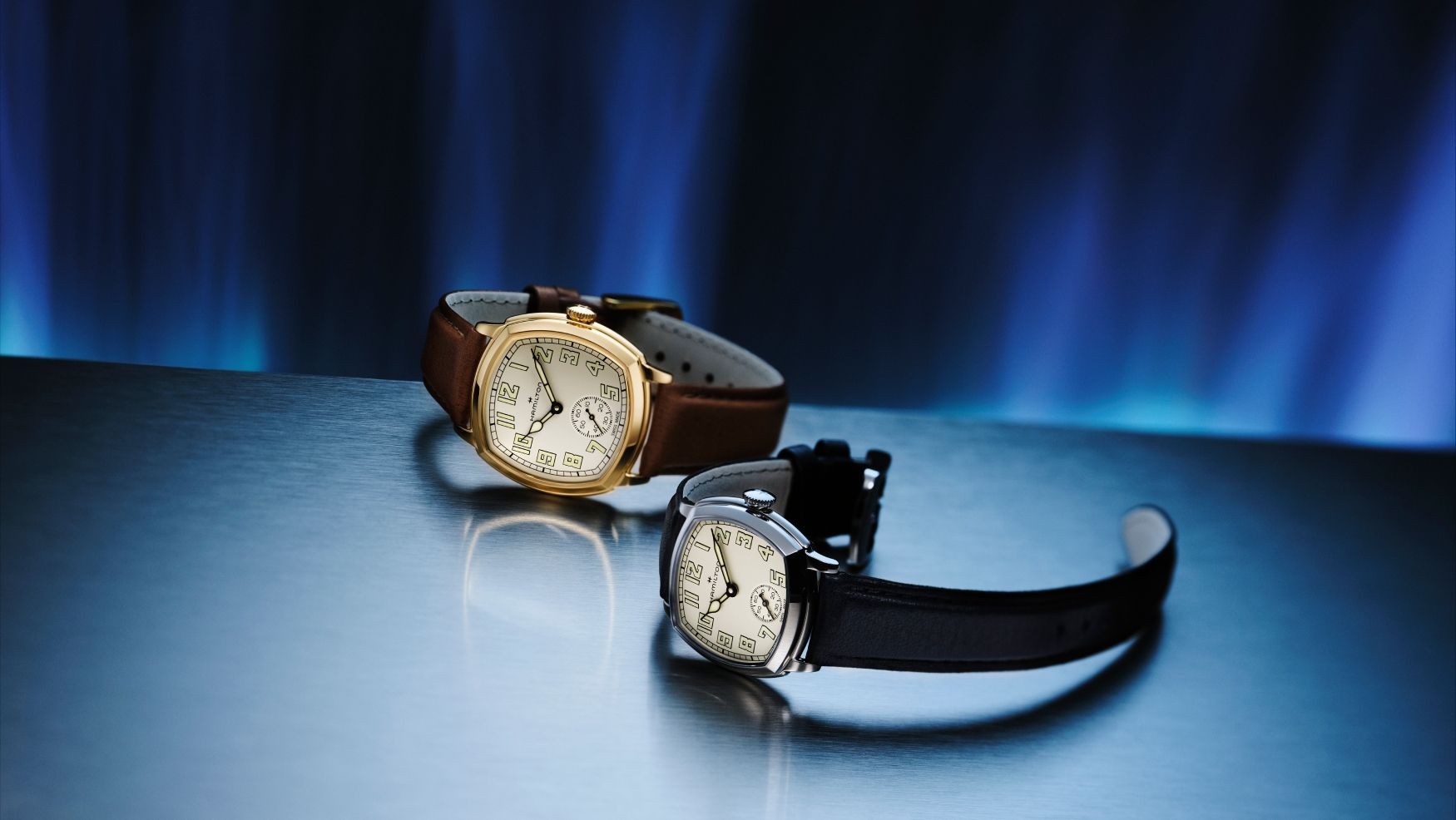
Hamilton's American Classic Cushion Mechanical revives its 1926 Art Deco cushion watches, seen in Oppenheimer, in 30mm and 34mm with the new hand-wound…
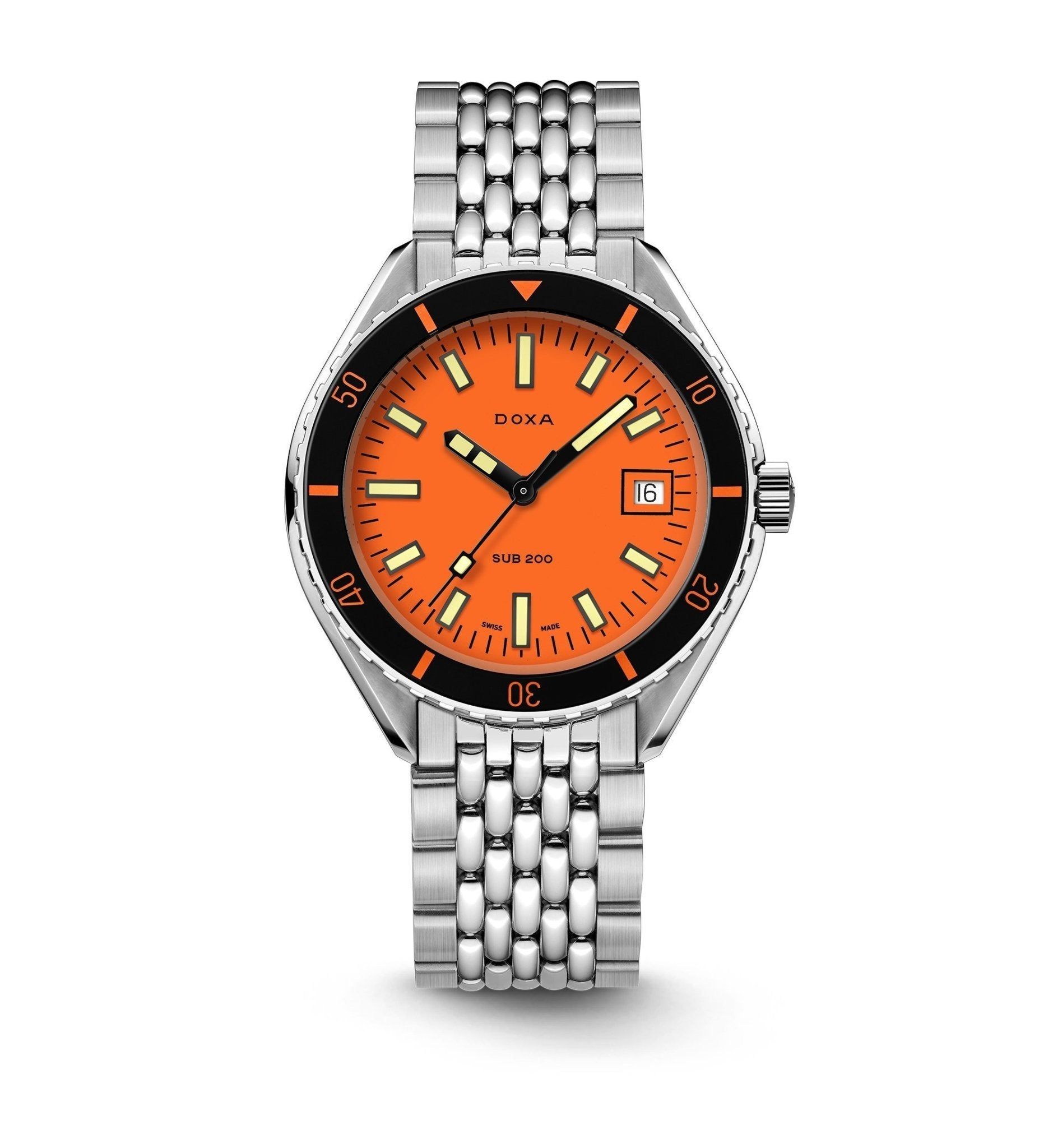
Doxa SUB 200: The Accessible Everyday Diver
By Zach Charles • October 10, 2026
Complete guide to the Doxa SUB 200 — 42mm, 200m, four colorways, Sellita SW200-1. The accessible entry to the Doxa SUB family with the full…
By Zach Charles • October 10, 2026
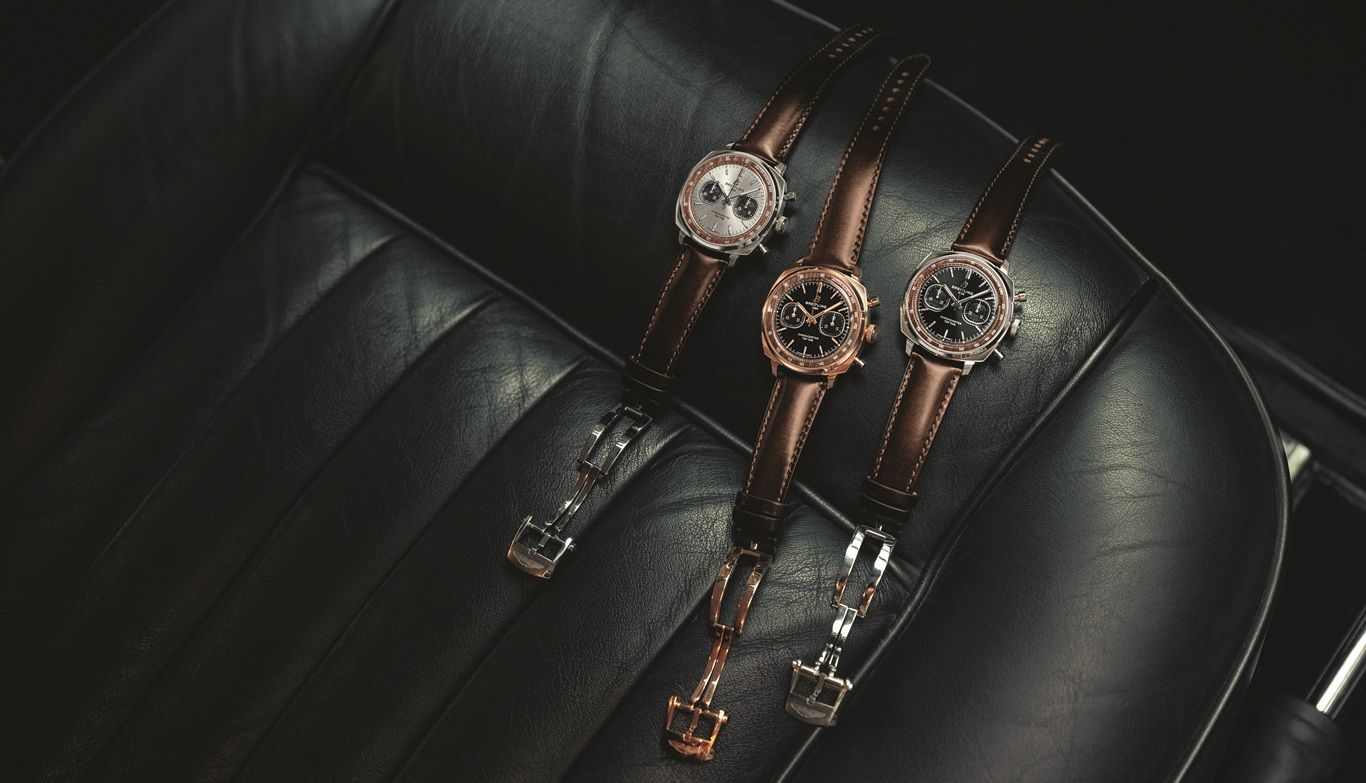
The Breitling Top Time B01 Aston Martin DB5 pairs a cushion-shaped 41mm case, a wooden inner ring and the in-house Caliber 01 across three limited…
By Zach Charles • October 10, 2026
TAG Heuer developed the Mikrograph (2011, 1/100th second), Mikrotimer Flying 1000 (2011, 1/1000th second), and Mikrogirder (2012, 1/2000th second).
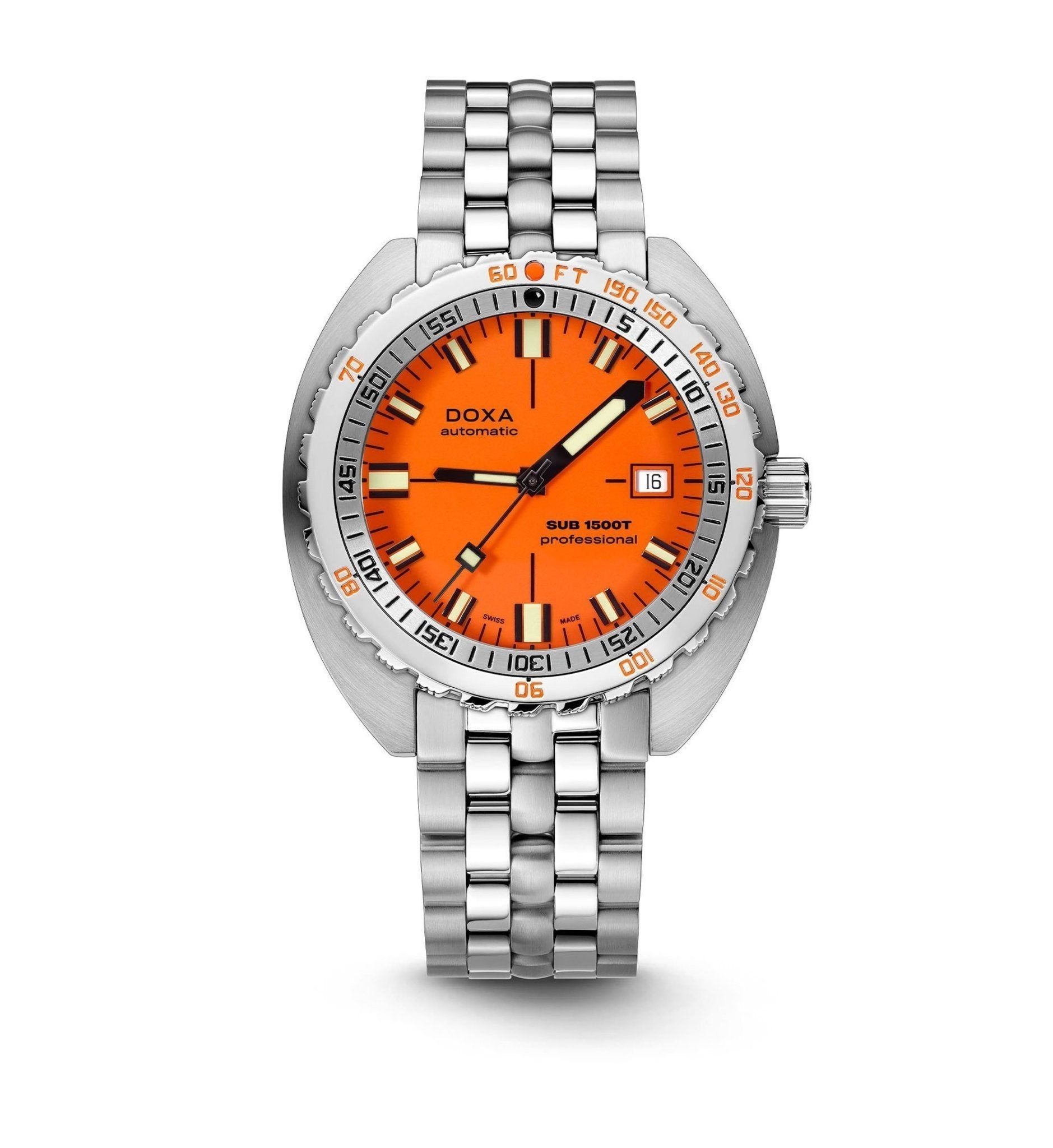
Doxa SUB 1500T: The 1,500-Metre Depth-Rating Flagship
By Zach Charles • October 10, 2026
Complete guide to the Doxa SUB 1500T — 45mm, 1,500m depth rating, helium escape valve, ETA 2892-2 movement, USD 2,690.
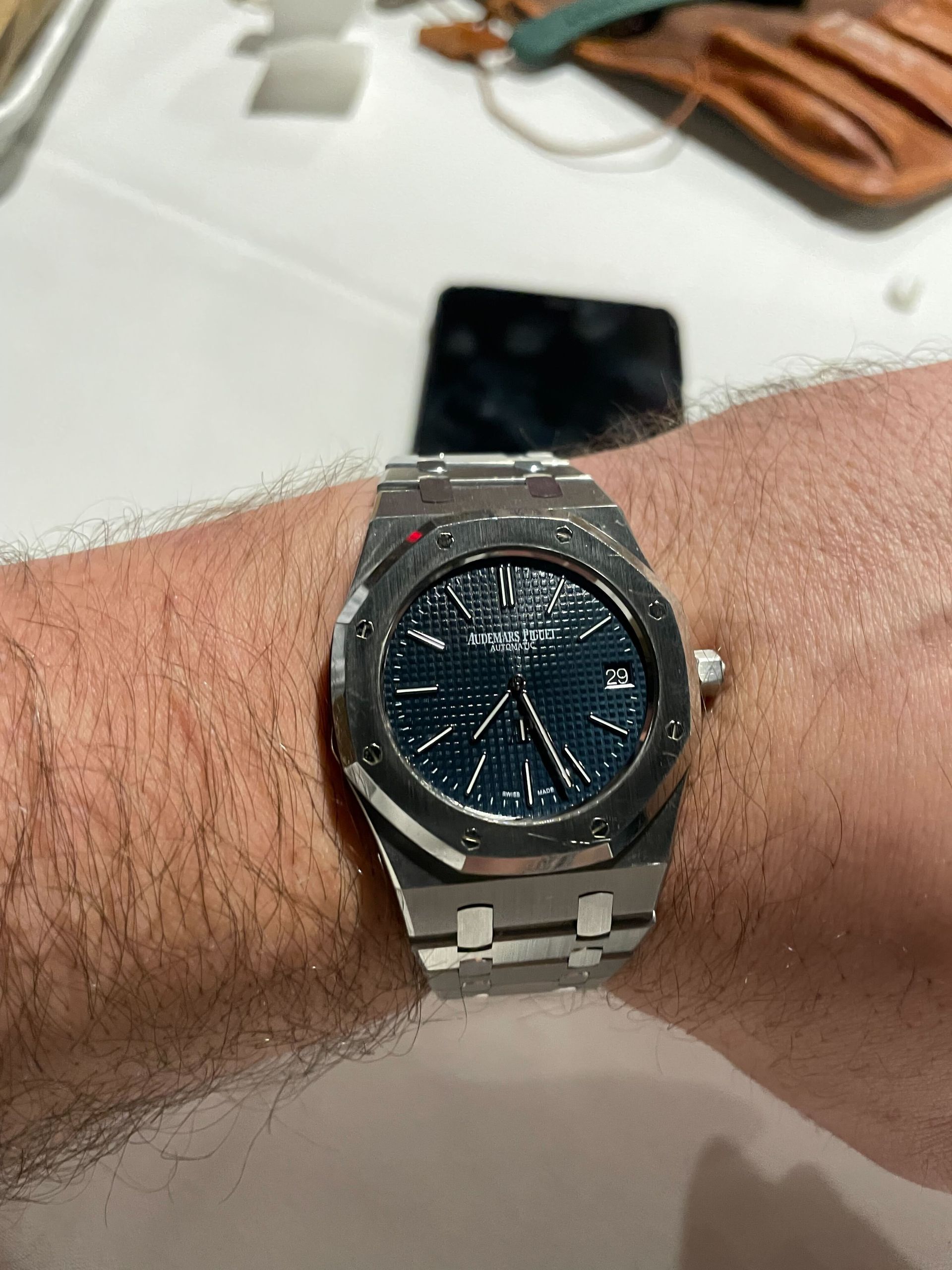
Audemars Piguet Royal Oak 'Jumbo' ref. 15202 with blue tapisserie dial and integrated steel bracelet
By Zach Charles • October 10, 2026
The Audemars Piguet × Swatch Royal Pop is a $400 bioceramic pocket watch in 8 colourways, powered by a new hand-wound SISTEM51 with 90+ hour power…

Time on the Move logo
By Zach Charles • October 10, 2026
Zach Charles is the editor of Time on the Move, an independent watch reference covering brand and model histories, buying guides and release news…
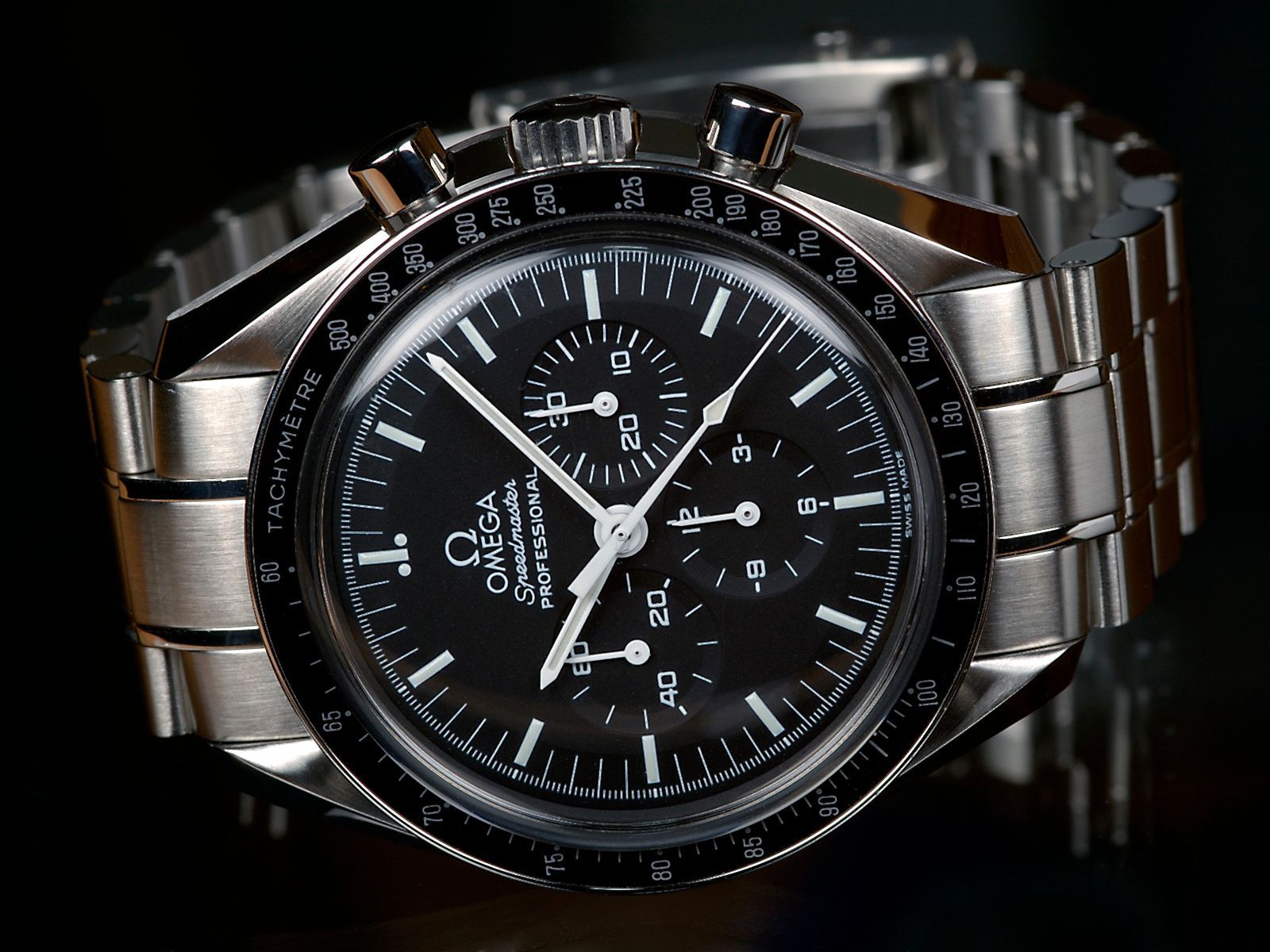
Omega Speedmaster Professional 'Moonwatch' chronograph, front view on steel bracelet
By Zach Charles • October 9, 2026
Find the best watches at every price point from $500 to $15,000 — new and pre-owned. Covers every budget tier with specific reference picks, brand…
By Zach Charles • October 9, 2026
The latest watch news: new releases, Watches and Wonders coverage, discontinuations, industry analysis, and market trends. Currently 1 article.
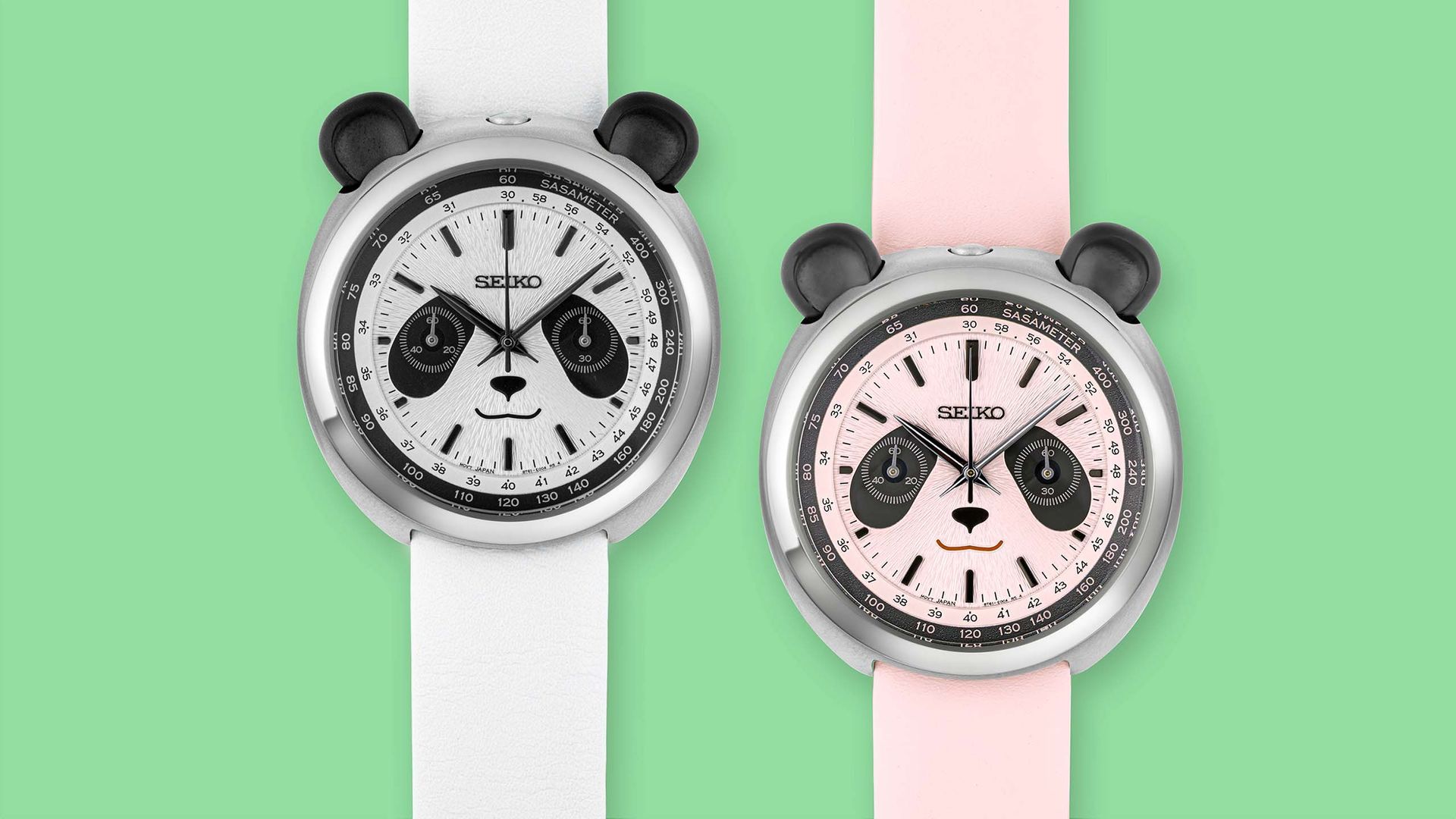
Seiko's New Panda Chronograph Is Literally a Panda: The Power Design Project HHK001 and HHK002
By Zach Charles • October 8, 2026
Seiko's Power Design Project panda chronograph (HHK001, HHK002) turns the panda dial into an actual panda face, with ear pushers, a 'Sasameter' and a 3D…
Show More