
Panerai Luminor 1950: The Reference Year Case and Its Variants

Zach Charles • August 10, 2026

Share this article

Panerai Luminor 1950: The Heritage Case

The standard Luminor case was introduced in 1993 and was, to that point, the most faithful civilian translation of the military watches Panerai had produced for the Italian Navy. But "most faithful" is a relative term. The 1993 case made concessions: it was thinner, the lugs were shorter, and the crystal was flat sapphire rather than the domed acrylic of the originals. In 2002, with a 1,950-piece limited edition, Panerai corrected these concessions. The result — the Luminor 1950 case — became the brand's most architecturally detailed case form and the foundation for the Submersible 1950 line.


Panerai crown-guard bridge — close detail
A close view of the Panerai lever-bridge crown guard — patented on 30 November 1955. The bridge locks the winding crown in the closed position, providing a watertight seal under diving conditions. This crown-guard mechanism remains the most distinctive design feature of the Luminor case.
Photo: Piero7 — Public Domain — Wikimedia Commons

Introduction — 2002 Limited Edition

Giovanni Panerai — historical photograph, 1860
A historical photograph of Giovanni Panerai, founder of the shop on the Ponte alle Grazie in Florence in 1860 that would become Officine Panerai. The establishment served initially as a watchmaking school and supplier of precision naval instruments to the Italian Navy.
Photo: Historical photograph — Public Domain — Wikimedia Commons

The Luminor 1950 case was introduced in 2002 as a 1,950-piece numbered limited edition — a production quantity chosen to reference the date "1950," the approximate era of the Ref. 6152/1 military Luminors that inspired the case design. (The crown guard device was patented in 1955; the "1950" designation refers to the broader early-1950s military watch era rather than a specific production year.)

The limited edition was the first time the 1950 case architecture appeared in production. Its commercial reception established that a significant segment of the Panerai collector community preferred the thicker, more historically faithful case to the standard 44mm Luminor. The 1950 case moved to permanent collection status after the initial limited run.


Panerai crown-guard bridge — Luminor 1950 detail
The Panerai crown-guard lever bridge on the Luminor 1950 — retaining the patented locking mechanism of the 1955 original in the slimmer 1950-reference case profile. The 1950 case tapers more sharply toward the lugs and sits closer to the wrist than the standard Luminor.
Photo: Piero7 — Public Domain — Wikimedia Commons
Luminor 1950 vs. Standard Luminor — Detailed Comparison

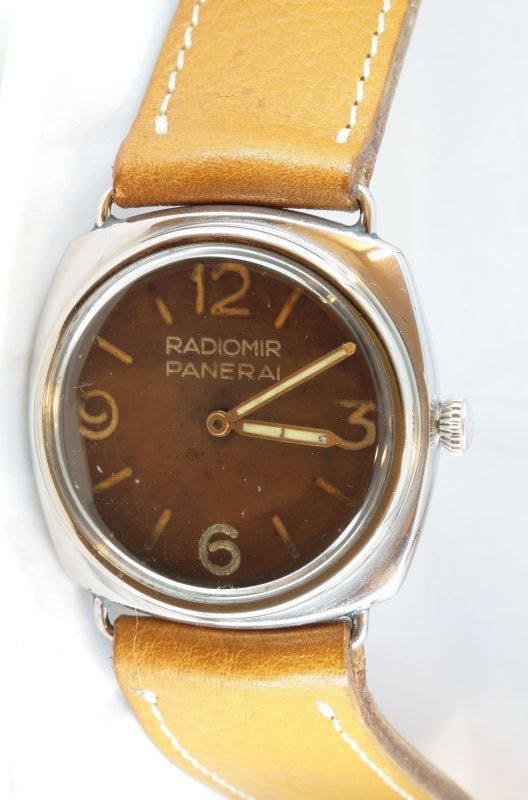
Panerai Radiomir wristwatch
A Panerai Radiomir — the cushion-cased dive watch derived from the 1936 prototype supplied to the Italian Navy. The wire lugs, large onion crown, and sandwich dial are characteristic of the original military specification.
Photo: Piero7 — Public Domain — Wikimedia Commons
Feature Luminor (Standard 44mm) Luminor 1950
Diameter 44mm 44mm or 47mm
Thickness ~15–16mm ~18mm
Lugs Shorter, downward-angled Longer, U-shaped profile
Case band Slopes downward to caseback U-shaped band profile
Crystal Flat sapphire (AR-coated) Domed sapphire
Caseback Solid Transparent display
Crown guard marking Unmarked "R.E.G. T.M."
First production 1993 2002 (limited)
Case inspiration 1993 civilian brief 1950s military Ref. 6152/1

The Domed Sapphire Crystal

The most immediately recognisable visual distinction between the Luminor 1950 and the standard Luminor is the domed sapphire crystal . Flat AR-coated sapphire has been the watch industry standard for decades — it is scratch-resistant, provides excellent clarity, and is easy to produce. The original military Panerai watches used a 4mm thick domed acrylic (Perspex) crystal — dimensioned for impact resistance and giving a characteristic profile when viewed from the side.

The Luminor 1950's domed sapphire replicates this profile in a harder material. The dome has two optical consequences: it creates a characteristic reflection at the crystal's edge (a curved reflection rather than the flat AR-coated sapphire's non-reflection), and it gives the watch a different visual weight from the side — the case appears to culminate in a curved dome rather than a flat glass. For collectors who regard the original military watches as the reference point, the domed crystal is the single most important authenticity marker.

The U-Shaped Case Band and Longer Lugs

The standard Luminor case's side profile slopes downward from the bezel to the caseback — a concave profile that reduces perceived thickness. The Luminor 1950's case band follows a U-shaped profile rather than sloping — the band maintains a more consistent height, giving the case a more rectangular side profile. This is a more faithful replication of the military watches' case geometry, which did not use sloped-band thinning.

The longer lugs of the 1950 case provide greater distance between the case band and the strap attachment point — another direct reference to the originals, which required the strap to extend well beyond the case to accommodate the length needed to pass over a diving suit.

The Display Caseback

The standard Luminor's caseback is solid stainless steel. The Luminor 1950's caseback is transparent — a domed sapphire caseback that exposes the movement. This is an inversion of the military watch specification (the originals had screwed-down solid casebacks, prioritising water resistance over visibility) but serves a different collector requirement: in a modern collection, displaying the movement has become an expected luxury specification. The 1950 caseback delivers this while framing the movement within an architecturally detailed case that remains historically referenced.

"R.E.G. T.M." on the Crown Guard

The Luminor 1950's crown guard bridge is marked "R.E.G. T.M." — an abbreviation for "Registered Trademark," referencing the crown guard's original patent and trademark status as a Panerai-specific device. The standard Luminor's crown guard carries no such marking. It is a subtle detail that rewards close inspection.


3-Days, 8-Days, and Complication Variants

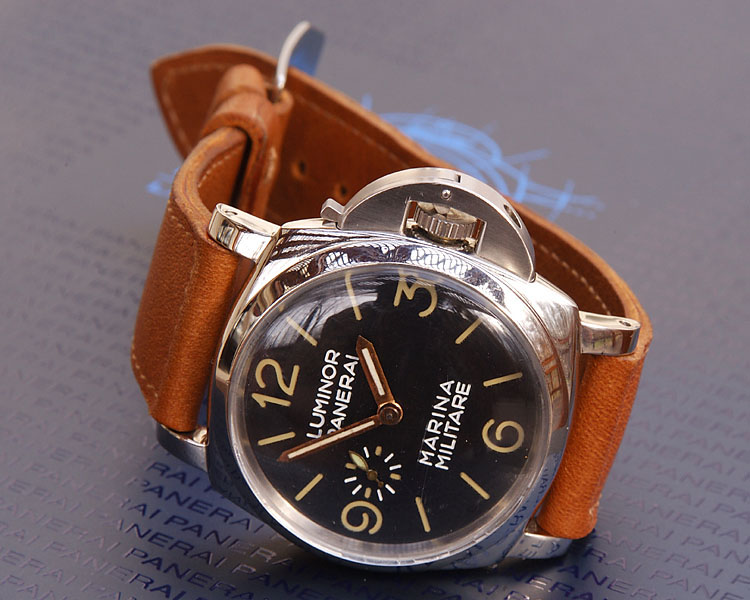
Panerai Luminor Marina Militaire
A Panerai Luminor Marina Militaire — the military-grade variant of the Luminor with crown-guard locking bridge, luminous hour markers, and rubber strap. The Marina Militaire designation reflects Panerai’s historical supply contracts with the Italian Navy.
Photo: Jay Pulli — Copyrighted Free Use — Wikimedia Commons

The Luminor 1950 case has been paired with the full range of in-house Panerai calibres, producing a substantial sub-family:

Luminor 1950 3 Days : Standard 72-hour power reserve. Powered by the P.3000 (manual) or P.9010 (automatic). The most accessible Luminor 1950 specification.

Luminor 1950 8 Days : 192-hour power reserve. Powered by the P.5000 (manual, 127 parts) or P.2002 (manual, 247 parts with GMT and power reserve indicator). The 8-day specification references the Angelus-movement Ref. 6152/1 military watches — the functional requirement that drove the adoption of the Angelus calibre in military production.

Luminor 1950 Tourbillon : References with the P.2005 calibre — the movement with a tourbillon cage rotating on an axis perpendicular to the conventional orientation. Available in gold cases, produced in very small numbers.

Luminor 1950 Rattrapante : Select limited edition references with split-seconds (rattrapante) chronograph function. Among the most complex Panerai movements produced.


The Luminor 1950 and the Submersible

Vintage Panerai diving equipment set
A set of vintage Panerai diving tools and instruments supplied to the Italian Navy — illustrating Panerai’s role as a full-service military equipment supplier rather than merely a watchmaker. The firm produced depth gauges, compasses, and underwater breathing apparatus alongside watches.
Photo: Piero7 — Public Domain — Wikimedia Commons
The Luminor 1950 case architecture is the foundation of the Submersible 1950 — the Submersible collection's most architecturally faithful references. The Submersible 1950 adds the unidirectional rotating bezel and 300m water resistance to the 1950 case's U-shaped band, longer lugs, and domed crystal.

This combination produced the references that most directly connect the contemporary dive watch collection to the military watch heritage: the 47mm case with domed crystal and rotating bezel is the closest in form to the original 47mm military Luminors that the modern catalogue offers.

Key Submersible 1950 references include the PAM00616 (first Carbotech, 47mm) and subsequent Submersible 1950 references in bronze, titanium, and steel — all using the 1950 case as the foundation.


Collector Position

The Luminor 1950 occupies a specific position in the Panerai hierarchy that is worth stating directly: it is the collector's Luminor .

  • Buyers who have moved through one or more standard Luminor references and want greater historical fidelity tend to migrate to the 1950 case.
  • The domed crystal and display caseback provide visual elements not available on the standard Luminor.
  • The 8-day power reserve variants — particularly with the P.2002 — are among the most technically specified Panerai references in the non-complication category.
  • At 47mm, the 1950 case reads closer to the original military proportions than the 44mm standard Luminor.

The trade-off is bulk: at ~18mm thick, the Luminor 1950 is a substantial watch. For wearers who have accepted the Panerai proposition of wearing instruments rather than jewellery, this is the intended specification. For wearers looking for a thinner option, the Luminor Due is the correct direction.


Frequently Asked Questions

When was the Luminor 1950 introduced?
As a 1,950-piece numbered limited edition in 2002. The production quantity referenced the "1950" in the name — the approximate era of the military Ref. 6152/1 Luminors that inspired the case. The 1950 became a permanent collection reference after the initial limited run.

What makes the Luminor 1950 different from the standard Luminor?
Four main differences: thickness (~18mm vs ~15–16mm), lugs (longer U-shaped profile vs shorter angled), crystal (domed sapphire vs flat sapphire), and caseback (transparent display vs solid). The crown guard is also marked "R.E.G. T.M." on the 1950.

Why is the Luminor 1950 crystal domed?
The original 1950s military Panerai watches used a 4mm domed acrylic crystal. The domed sapphire in the modern Luminor 1950 replicates this profile in a harder material — providing the characteristic curved visual profile and edge reflection of the original while using contemporary sapphire hardness.

What movements does the Luminor 1950 use?
The P.3000 (manual, 72hr), P.9010 (automatic, 72hr), P.5000 (manual, 8-day, 127 parts), and P.2002 (manual, 8-day, GMT, power reserve indicator, 247 parts). The 8-day specification references the Angelus-movement military watches of the 1950s.

Is the Luminor 1950 the base case for the Submersible?
The Submersible 1950 sub-line uses the Luminor 1950 case architecture with the addition of a rotating bezel and 300m water resistance rating, including key references such as the first Carbotech watch (PAM00616).


Related Articles

Recent Posts

By Zach Charles • October 10, 2026
Hamilton's American Classic Cushion Mechanical revives its 1926 Art Deco cushion watches, seen in Oppenheimer, in 30mm and 34mm with the new hand-wound…
Doxa SUB 200: The Accessible Everyday Diver
By Zach Charles • October 10, 2026
Complete guide to the Doxa SUB 200 — 42mm, 200m, four colorways, Sellita SW200-1. The accessible entry to the Doxa SUB family with the full…
By Zach Charles • October 10, 2026
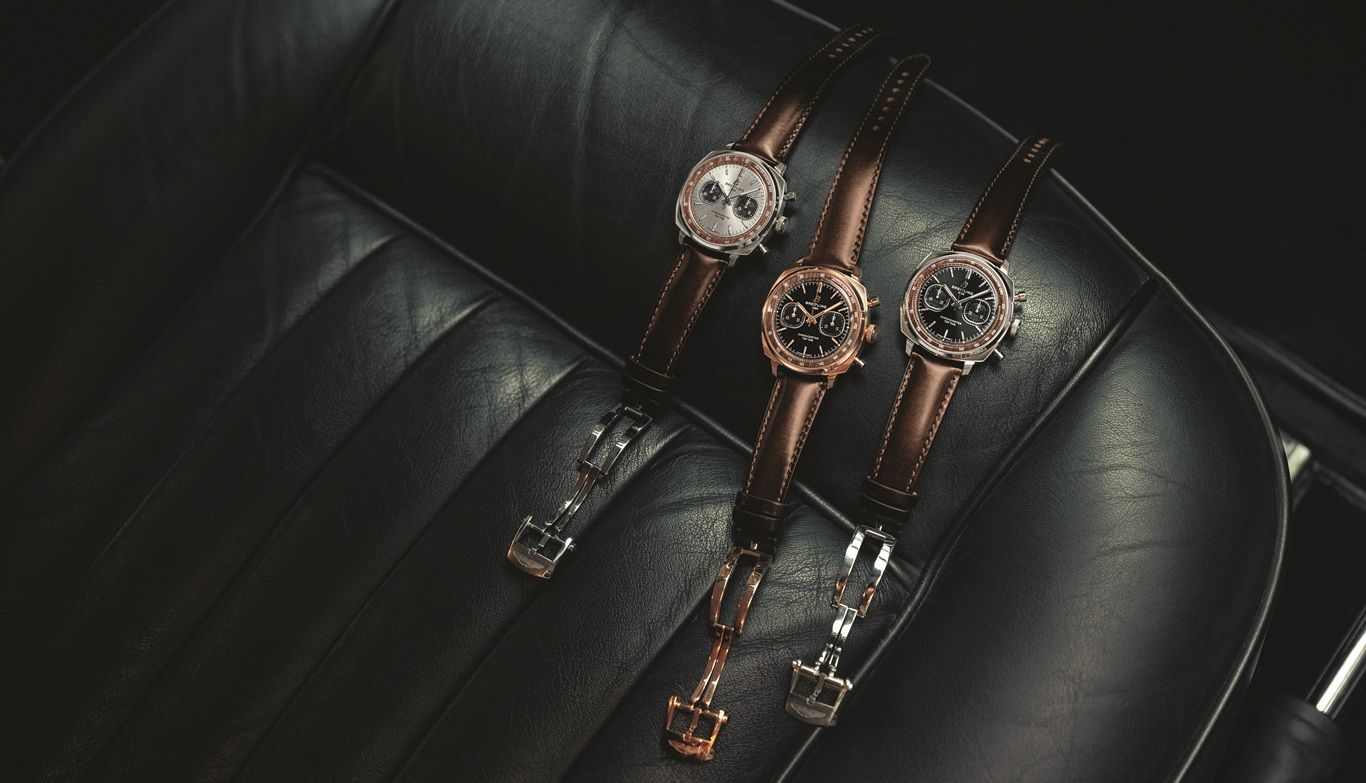
The Breitling Top Time B01 Aston Martin DB5 pairs a cushion-shaped 41mm case, a wooden inner ring and the in-house Caliber 01 across three limited…
By Zach Charles • October 10, 2026
TAG Heuer developed the Mikrograph (2011, 1/100th second), Mikrotimer Flying 1000 (2011, 1/1000th second), and Mikrogirder (2012, 1/2000th second).
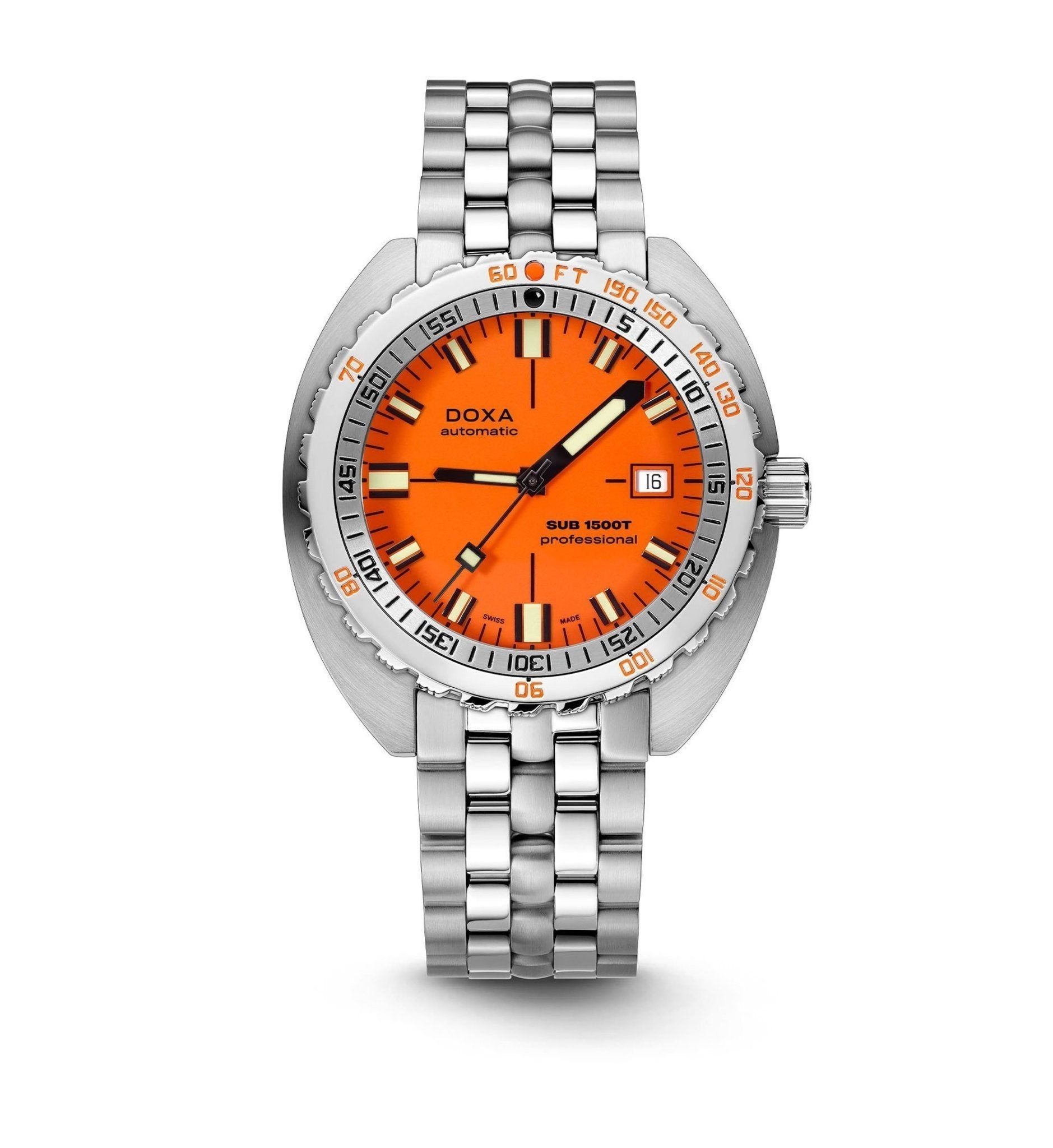
Doxa SUB 1500T: The 1,500-Metre Depth-Rating Flagship
By Zach Charles • October 10, 2026
Complete guide to the Doxa SUB 1500T — 45mm, 1,500m depth rating, helium escape valve, ETA 2892-2 movement, USD 2,690.
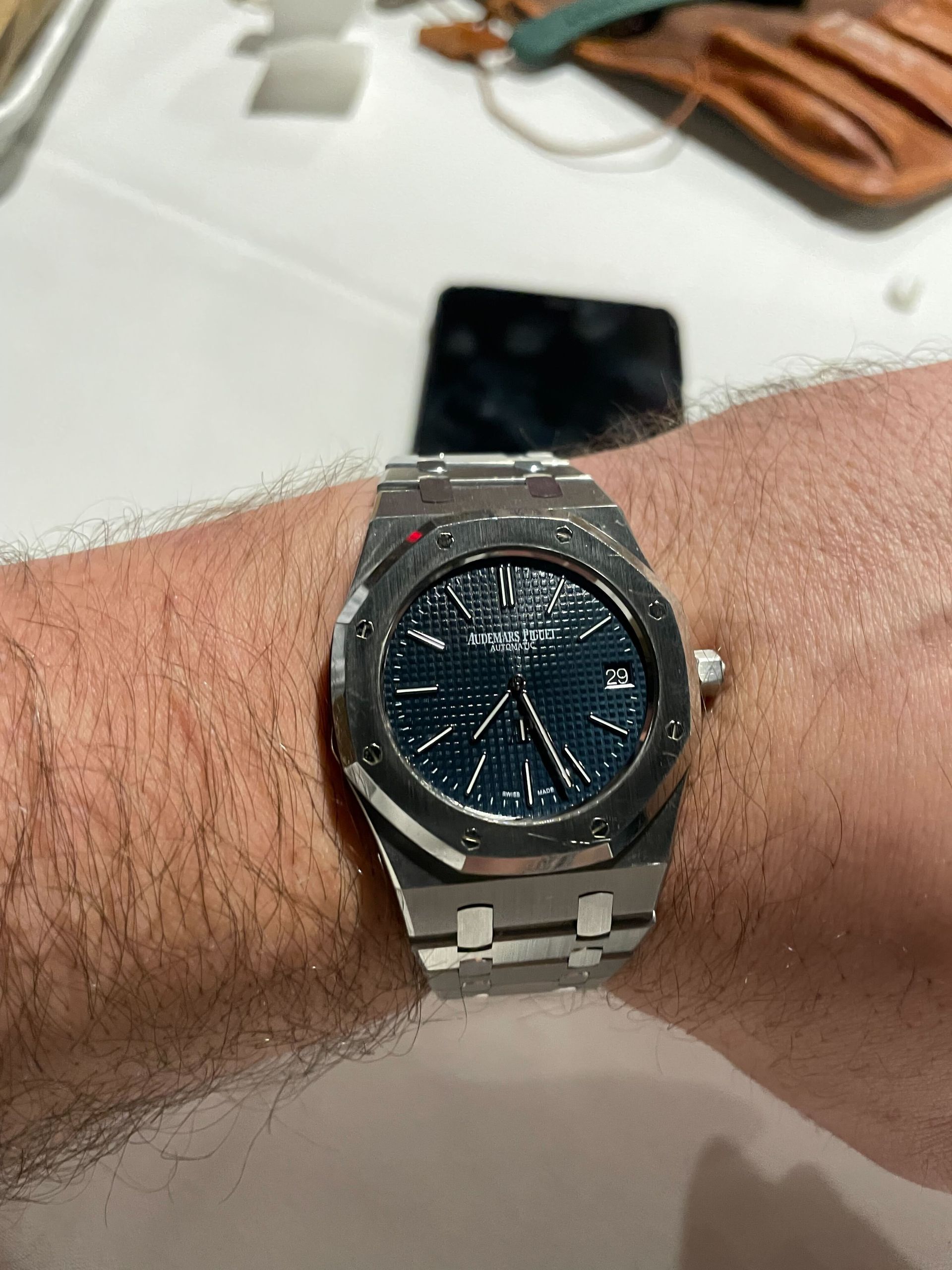
Audemars Piguet Royal Oak 'Jumbo' ref. 15202 with blue tapisserie dial and integrated steel bracelet
By Zach Charles • October 10, 2026
The Audemars Piguet × Swatch Royal Pop is a $400 bioceramic pocket watch in 8 colourways, powered by a new hand-wound SISTEM51 with 90+ hour power…

Time on the Move logo
By Zach Charles • October 10, 2026
Zach Charles is the editor of Time on the Move, an independent watch reference covering brand and model histories, buying guides and release news…
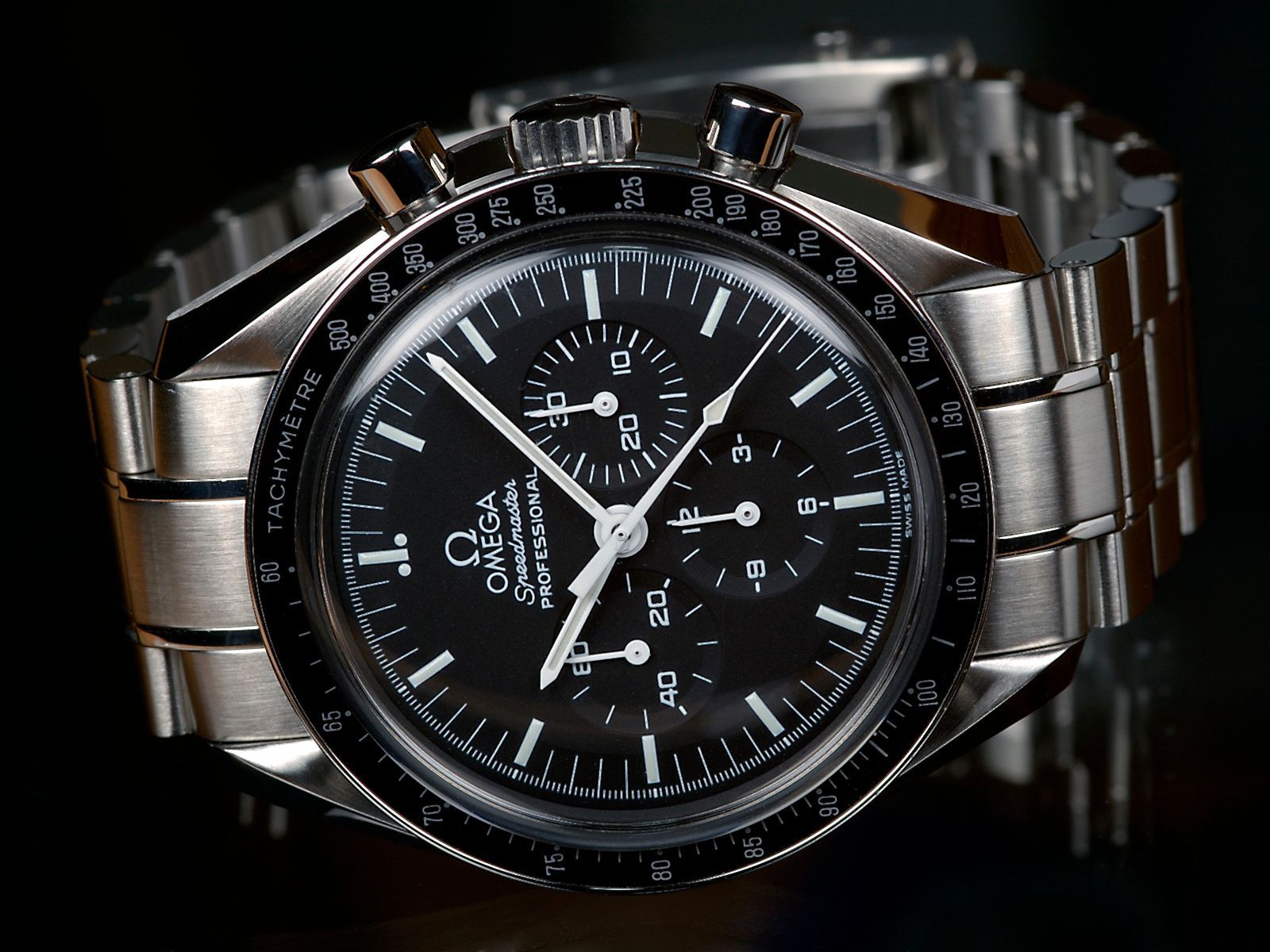
Omega Speedmaster Professional 'Moonwatch' chronograph, front view on steel bracelet
By Zach Charles • October 9, 2026
Find the best watches at every price point from $500 to $15,000 — new and pre-owned. Covers every budget tier with specific reference picks, brand…
By Zach Charles • October 9, 2026
The latest watch news: new releases, Watches and Wonders coverage, discontinuations, industry analysis, and market trends. Currently 1 article.
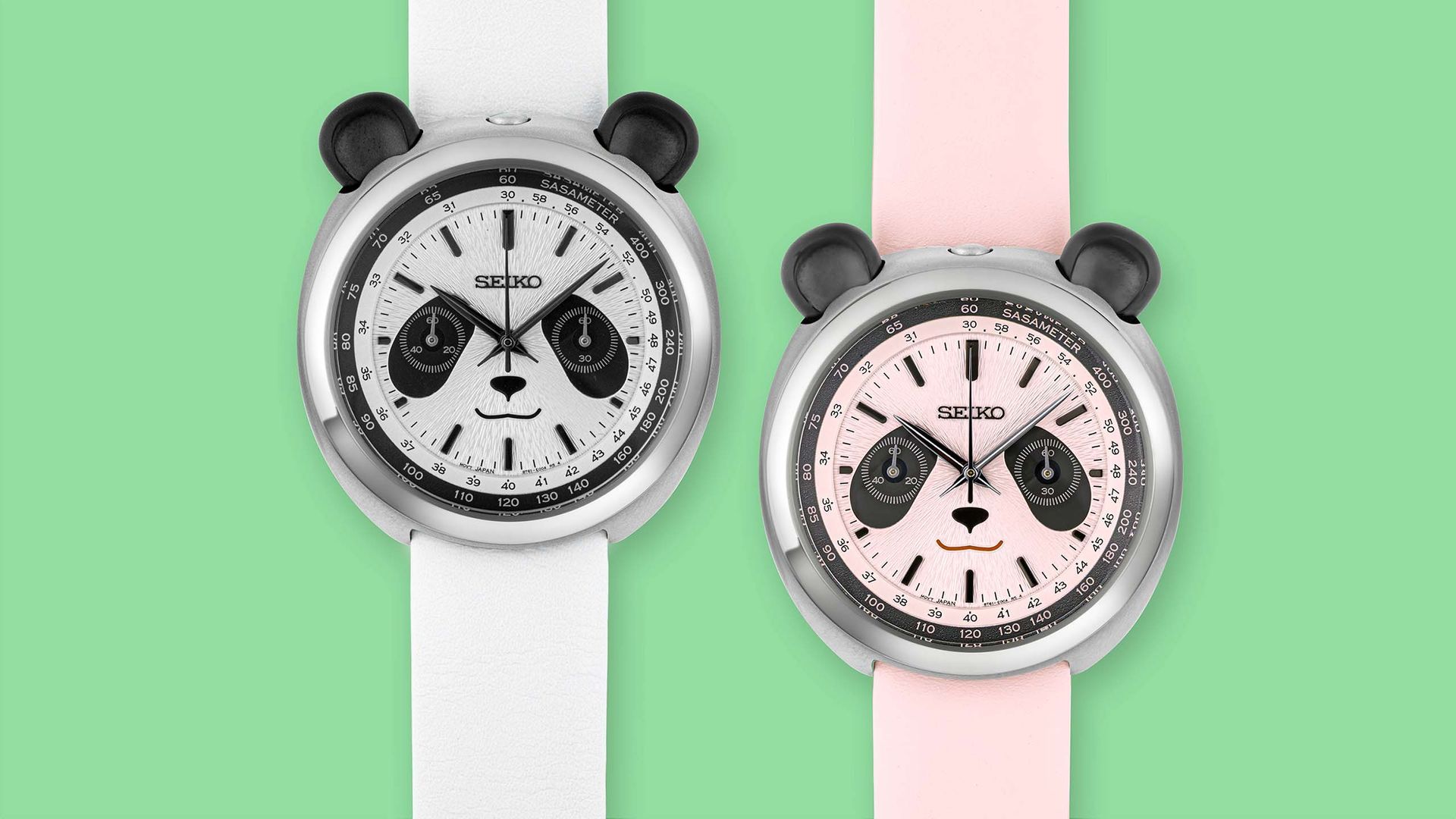
Seiko's New Panda Chronograph Is Literally a Panda: The Power Design Project HHK001 and HHK002
By Zach Charles • October 8, 2026
Seiko's Power Design Project panda chronograph (HHK001, HHK002) turns the panda dial into an actual panda face, with ear pushers, a 'Sasameter' and a 3D…
Show More