Seiko: From Kintarō Hattori’s Seikosha to the World’s First Quartz Watch

Zach Charles • August 24, 2026

Share this article

Seiko: From Kintarō Hattori to the Quartz Revolution

No watchmaker has disrupted the established order of timekeeping more decisively than Seiko. Founded in 1881 by a 21-year-old clock and watch repairman in Tokyo, the company spent its first seven decades building toward the moment that would redefine the global watch industry: 25 December 1969, when Seiko placed the world's first commercial quartz wristwatch on sale. The Quartz-Astron did not merely add a product category — it triggered the most severe commercial crisis in Swiss watchmaking history and established Japan as a centre of horological innovation. That the same company also produces the Spring Drive, the Astron GPS Solar, and the precision movements powering Grand Seiko places Seiko among the most technically versatile manufacturers in the world.


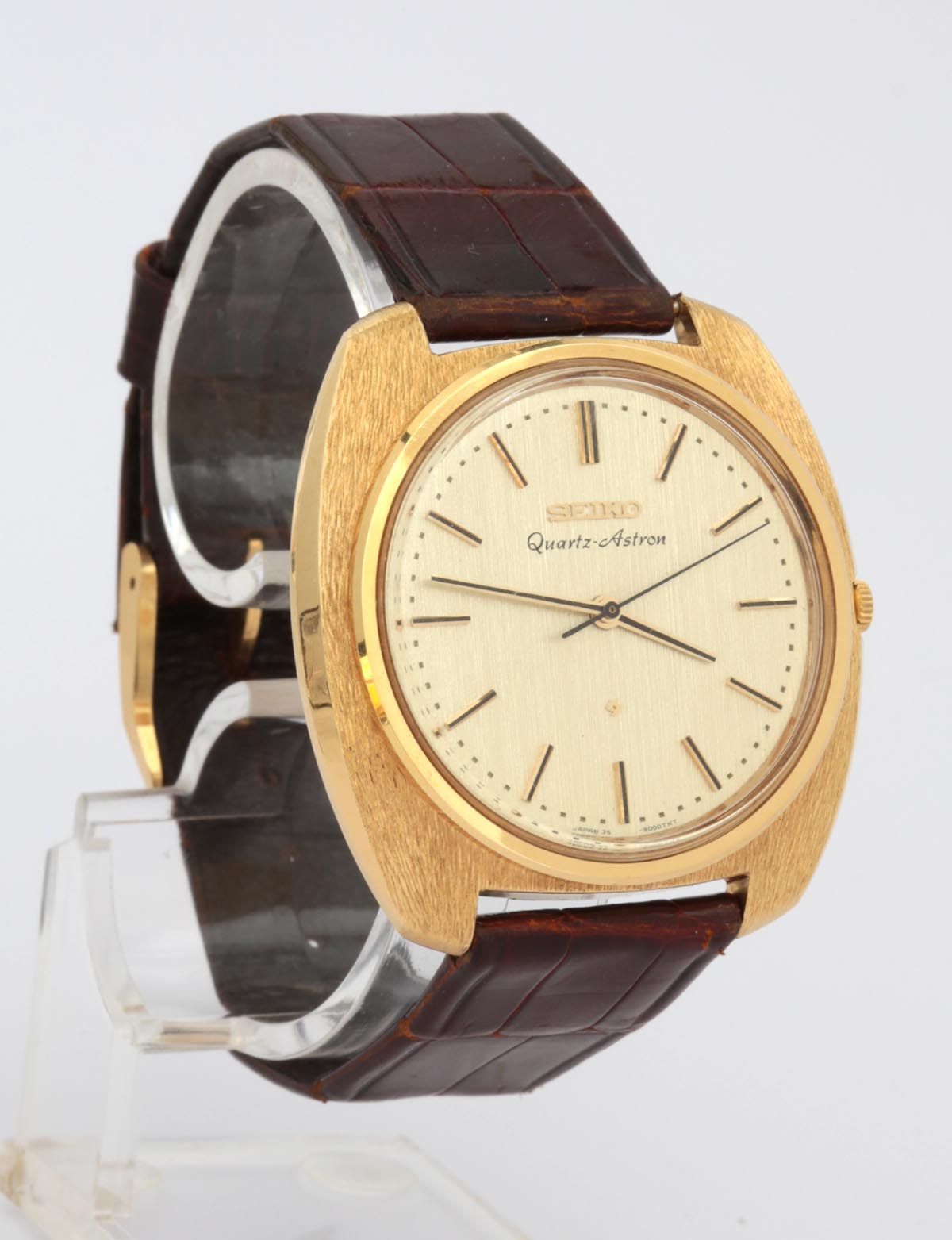
Seiko Astron 35SQ — world's first commercial quartz wristwatch, 1969
The Seiko Astron 35SQ — the world’s first commercial quartz wristwatch, sold on 25 December 1969 in Tokyo at 450,000 yen. Only 100 were made in the first production run.
Photo: Deutsches Uhrenmuseum — CC BY-SA 4.0 — Wikimedia Commons

Kintarō Hattori and the Founding — 1881

Seiko 5 SNKA23 automatic watch
The Seiko 5 SNKA23 — a classic example of the Seiko 5 family, featuring automatic winding and day/date display.
Photo: Ash Crow (Sylvain Boissel) — CC BY-SA 3.0 — Wikimedia Commons
Kintarō Hattori was born in 1860 in the Kyobashi district of Tokyo. He was apprenticed as a clockmaker from the age of 13 and opened his own clock and watch repair business by the time he was 20. In December 1881 , at 21 years old, he founded K. Hattori & Co. in Ginza, Tokyo, initially dealing in the sale and repair of imported clocks and watches.

The company incorporated as K. Hattori & Co., Ltd. in 1917. Its chosen name for its watches — Seiko (精工), meaning "exquisite workmanship" — was applied to the first watch movement produced in 1892 and later adopted as the global brand name. The manufacturing arm, Seikosha (精工舎, "House of Exquisite Workmanship"), was established in 1892 in Ishiwara, Honjo Ward, and began with wall clocks before expanding to pocket watches.

Key early milestones:

  • 1895 : First in-house pocket watch (Timekeeper)
  • 1913 : Japan's first wristwatch — the Laurel , with an enamel dial and cases in gold, silver, and nickel
  • 1924 : First wristwatch to carry the Seiko brand name
  • 1929 : Seikosha pocket watch certified as Japan's official railroad watch

Kintarō Hattori died in 1934 at age 74. He had transformed a single repair shop into Japan's largest watch manufacturer.


The Seikosha Separation and Internal Competition

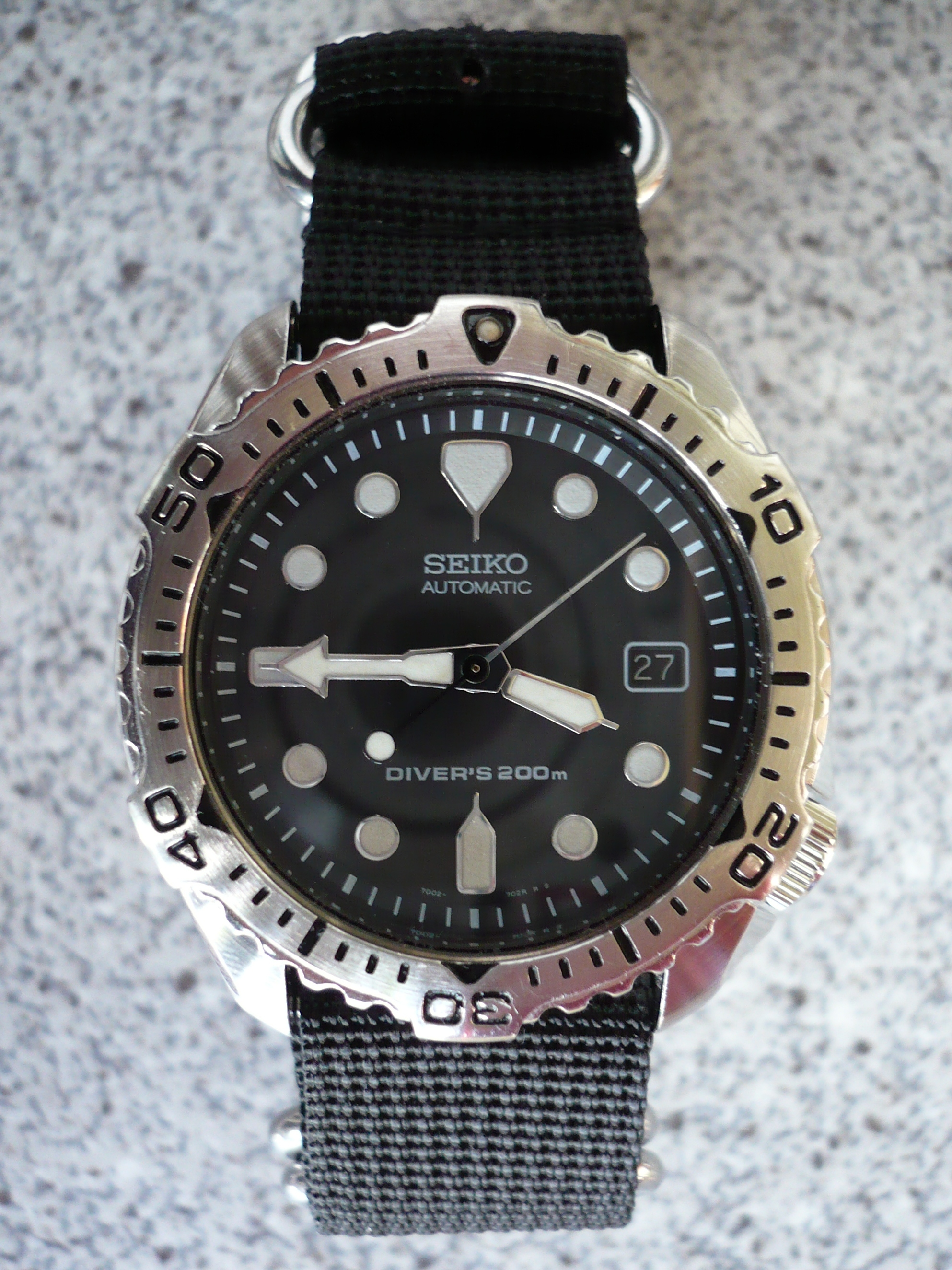
Seiko 7002-7020 diver's 200m on a 4-ring NATO strap
A Seiko 7002-7020 diver’s 200m on a 4-ring NATO strap — the pre-SKX design that established Seiko’s reputation for affordable, capable tool watches.
Photo: Francis Flinch — Public Domain — Wikimedia Commons
In 1937 , a second manufacturing facility — Daini Seikosha ("Second Seikosha") — was established in Kameido, Tokyo, separate from the original Suwa Seikosha plant in Nagano Prefecture. This dual-factory structure, with both facilities producing watches under the same Seiko brand, would prove enormously consequential for the brand's technical development.

Rather than consolidating production, Seiko deliberately encouraged the two facilities to compete. Suwa Seikosha (Nagano) and Daini Seikosha (Tokyo) each pursued independent movement development programmes, often working on the same categories in parallel — producing competing designs, competing chronograph approaches, and competing quartz implementations. The internal rivalry accelerated both facilities' capabilities in ways that unified development could not have achieved.

This competition produced, among other results:
- Grand Seiko (1960) — from Suwa Seikosha
- King Seiko (1961) — from Daini Seikosha, as a direct rival
- Two parallel automatic chronograph programmes that each contributed to the 1969 achievement


The 1964 Tokyo Olympics — Seiko as Official Timer

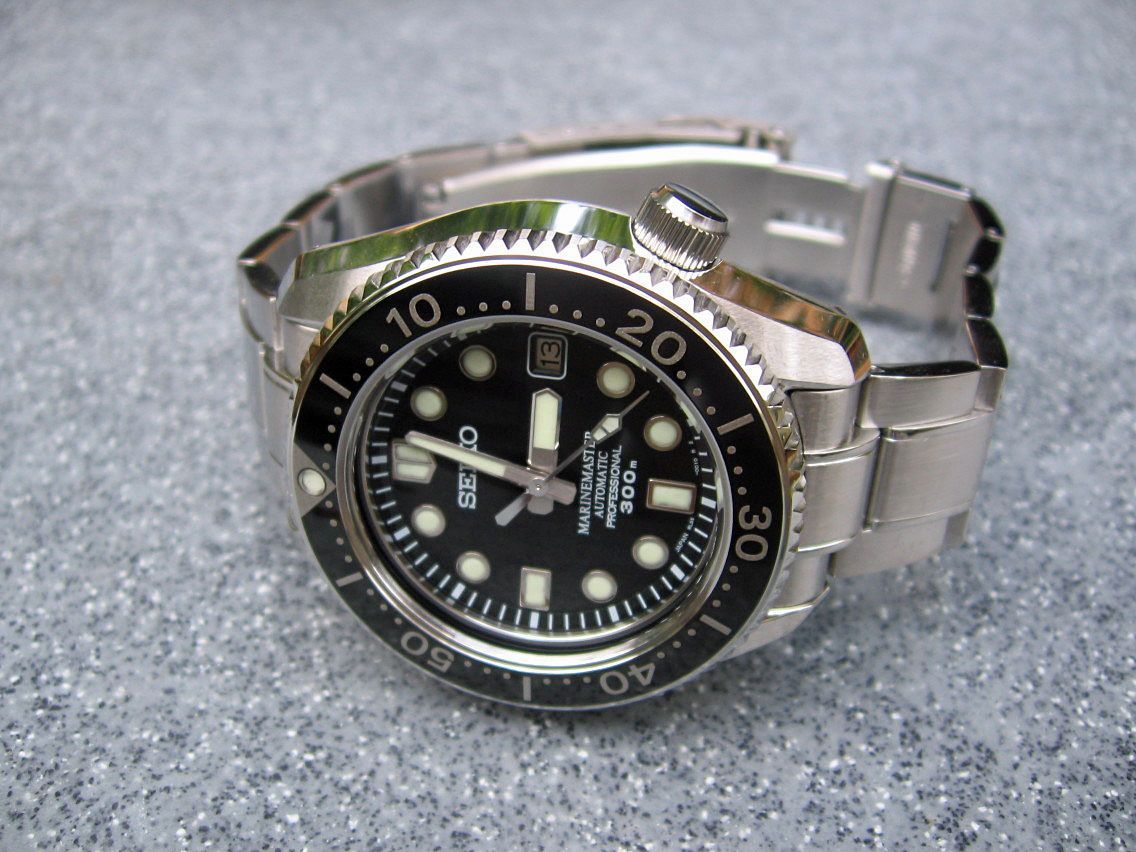
Seiko SBDX001 Marinemaster 300m professional diver
The Seiko SBDX001 Marinemaster 300m — professional-grade Prospex diver running the in-house Calibre 8L35 hi-beat automatic at 28,800 vph.
Photo: Francis Flinch — CC BY-SA 3.0 — Wikimedia Commons

Seiko's appointment as Official Timer for the 1964 Tokyo Olympics was the catalyst for its most consequential technical programme. The role required precision timing instruments of unprecedented accuracy deployed across every competition venue — and Seiko delivered capabilities that had not previously existed in portable form.

The 1964 deployment included:

  • Crystal Chronometer QC-951 : World's first portable quartz clock, accurate to 0.2 seconds per day, used for field timing at athletic events
  • Quartz-regulated stop clocks : First Olympic timing to use quartz regulation for start/stop instruments
  • Photo-finish integration : Starting gun connected to quartz clock connected to photo-finish camera — first timing to 1/100th of a second in Olympic competition history
  • 1,278 timing instruments and 172 timing staff deployed across all venues

The 1964 quartz timing instruments were not wristwatches — they were desk-bound or portable laboratory instruments. But the engineering developed for them established the foundation for the next five years of miniaturisation work that produced the Astron.


The Quartz-Astron — 25 December 1969

Seiko 6309 calibre — movement of the original Turtle diver
The Seiko 6309 calibre — the automatic movement that powered the original 6309-7040 ‘Turtle’ diver from 1976 and many classic Seiko sport references.
Photo: Les Zetlein — Public Domain — Wikimedia Commons

On 25 December 1969 , Seiko placed the world's first commercial quartz wristwatch on sale in Japan. The Seiko Quartz-Astron 35SQ (calibre 35SQ) was a functioning quartz wristwatch small enough to wear — the culmination of five years of post-Olympics miniaturisation.

Its specifications:

Feature Detail
Oscillator Quartz, 8,192 Hz
Accuracy ±5 seconds/month
Battery life Approximately 1 year
Case 18-karat solid gold
Price ¥450,000
USD equivalent at time Approximately $1,250

The price of ¥450,000 placed the Astron at approximately the cost of a Toyota Corolla. It was beyond the reach of ordinary consumers — an assertion of technical achievement rather than a mass-market product. 100 watches were sold within one week of release. The movement has been on permanent display at the Smithsonian Institution (National Museum of American History) and was designated a Mechanical Engineering Heritage in Japan in 2014.

The Swiss industry had been pursuing the same goal. The Centre Electronique Horloger (CEH) consortium — including Omega, Patek Philippe, and others — unveiled the Beta 21 at the Basel Fair in April 1970 , approximately four months after the Astron's commercial release. Seiko had won the race to retail. The consequences for Switzerland would take years to fully register.


The 1969 Automatic Chronograph

In mid-May 1969 — before the Astron's December release — Seiko had already achieved another milestone: the world's first mass-produced automatic chronograph, Calibre 6139 . The 6139 featured an integrated column-wheel, vertical clutch, and day-date display in a movement designed and manufactured in-house.

The 1969 chronograph race involved three simultaneous developments: Seiko's 6139, Zenith's El Primero (announced January 1969), and the Heuer-Büren-Dubois-Dépraz Calibre 11 (announced March 1969). Seiko's 6139 is generally accepted as the first to reach retail sale, though the specific dates of availability in different markets have been contested. Regardless of precise sequencing, 1969 stands as the year in which the automatic chronograph was independently invented three times over.


Corporate Structure

The modern Seiko Group operates through a complex structure reflecting the company's historical dual-factory origins:

  • Seiko Group Corporation (formerly Seiko Holdings): Listed holding company; the Hattori family retains significant influence
  • Seiko Watch Corporation : Wholly owned subsidiary responsible for Seiko-branded watch sales and marketing globally
  • Seiko Instruments Inc. (SII) : Successor to Daini Seikosha; produces movements and industrial instruments (notably, the SII TC78 platform that TAG Heuer's Calibre 1887 was built upon)
  • Seiko Epson Corporation : Successor to Suwa Seikosha; publicly listed, produces watch movements (including NH35A/NH36A for microbrands), printers, and display technology

Shinji Hattori — great-great-grandson of the founder — became President of Seiko Holdings in April 2010 following an internal boardroom restructuring, and Chairman and Group CEO in October 2012. The founding family's engagement with the company now spans five generations.


Key Technical Milestones

Seiko Spring Drive 5R86 calibre — disassembled components
The Seiko Spring Drive 5R86 calibre disassembled — the tri-synchro regulator combines mechanical energy with an electromagnetic governor to achieve ±0.5 seconds per day.
Photo: Ferengi — CC BY-SA 3.0 — Wikimedia Commons
Year Achievement
1956 Japan's first commercial automatic wristwatch
1959 Gyro Marvel — proprietary Magic Lever bidirectional winding (still used today)
1964 Official Timer, Tokyo Olympics; Japan's first chronograph wristwatch
1965 Japan's first diver's watch (62MAS, 150m WR)
1969 World's first mass-produced automatic chronograph (6139); world's first commercial quartz wristwatch (Astron)
1973 World's first six-digit LCD digital quartz watch
1983 World's first analogue quartz chronograph (Calibre 7A28)
1988 Kinetic technology (body motion powers quartz regulation)
1999 Spring Drive unveiled
2012 World's first GPS Solar watch (modern Seiko Astron)

Design experiments. Seiko's in-house Power Design Project creates concept watches that occasionally reach production. In October 2026 the most popular concept from its 2024 exhibition became the panda chronograph (HHK001, HHK002): a quartz chronograph whose black subdials, nose, ear-shaped pushers and 3D-tail caseback form an actual panda — a literal take on the "panda dial" chronograph. See our news coverage: Seiko's Panda Chronograph (2026).


Seiko Model and Technology Guides

Each Seiko collection and key technology has its own in-depth history on Time on the Move:

Frequently Asked Questions

Who founded Seiko?
Kintarō Hattori, in December 1881 in Tokyo, initially as K. Hattori & Co. — a clock and watch repair and retail business. The Seikosha manufacturing arm was established in 1892.

When was the first Seiko wristwatch?
The first wristwatch produced by Seikosha was the Laurel in 1913 — Japan's first wristwatch. The first wristwatch carrying the Seiko brand name appeared in 1924.

What was the Seiko Quartz-Astron?
The world's first commercial quartz wristwatch, placed on sale in Japan on 25 December 1969. Price: ¥450,000 (approximately the cost of a Toyota Corolla at the time). Calibre 35SQ, oscillating at 8,192 Hz, accurate to ±5 seconds/month.

How many Olympic Games has Seiko timed?
Seiko became Official Timer at the 1964 Tokyo Olympics — its first such appointment — deploying the world's first quartz timing systems in Olympic competition. The 1964 role remains the most historically significant in establishing quartz as the standard for precision sport timing.

What is the relationship between Seiko and Seiko Epson?
Seiko Epson is the successor to Suwa Seikosha, Seiko's Nagano manufacturing arm. It is publicly listed and operationally independent, but manufactures movements (including the NH35A/NH36A) that are used in Seiko-branded watches and sold to other brands globally.


Related Articles

Recent Posts

By Zach Charles • October 10, 2026
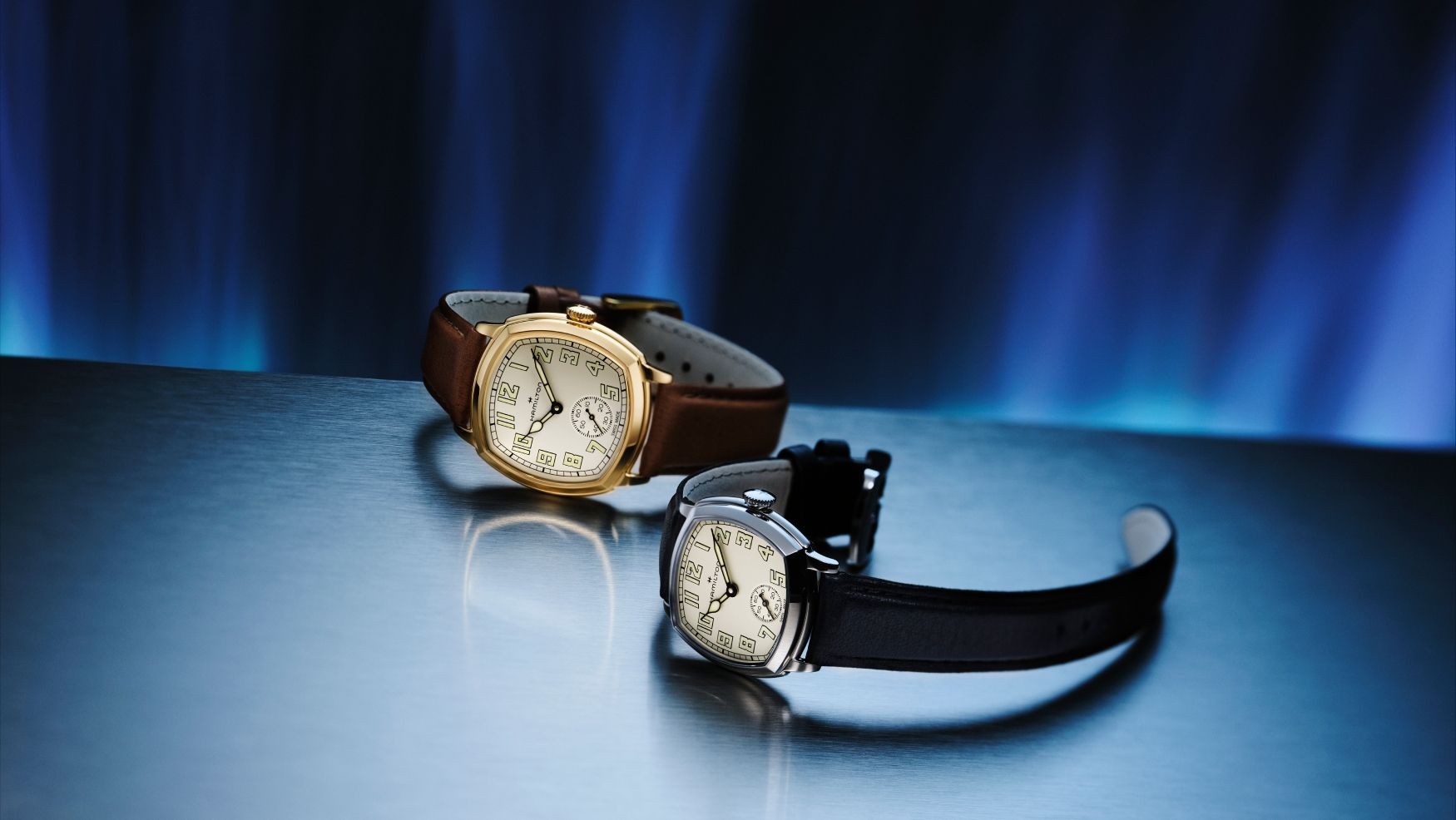
Hamilton's American Classic Cushion Mechanical revives its 1926 Art Deco cushion watches, seen in Oppenheimer, in 30mm and 34mm with the new hand-wound…
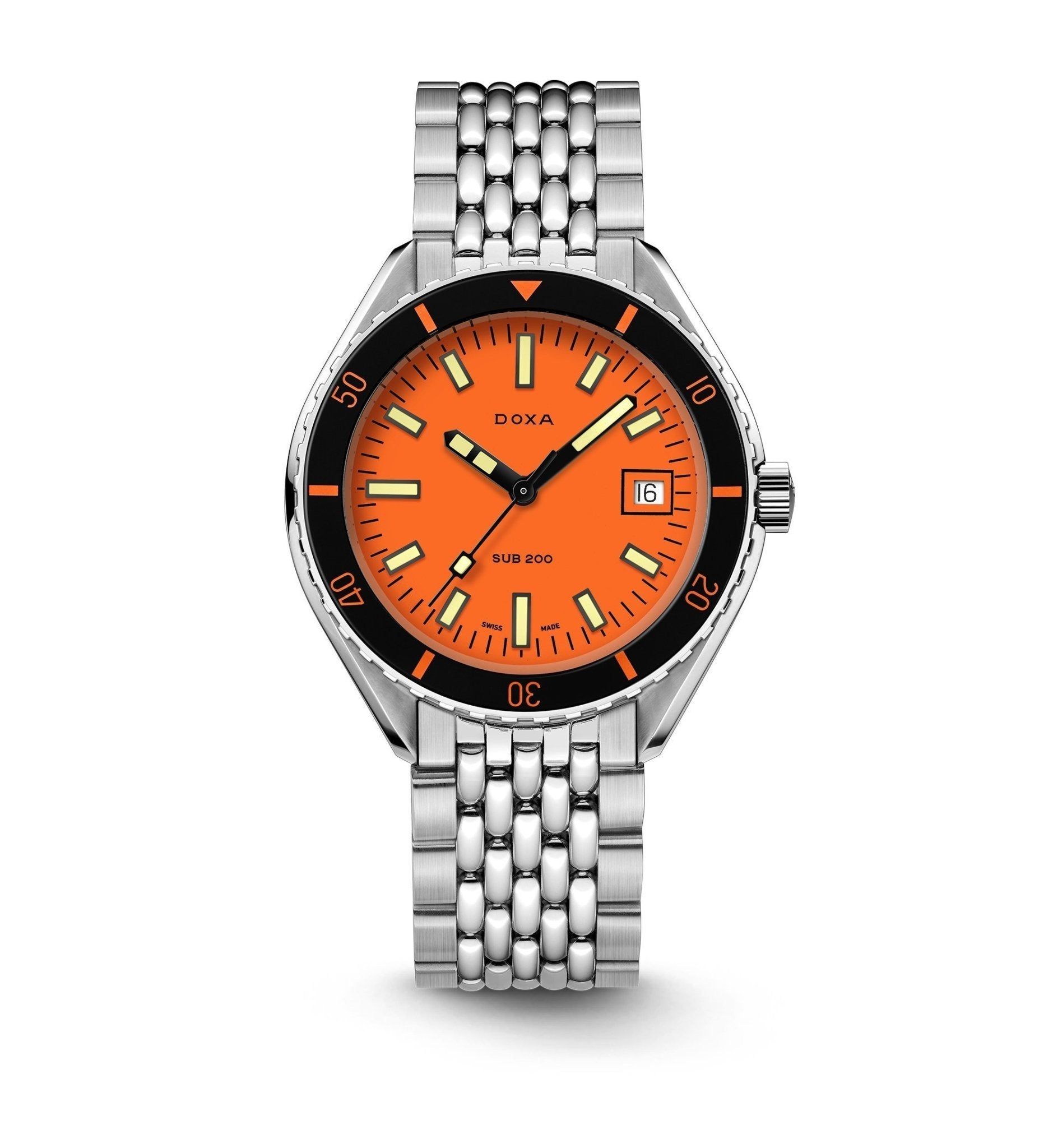
Doxa SUB 200: The Accessible Everyday Diver
By Zach Charles • October 10, 2026
Complete guide to the Doxa SUB 200 — 42mm, 200m, four colorways, Sellita SW200-1. The accessible entry to the Doxa SUB family with the full…
By Zach Charles • October 10, 2026
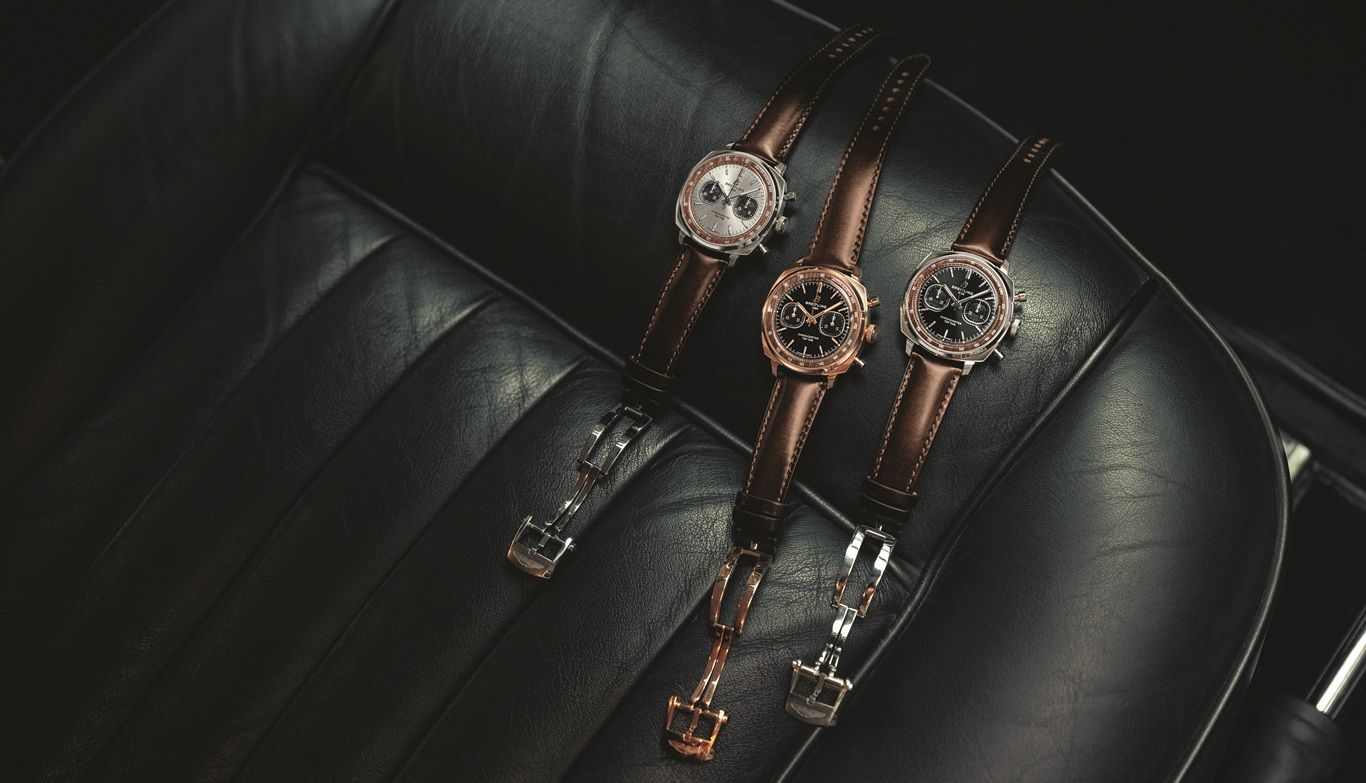
The Breitling Top Time B01 Aston Martin DB5 pairs a cushion-shaped 41mm case, a wooden inner ring and the in-house Caliber 01 across three limited…
By Zach Charles • October 10, 2026
TAG Heuer developed the Mikrograph (2011, 1/100th second), Mikrotimer Flying 1000 (2011, 1/1000th second), and Mikrogirder (2012, 1/2000th second).
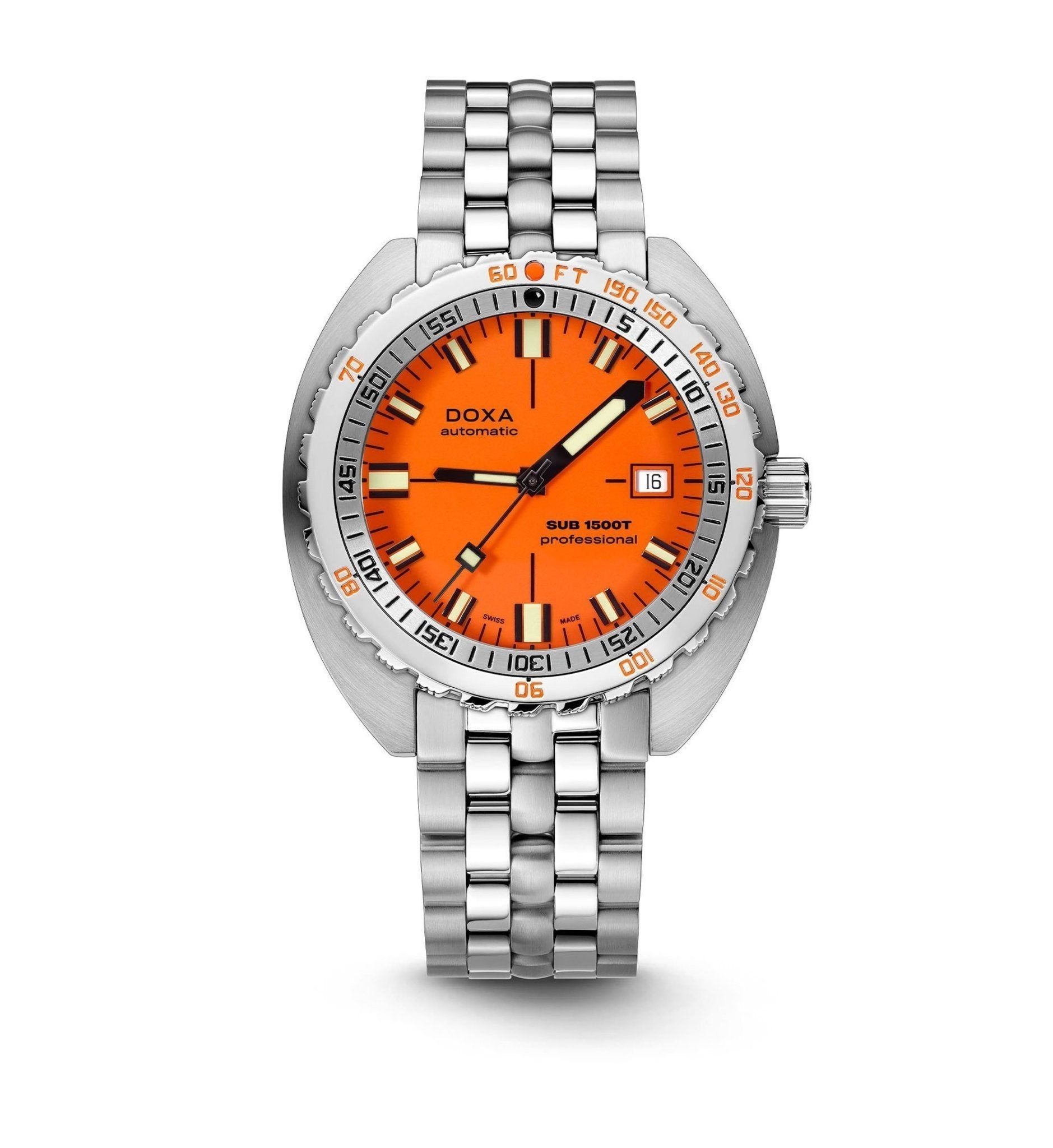
Doxa SUB 1500T: The 1,500-Metre Depth-Rating Flagship
By Zach Charles • October 10, 2026
Complete guide to the Doxa SUB 1500T — 45mm, 1,500m depth rating, helium escape valve, ETA 2892-2 movement, USD 2,690.
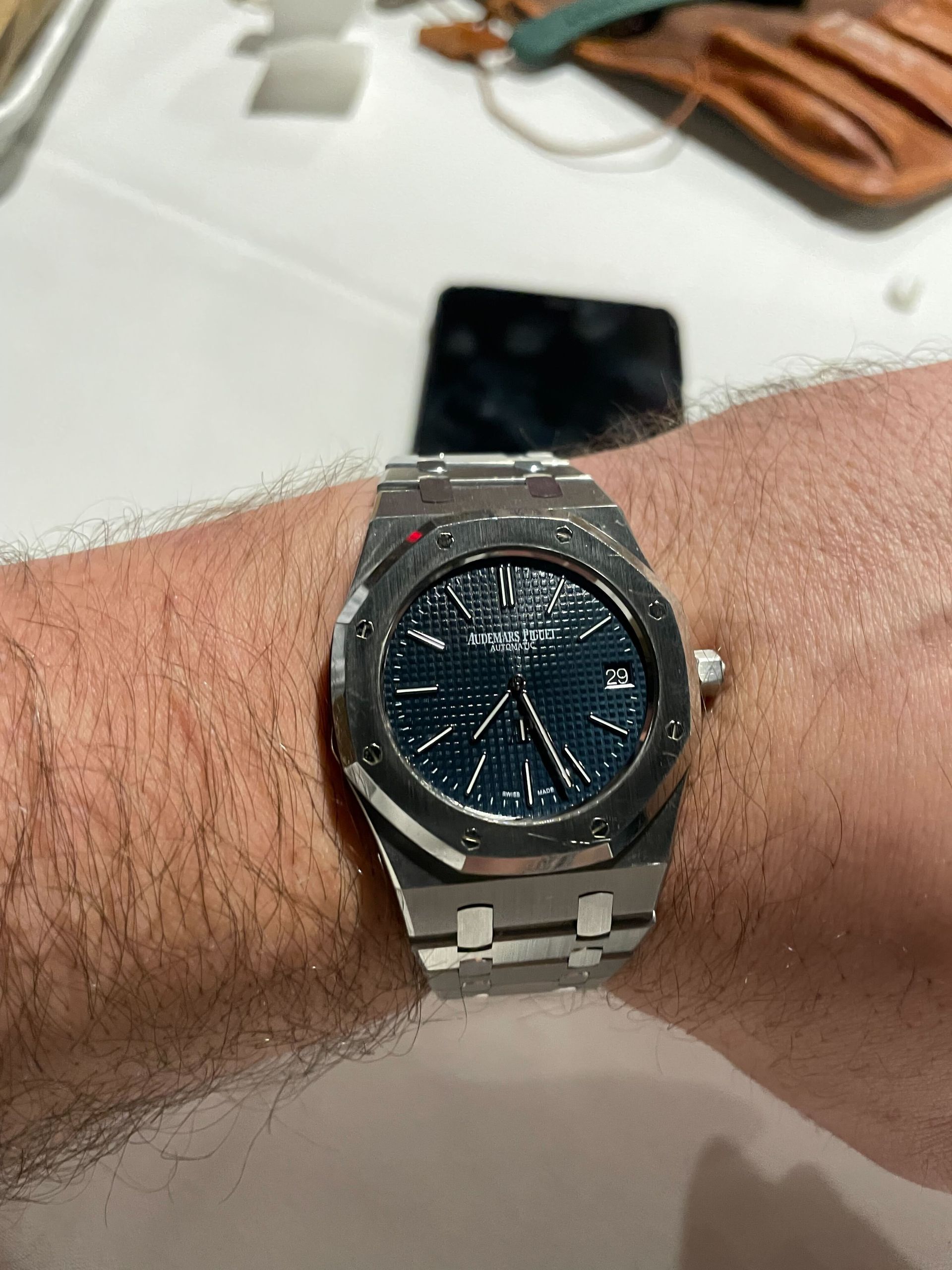
Audemars Piguet Royal Oak 'Jumbo' ref. 15202 with blue tapisserie dial and integrated steel bracelet
By Zach Charles • October 10, 2026
The Audemars Piguet × Swatch Royal Pop is a $400 bioceramic pocket watch in 8 colourways, powered by a new hand-wound SISTEM51 with 90+ hour power…

Time on the Move logo
By Zach Charles • October 10, 2026
Zach Charles is the editor of Time on the Move, an independent watch reference covering brand and model histories, buying guides and release news…
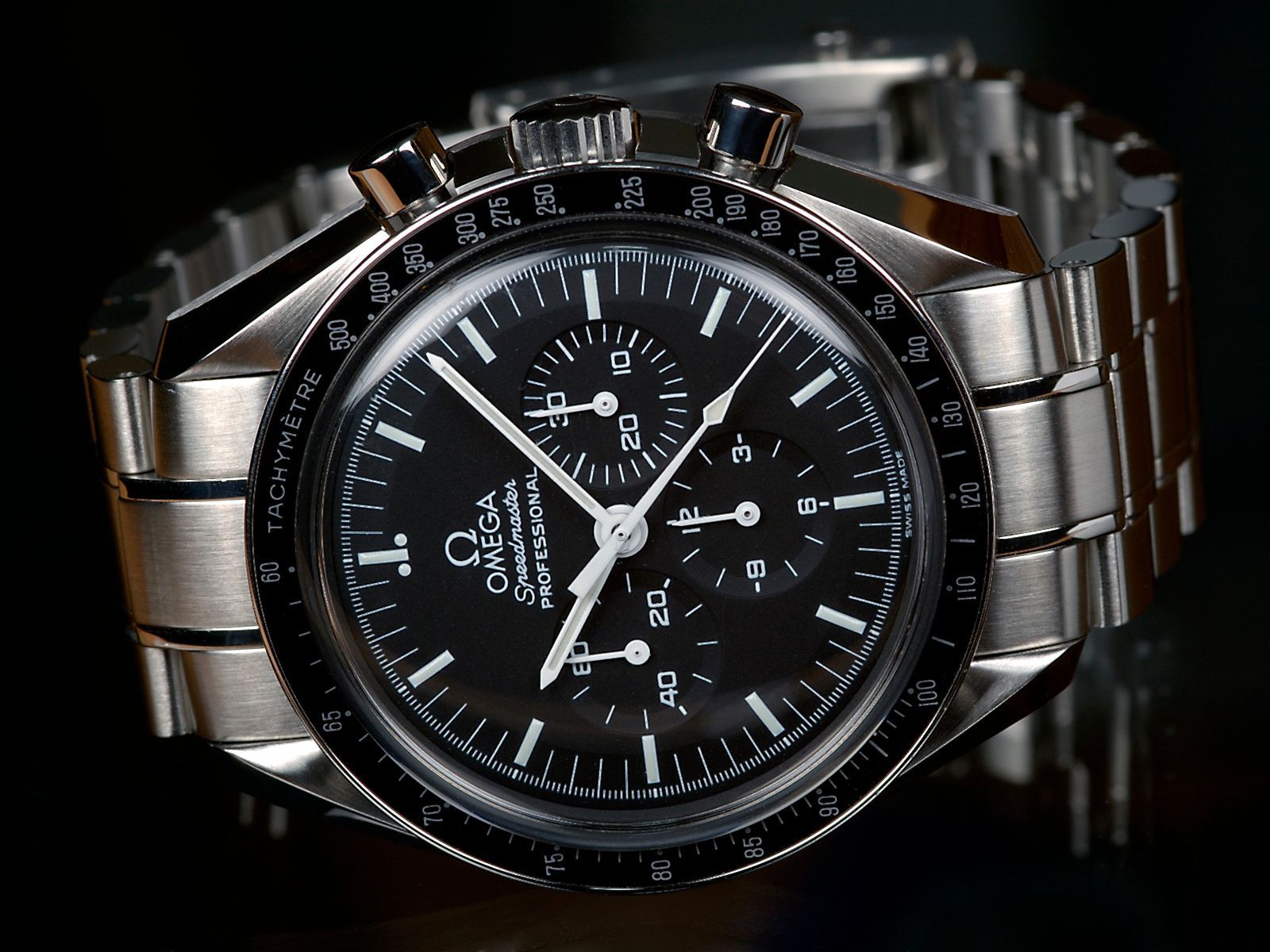
Omega Speedmaster Professional 'Moonwatch' chronograph, front view on steel bracelet
By Zach Charles • October 9, 2026
Find the best watches at every price point from $500 to $15,000 — new and pre-owned. Covers every budget tier with specific reference picks, brand…
By Zach Charles • October 9, 2026
The latest watch news: new releases, Watches and Wonders coverage, discontinuations, industry analysis, and market trends. Currently 1 article.
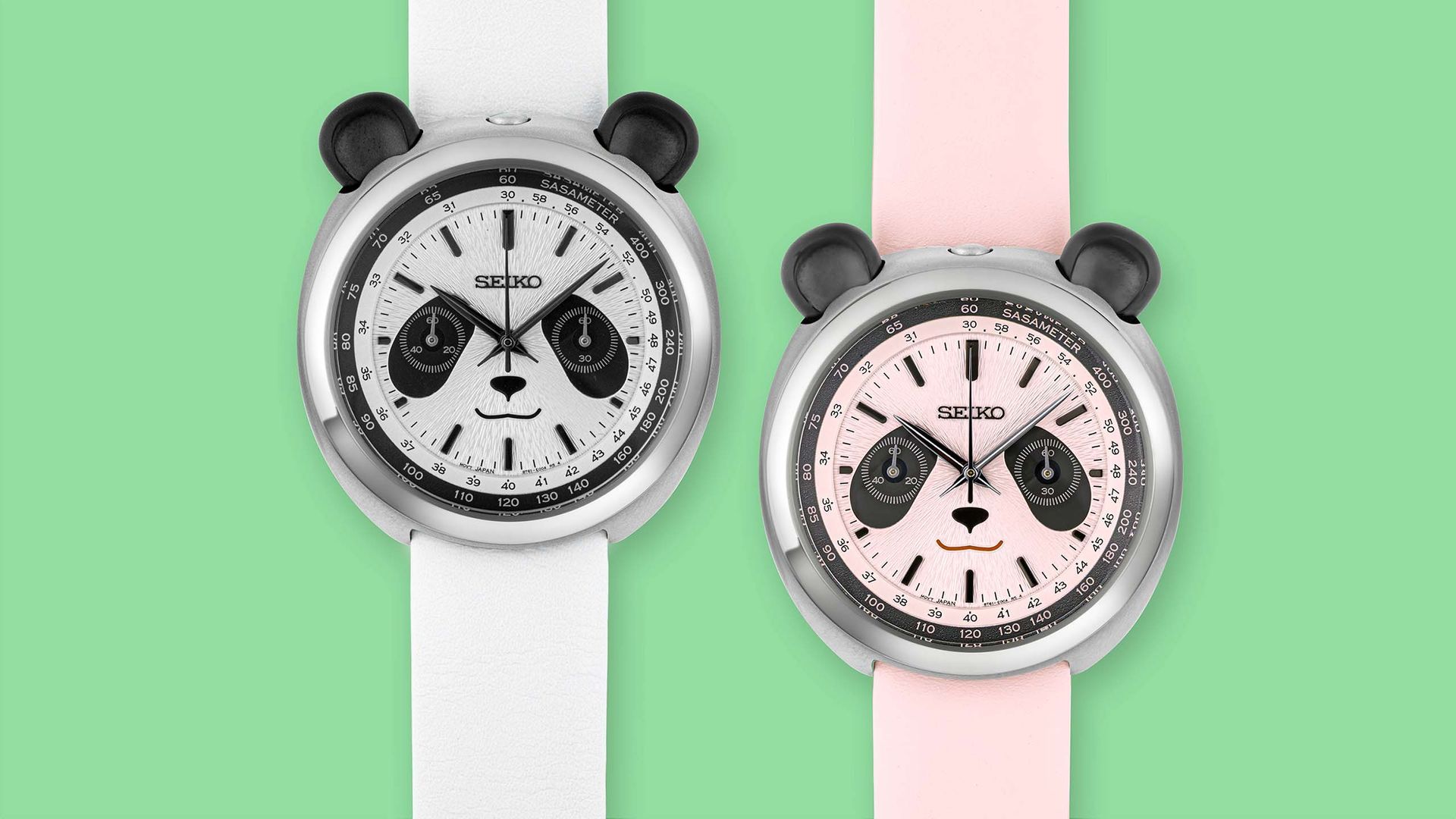
Seiko's New Panda Chronograph Is Literally a Panda: The Power Design Project HHK001 and HHK002
By Zach Charles • October 8, 2026
Seiko's Power Design Project panda chronograph (HHK001, HHK002) turns the panda dial into an actual panda face, with ear pushers, a 'Sasameter' and a 3D…
Show More