The Quartz Crisis: How Quartz Watches Reshaped the Swiss Watch Industry

The quartz crisis is the name given to the years, roughly 1970 to the mid-1980s, when cheap and accurate electronic watches took the mass market from Swiss makers and pushed much of the Swiss watch industry into collapse. It is the most retold story in modern watchmaking, and one of the most simplified.
This is the hub article for the story on Time on the Move. Other pages cover single chapters in depth, such as the Seiko Astron and the quartz revolution and Charles Vermot and the El Primero attic. This page connects them and adds the industry-wide view: how quartz works, who got there first, what the figures show, how each major house reacted, and why mechanical watches ended up as luxury objects.
Evidence is labelled in words. CONFIRMED : sources agree. REPORTED : secondary sources, and figures vary. UNCERTAIN : contested or unsettled. Prices are in the original currency and year.
What the quartz crisis was, and what the name hides
The term quartz crisis usually means the Swiss industry's slump from the early 1970s to about 1985. Quartz and digital watches from Japan, the United States and Hong Kong undercut Swiss prices, and Swiss employment and company numbers fell sharply. Trade press, brand histories and economic historians use the phrase, not always in the same sense.
The popular version says the Swiss invented nothing, ignored quartz and paid for it. The record is more mixed. Swiss laboratories were early. The Centre Electronique Horloger (CEH) in Neuchâtel built prototypes that took the top places at the 1967 Neuchâtel Observatory competition ( REPORTED , Musée international d'horlogerie). What the industry lacked was the ability to industrialise and sell quartz at scale.
Historians also disagree about cause. The business historian Pierre-Yves Donzé, as summarised by Commoncog, treats it as a production-technology contest Switzerland was already losing, with quartz speeding the result. One account in A Blog to Watch points to the 1973 to 1974 oil crisis and a rising franc that made exports dearer. Time+Tide argues the industry had deeper structural problems well before 1969. How much weight each factor deserves is UNCERTAIN . This article treats quartz as the trigger, not the sole cause.
How a quartz watch works compared with a mechanical one
A mechanical watch stores energy in a mainspring. A gear train releases it, and a balance wheel and hairspring set the rate. Accuracy depends on fine adjustment, lubrication and temperature.
A quartz watch swaps that regulator for a crystal. A tiny tuning-fork-shaped piece of quartz vibrates at 32,768 Hz when voltage is applied. The number is 2 to the power of 15. An integrated circuit halves the frequency fifteen times with a chain of dividers, which leaves one pulse per second. In an analogue watch that pulse drives a Lavet-type stepping motor, which advances the gear train and hands. Digital watches skip the motor and drive a display.
The crystal is stable. A standard consumer crystal is good to about six parts per million, roughly 15 seconds a month ( CONFIRMED ). Temperature is the main error, so better quartz adds thermal compensation. A COSC-certified quartz chronometer is held to roughly 25 seconds a year, while a COSC mechanical chronometer is allowed several seconds a day. One analysis puts quartz at about 30 times better than a certified mechanical chronometer ( REPORTED ).
Quartz movements have far fewer parts and suit automated assembly. Their weak point is the stepping motor, which strong magnets can disturb.

Seiko Astron, Beta 21 and the race for the first quartz wristwatch
Quartz was a laboratory tool long before it reached the wrist. Bell Labs built a quartz clock in 1927. Hamilton's Electric 500 reached production in 1957, and Bulova's tuning-fork Accutron followed in 1960 ( CONFIRMED ). The Swiss CEH was founded in 1962 by about 20 firms, with counts from 16 to 21. Seiko's quartz work grew from timing gear for the 1964 Tokyo Olympics. Both camps showed wristwatch prototypes in 1967.
Longines announced an Ultra-Quartz wristwatch in August 1969, but collectors and dealers report that production watches arrived in 1971 and proved temperamental ( REPORTED ). On 25 December 1969 Seiko put the Quartz-Astron on sale in Tokyo at 450,000 yen in an 18-carat gold case, with about 100 sold ( CONFIRMED ). Its crystal ran at 8,192 Hz. The Swiss Beta 21 reached the market on 10 April 1970 under brands from 16 firms.
So who was first? First commercial sale: Seiko ( CONFIRMED ). First public announcement of a quartz wristwatch: Longines ( REPORTED ). First prototypes to set competition records: the CEH ( REPORTED ). Beta 21 volume is unclear: an IEEE milestone text says 1,000 were available in April 1970, other sources say 6,000 were made ( UNCERTAIN ). The 32,768 Hz standard reached wristwatches with the Girard-Perregaux Caliber 350 in 1971, though some sources say 1970 ( REPORTED ). Our Seiko Astron page covers the watch itself.

From LED to LCD: the cost collapse
Quartz timekeeping alone did not wreck prices. Cheap integrated circuits did. The Hamilton Pulsar, billed as the first electronic digital watch, was announced in 1970 and went on sale in 1972 in 18-carat gold for US$2,100 ( CONFIRMED , see our Hamilton page). Within four years the electronics were a commodity. Texas Instruments sold a plastic LED watch for about US$20 in 1976 (sources say US$15 to US$20) and cut the price to US$9.95 in May 1977 ( REPORTED ). Pulsar lost money and its brand passed to Seiko in 1978 ( REPORTED ). LCDs, which draw far less power, then replaced LEDs, which showed the time only on a button press.
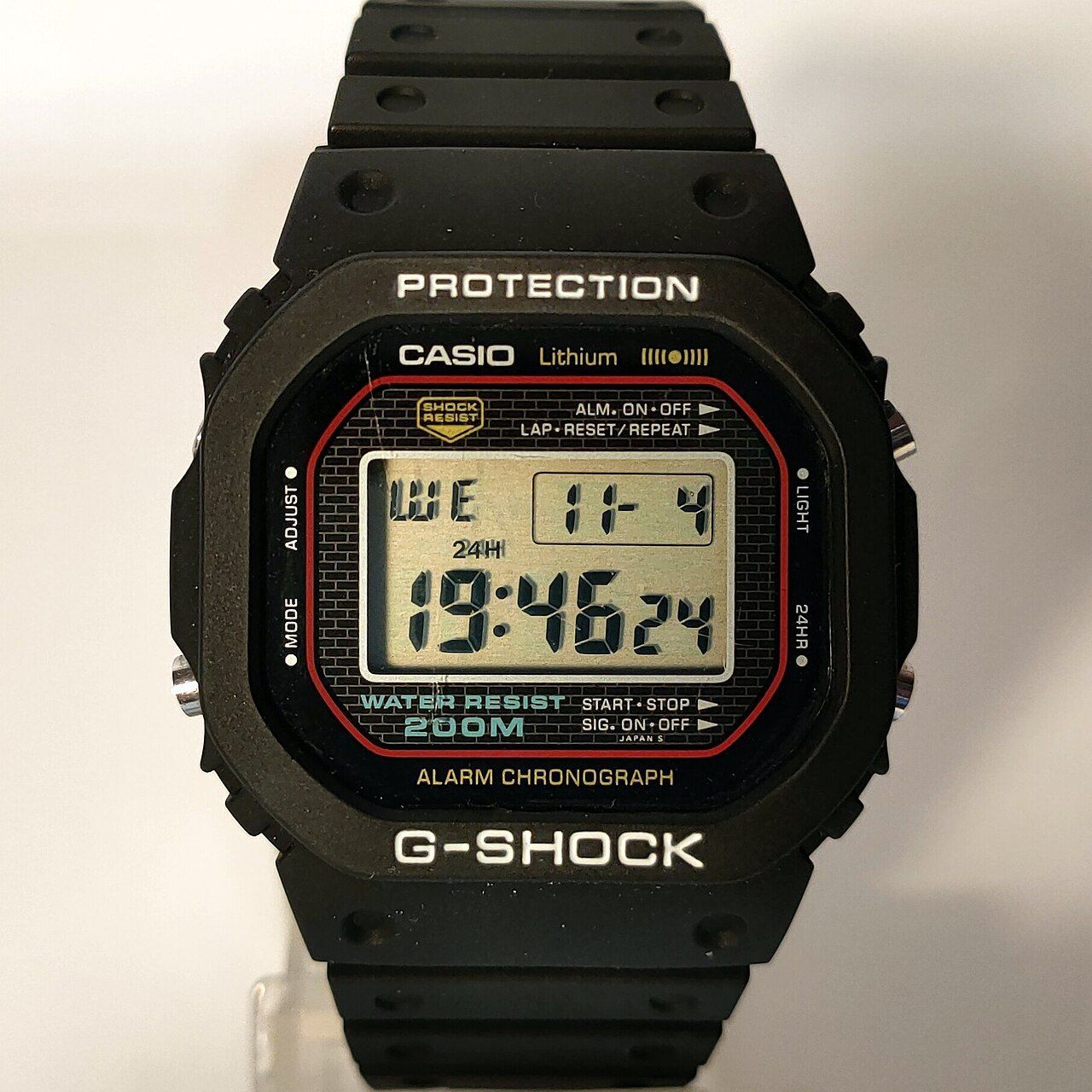
Japan and Hong Kong supplied the volume. Casio launched the Casiotron in 1974 and its first calculator watch in 1980, covered on our Casio and calculator watch pages. Citizen sold its first quartz wristwatch in 1973 and a solar-powered analogue quartz in 1976 ( REPORTED ). Hong Kong became the largest exporter of electronic watches in 1978 ( REPORTED , one source). Japan became the largest watch producer around 1980 ( REPORTED , one source). Casio's first G-Shock, the DW-5000C, followed in April 1983.
One analysis says quartz was up to about 100 times cheaper than mechanical by the late 1970s, but gives no price series ( UNCERTAIN ). We found no reliable index, so only the dated price points above are used.

The quartz crisis: Swiss watch industry figures
The direction is not in doubt. The exact figures are. Employment, company counts and market share all vary with the source and the end year chosen, so the table labels each one and gives the spread.
The last row of the table matters most. By my arithmetic from that source, mechanical watches were about 9 percent of Swiss units in 2000 but about 48 percent of the value. Volume went to quartz and value stayed with mechanical.
| Measure | Figure as reported | Source and caveat | Label |
|---|---|---|---|
| Swiss watch employment | About 90,000 (1970) to about 28,000 (1983 or 1988) | Secondary accounts; A Blog to Watch gives 89,000 to 33,000 (1985) | REPORTED |
| Swiss watch firms | About 1,600 (1970) to about 600 (1983) | Swissinfo cites 500 to 600 in the mid-1980s | REPORTED |
| Swiss output | Over 80 million watches a year to about 30 million within ten years | A Blog to Watch, ETA history | REPORTED |
| Swiss share of world market | Over 80% (1970), 58% (1975), 15% or less (1983); another account says about 50% before the 1970s | Sources disagree on the start point | UNCERTAIN |
| Swiss exports | Roughly halved between 1977 and 1983 | Time+Tide | REPORTED |
| SSIH watch sales | 12.4 million (1974) to 1.9 million (1982) | A Blog to Watch, single source | REPORTED |
| Bank support | More than 900 million francs from three banks | A Blog to Watch, single source | REPORTED |
| Swiss output in 2000 | 31.4 million watches, CHF 10.1 billion; mechanical 2.7 million, CHF 4.8 billion | Europa Star, 2002 | REPORTED |
How Omega, Rolex, Patek Philippe and others answered
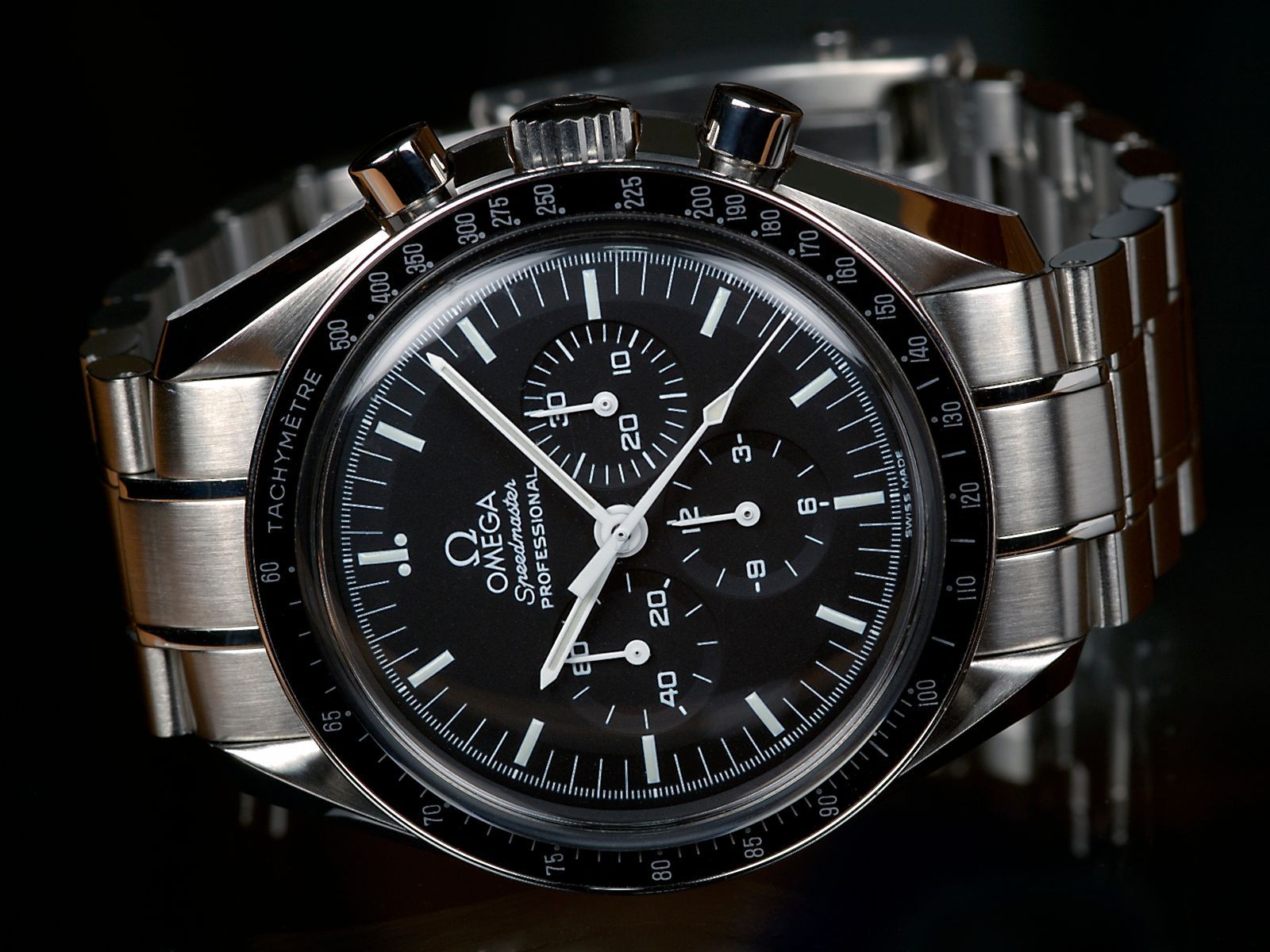
The big houses did not ignore quartz. Omega was the largest user of the Beta 21, launching the Electroquartz in 1970. Wikipedia reports about 10,000 Electroquartz watches from 1970 to 1977 and around 50,000 of the refined Beta 22 from 1972 to 1974 ( REPORTED ). In 1974 Omega added a Marine Chronometer with a 2.4 MHz circuit and a claimed 12 seconds a year ( REPORTED , frequency figures differ). A Chrono-Quartz followed in 1976 ( REPORTED ).
Rolex sold a Beta 21 watch, the reference 5100, in a run reported at about 1,000 ( REPORTED ), then went its own way. Its Oysterquartz of 1977 used in-house movements in an Oyster case. Patek Philippe used the Beta 21 in the reference 3587, dated 1969 or 1970 depending on the source, and in the larger 3597 in 1973 ( REPORTED ). One source says fewer than 500 Patek Beta 21 watches were made ( UNCERTAIN ).
Longines later built a thermocompensated V.H.P. quartz in 1984, per our Longines page. Swiss houses made excellent quartz in small numbers at high prices, while Asian producers made it in millions.

Heuer, Breitling, Zenith and the independents
Heuer launched the Chronosplit in 1975, a wrist chronograph with an LED and LCD display, though its LED version reportedly drew too much power ( REPORTED ). Heuer's mechanical Calibre 11 chronograph had arrived in 1969, and TAG Group bought a majority in 1985, as our TAG Heuer page records.
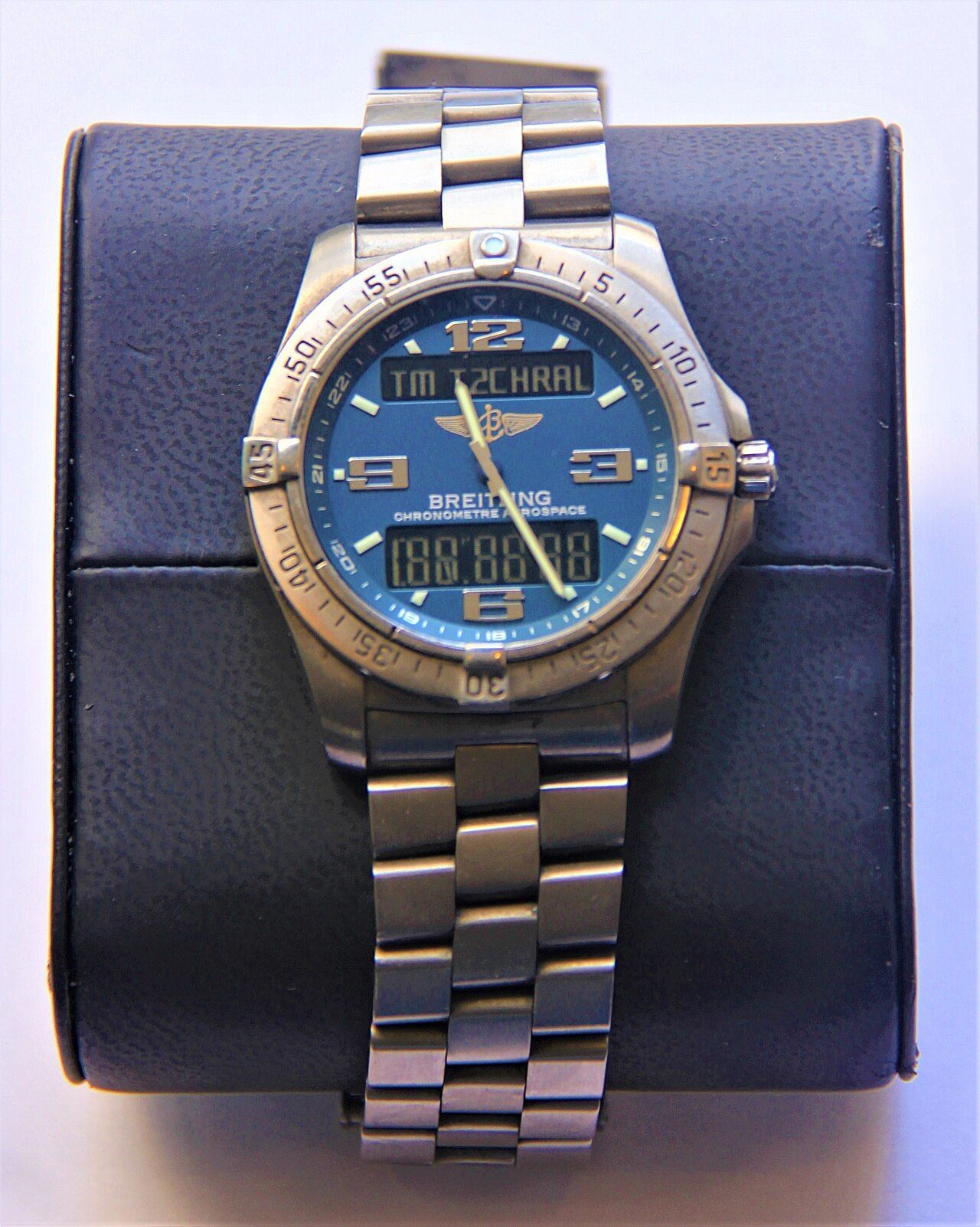
Breitling changed hands in April 1979, when Willy Breitling agreed a deal with Ernest Schneider of Sicura, who focused first on quartz and aviation before the mechanical Chronomat ( REPORTED ). Universal Genève leaned into quartz, passed to Stelux of Hong Kong in 1989 and went dormant for years ( REPORTED ).
Zenith was under American ownership and, around 1975, ordered to stop mechanical production. Charles Vermot's hidden tooling is told on our quartz crisis page for Zenith. Audemars Piguet nearly failed, by its own account, until the Royal Oak. That 1972 steel sports watch launched at roughly CHF 3,300, more than a gold Patek dress watch of the day.
Collapse, the bank rescue and Nicolas Hayek
Most Swiss brands sat inside two holding groups. SSIH, formed in 1930 from Omega and Tissot, became insolvent in the late 1970s and its banks took control in 1981. ASUAG, formed in 1931 as the largest movement maker, failed in 1982 ( REPORTED ). Hamilton had joined SSIH in 1974, as our Hamilton page notes. Three banks put in more than 900 million francs ( REPORTED ).
A Japanese buyer reportedly offered to take both groups. The banks asked Hayek Engineering, a consultancy, to prepare a sale, and Nicolas Hayek argued for rescue instead ( REPORTED ). ASUAG and SSIH merged in 1983, with 8 December given on our Longines page, and the group returned to profit in 1984. In 1985 Hayek took a 51 percent stake with private investors. The price is UNCERTAIN : CHF 151 million in one source and 153 million in another.
Sources date the SMH name to 1985 or 1986, and it became the Swatch Group in 1998. A revisionist reading by Donzé, relayed by Commoncog, holds that Swatch alone did not fund Hayek's later purchases and that luxury positioning did the heavy lifting ( REPORTED , contested).
Swatch and the ETA platform
The rescue product was the Swatch. ETA engineers, including Elmar Mock and Jacques Müller under chief executive Ernst Thomke, designed a quartz watch with fewer parts. It drew on ETA's Delirium, an ultra-thin quartz movement announced at 1.98 mm in 1978 per A Blog to Watch, while other accounts say 1979 ( UNCERTAIN ).
Swatch launched in 1983, on 1 March in Zurich by our Swatch page, in plastic cases at CHF 39.90 to 49.90. It used 51 parts, against about 91 in a typical watch of the time ( REPORTED ). A Blog to Watch instead says about 150 for Japanese rivals ( UNCERTAIN ). It reports the hundred-millionth Swatch in 1992, and Swiss exports nearly doubled between 1986 and 1994 ( REPORTED ).
It also put ETA at the centre of Swiss movement making. Later, the group bought Blancpain in 1992, Breguet in 1999 and Glashütte Original in 2000, and it still sells entry-level plastic hits such as the MoonSwatch.
The mechanical comeback and how it was positioned
Mechanical watches survived by changing what they were for. Blancpain was revived in the early 1980s by Jean-Claude Biver and Jacques Piguet as a mechanical-only brand. The purchase year is given as 1981, 1982 or 1983, and the price also varies ( UNCERTAIN ). A. Lange & Söhne was restarted by Walter Lange and Günter Blümlein in 1990 and showed its first collection on 24 October 1994 ( REPORTED ).
Rolex and Patek stayed mechanical for their core lines. In 1984 Zenith and Rolex agreed to supply El Primero chronograph movements, and the Daytona reference 16520 arrived in 1988, per our Zenith page. The Nautilus of 1976 and the Royal Oak showed a steel sports watch could cost more than gold.
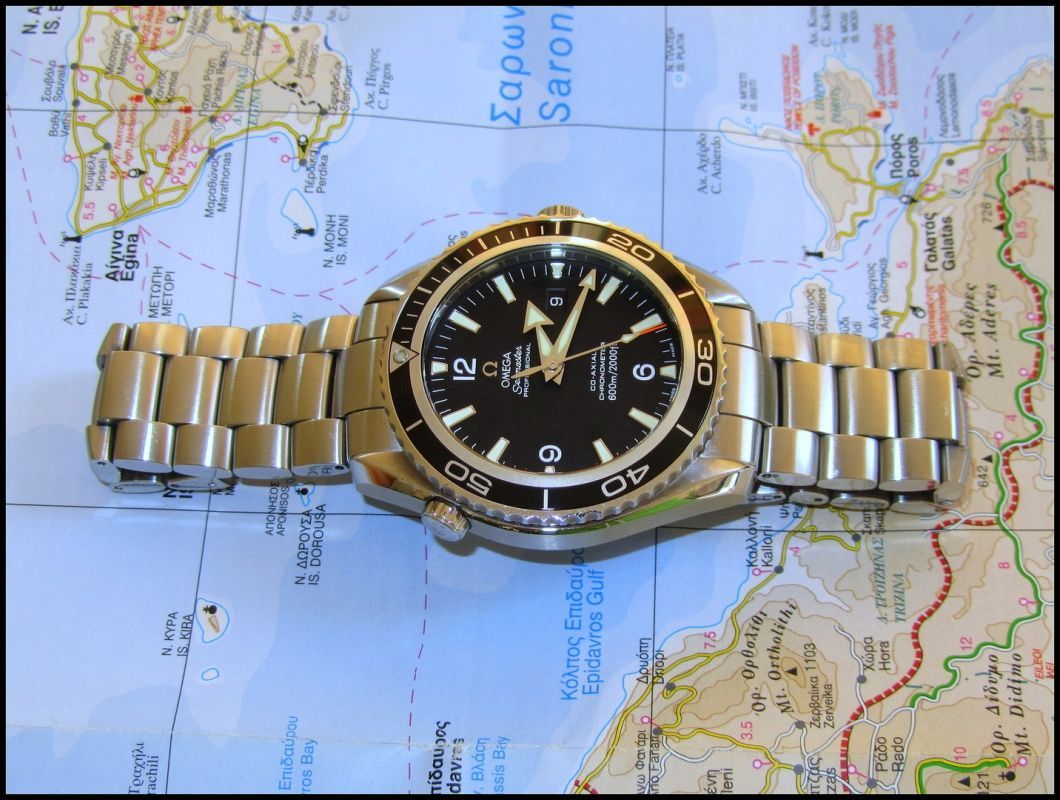
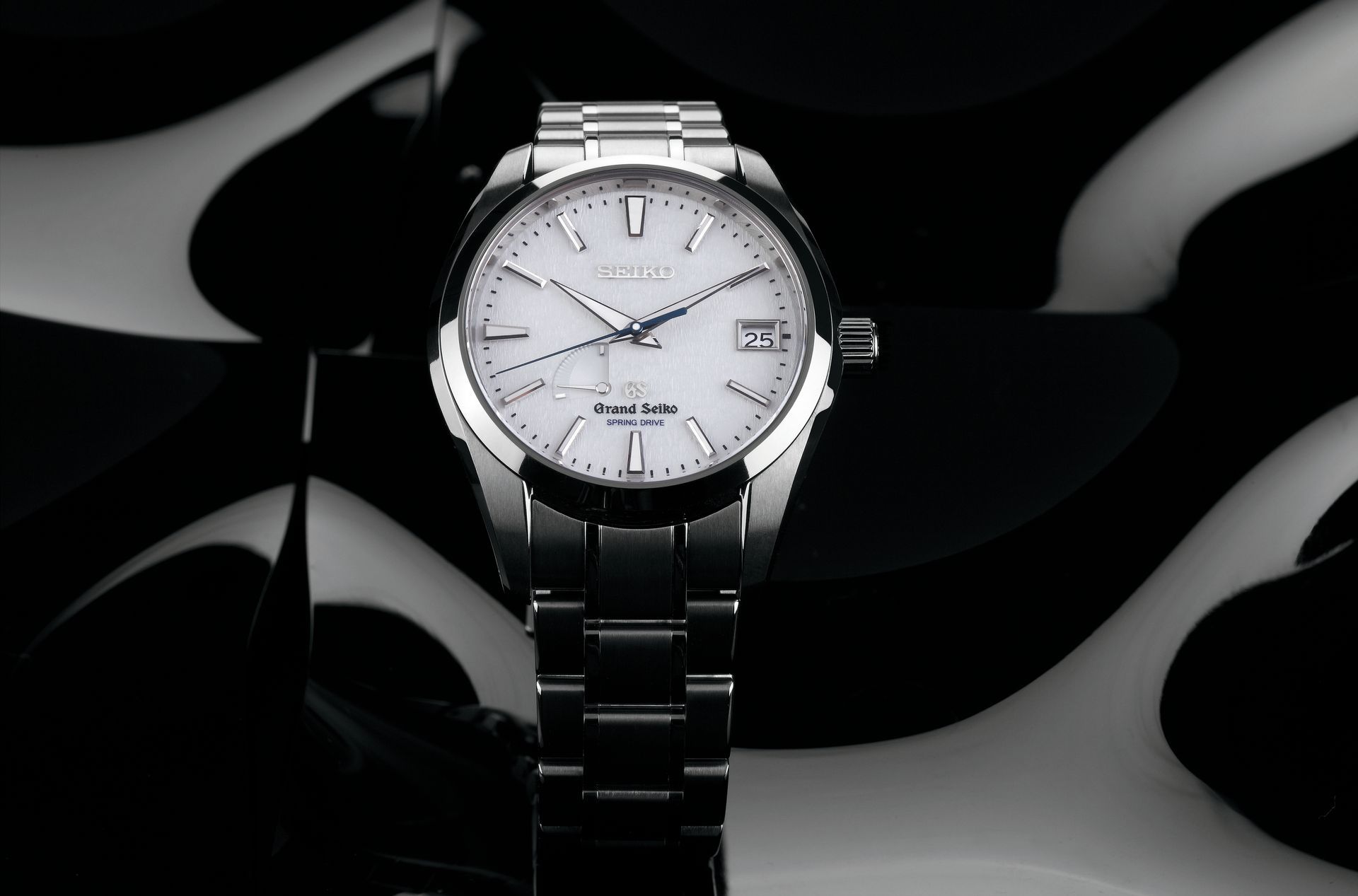
Japan took a different path. Grand Seiko ended mechanical production in 1975, returned as a quartz line on 22 September 1988, and later developed Spring Drive ( REPORTED , see our Grand Seiko page). Omega licensed George Daniels's co-axial escapement and introduced the Calibre 2500 in 1999. The mechanical watch had become a luxury object defined by craft, not accuracy.
Long-term effects: ETA, Nivarox, Sellita and COSC
The crisis left a concentrated supply chain. Under SMH, movement production moved into ETA, and brands such as Longines and Omega were asked to cut their own movements and buy from ETA ( REPORTED ). Nivarox-FAR, formed in 1984, became a key source of balance springs. By 2001, A Blog to Watch says, ETA sold about CHF 0.77 billion of parts and movements to companies outside the group ( REPORTED ).
That made Swatch Group a supplier to its rivals, and regulators noticed. Swatch agreed with the Swiss competition authority in 2013 to wind down supplies, and the dispute ran on. Deadlines and final terms are reported differently ( UNCERTAIN ). Sellita rose to fill the gap, and Swatch said Sellita supplied about one million mechanical movements in 2019, roughly twice ETA's output ( REPORTED , Swatch's own statement).
COSC, the Swiss chronometer certifier, was set up in 1973 by the watch federation and five watchmaking districts. It now says it certifies over 2 million movements a year ( REPORTED ). Most are mechanical. Quartz still dominates volume, with 27.9 million analogue quartz watches against 2.7 million mechanical in Swiss output for 2000 ( REPORTED ), but mechanical carries the prestige.
What the quartz crisis teaches today
The best-known modern parallel is the smartwatch. Strategy Analytics estimated that Apple shipped 30.7 million watches in 2019, against 21.1 million for the entire Swiss industry ( REPORTED , estimates). For 2024 the federation reported Swiss exports of roughly CHF 26 billion, down 2.8 percent, on about 15 million pieces ( REPORTED ).
Opinion: the parallel is weaker than headlines suggest. Quartz attacked what the Swiss sold most of, which was accurate, affordable timekeeping. A smartwatch competes with that function too, but it does not replace the reasons people buy a watch costing thousands. The Swiss industry was split into many small firms with a shared supply chain, which made it slow to move. Houses that survived either consolidated, as with the Swatch Group, or moved their appeal from function to craft, as with Patek Philippe, Lange and the Royal Oak.
Winning the invention did not decide the outcome, since the record-setting prototypes came from Swiss labs. Mass production, price and distribution did.
Where to see the history
Check current displays before travelling.
The Seiko Museum Ginza in Tokyo, which moved there in August 2020, shows the development of Seiko timekeeping up to the 1969 Astron and has an original Astron on display ( REPORTED ). The Musée international d'horlogerie in La Chaux-de-Fonds ran a quartz exhibition in 2002, but whether quartz pieces are on view today is UNCERTAIN . The Deutsches Uhrenmuseum in Furtwangen holds a Seiko Astron, though its display status is also UNCERTAIN .
In Neuchâtel, an IEEE milestone plaque for the CEH work stands at the Cantonal Observatory, dedicated on 28 September 2002 ( CONFIRMED ). The Smithsonian's National Museum of American History lists a Beta 21 module in its collection (record seen, display status UNCERTAIN ). The El Primero attic at Le Locle is reported to be part of visitor tours, as our Zenith quartz crisis page explains.
Timeline of the quartz crisis, 1960 to 1990
Where sources split on a date, the label says so.
| Year | Event | Label |
|---|---|---|
| 1962 | CEH founded in Neuchâtel by about 20 Swiss firms | REPORTED |
| 1967 | CEH Beta 1 and 2 and Seiko Astron prototypes shown | REPORTED |
| 1969 | Longines Ultra-Quartz announced (August); Seiko Quartz-Astron on sale 25 December | REPORTED / CONFIRMED |
| 1970 | Beta 21 on sale from 10 April; Hamilton announces the Pulsar | CONFIRMED |
| 1972 | Pulsar P1 on sale at US$2,100; Royal Oak launched | CONFIRMED |
| 1974 | Casiotron; Omega Marine Chronometer | REPORTED |
| 1976 to 1977 | TI plastic LED watch at about US$20, then US$9.95; Rolex Oysterquartz | REPORTED |
| 1978 | Hong Kong top exporter of electronic watches; Delirium announced (or 1979) | UNCERTAIN |
| 1981 to 1982 | SSIH banks take control (1981); ASUAG fails (1982) | REPORTED |
| 1983 | Swatch launch (1 March); G-Shock DW-5000C (April); ASUAG and SSIH merge | REPORTED |
| 1984 | Nivarox-FAR formed; Zenith El Primero tooling found; Rolex agreement | REPORTED |
| 1985 | Hayek takes 51 percent; TAG Group buys Heuer | REPORTED |
| 1988 | Rolex Daytona 16520; Grand Seiko returns as quartz | REPORTED |
| 1990 | A. Lange & Söhne restarted | REPORTED |
Sources
- Wikipedia: Quartz crisis, Quartz clock, Omega Electroquartz, Astron, Swatch Group, Nicolas Hayek, Swiss watchmaking industry, Citizen Watch, Blancpain, Universal Genève
- A Blog to Watch, A Brief History of ETA, part 2
- Time+Tide, the quartz crisis was not solely to blame
- Commoncog, Did quartz really kill the Swiss watch industry
- Gear Patrol, How Switzerland (almost) won the quartz watch race
- IEEE milestone, quartz wristwatch pioneering work, 1962 to 1967; Europa Star, the quartz watch exhibition and 2000 output figures
- Seiko Museum Ginza; Musée international d'horlogerie
- COSC, our story; Swiss watch federation, COSC at 50
- Strategy Analytics via Business Wire; Swissinfo, 2024 exports
- Brand and collector references: Breitling history, Science Museum Longines, Coronet on Patek quartz, Coronet on Caliber 350, Rolex 5100, Hackaday on digital watches
Frequently Asked Questions
What was the quartz crisis?
The quartz crisis was the period from about 1970 to the mid-1980s when cheap, accurate quartz and digital watches took the mass market from Swiss makers. Swiss employment and company numbers fell sharply, and the two big holding groups, SSIH and ASUAG, needed bank support. Historians disagree on how much quartz alone caused the decline.
Who invented the quartz watch?
No single inventor. Seiko sold the first commercial quartz wristwatch, the Astron, on 25 December 1969. Swiss laboratories in Neuchâtel built record-setting prototypes earlier, and Longines announced a quartz watch in August 1969. The Swiss Beta 21 followed in April 1970. Which one counts as first depends on whether you mean prototype, announcement or retail sale.
Did quartz almost kill Swiss watchmaking?
It nearly ended the mass-market Swiss industry. Reported figures put employment falling from about 90,000 in 1970 to roughly 30,000 by the mid-1980s. But high-end mechanical watchmaking survived, and by 2000 mechanical watches were about 9 percent of Swiss units yet nearly half the output value, according to Europa Star figures.
How did Swatch save the Swiss industry?
Swatch gave the groups a cheap, automated, fashionable quartz product. Launched in 1983 with 51 parts, it won back the entry level, and the merged ASUAG and SSIH group returned to profit in 1984. Some historians argue the story is overstated, because luxury brands later generated much of the cash for acquisitions.
Why do mechanical watches still exist?
Because they stopped competing on accuracy and started competing on craft, heritage and design. Quartz made precise timekeeping cheap, so makers such as Blancpain, Lange, Rolex and Patek Philippe positioned mechanical movements as luxury objects. Buyers now pay for finishing, complication and brand, not for the best rate.
What is the Seiko Astron?
The Seiko Quartz-Astron was the first commercial quartz wristwatch. It went on sale in Tokyo on 25 December 1969 in an 18-carat gold case for 450,000 yen, with about 100 sold. Its crystal ran at 8,192 Hz. Seiko later reused the Astron name for GPS and solar watches.
Did Rolex make quartz watches?
Yes. Rolex sold a limited Beta 21 watch, the reference 5100, around 1970, reported at about 1,000 pieces. In 1977 it launched the Oysterquartz, with in-house quartz movements, and built it for roughly 25 years. Rolex otherwise kept its core lines mechanical.
Was the quartz crisis caused only by quartz?
No. Most historians see quartz as the trigger of a wider problem. Other factors raised include a fragmented industry, slow adoption of mass production, management choices and a strong Swiss franc after the 1973 oil crisis. How much each mattered is still debated.
Related Reading