Time on the Move
| Published November 4, 2026 | Interactive Guide
Not sure which watch to buy
? This quiz asks about what you need the watch for, your budget, your wrist and your style, then recommends three watches with the reasons they fit, what to watch out for, and a link to the full history of each model. The questions change with your answers: a watch for the office, a gift, travel or the outdoors each leads somewhere different.
Loading the watch finder…
How the watch finder works
Each answer adds weight to a set of traits such as understated
, durable
, slim
or travel. A few answers act as hard filters instead: your budget, whether you want new or pre-owned, and any workplace rule that stops you wearing a wristwatch. Every watch in our catalogue is tagged with the same traits. We rank the watches that fit your filters by how well their traits match yours, then adjust for your wrist and case-thickness preferences.
The catalogue is about 90 watches that we already cover in depth in our watch history library, from sub-$100 digital watches to Swiss luxury. Each recommendation links to that model's history page and, where relevant, to one of our buying guides. We do not recommend a watch just because a retailer pays commission: the ranking is calculated before any retailer link is added, and the links are marked as sponsored.
Your answers stay in your browser. The page keeps them in the web address so you can bookmark or share your result, and nothing is sent to us.
What to decide before you buy a watch
Publishers that guide first-time and repeat buyers agree on three things above all: the budget, what the watch is for, and how it fits your wrist. Everything else, from movement type to brand, is more a matter of taste. The quiz asks about all of these, and the sections below explain why each matters.
Budget and where it goes
The quiz uses the price ceilings that most watch publishers use ($500, $1,000, $2,500, $5,000 and $10,000, with extra steps at $250 and $25,000). Prices differ for new and pre-owned: a pre-owned budget buys a different product than the same amount at retail, so the quiz asks about both.
Budget tier
What it typically buys
Where to look next
Under $250
Quartz, solar and digital watches; tough everyday tools
A short-lugged 42mm watch can wear smaller than a long-lugged 40mm one. Lug-to-lug length, the distance from the tip of one pair of lugs to the other, is what decides whether a watch overhangs your wrist. Guides give different diameter bands for different wrist sizes, so treat them as starting points and check lug-to-lug before you order. If you wear shirts with cuffs, thickness matters too: under about 10mm is the common benchmark for a watch that slides under a cuff.
Mechanical, quartz or solar
This is mostly taste. Mechanical watches (automatic or hand-wound) appeal for the movement and craft but need servicing every several years. Quartz is more accurate and cheaper to own, and solar quartz removes battery changes. The quiz treats it as a preference with an “advise me” option, not a filter.
Durability and water resistance
A 30m rating means splashes only, not swimming. For regular swimming, divers and sport use, look for 100m at least, and 200m with a screw-down crown for more confidence. Daily wearers also need more durability than people who wear a watch occasionally.
New or pre-owned
New gives you papers and warranty. Pre-owned can be good value, particularly for discontinued models, if the seller is trustworthy and the service history is known. Our recommendations flag when a model is only available pre-owned.
Choosing a watch for work
If you pick “work” the quiz asks what kind of job you have, your dress code and who you are dressing for, because the same watch can read as fine, flashy or casual depending on the room. Guidance from etiquette and career sources points the same way: in conservative settings such as finance and law, restraint is the safe default, and a thin, simple watch that fits under a cuff reads as more formal than a chunky sports watch. Avoid visibly outranking the room, particularly your direct boss.
Some workplaces have hard rules that override style. Clinical hygiene policies, safety rules for electrical work and food-preparation regulations can all restrict wristwatches or other wrist jewellery. If you tell the quiz your workplace restricts them, it will suggest an off-duty watch, never one to wear on duty. Always follow your employer's own rules.
Browse watch picks by situation
Prefer to browse? These guides use the same method as the quiz for specific situations.
Best Watch for the Office: understated, easy to wear with a shirt and cuffs, and not a distraction in meetings
The questions and weights were designed from published buying guidance from watch media and retailers, plus career and etiquette sources for the workplace questions, which we paraphrased and weighed against each other. Where sources disagree (for example, whether a diver suits business casual) the quiz leans on how strict your dress code is, and results carry a caveat. Most of the evidence on how a watch affects your career is anecdotal, so the workplace advice is phrased as common norms rather than rules.
Prices are approximate US figures checked on the date shown with each recommendation, and they change: confirm with the retailer. The catalogue only includes watches we cover in our library, so some good watches, including many microbrands, are not in it. Recommendations are editorial, not a promise of availability. See our history library
for the background on every brand.
Frequently Asked Questions
How does the watch finder quiz choose a watch?
Your answers add weight to traits such as understated, durable, slim or travel, and a few answers act as hard filters (budget, new or pre-owned, workplace restrictions). Each catalogue watch is tagged with the same traits and ranked by how well it matches, then adjusted for your wrist and thickness preferences.
How many questions are there?
Most people answer between 8 and 14 questions. The quiz branches, so a work watch, a gift, a travel watch and a first watch each lead to different follow-up questions.
Does the quiz work for gifts?
Yes. If you choose gift, it asks about the recipient, the occasion and their tastes, and favours versatile, well-regarded watches that are a safe choice with papers and warranty.
What if I am buying a watch for work?
The quiz asks about your kind of job, dress code and who you are dressing for, and prefers understated, slim, cuff-friendly watches where that fits. If your workplace restricts wrist watches, it recommends an off-duty watch instead.
Does the quiz recommend pre-owned watches?
It can. You choose new only or pre-owned allowed, and results say when a model is no longer made new, so you know to check service history and papers.
Are the recommendations sponsored?
No. The ranking is calculated before any retailer link is added. Some links to retailers are affiliate links, are marked as sponsored, and may earn us a commission at no extra cost to you.
How accurate are the prices?
They are approximate US figures checked on the date shown, and watch prices change often, especially for Rolex, Tudor and Omega. Confirm the current price with the retailer before you buy.
Is my data stored?
No. Your answers stay in your browser and in the web address of the page. We do not receive them.
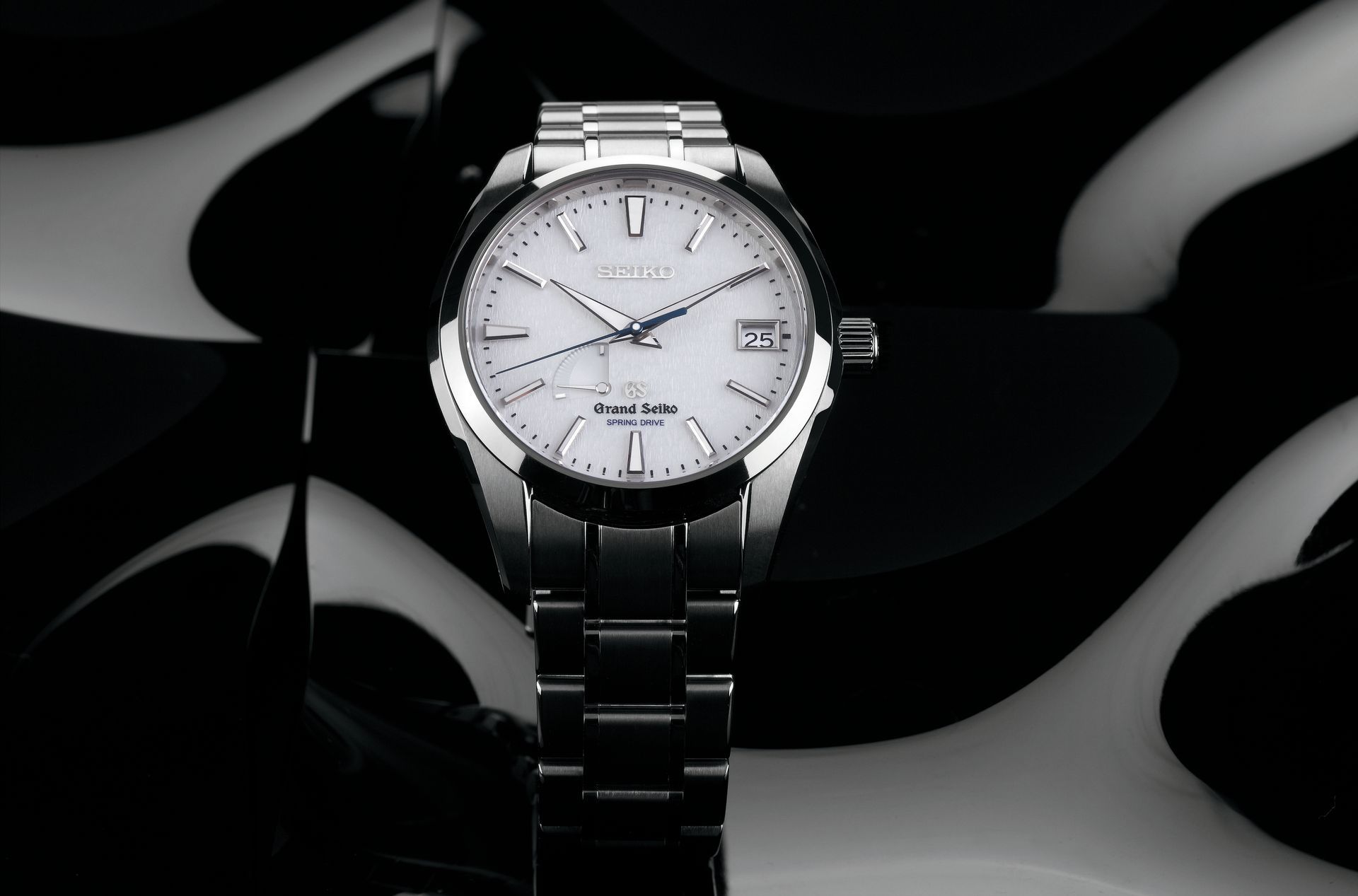
The best watches under $10,000 in 2026 — Grand Seiko Snowflake and Breitling Navitimer new; plus used Rolex GMT-Master II Pepsi 16710, Jaeger-LeCoultre…