Buying Guide
First Luxury Watch
Watch Finder
Best First Luxury Watch: Our Picks by Budget
Time on the Move
| Published November 4, 2026 | Buying Guide
If you are looking for the best first luxury watch, this page is for you. It suits someone who has worn inexpensive watches, wants one well-made piece to keep for years, and has roughly $2,500 to $10,000 to spend. You can buy new from an authorized dealer or pre-owned from a seller you trust. We split the picks into two budget bands so you can see what each range really buys. Nothing here is investment advice. Treat every price as a snapshot, because retail and pre-owned prices move, and check the current figure before you commit.
We chose these watches with the same Watch Finder method we use across the site. First come hard filters on budget and on whether the watch is sold new or pre-owned. Then we apply weighted traits that matter for a first purchase: how easy it is to wear every day, how tough it is, how little upkeep it needs, and how well it has held value. Resale gets only a small weight, because most watches lose value. Last, we check each result against our own research notes on how publishers and sellers advise buyers, and we say where that evidence is thin.
The short answer: $2,500 to $5,000
: TAG Heuer Aquaracer Professional 200 Solargraph 40mm (2026); $5,000 to $10,000
: Rolex Oyster Perpetual 36. Not sure which fits you? Take the Watch Finder quiz.
Our picks by budget
$2,500 to $5,000
TAG Heuer Aquaracer Professional 200 Solargraph 40mm (2026)
New: about $3,100 to $3,850 (checked 2026-11-04)
The 40 mm case has 200 m water resistance and a solar movement that never needs a battery change, so it is easy to live with. The limit is that it is solar quartz, not a mechanical watch, which some first luxury buyers specifically want.
Worth knowing:
Titanium models cost $3,600-$3,850
Read the TAG Heuer history
· Related guide
Where to look: Amazon
Chrono24
Tudor Pelagos 39 (M25407N-0001)
Pre-owned: about $3,900 to $4,700 (checked 2026-11-04)
Pre-owned examples in our data run about $3,900 to $4,700, with a light titanium case, 200 m rating and bracelet. At 11.8 mm thick it will not slide under a tight cuff, and pre-owned means you should ask for service history.
Worth knowing:
11.8 mm thick, so it will not slip under tight cuffs
Read the Tudor history
· Related guide
Where to look: Chrono24
Bob's Watches
$5,000 to $10,000
Rolex Oyster Perpetual 36
New: about $6,750 to $7,050 (checked 2026-11-04)
A plain-dial 36 mm steel Rolex that is easy to wear daily, new from about $6,750 to $7,050. The honest limit is availability: waitlists at authorized dealers are common, and pre-owned prices in our data ($8,500 to $10,500) sit above retail.
Worth knowing:
Waitlists or limited availability at authorised dealers are common
Read the Rolex history
· Related guide
Where to look: Amazon
Chrono24
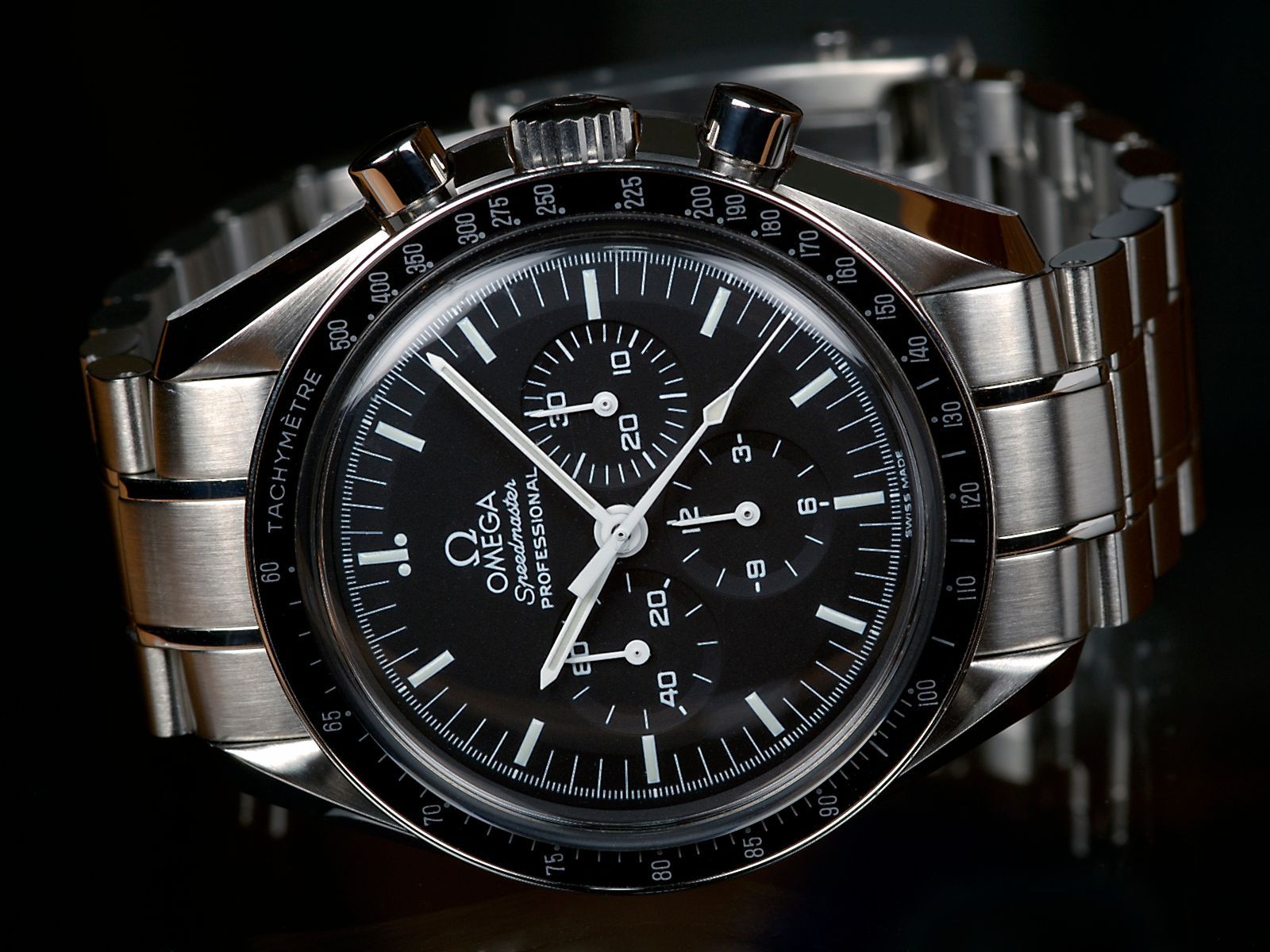
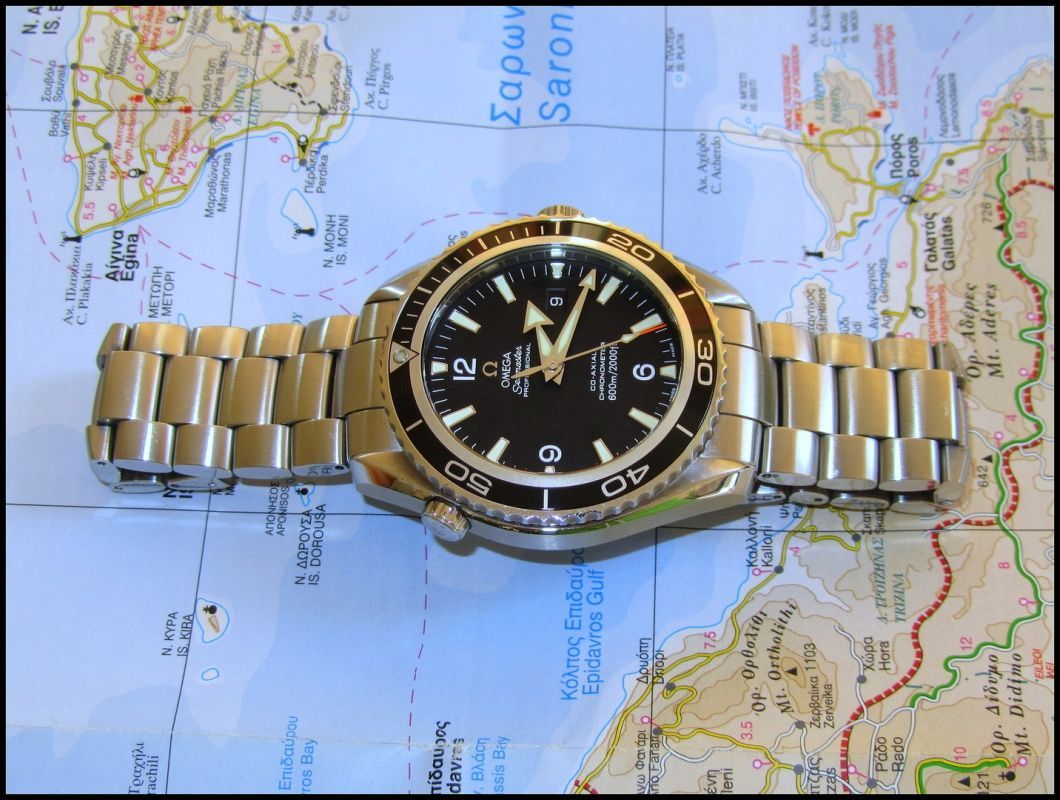
Omega Seamaster Railmaster 38 mm (2025)
New: about $5,800 to $6,200 (checked 2026-11-04)
A quiet 38 mm steel watch with a 44.9 mm lug-to-lug that suits average and smaller wrists, about $5,800 to $6,200 new or $4,000 to $5,000 pre-owned. It is rated to 150 m with no rotating bezel, so it is not a dive watch, and at 12.4 mm it is fairly thick.
Worth knowing:
Rated only to 150 m and has no rotating bezel, so it is not a dive watch
Read the Omega history
· Related guide
Where to look: Amazon
Chrono24
Picks at a glance
| Watch |
Price |
Size |
Movement |
Water resistance |
| TAG Heuer Aquaracer Professional 200 Solargraph 40mm (2026) |
$3,100 to $3,850 |
40 mm x 11.3 mm thick |
Solar |
200 m |
| Tudor Pelagos 39 (M25407N-0001) |
$3,900 to $4,700 (pre-owned) |
39 mm x 11.8 mm thick |
Automatic |
200 m |
| Rolex Oyster Perpetual 36 |
$6,750 to $7,050 |
36 mm x 11.6 mm thick |
Automatic |
100 m |
| Omega Seamaster Railmaster 38 mm (2025) |
$5,800 to $6,200 |
38 mm x 12.4 mm thick |
Automatic |
150 m |
What 'first luxury' actually means
There is no agreed definition. One pre-owned dealer, which is a seller with its own inventory to move, treats about $4,000 to $8,000 as a first luxury range on the secondary market. Other guides put entry luxury at around $5,000 and the luxury tier at $5,000 to $15,000 new. So the label runs from about $4,000 pre-owned to $10,000 new, depending on who is writing. That is why we show two bands. Pick by what you can spend without regret, not by the label. (Evidence: CONFIRMED that definitions differ.)
Fit comes before the name
Check lug-to-lug length, not just diameter. Several enthusiast outlets say lugs that overhang the wrist are the most common fit failure, and that a short-lugged larger case can wear smaller than a long-lugged smaller one. Thickness matters too if you wear cuffs. Almost every guide we read says to try the watch on, or at least buy from a seller with an easy return policy. (Evidence: CONFIRMED, from multiple sources.)
Durability and water resistance
A first luxury watch is often worn daily, so toughness counts. A 30 m rating means splashes only. One major outlet baselines a dive watch at 100 m with a screw-down crown, while some retailers advise 200 m for swimming. Sources disagree, so read the rating as a guide, not a promise. Also expect scratches. One enthusiast outlet warns against buying a watch you would only enjoy in perfect condition. (Evidence: CONFIRMED on ratings, REPORTED on the scratch advice.)
Movement and servicing
Mechanical watches need servicing every several years. Guides give anywhere from about 2 to 3 years for a budget movement up to about 10 years for some luxury calibers, with most modern luxury mechanicals quoted at 5 to 10 years. Quartz and solar watches usually cost less to keep running. Which you prefer is largely taste. Enthusiast writers lean mechanical, while other outlets call quartz a legitimate and often smarter choice. Budget for servicing either way. (Evidence: CONFIRMED that servicing is a cost, ranges vary.)
New, pre-owned and resale
New gives you papers and warranty. Pre-owned can be good value if the seller is trustworthy and the service history is known. Sellers say a missing box or papers can cut resale value by 10 to 20 percent or more, but that comes from dealers, so treat it as REPORTED. Most watches lose value after purchase. One guide says selling within about 20 percent of retail while lightly used counts as holding value well. Use resale only as a tie-breaker between watches you already like.
When this advice does not fit
- You are buying mainly because you expect the watch to hold or gain value. Most do not, so a cheaper watch you enjoy is the safer choice.
- You want a dress watch under a tight cuff. All four picks here are 11 mm thick or more, so look at slim dress models instead.
- You only want a mechanical watch. One top pick here is solar quartz, so filter for automatic or hand-wound models.
Get a personal recommendation
These picks suit most people in this situation. For a recommendation based on your own budget, wrist size, style and workplace, take our Watch Finder quiz.
Prices are approximate US figures checked in November 2026 and change often. Some retailer links may become affiliate links; see our affiliate disclosure. Picks are chosen before any retailer link is added.
Frequently Asked Questions
What counts as a first luxury watch?
There is no standard. Publishers define it from about $4,000 pre-owned up to roughly $10,000 new, and some start the luxury tier near $5,000. Brand matters less than build quality, in-house or well-regarded movements, and a price that feels serious to you. Treat the label as a rough range, not a rule.
Should I buy my first luxury watch new or pre-owned?
Both are reasonable. New brings papers, warranty and known history. Pre-owned often costs less for the same model, though not always, but condition, authenticity and service history matter more. Buy from a seller with a clear returns policy and ask when the watch was last serviced. Add that cost to your budget if it is unknown.
Will a luxury watch hold its value?
Usually not fully. Guides from enthusiast outlets and dealers agree most watches lose value after purchase. In our data a few pre-owned prices sit above retail because new stock is limited, but that can change and is no promise. Treat resale as a tie-breaker, and buy a watch you will actually wear.
How much does servicing cost?
It varies by brand and movement. Guides quote service intervals of roughly 5 to 10 years for modern luxury mechanical watches, with costs in one outlet's table from roughly $150 to over $2,000 depending on the movement. Quartz and solar watches usually cost less to maintain. Check the brand's current service price before you buy.
Is a Rolex the right first luxury watch?
It can be, but it is not the only answer. Rolex steel models are well made and dealers say they often resell well, yet retail stock is limited and pre-owned prices in our data sit above retail. Omega, Tudor and others offer strong alternatives at lower prices. Choose by fit, use and budget first, then brand.