Buying Guide
Travel Watch
Watch Finder
Best Travel Watch: Our Picks by Budget
Time on the Move
| Published November 4, 2026 | Buying Guide
If you want the best travel watch, this page is for you. It suits people who cross time zones a few times a year and want home time and local time on one wrist. It also suits anyone who wants a tough watch that copes with a packed bag, a hotel pool and a dark cabin on a night flight. We cover three budget bands, from under $1,000 to above $5,000. If you rarely leave your own time zone, a simpler everyday watch will probably suit you better, and you can skip the extra cost and complexity of a second time zone.
We chose these with the same Watch Finder method we use across the site. First we apply hard filters, starting with your budget, so each pick sits inside a price band, and we label whether the price is new or pre-owned. Then we weight traits. For travel, a second time zone counts most, followed by toughness, readable lume and comfort for everyday wear. Finally we check each watch against our own research notes and published specifications. Prices were checked in late October and early November 2026 and will move, so confirm the current figure before you buy.
The short answer: Under $1,000
: Orient Kamasu GMT (42.8 mm); $1,000 to $5,000
: Tudor Black Bay Pro (M79470); $5,000 to $15,000
: Rolex GMT-Master II. Not sure which fits you? Take the Watch Finder quiz.
Our picks by budget
Under $1,000
Orient Kamasu GMT (42.8 mm)
New: about $495 to $625 (reported, checked 2026-10-29)
A 200 m automatic diver case with a GMT hand, at a price well below most GMT watches (about $495 to $625). The honest limit is that it launched in October 2026 and sources describe the GMT hand differently, so confirm whether it works as a true or caller GMT before buying. The lower price we found is a sale price against a $625 suggested retail.
Worth knowing:
Launched October 2026: how the GMT hand works is described differently by sources (set via the bezel, or a caller GMT), and the price is a sale price against a $625 suggested retail.
Read the Orient history
· Related guide
Where to look: Amazon
Chrono24
Timex Waterbury Heritage Automatic GMT (41.5 mm)
New: about $579 (reported, checked 2026-11-04)
A classic-looking automatic GMT with a Seiko NH34 movement for $579 is a low-cost way to try a second time zone. The limit is that it is a large 41.5 mm case, and we could not confirm its thickness or water resistance, so check both and the lug-to-lug length before you buy.
Worth knowing:
Large 41.5 mm case; check lug-to-lug on your wrist, and water resistance and thickness were not confirmed.
Read the Timex history
· Related guide
Where to look: Amazon
Chrono24
$1,000 to $5,000
Tudor Black Bay Pro (M79470)
New: about $4,525 to $5,075 (checked 2026-11-04)
A true GMT in a 39 mm case with 200 m water resistance, and a fixed bezel that cannot be knocked out of position in a bag. The limit is height: at about 14.6 mm thick it sits tall and will catch a cuff despite the 39 mm width. New prices run about $4,525 to $5,075, so it sits at the top of the middle band.
Worth knowing:
About 14.6 mm thick: it sits tall and will catch a cuff despite the 39 mm width
Read the Tudor history
· Related guide
Where to look: Amazon
Chrono24
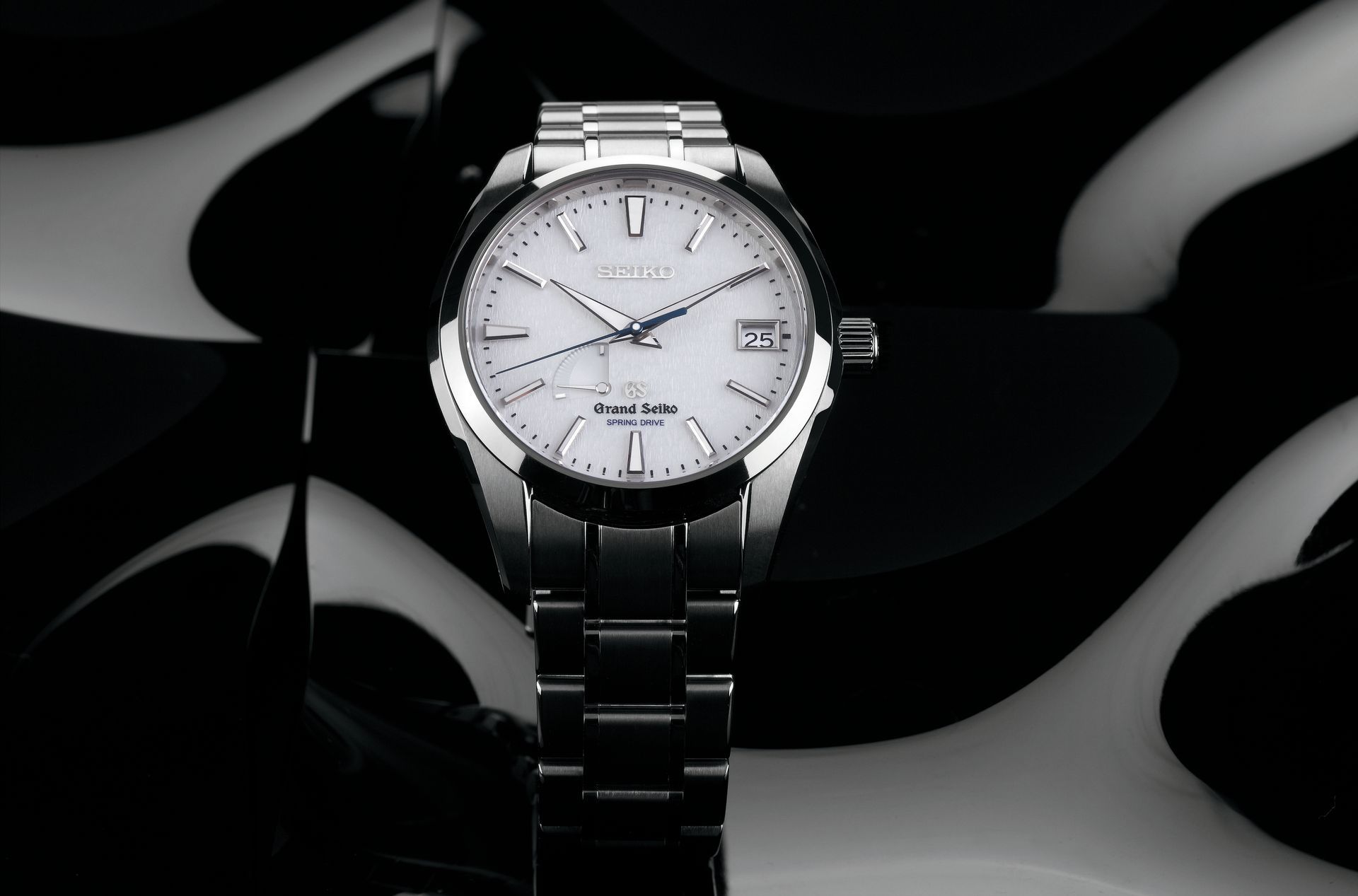
Grand Seiko Sport Collection Spring Drive GMT SBGE253
Pre-owned: about $4,200 to $5,000 (checked 2026-11-04)
A quiet-looking true GMT with a Spring Drive movement and a smooth gliding seconds hand, rated to 200 m. We list it on the pre-owned market at about $4,200 to $5,000, because new it is $6,900. The limit is thickness: at 14.7 mm it will not slide under tight cuffs.
Worth knowing:
14.7 mm thick, so it will not slide under tight cuffs
Read the Grand Seiko history
· Related guide
Where to look: Chrono24
Bob's Watches
$5,000 to $15,000
Rolex GMT-Master II
New: about $11,800 to $12,000 (checked 2026-11-04)
A dependable steel true GMT that lets you set the local hour without stopping the watch, from a widely recognised name. The limits are cost and water resistance. New it lists around $11,800 to $12,000, and pre-owned prices in our data run higher, at about $15,000 to $19,700. It is rated to only 100 m, so it is fine for swimming but not a heavy water watch.
Worth knowing:
Only 100 m water resistance, unlike the Submariner's 300 m
Read the Rolex history
· Related guide
Where to look: Amazon
Chrono24
Picks at a glance
| Watch |
Price |
Size |
Movement |
Water resistance |
| Orient Kamasu GMT (42.8 mm) |
$495 to $625 |
42.8 mm |
Automatic |
200 m |
| Timex Waterbury Heritage Automatic GMT (41.5 mm) |
$579 |
41.5 mm |
Automatic |
n/a |
| Tudor Black Bay Pro (M79470) |
$4,525 to $5,075 |
39 mm x 14.6 mm thick |
Automatic |
200 m |
| Grand Seiko Sport Collection Spring Drive GMT SBGE253 |
$4,200 to $5,000 (pre-owned) |
40.5 mm x 14.7 mm thick |
Automatic |
200 m |
| Rolex GMT-Master II |
$11,800 to $12,000 |
40 mm |
Automatic |
100 m |
True GMT or caller GMT
Two kinds of GMT watch exist. On a true GMT, sometimes called a flyer or traveller GMT, you jump the local hour hand in one-hour steps without stopping the watch, while the 24-hour hand keeps home time. On a caller GMT, sometimes called an office GMT, you move the 24-hour hand instead, and you reset it when you change zones. Neither type is more accurate. The names describe how you set them. Time+Tide and Fratello explain it the same way, so we treat the difference as well established. Which is better is opinion. True GMTs are quicker to set after landing, and caller GMTs often cost less. Check which type a model uses before you buy.
Do you need a second time zone at all?
This is our opinion, not a finding. A phone shows local time and home time, so a GMT watch is a convenience, not a necessity. It earns its place if you travel often, work with a team in another zone, or like reading home time without picking up a phone. The 24-hour hand also removes the day-or-night guesswork when you call home. If you cross zones once a year, a regular durable watch plus your phone works fine. Retailer lists also describe world-timers and dual-time watches as travel tools, so a GMT is not your only option.
Water resistance that matches the trip
The metre rating is a laboratory test pressure, not a safe depth. Retailer and enthusiast guides broadly agree that 30 m means splashes only, 100 m is the minimum for swimming, and 200 m with a screw-down crown gives more confidence for snorkelling or heavy use. Some brands rate 50 m or 100 m watches for swimming, so sources do differ. For a trip with a pool or the sea, we would not go below 100 m. Seals also wear with age, so a watch rated for water when new needs its seals checked after a few years.
Lume and legibility
On a night flight or in a dark hotel room, you want to read the time without a light. Good lume on the hands and hour markers helps, and a 24-hour hand that stands out from the main hands helps more when you are tired and jet-lagged. We have no lab data on lume brightness for these models, so this is a judgement based on spec sheets and what reviewers describe. Look at photos of the dial in low light and read owner reviews before you buy. Lume fades over a night, so treat it as a glance tool, not a torch.
Thickness, strap and carrying it safely
Thick watches catch on cuffs and sleeves. Two of our picks are about 14.6 and 14.7 mm thick, which is chunky, so try one on first. Check lug-to-lug length as well as diameter, because lugs that overhang your wrist are the usual fit failure. A bracelet handles heat, sweat and water well, and you can often swap to a strap later. That is a common view, not a test result. Keep an expensive watch on your wrist or in hand luggage rather than checked baggage, and check whether your insurance covers it abroad.
When this advice does not fit
- You rarely change time zones. A GMT adds cost and a little complexity you may never use, so a simpler everyday watch is the better buy.
- You wear a suit and cuffs on most trips. Several GMT picks here are 14 mm or thicker, so a slim dress watch will fit under a cuff far more easily.
- You would worry about carrying an expensive watch abroad. Choose a lower-priced pick, because peace of mind matters more than the badge.
Get a personal recommendation
These picks suit most people in this situation. For a recommendation based on your own budget, wrist size, style and workplace, take our Watch Finder quiz.
Prices are approximate US figures checked in November 2026 and change often. Some retailer links may become affiliate links; see our affiliate disclosure. Picks are chosen before any retailer link is added.
Frequently Asked Questions
What is the difference between a GMT watch and a world timer?
A GMT watch adds a 24-hour hand to track one extra time zone, usually your home zone. A world timer shows many cities around the dial or on a ring, so you can read time in several zones at once. Retailer and enthusiast guides describe both, plus dual-time watches, as travel tools. For most travellers, one extra zone is enough, and a GMT is simpler to read.
Should I choose a true GMT or a caller GMT?
Choose a true GMT if you want to change local time quickly after landing without disturbing your home-time hand. Choose a caller GMT if price matters more, since these often cost less. Neither is more accurate. Check how a specific model is set before buying, because sources sometimes describe new models differently.
Can I swim or snorkel while wearing a GMT watch?
It depends on the rating. A 30 m rating means splashes only. Guides generally treat 100 m as the minimum for swimming and 200 m with a screw-down crown as the more confident choice. Of our picks, the Rolex GMT-Master II is rated to 100 m, while several others are rated to 200 m. Check the rating and the crown type for the exact model.
Is it safe to travel with an expensive watch?
There is no rule against it, but this is practical opinion, not a test. Wear it or keep it in hand luggage rather than checked baggage. Check whether your insurance covers it abroad. In busy places, a watch that is not obviously expensive draws less attention. If worry would spoil the trip, take a lower-priced pick.
How do I set a GMT watch after landing?
Steps vary by model, so read the manual. On a true GMT, you usually pull the crown to a position that moves the local hour hand in one-hour jumps, leaving the minute hand and home-time hand alone. On a caller GMT, you adjust the 24-hour hand instead. Practise once at home so you are not guessing at the airport.