Buying Guide
Everyday Watch
Watch Finder
Best Everyday Watch: Our Picks by Budget
Time on the Move
| Published November 4, 2026 | Buying Guide
If you want the best everyday watch, this page is for you. It suits someone who wants a watch that can be worn every day without thinking about it: tough, comfortable, easy to read and cheap or simple to keep running. We cover three budget bands, from under $1,000 to $5,000 and up. Some picks are pre-owned, and we say so next to the price. Everyday does not have to mean expensive, and the first pick on this page costs far less than the others. Prices are snapshots, so check the current figure before you buy.
We chose these watches with the same Watch Finder method we use across the site. First come hard filters on budget. Then we weight the traits an everyday watch needs: durability, low maintenance, water resistance, lume and day-to-day comfort, with a small extra weight for quartz and solar movements. Finally we check each pick against our own research notes on how publishers advise buyers. Where advice is opinion or anecdote, we say so in plain words rather than present it as fact.
The short answer: Under $1,000
: Casio G-Shock DW-5600E / GW-M5610U (square 5600); $1,000 to $5,000
: TAG Heuer Aquaracer Professional 200 Solargraph 40mm (2026); $5,000 to $15,000
: Rolex Oyster Perpetual 36. Not sure which fits you? Take the Watch Finder quiz.
Our picks by budget
Under $1,000
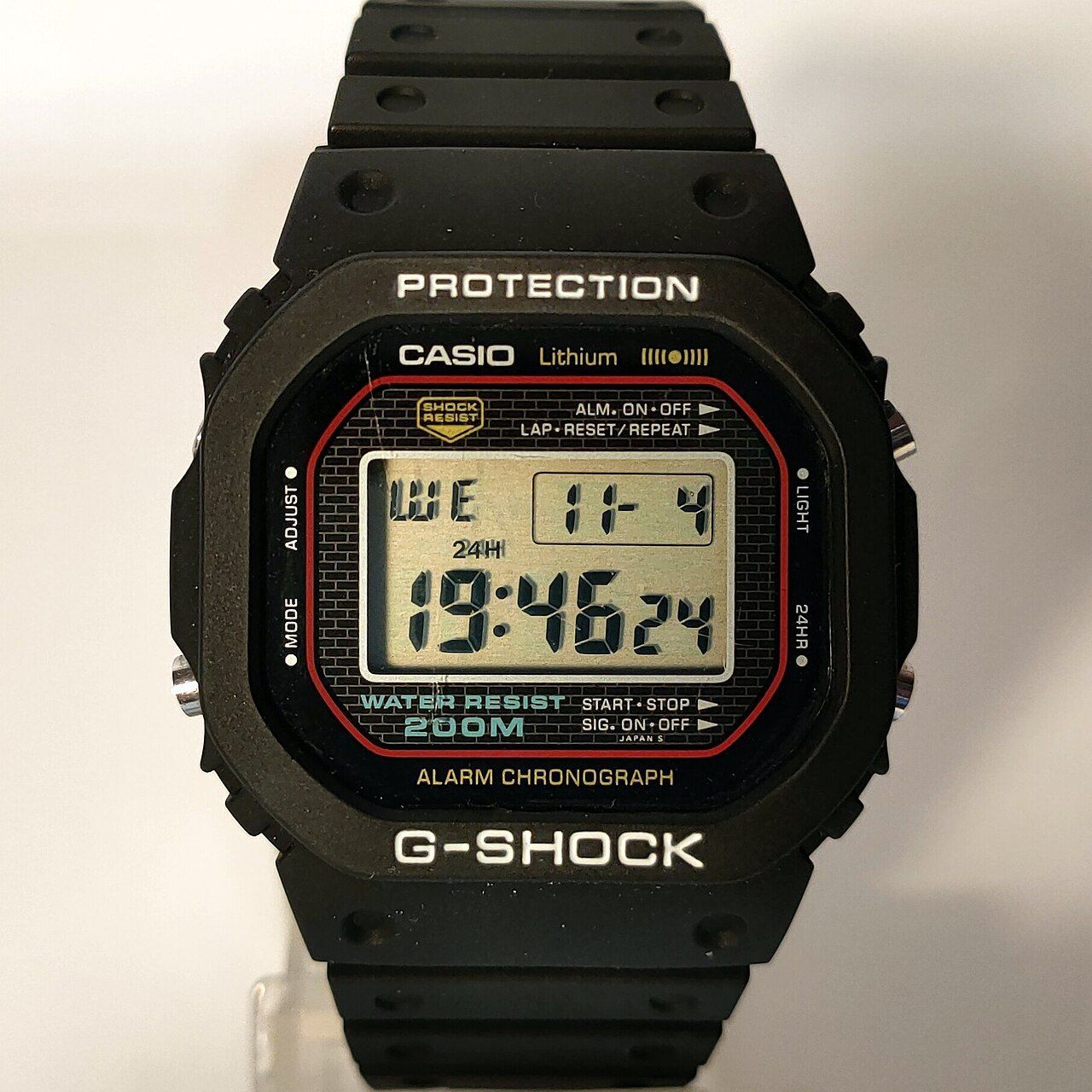
Casio G-Shock DW-5600E / GW-M5610U (square 5600)
New: about $65 to $165 (checked 2026-11-04)
Shock-resistant, 200 m rated and quartz, for about $65 to $165, it is the toughest low-cost option here. It is 42.8 mm wide, 13.4 mm thick and about 48.9 mm lug-to-lug, so it wears big and will not slide under a dress cuff.
Worth knowing:
Wears wide and thick (about 13.4 mm) for a resin watch
Read the Casio history
· Related guide
Where to look: Amazon
Chrono24
Tissot PRX 40 mm Quartz (T137.410.11.041.00)
New: about $395 to $450 (checked 2026-11-04)
A 40 mm quartz watch with a sapphire crystal, 100 m rating and an integrated bracelet, only 10.4 mm thick, for about $395 to $450. It is a good daily watch, but at this price it is quartz; the automatic version costs about $850.
Worth knowing:
Quartz only at this price; the Powermatic 80 automatic is $850
Read the Tissot history
· Related guide
Where to look: Amazon
Chrono24
$1,000 to $5,000
TAG Heuer Aquaracer Professional 200 Solargraph 40mm (2026)
New: about $3,100 to $3,850 (checked 2026-11-04)
A 40 mm solar dive-style watch on a bracelet with 200 m water resistance that never needs a battery change, about $3,100 to $3,850 new. It is very low fuss, but it costs more than other solar or quartz options, and titanium versions sit at the top of the range.
Worth knowing:
Titanium models cost $3,600-$3,850
Read the TAG Heuer history
· Related guide
Where to look: Amazon
Chrono24
Tudor Pelagos 39 (M25407N-0001)
Pre-owned: about $3,900 to $4,700 (checked 2026-11-04)
A light 39 mm titanium watch with a bracelet and 200 m rating, about $3,900 to $4,700 pre-owned. It is built for hard use, but it is 11.8 mm thick with a 47 mm lug-to-lug, and as a mechanical watch it needs periodic servicing.
Worth knowing:
11.8 mm thick, so it will not slip under tight cuffs
Read the Tudor history
· Related guide
Where to look: Chrono24
Bob's Watches
$5,000 to $15,000
Rolex Oyster Perpetual 36
New: about $6,750 to $7,050 (checked 2026-11-04)
A plain-dial 36 mm steel Rolex with a durable Oyster bracelet and 100 m rating, about $6,750 to $7,050 new. It is easy to wear daily, but waitlists at authorized dealers are common and a scratch on a watch this expensive can sting.
Worth knowing:
Waitlists or limited availability at authorised dealers are common
Read the Rolex history
· Related guide
Where to look: Amazon
Chrono24
Tudor Black Bay 58 (2026 generation)
New: about $4,975 to $5,350 (checked 2026-11-04)
A 39 mm steel diver with a 200 m rating, an in-house movement and a bracelet, about $4,975 to $5,350 new. It is rugged, but at 11.7 mm thick and 47.8 mm lug-to-lug it wears larger than its diameter suggests.
Worth knowing:
11.7 mm thick and about 47.8 mm lug-to-lug: wears larger than the 39 mm number
Read the Tudor history
· Related guide
Where to look: Amazon
Chrono24
Picks at a glance
| Watch |
Price |
Size |
Movement |
Water resistance |
| Casio G-Shock DW-5600E / GW-M5610U (square 5600) |
$65 to $165 |
42.8 mm x 13.4 mm thick |
Quartz |
200 m |
| Tissot PRX 40 mm Quartz (T137.410.11.041.00) |
$395 to $450 |
40 mm x 10.4 mm thick |
Quartz |
100 m |
| TAG Heuer Aquaracer Professional 200 Solargraph 40mm (2026) |
$3,100 to $3,850 |
40 mm x 11.3 mm thick |
Solar |
200 m |
| Tudor Pelagos 39 (M25407N-0001) |
$3,900 to $4,700 (pre-owned) |
39 mm x 11.8 mm thick |
Automatic |
200 m |
| Rolex Oyster Perpetual 36 |
$6,750 to $7,050 |
36 mm x 11.6 mm thick |
Automatic |
100 m |
| Tudor Black Bay 58 (2026 generation) |
$4,975 to $5,350 |
39 mm x 11.7 mm thick |
Automatic |
200 m |
Real toughness, not just a tough look
Daily wearers need more durability than occasional ones. Look for a scratch-resistant crystal such as sapphire, a solid case and a bracelet that does not rattle. Shock resistance matters if you work with your hands. Expect some scratches in any case. One enthusiast outlet warns against buying a watch you would enjoy only when pristine, then wearing it every day. (Evidence: REPORTED on scratches, CONFIRMED that daily wearers need more durability.)
Water resistance in plain terms
A 30 m rating means splashes only, not swimming. One major outlet uses 100 m with a screw-down crown as the baseline for a dive watch. Some retailers recommend 200 m for swimming and snorkeling, so sources do not fully agree. For daily wear, 100 m handles showers and rain. Many people prefer 200 m for peace of mind. Do not press buttons or crowns underwater unless the manual says it is safe.
Quartz, solar or mechanical
A dealer notes that quartz is more accurate and cheaper to own, while an automatic needs no battery but needs servicing every several years. Enthusiast writers lean mechanical, but other outlets call quartz and solar legitimate, even smarter, for low fuss. Which you choose is taste. If you want to forget the watch exists, solar and quartz are the lowest-upkeep options, since neither needs regular winding or frequent servicing. If you enjoy the mechanical side, an automatic is fine for daily wear, provided you accept the servicing bill. (Evidence: CONFIRMED that it is a preference.)
Comfort, thickness and lug-to-lug
A watch you forget you are wearing needs to fit. Check lug-to-lug length, not just diameter, because lugs that overhang the wrist are the usual fit failure. Thickness affects cuffs and sleeves. Thin watches slide under a cuff more easily, though sources disagree on what is thin enough. A rubber or resin watch is light, but a thick case can catch on clothing. Try it on, or buy from a seller with easy returns.
Cost of ownership
Think about what you will spend after buying. A mechanical watch needs servicing, and guides quote anything from about 2 to 3 years for budget movements up to about 10 years for some luxury ones. A quartz watch needs a battery now and then, and solar watches need less. For a pre-owned watch, ask when it was last serviced. Do not rely on resale, because most watches lose value. (Evidence: CONFIRMED that servicing is a real cost.)
When this advice does not fit
- You need a very thin watch for tight cuffs every day. All of these picks are 10 mm or thicker, so look at slim dress watches instead.
- You want a watch that looks dressy in a formal office. Sport and resin cases read casual.
- You have a small wrist. Several picks have a long lug-to-lug, so check the numbers or see our small-wrist picks.
Get a personal recommendation
These picks suit most people in this situation. For a recommendation based on your own budget, wrist size, style and workplace, take our Watch Finder quiz.
Prices are approximate US figures checked in November 2026 and change often. Some retailer links may become affiliate links; see our affiliate disclosure. Picks are chosen before any retailer link is added.
Frequently Asked Questions
What makes a watch good for everyday wear?
Durability, comfort, easy readability and low upkeep. In practice that means a sapphire or other scratch-resistant crystal, water resistance of at least 100 m, a bracelet or strap that stays comfortable and a case that fits your wrist. Guides agree daily wearers need more durability than occasional ones.
Is quartz or automatic better for everyday use?
Neither is better for everyone. Quartz and solar are more accurate and cheaper to own, with little servicing. Automatics need no battery but need servicing every several years. Enthusiasts often prefer mechanical, but many guides call quartz just as valid. Pick the one you will enjoy wearing.
How water resistant should an everyday watch be?
A 30 m rating is splash-resistant only. A 100 m rating handles showers and light swimming for many people, while some retailers recommend 200 m with a screw-down crown for swimming and snorkeling. Sources disagree, so choose 200 m if you want the cautious option.
Do I need to spend a lot on an everyday watch?
No. A tough quartz watch costs under $200, and many good daily watches cost under $1,000. Spending more buys finishing, movement quality and brand, not necessarily more durability. Guides warn that a higher price does not guarantee more satisfaction, so decide what you need the watch to do first, then let the budget follow.
How do I keep an everyday watch in good shape?
Rinse it after salt water or sweat if it is rated for it, keep the crown screwed down, and avoid strong magnets and heat. Expect scratches over time. Mechanical watches need servicing every several years, and quartz needs a new battery now and then. Keep records of service.