Buying Guide
Watch if You Only Own One
Watch Finder
Best Watch if You Only Own One: Our Picks by Budget
Time on the Move
| Published November 4, 2026 | Buying Guide
If you want the best watch if you only own one, this page is for you. It suits someone who will wear a single watch to work, on weekends, while traveling and sometimes near water. That is a big job, so we look for a watch that is comfortable, tough, easy to read and quiet enough to suit most outfits. We show picks in three budget bands, from under $1,000 to $5,000 and up. Some are pre-owned, and we say so next to the price. Treat all prices as snapshots and check current figures before you buy.
We chose these watches with the same Watch Finder method we use across the site. First come hard filters on budget and a preferred case size range of about 36 to 41 mm. Then we weight the traits a single watch needs: everyday comfort, durability, water resistance, a bracelet, low upkeep and an understated look. Finally we check each pick against our own research notes on how publishers advise buyers. Where the advice is opinion or anecdote, we say so in plain words.
The short answer: Under $1,000
: Tissot PRX 40 mm Quartz (T137.410.11.041.00); $1,000 to $5,000
: Omega Seamaster Railmaster 38 mm (2025); $5,000 to $15,000
: Grand Seiko Snowflake SBGA211. Not sure which fits you? Take the Watch Finder quiz.
Our picks by budget
Under $1,000
Tissot PRX 40 mm Quartz (T137.410.11.041.00)
New: about $395 to $450 (checked 2026-11-04)
A 40 mm quartz watch only 10.4 mm thick, with a sapphire crystal, 100 m rating and an integrated bracelet, for about $395 to $450. The limit is that it is quartz at this price; the automatic version costs about $850.
Worth knowing:
Quartz only at this price; the Powermatic 80 automatic is $850
Read the Tissot history
· Related guide
Where to look: Amazon
Chrono24
Orient Kamasu (RA-AA0001B)
New: about $350 to $375 (checked 2026-11-04)
A sapphire-crystal automatic diver rated to 200 m at about $350 to $375, so it handles water, work and weekends for very little money. At 41.8 mm and 12.8 mm thick it is chunky under a cuff, so it suits casual and business-casual dress better than a suit.
Worth knowing:
Fewer service points than Seiko
Read the Orient history
· Related guide
Where to look: Amazon
Chrono24
$1,000 to $5,000
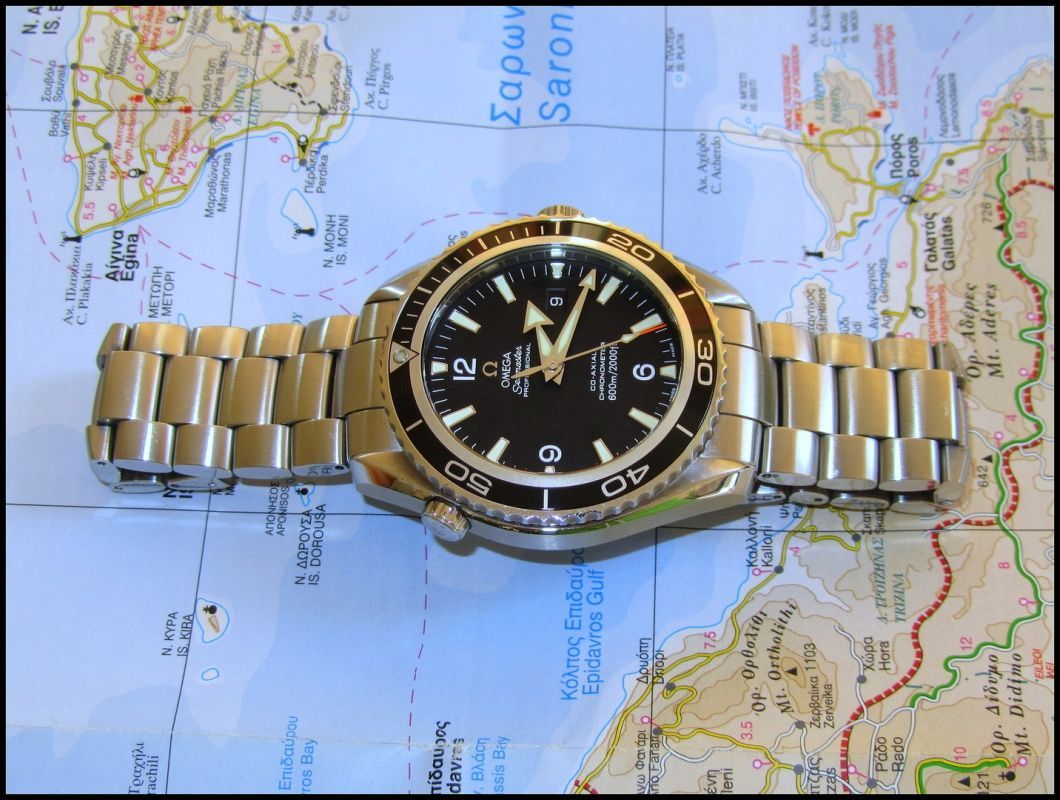
Omega Seamaster Railmaster 38 mm (2025)
Pre-owned: about $4,000 to $5,000 (checked 2026-11-04)
A quiet 38 mm steel watch on a bracelet with a 44.9 mm lug-to-lug, about $4,000 to $5,000 pre-owned. It is rated to 150 m with no rotating bezel, so it is fine for a swim but not a dive watch, and it is 12.4 mm thick.
Worth knowing:
Rated only to 150 m and has no rotating bezel, so it is not a dive watch
Read the Omega history
· Related guide
Where to look: Chrono24
Bob's Watches
Tudor Pelagos 39 (M25407N-0001)
Pre-owned: about $3,900 to $4,700 (checked 2026-11-04)
A 39 mm titanium watch rated to 200 m with a bracelet, about $3,900 to $4,700 pre-owned. It is light and tough, but at 11.8 mm thick and with a 47 mm lug-to-lug it will not slide under a tight cuff.
Worth knowing:
11.8 mm thick, so it will not slip under tight cuffs
Read the Tudor history
· Related guide
Where to look: Chrono24
Bob's Watches
$5,000 to $15,000
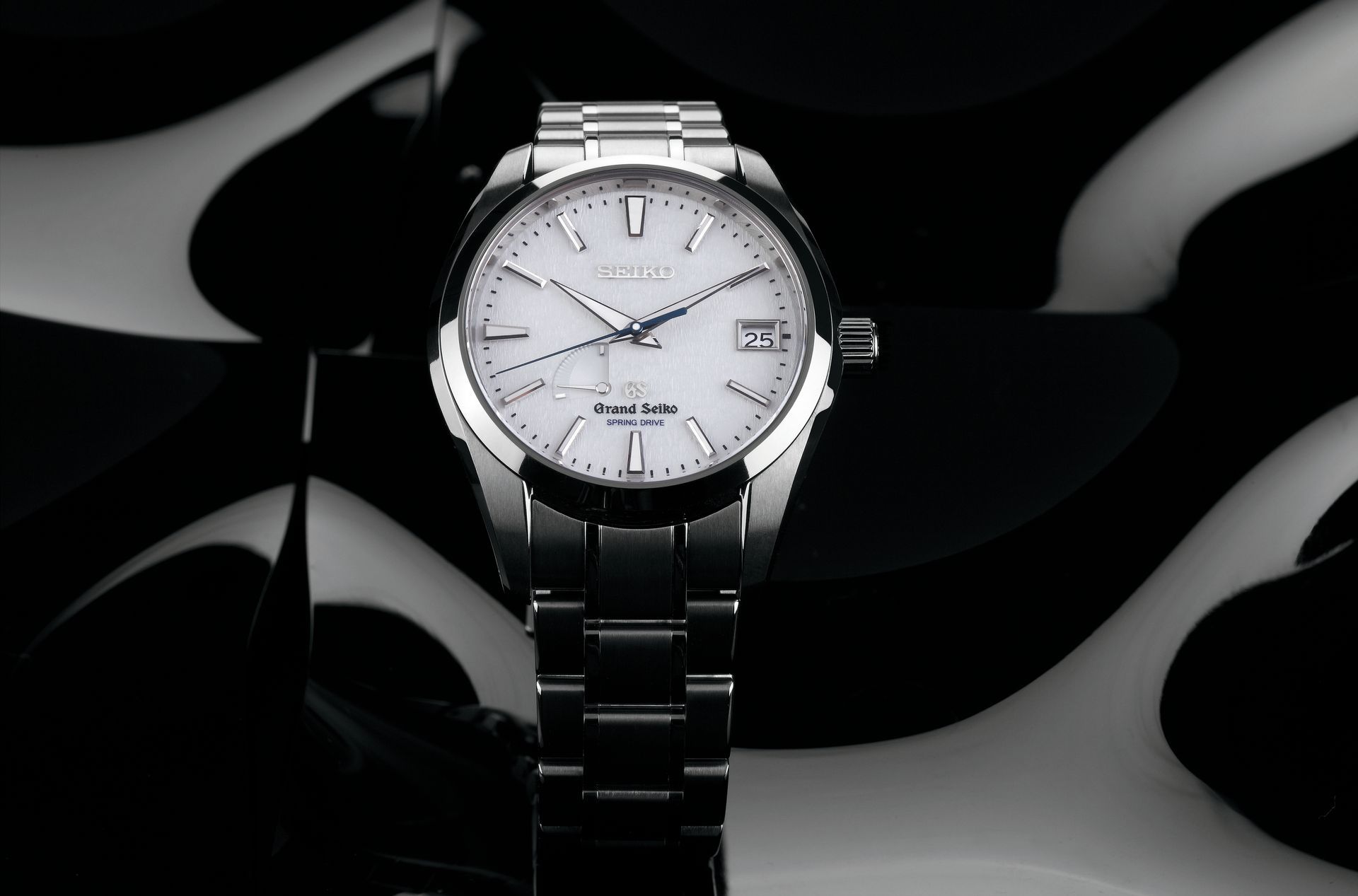
Grand Seiko Snowflake SBGA211
New: about $6,900 (checked 2026-11-04)
A light titanium 41 mm watch with a textured white dial and a bracelet, about $6,900 new. It dresses up easily, but it is rated to only 100 m, is not a dive watch, and the 49 mm lug-to-lug is long for smaller wrists.
Worth knowing:
Only 100 m water resistance and not a dive watch
Read the Grand Seiko history
· Related guide
Where to look: Amazon
Chrono24
Rolex Oyster Perpetual 36
New: about $6,750 to $7,050 (checked 2026-11-04)
A plain-dial 36 mm steel Rolex with an Oyster bracelet and 100 m rating, about $6,750 to $7,050 new. It is easy to wear daily, but waitlists at authorized dealers are common and 100 m is below the 200 m some guides advise for swimming.
Worth knowing:
Waitlists or limited availability at authorised dealers are common
Read the Rolex history
· Related guide
Where to look: Amazon
Chrono24
Picks at a glance
| Watch |
Price |
Size |
Movement |
Water resistance |
| Tissot PRX 40 mm Quartz (T137.410.11.041.00) |
$395 to $450 |
40 mm x 10.4 mm thick |
Quartz |
100 m |
| Orient Kamasu (RA-AA0001B) |
$350 to $375 |
41.8 mm x 12.8 mm thick |
Automatic |
200 m |
| Omega Seamaster Railmaster 38 mm (2025) |
$4,000 to $5,000 (pre-owned) |
38 mm x 12.4 mm thick |
Automatic |
150 m |
| Tudor Pelagos 39 (M25407N-0001) |
$3,900 to $4,700 (pre-owned) |
39 mm x 11.8 mm thick |
Automatic |
200 m |
| Grand Seiko Snowflake SBGA211 |
$6,900 |
41 mm x 12.5 mm thick |
Automatic |
100 m |
| Rolex Oyster Perpetual 36 |
$6,750 to $7,050 |
36 mm x 11.6 mm thick |
Automatic |
100 m |
Size and shape that suit most outfits
A single watch has to look right with a T-shirt and with a shirt and cuffs. Our research points to steel, a clean dial and a case of roughly 36 to 40 mm as the most versatile starting point. That is our editorial judgement (OPINION), not a tested rule. Check lug-to-lug length and thickness too. Sources disagree on what is thin enough for a cuff: some say under 10 mm, others tolerate 11 to 12 mm.
Water resistance you can trust
One watch will meet rain, sinks and pools. A 30 m rating means splashes only. One major outlet baselines a dive watch at 100 m with a screw-down crown, while some retailers advise 200 m if you swim or snorkel. Sources disagree, so we treat 200 m as the cautious choice. A watch rated 50 m or 100 m can still be fine for light use, but read the manual before swimming. (Evidence: CONFIRMED that a 30 m rating means splashes only; the swimming advice varies.)
Automatic, hand-wound or quartz
This is mostly taste. One retailer guide suggests automatics for people who wear a single watch, and quartz for people who want low fuss. We could only see that as a search summary, so treat it as REPORTED. A dealer notes quartz is cheaper to own and more accurate. Mechanical watches need servicing every several years, and with only one watch you will go without it for a while. That last point is our own reasoning (OPINION).
Bracelet or strap
Several guides say to buy the bracelet version if one is offered, because you can swap to a strap later. A steel bracelet handles water and daily wear. Leather reads more formal but suffers in water. One etiquette site says a bracelet suits smart casual and some business casual. If you remove links to fit your wrist, note that the change can be permanent. Clasp micro-adjustment is the safer first step. (Evidence: CONFIRMED on the bracelet advice, REPORTED on link removal.)
Is one watch really enough?
Enthusiast writers disagree. One major outlet calls the dive watch the best single watch to own. A watch columnist argued that collectors cannot live with one, though that is aimed at enthusiasts, not at most buyers. For a first or only watch the practical advice is to match it to the week you actually have, not the one you imagine. Avoid stretching your budget for resale, since most watches lose value. (Evidence: CONFIRMED that sources differ.)
When this advice does not fit
- You swim, snorkel or dive often. A dedicated dive watch rated to 200 m with a screw-down crown is a better single watch for you.
- Your dress code is strictly formal. A thin, simple dress watch is better than a sport-leaning one, even if you own only one.
- You already own several watches. A near-duplicate adds little, so choose something that fills a gap instead.
Get a personal recommendation
These picks suit most people in this situation. For a recommendation based on your own budget, wrist size, style and workplace, take our Watch Finder quiz.
Prices are approximate US figures checked in November 2026 and change often. Some retailer links may become affiliate links; see our affiliate disclosure. Picks are chosen before any retailer link is added.
Frequently Asked Questions
What should I look for in a single watch?
Look for a size that fits your wrist, a clean dial, a bracelet, and water resistance that matches how you live. Add low upkeep if you cannot go without the watch. Our research says to match the watch to your real week, and to try it on, since lug-to-lug length matters as much as diameter.
Is a dive watch a good one-watch choice?
Often, yes. One major outlet calls the dive watch the best single watch, thanks to toughness, water resistance and legible lume. The limits are thickness and a sporty look. Under a tight cuff or in a strict dress code, a thinner watch may suit better. Sources differ on how strict offices are.
Should my only watch be automatic or quartz?
It is mostly taste. Automatics have no battery but need servicing every several years. Quartz is more accurate and cheaper to own, and a solar quartz watch is even lower fuss. With only one watch, ask yourself whether you can be without it during a service.
How much should I spend on one watch?
Guides vary widely, from about $300 to $1,000 for a reliable daily watch up to $5,000 or more for luxury. A common rule is to spend an amount you can forget about once it is spent. Do not stretch for resale, since most watches lose value.
Can one watch cover work, weekends and travel?
Yes, if it is a middle-ground design: steel, 36 to 41 mm, clean dial, a bracelet and decent water resistance. It will not be perfect for black tie or for serious diving. If you travel across time zones often, a second time zone is useful, but it is not essential.