URWERK History: Satellite Hours, Two Founders and 150 Watches a Year

URWERK is a Geneva-registered independent watch brand founded in 1997 by watchmaker Felix Baumgartner and designer Martin Frei, and best known for its satellite wandering-hours displays. This history follows it from a CHF 20,000 start-up to a maker of roughly 150 watches a year, whose newest piece, the UR-300 Time Quantum, was announced on October 15, 2026. Every fact below comes from a source we fetched, and where sources disagree we say so.
URWERK at a glance
| Detail | Fact |
|---|---|
| Founded | 1997 (founders met in 1995; sources differ on whether the brand's start is 1997 or earlier, and one lists a third founder) |
| Founders | Felix Baumgartner (watchmaker) and Martin Frei (designer). Felix's brother Thomas Baumgartner is listed as a founder by WorldTempus and left in 2004 |
| Location | Registered office in Geneva; French Wikipedia says the company was founded in Zurich, and a 2010 interview describes workshops in both cities |
| Owner | Independent. We found no parent group in any source |
| Known for | Satellite wandering hours, retrograde minutes, mechanical monitoring of rate (EMC, AMC), a science-fiction look |
| Flagship lines | UR-100V, UR-150, UR-230, UR-300 and the UR-Freak collaboration with Ulysse Nardin |
| Output | Under 150 watches a year per the brand (June 1, 2021); 150 to 200 per a 2010 interview |
URWERK timeline
| Year | Milestone |
|---|---|
| 1995 | Felix Baumgartner, Thomas Baumgartner and Martin Frei meet. Felix qualifies as a watchmaker and settles in Geneva |
| 1997 | UR-101 and UR-102 shown at Basel with the AHCI; the brand dates its founding to this year |
| 1998 | Felix leaves Svend Andersen's workshop for the first URWERK atelier on rue de Cornavin, Geneva |
| 2003 | UR-103 launched in April after six years of development, with three-dimensional satellites |
| 2004 | Thomas Baumgartner leaves; work starts on Opus V with Harry Winston |
| 2005 | Opus 5 unveiled in March with Harry Winston Rare Timepieces |
| 2008 | UR-202 introduced in March, with a revolving satellite and air-regulated winding |
| 2009 | UR-CC1 King Cobra introduced in September |
| 2011 | UR-110 launched in January and wins the GPHG Best Design prize the same year |
| 2013 | EMC introduced in August, a mechanical watch that lets the owner check and adjust its rate |
| 2014 | EMC Black wins the GPHG Mechanical Exception and Innovation prizes |
| 2017 | UR-T8 and the AMC atomic-clock system introduced in January, the brand's 20th-anniversary year |
| 2019 | UR-100 SpaceTime introduced in September; the AMC wins the GPHG Audacity Prize, per French Wikipedia |
| 2021 | UR-112 Aggregat introduced in October; the UR-105 CT collection ends with the Tantalum Hull |
| 2023 | UR-230 Eagle introduced, limited to 35 pieces at CHF 180,000 |
| 2024 | UR-150 Scorpion introduced in October, 100 pieces |
| 2025 | UR-FREAK with Ulysse Nardin shown after Dubai Watch Week, reported December 22 |
| 2026 | UR-300 Time Quantum announced October 15; UR-FREAK nominated at the GPHG, ceremony set for November 7 |
Origins: a watchmaker, an artist and a bet
The brand's own story begins in December 1995, when Felix Baumgartner, his brother Thomas and Martin Frei met at a student party and talked about how to express time. The brand says the idea was born on January 1, 1996. WorldTempus gives a slightly different account, placing the meeting in Zurich in 1995, with Frei sketching the first watch and the Baumgartners spending about two years on the movement and complications.
The first watches were the UR-101 in gold and the UR-102 in steel, shown at Basel with the AHCI (the Academy of Independent Watchmakers). Sources differ on the month: a sponsored aBlogtoWatch piece says April 1997 at the AHCI booth, while the brand timeline lists both Baselworld and October for the same year. A Quill & Pad reprint says the three started with CHF 20,000, roughly $16,000 at the time. Quill & Pad also reports that sales in 1998 came to two gold UR-101s and eight steel UR-102s.
Felix Baumgartner later said, in a quote on the brand's story page, "We were not businessmen. It was extremely risky because we had no idea how our watches would be accepted." The name is explained by the brand as a reference to the ancient city of Ur and the German words for primeval and mechanism; a commenter in a 2010 WatchProSite thread disputed the Ur sundial claim.

The founders and their roles
Felix Baumgartner was born in 1975 in Schaffhausen into a watchmaking family. The AHCI says he enrolled at the watchmaking school in Solothurn in 1992, while WorldTempus says 1991; he earned his diploma in 1995 and moved to Geneva as an independent. The AHCI lists him as a member since 1999, while a 2010 WatchProSite interview says he was inducted in 1998, and one WorldTempus article names a Schaffhausen school instead of Solothurn. We have not resolved these differences.
Martin Frei was born in 1966 in Winterthur. WorldTempus lists a graphic design diploma in Zurich in 1987, the brand says 1989, and both agree he went on to study at the Lucerne art school under Roman Signer. WorldTempus adds that he co-founded the artist group U.S.A. in 1994.
Their division of labour is described the same way in several places. Baumgartner is the master watchmaker, Frei the chief designer, and Baumgartner told WatchProSite in 2010 that ideas go back and forth between them like a ping pong ball. Thomas Baumgartner , Felix's brother, appears in the WorldTempus and brand accounts as part of the original group and left in 2004; other sources, including Monochrome and Phillips, name only Baumgartner and Frei as founders.
Satellite hours: the signature idea
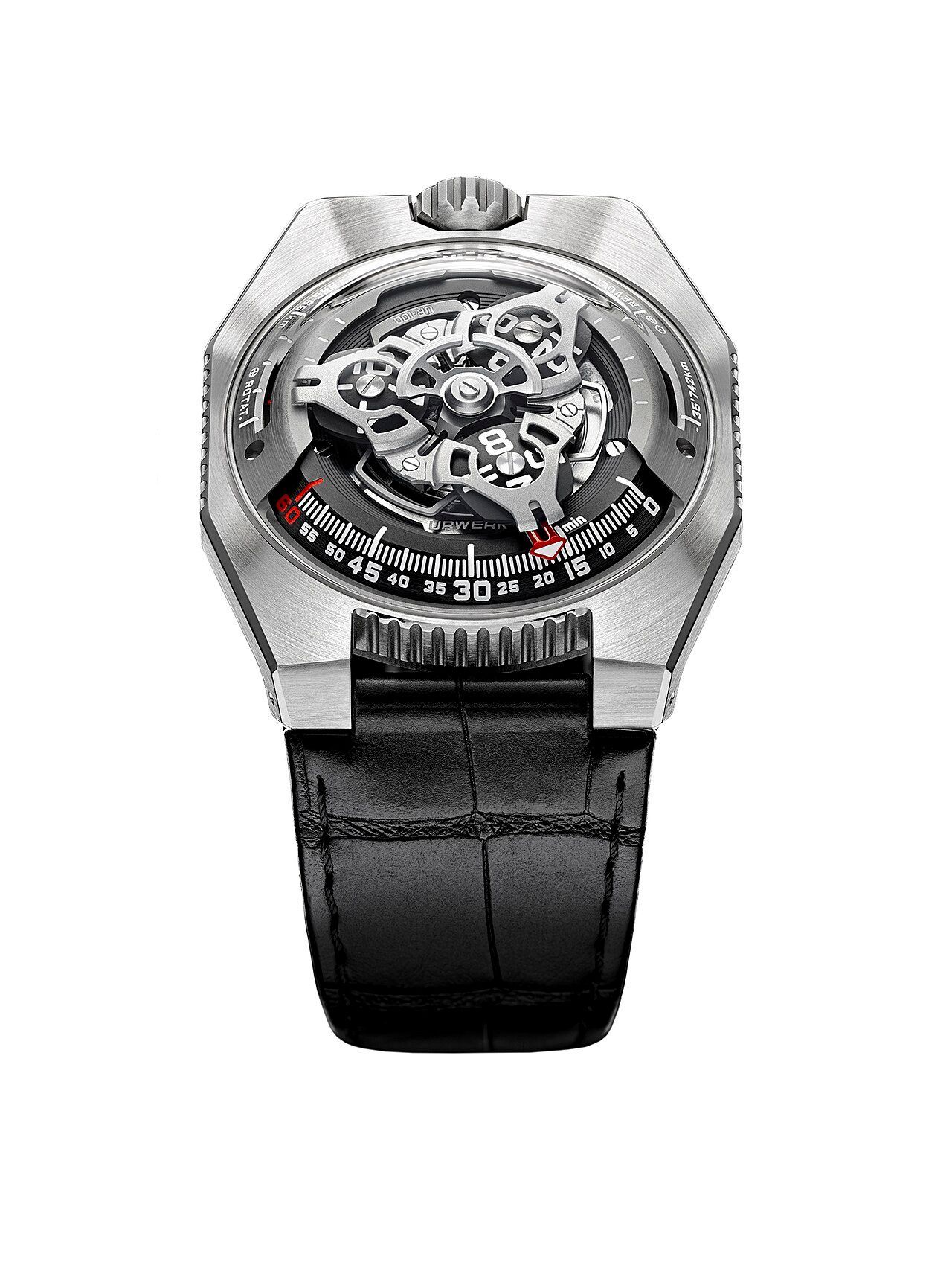
URWERK's calling card is the satellite wandering-hours display. Instead of a fixed hour ring, hours sit on satellites carried round a rotating carriage, and the satellite currently pointing at a minute scale shows the hour. Revolution notes that wandering hours date back to the mid-17th century, and WorldTempus says the founders drew on the Campanus night clock, which the brand says Felix's father restored.
The original UR-101 and UR-102 were the first URWERK watches with wandering hours. The UR-103 followed in 2003, which the brand dates to April, and Phillips' catalogue describes it as a make-or-break piece for a company close to bankruptcy. According to aBlogtoWatch, Felix's satellite mechanism is built on a Maltese cross stop-work.
The display has kept evolving. The 2024 UR-150 Scorpion swaps the Maltese cross for a cam-and-rack system, per Time+Tide, and the 2026 UR-300 abandons the orbiting carousel for a jumping T-shaped frame carrying four three-sided prisms that moves 72 degrees at each hour, according to Monochrome and Revolution. Several modern models, including the UR-100V and UR-300, sit on a Vaucher base calibre with URWERK's own display module, as SJX and Monochrome describe.

The UR-103 and the Opus V years, 2003 to 2005
The UR-103 debuted at Basel in 2003 with three-dimensional satellites and replaced the UR-101 and 102, per Quill & Pad. According to WorldTempus, it attracted Harry Winston Rare Timepieces. In 2010 Baumgartner said more than a quarter of UR-103 buyers were women, a figure we could not confirm elsewhere.
Harry Winston's Opus series paired the house with independent watchmakers. Quill & Pad reports that Maximilian Büsser chose URWERK for Opus V in mid-2003, that URWERK offered three proposals, and that the one with cubic satellites was selected. WorldTempus says work began in 2004 and the watch was launched at BaselWorld 2005. The brand's timeline places the Opus 5 unveiling in March 2005. Quill & Pad says 100 Opus V watches were made; we found no second source for that figure.
The UR-103 line ran for seven years. The brand marked its final year with the UR-103 Final Edition in March 2010 and says production ceased at the end of 2010. A Phillips lot for UR-103 number 12 of a 25-piece edition is described in more detail in the collecting section below.
Experiments and prizes, 2008 to 2019
The brand's story page lists the UR-202 in March 2008, with a patented revolving satellite complication and air-regulated winding, and the UR-CC1 King Cobra in September 2009. The 2010 interview says a Cobra took about a month to make and that the design took roughly three years to develop. In 2011 the UR-110 arrived in January, and the brand says it won the Best Design prize at the Grand Prix d'Horlogerie de Genève that year. The UR-1001 Zeit Device, a pocket watch, followed in August 2011.
The EMC (Electro Mechanical Control), introduced in August 2013, let owners monitor the watch's rate and adjust it with a screw on the back. Europa Star reports it won the Mechanical Exception and Innovation prizes at the GPHG in November 2014, and quotes Baumgartner calling URWERK an independent maison horlogère. The AMC followed in January 2017 as a wristwatch paired with a base unit containing a rubidium atomic clock, per aBlogtoWatch and the brand's timeline, and French Wikipedia credits it with the 2019 Audacity Prize.
The same period brought the UR-105 line (2014 UR-105M, 2016 UR-105 CT), the first watch aimed at women (UR-106 Lotus, September 2015) and the UR-T8 transformable watch (January 2017). The UR-100 SpaceTime, introduced in September 2019, became the entry point.
Pruning the range: UR-105, UR-210 and UR-220
Output limits shape the line-up. In a June 1, 2021 release carried by Geneva Seal, Baumgartner said the company chose to "remain independent at all costs" and that, in order to bring a new creation to life, it has to retire a collection. The UR-105 CT ended with the Tantalum Hull in 2021.
aBlogtoWatch's UR-230 article adds that the UR-210 was retired in 2020 and the UR-220 in 2022. The UR-220, introduced in September 2020 according to the brand timeline, was manually wound with a control board on the back, and the UR-112 Aggregat (October 2021) used fully digital time displays. The brand lists a UR-120 for September 2022.
The UR-230 Eagle, published by aBlogtoWatch on November 20, 2023, is limited to 35 pieces at CHF 180,000 (about $203,000 at the time), in black DLC titanium and carbon with a cover that lifts 90 degrees. Its UR-7.30 calibre has a hybrid automatic and manual winding system, and turbine-based shock absorbers.
The UR-150 Scorpion, reported by Time+Tide on October 17, 2024, is a 100-piece series (50 in each finish) at CHF 88,000 and CHF 89,000, and Urwerk says it follows its habit of naming models after dangerous animals.
Collaborations and pop culture
URWERK's best-known collaboration before 2025 is the Harry Winston Opus V. In December 2025, SJX reported the UR-FREAK, a 100-piece collaboration with Ulysse Nardin priced at CHF 100,000 excluding taxes. It combines the Freak's flying tourbillon with URWERK's satellite hours: the tourbillon carriage slows from one turn an hour to one turn every three hours, and the hour discs sit in the carriage itself.
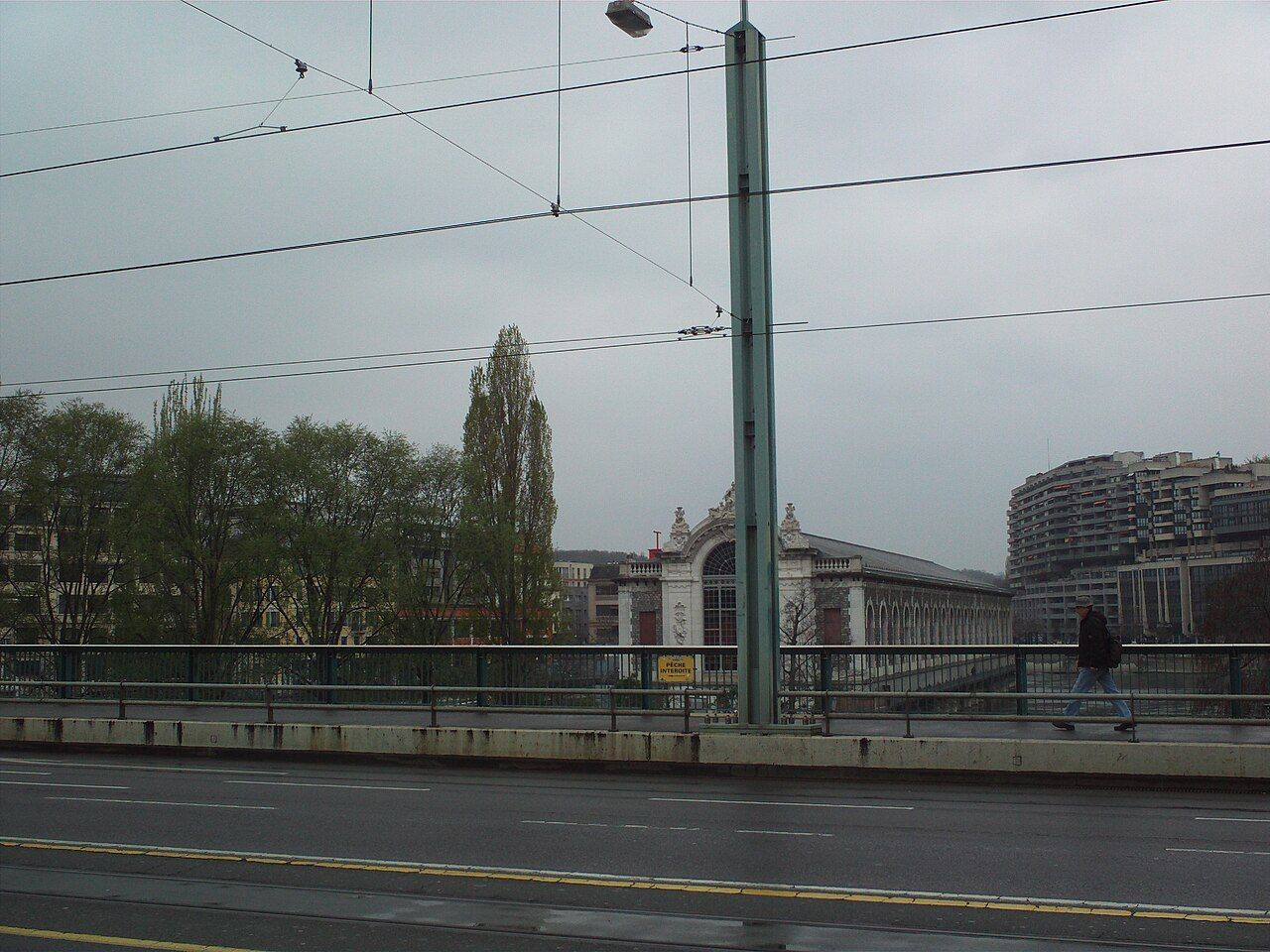
SJX stresses that the movement and back are entirely Ulysse Nardin and that URWERK's input is limited to case textures and colours, with sales through retail partners common to both brands. The watch is one of six nominees in the Complication category at the 2026 GPHG, as reported by The Hour Glass; the winners are due on November 7, 2026 at the Bâtiment des Forces Motrices in Geneva. We could not open the official GPHG list. See our GPHG 2026 explainer and Freak X second generation coverage.
On screen, WorldTempus notes that a UR-110 RG appeared on actor Robert Downey Jr.'s wrist in Spider-Man: Homecoming in 2017. We found no motorsport, Oracle or other team partnerships in the sources we fetched, so we do not claim any. For other watches in film, see famous people and their watches.
Today: independence, output and the UR-300
We found no sign of an outside owner. aBlogtoWatch calls URWERK an independent brand, and Baumgartner has repeatedly tied the company's small output to that status. A 2010 WatchProSite interview described 12 staff across Zurich and Geneva, 8 of them watchmakers, with 150 to 200 watches a year; that figure is 16 years old. Phillips' 2020 catalogue says about 150 a year and the June 2021 release says fewer than 150. We could not fetch the 2014 Bloomberg interview that is sometimes quoted on price strategy.
The newest watch is the UR-300 Time Quantum, announced October 15, 2026 according to Revolution. It is limited to 50 pieces (25 in titanium, 25 with an AlTiN finish) at CHF 168,000 excluding taxes, which is about $203,800 at 1 CHF = 1.2131 USD (Frankfurter, October 23, 2026). We found no official US price, and HiConsumption's roughly $202,500 and a Dupont Registry headline of $226,000 do not match. Power reserve is 44 hours in most sources, 40 in Monochrome's text.
For the wider market, see watch price increases in 2026 and Swiss exports and the US tariff.
URWERK collections and indicative prices
| Collection | Years | What it is | Price (US) |
|---|---|---|---|
| UR-100 / UR-100V | 2019 to date | Entry-level satellite-hours watch; V models use a Vaucher base. LightSpeed ceramic launched February 9, 2026 | CHF 67,000 new (SJX, Feb 9, 2026), about $81,300 at 1.2131. A circa-2024 LightSpeed sold for $60,960 at Phillips (NY sale of Dec 6 to 7, 2025) |
| UR-103 | 2003 to 2010 | The first great URWERK; 25-piece editions among others | No. 12 of 25 sold for CHF 47,880 at Phillips (lot page undated; search title said Nov 2020), about $52,000 at the ~1.09 rate implied by Phillips' own estimate |
| UR-150 Scorpion | 2024 to date | Satellite hours with retrograde minutes, cam-and-rack mechanism | CHF 88,000 / $103,000 Titan; CHF 89,000 / $105,000 Dark (Time+Tide, Oct 17, 2024) |
| UR-230 Eagle | 2023 to date | Black DLC titanium and carbon, 35 pieces, hybrid winding | CHF 180,000, about $203,000 (aBlogtoWatch, Nov 20, 2023) |
| UR-300 Time Quantum | 2026 | Jumping T-frame, 50 pieces in two finishes | CHF 168,000 excl. taxes, about $203,800 at 1.2131 (Oct 23, 2026); no official US price found |
| UR-FREAK (with Ulysse Nardin) | 2025 | 100-piece collaboration, titanium, 90-hour power reserve | CHF 100,000 excl. taxes (SJX, Dec 22, 2025), about $121,300 at 1.2131 |
| EMC / AMC | 2013 / 2017 | Rate-monitoring EMC; AMC atomic-clock base system | Not verified: no dated price found |
Collecting URWERK: new, pre-owned and authenticity
Buying new. Most releases are limited editions sold through URWERK retailers; SJX says the UR-100V LightSpeed ceramic is sold through URWERK's retailers, and the UR-300 page offers only an enquiry link according to our earlier coverage. We found no published waitlist policy, so ask an authorized dealer directly. Recent prices run from CHF 67,000 for the UR-100V to CHF 168,000 to 180,000 for the flagship editions.
Pre-owned evidence. Our dated auction data points are two. A Phillips lot for a circa-2024 UR-100V LightSpeed, estimated at $20,000 to $40,000, sold for $60,960 at The New York Watch Auction XIII, which ran December 6 to 7, 2025 according to Watch-i-Love; the lot page itself gives no date. A UR-103 number 12 of 25 estimated at CHF 15,000 to 25,000 sold for CHF 47,880. Two lots do not make a market,. Dealer asking prices we found in a search could not be fetched, so we do not quote them.
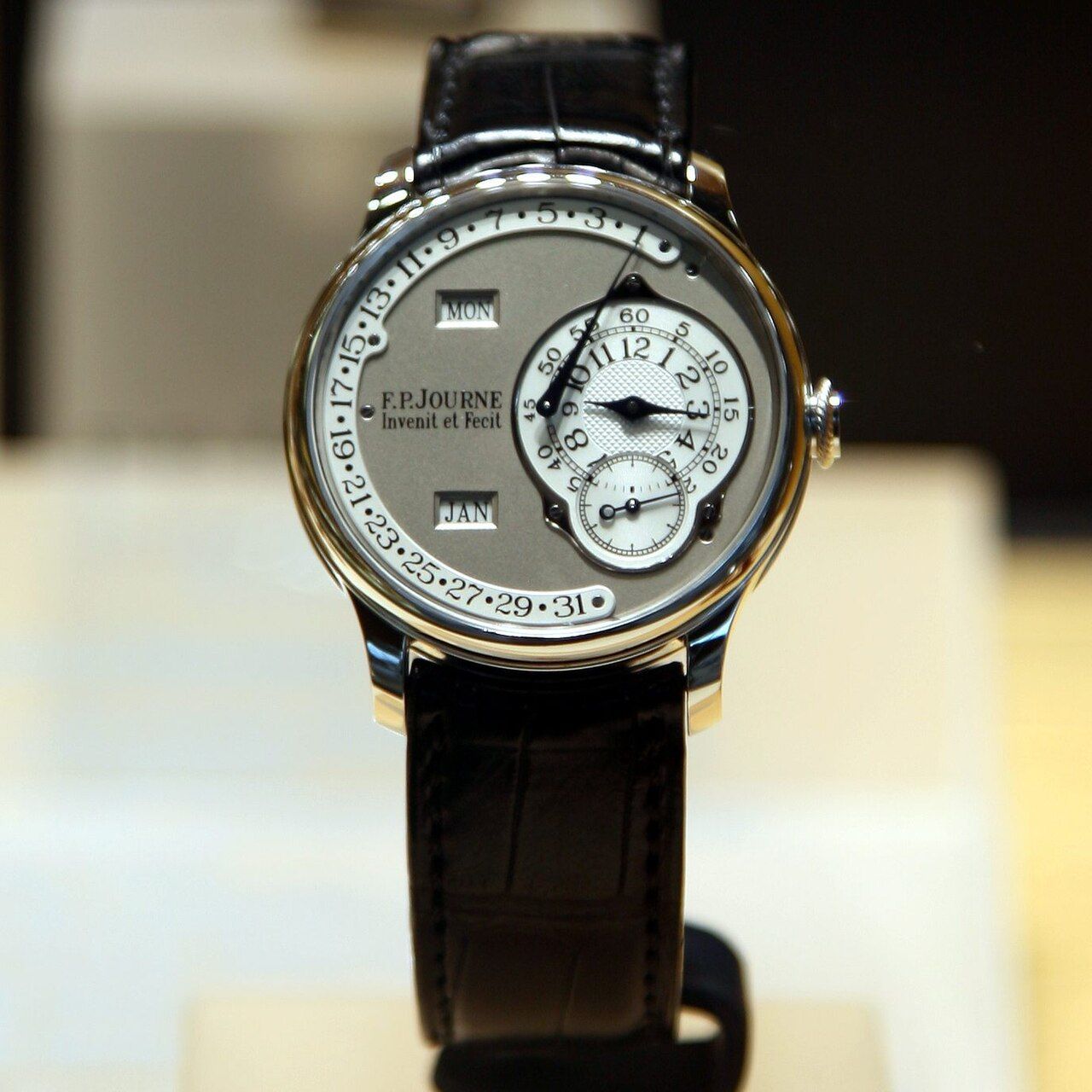
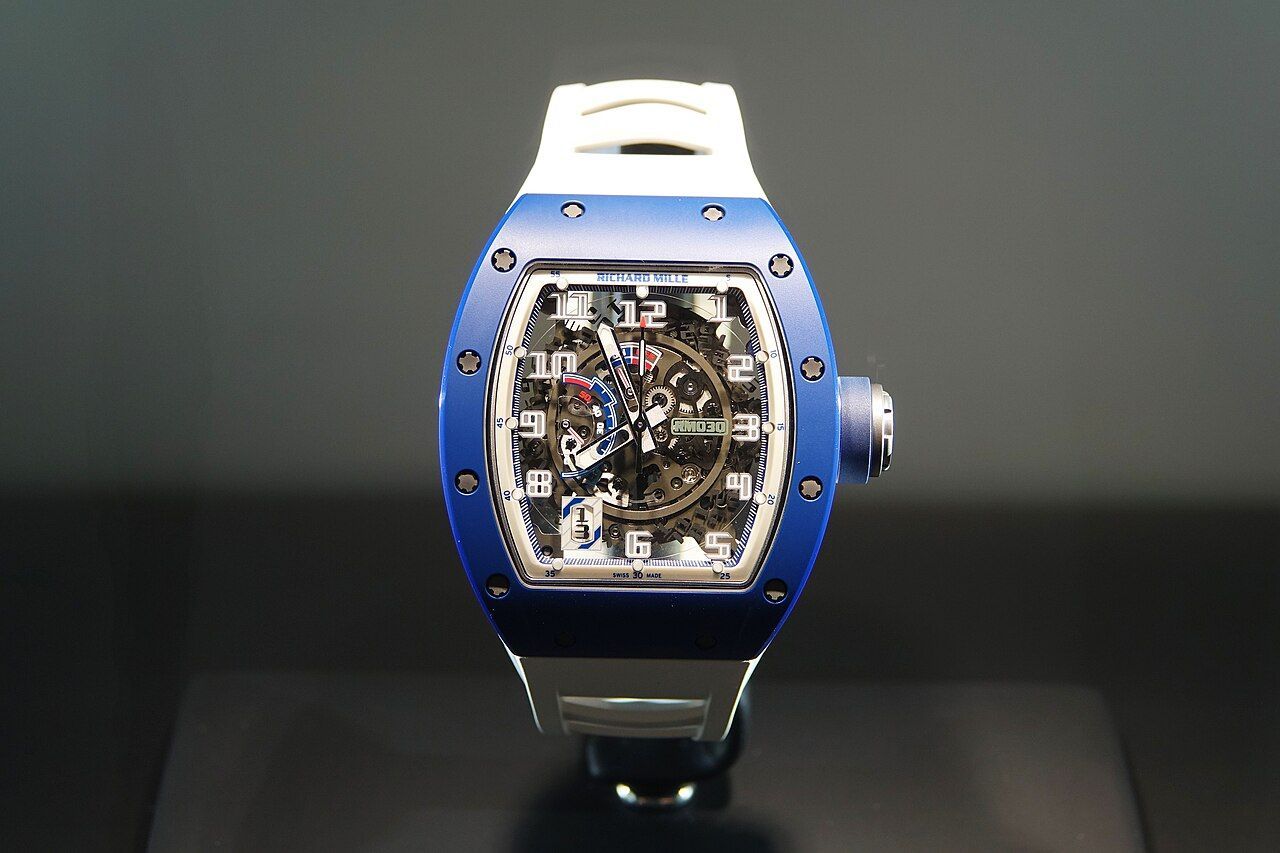
Authenticity and service. In the 2010 interview Baumgartner said two people handled service, with a normal turnaround of about a month, and that about 50 pieces were serviced the year before. That is 16 years old, so confirm current service terms and ask for the box, papers and service history. For general buying context, see F.P. Journe and Richard Mille as other independent and high-end names.
Myths and mix-ups, corrected
- URWERK was founded by two people. Mostly, but WorldTempus lists three founders: Felix and Thomas Baumgartner and Martin Frei, with Thomas leaving in 2004. Other sources name only Felix and Martin.
- URWERK is a Zurich brand, or a Geneva-only brand. French Wikipedia says it was founded in Zurich with its registered office in Geneva, and a 2010 interview describes workshops in both cities.
- URWERK makes its own movements throughout. SJX and Monochrome describe the UR-100V and UR-300 as built on a Vaucher base with an in-house display module, although the UR-150 is described as an in-house automatic (Time+Tide).
- The UR-300 costs $226,000. Monochrome, Revolution and Fratello give CHF 168,000 excl. taxes. A Dupont Registry headline cites $226,000; at 1.2131 (Oct 23, 2026) CHF 168,000 is about $203,800.
- The UR-FREAK is a URWERK watch. SJX says its movement and back are all Ulysse Nardin, and URWERK's input is limited to case textures and colours.
- URWERK has won the GPHG's top prize. We found Best Design (2011), Mechanical Exception and Innovation (2014) and Audacity (2019, French Wikipedia). We found no Aiguille d'Or, and the 2026 UR-FREAK is only nominated.
Sources. Retrieved October 25, 2026: URWERK story page (urwerk.com/story), WorldTempus (history and Martin Frei and Felix Baumgartner pieces), aBlogtoWatch (25 years of URWERK; UR-230 Eagle), AHCI (Felix Baumgartner), Quill & Pad (Opus V reprint), WatchProSite (2010 interview), French Wikipedia (URWERK), Europa Star (GPHG 2014), Geneva Seal (UR-105 Tantalum Hull), Time+Tide (UR-150), SJX (UR-FREAK; UR-100V ceramic), Monochrome and Revolution (UR-300), The Hour Glass (GPHG 2026), Phillips (lots), Frankfurter (exchange rate). Prices are indicative and change; conversions use CHF 1 = USD 1.2131 (Frankfurter, October 23, 2026) unless another source's rate is stated. We could not fetch Bloomberg, Hodinkee or the official GPHG list, and we found no English Wikipedia article on the company.
Frequently Asked Questions
Who founded URWERK?
URWERK was founded in 1997 by watchmaker Felix Baumgartner and designer Martin Frei. WorldTempus also lists Felix's brother Thomas Baumgartner as a founder; he left in 2004.
When was URWERK founded?
The brand dates its founding to 1997, when the UR-101 and UR-102 were shown at Basel with the AHCI. The founders first met in 1995.
Where is URWERK based?
The registered office is in Geneva, per French Wikipedia. A 2010 interview describes workshops in Zurich and Geneva, and French Wikipedia says the firm was founded in Zurich.
Who owns URWERK?
We found no parent group; sources describe it as independent. Baumgartner has linked its small output to staying independent.
What is a satellite wandering-hours display?
Hours sit on satellites carried round a rotating carriage, and the satellite pointing at the minute scale shows the hour. Revolution notes wandering hours date to the mid-17th century.
How many watches does URWERK make a year?
Fewer than 150, per the June 1, 2021 release carried by Geneva Seal. A 2010 interview said 150 to 200.
How much does a new URWERK cost?
Recent releases we sourced range from CHF 67,000 (UR-100V LightSpeed ceramic, February 2026) to CHF 180,000 (UR-230 Eagle, 2023). The UR-300 is CHF 168,000, about $203,800 at 1.2131 (Oct 23, 2026).
What is the URWERK UR-300 Time Quantum?
A 50-piece watch announced October 15, 2026, with a jumping T-shaped frame carrying four three-sided hour prisms, at CHF 168,000 excl. taxes.
Is the UR-FREAK a URWERK or a Ulysse Nardin?
Both: a 100-piece collaboration at CHF 100,000, though SJX says the movement is entirely Ulysse Nardin. It is nominated in the Complication category at the 2026 GPHG.
Has URWERK won a GPHG prize?
Yes: Best Design in 2011 for the UR-110, and Mechanical Exception and Innovation in 2014 for the EMC. French Wikipedia adds the 2019 Audacity Prize for the AMC.
Related Reading