
Seiko Monster: Four Generations of an Aggressive Sport Diver

Zach Charles • August 18, 2026

Share this article

Seiko Monster: Teeth, Texture, and Tool-Watch Character

The Seiko Monster was not called the Monster by Seiko. It was called the Monster by the people who wore it — enthusiasts who looked at the dial's large, heavily textured indices and saw something that evoked the sharp teeth of a creature from Japanese manga. Seiko's own design team has reflected on the nickname with apparent affection: "In the first place, 'Monster' is a nickname used among fans of these watches, so even we don't have a clear definition." The watches kept being made. The name kept sticking. Four generations later, the Monster is among the most consistently recognisable references in the Seiko Prospex range, carrying the same aggressive visual character it established in 2000.


Seiko SKX781 Orange Monster diver watch
The Seiko SKX781 ‘Orange Monster’ — the second-generation Monster diver whose orange dial and bezel gave the entire line its collector nickname.
Photo: Olgierd Rudak — CC BY-SA 4.0 — Wikimedia Commons
Introduction — 2000

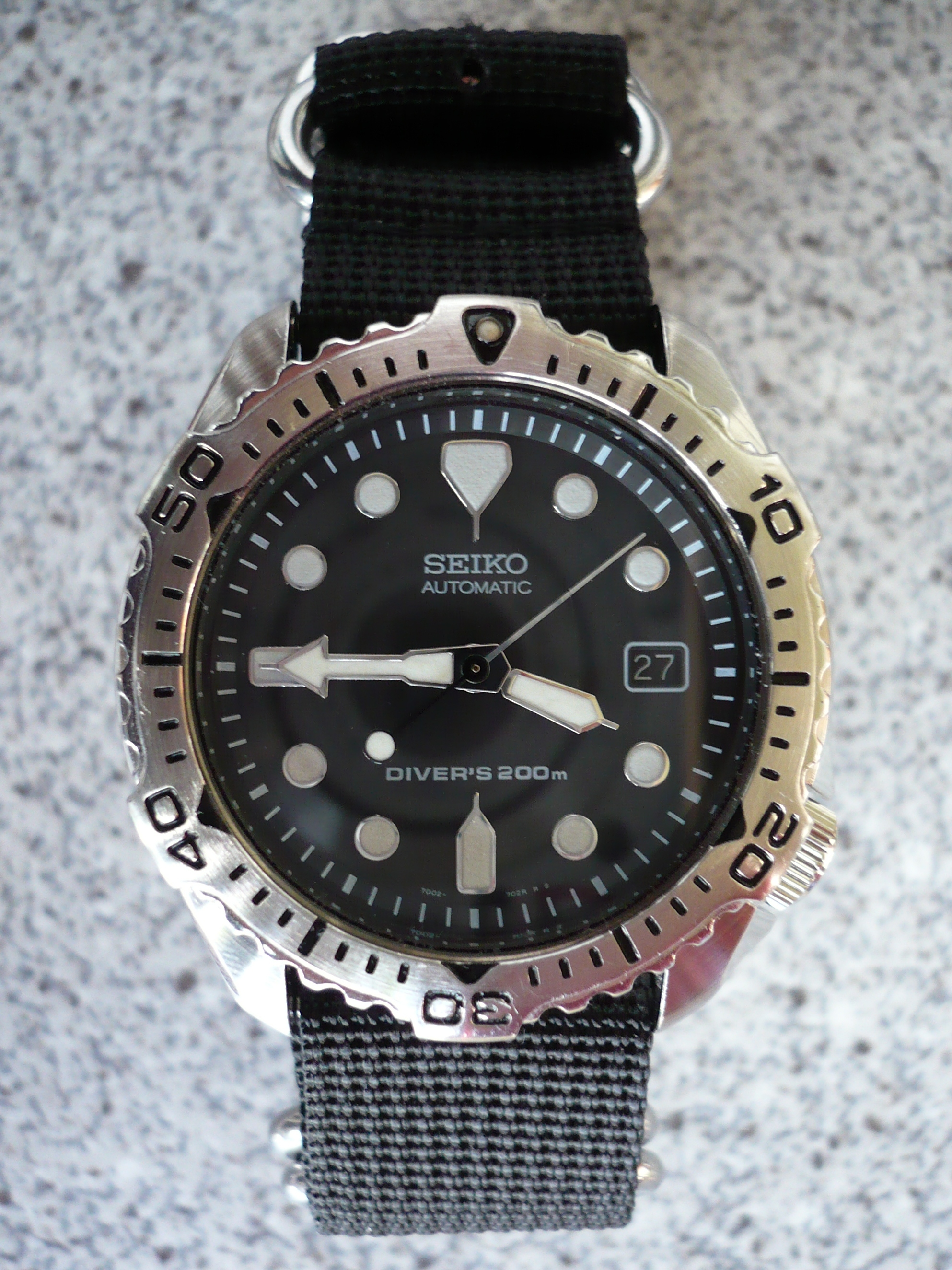
Seiko 7002-7020 diver's 200m on a 4-ring NATO strap
A Seiko 7002-7020 diver’s 200m on a 4-ring NATO strap — the pre-SKX design that established Seiko’s reputation for affordable, capable tool watches.
Photo: Francis Flinch — Public Domain — Wikimedia Commons

The SKX779 (black dial) and SKX781 (orange dial) were introduced in 2000 , initially in the Japan Domestic Market. The international variants — designated SKXA37 (black) and SKXA45 (orange) — followed, making the Monster available to export markets from approximately 2002.

The movement powering the first generation was the Calibre 7S26 : 21 jewels, 21,600 vph, 41-hour power reserve, 200m water resistance (ISO 6425 certified), no hacking, no manual winding. The same movement used in the SKX007 and SKX009 — proven, reliable, and carrying the same limitations. The Monster was positioned alongside rather than above the SKX, a companion dive watch with a more aggressive aesthetic.

The case was 42.3mm — slightly smaller than the contemporary SKX's 42.5mm, a difference imperceptible in practice. The crown was protected at the 4 o'clock position, consistent with Seiko's dive watch convention. The bezel was unidirectional aluminium, standard for the category.


The Name — Why "Monster"

The source of the Monster nickname is the dial indices : large, elongated, heavily textured minute markers that dominate the dial surface. Multiple descriptions in the enthusiast community converge on the same image — the teeth of a lamprey, the gaping maw of a deep-sea creature, the visual vocabulary of Japanese monster art (kaiju). Seiko's own design blog (Vol. 25, "Why were these watches called 'Monster'?") frames the design's appeal as "charming in its abnormality" — using the broader Japanese concept of monster as something unconventional and compelling rather than simply frightening.

The Monster name is not tied to the bezel, the crown protector, or the overall case presence, though these elements reinforce the character. It is specifically the dial that earns the name — the teeth that stare back when you look at the watch.


First Generation — Calibre 7S26 (2000–2012)

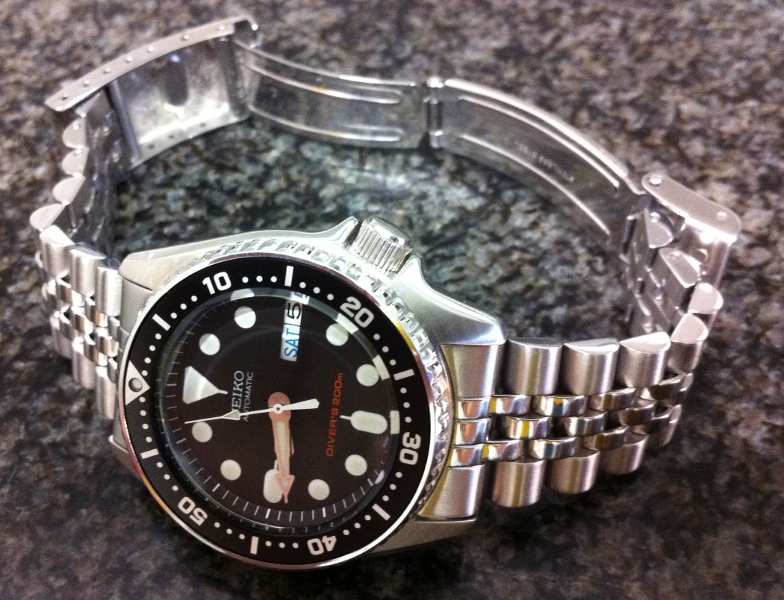
Seiko 6309 calibre — movement of the original Turtle diver
The Seiko 6309 calibre — the automatic movement that powered the original 6309-7040 ‘Turtle’ diver from 1976 and many classic Seiko sport references.
Photo: Les Zetlein — Public Domain — Wikimedia Commons
The first-generation Monster ran from 2000 to approximately 2012, when the second generation replaced it. During this period, Seiko produced a significant number of variants and limited editions alongside the core black and orange references:

Core references: SKX779 (black/black), SKX781 (orange/orange), SKXA45 (orange, international), SKXA37 (black, international)

Sub-families using the 7S36 calibre (23 jewels, otherwise similar to 7S26):

Night Monsters (luminous-focused, JDM): SZEN001, SZEN002, SZEN006, SZEN007

Land Monsters (rotating directional bezel at the 2 o'clock position): SNM035, SNM037

Baby Monsters (100m WR rather than 200m, no screw-down crown): SNZF45, SNZF47, SNZF49, SNZF51, SNZF53

Limited editions:
- SKZ203 — Yellow, 300 pieces
- SKZ213 — Blue, 1,800 pieces
- SKZ243 — Red, 1,313 pieces
- SKZ277 — Green, 1,818 pieces
- SKZ331 — "Snow Monster" (white/silver), 2,555 pieces

The limited editions established a pattern that would continue through subsequent generations: the Monster's bold dial character translated well to unusual colour combinations, and limited releases generated collector interest beyond the standard production references.


Second Generation — 4R36 (2012)

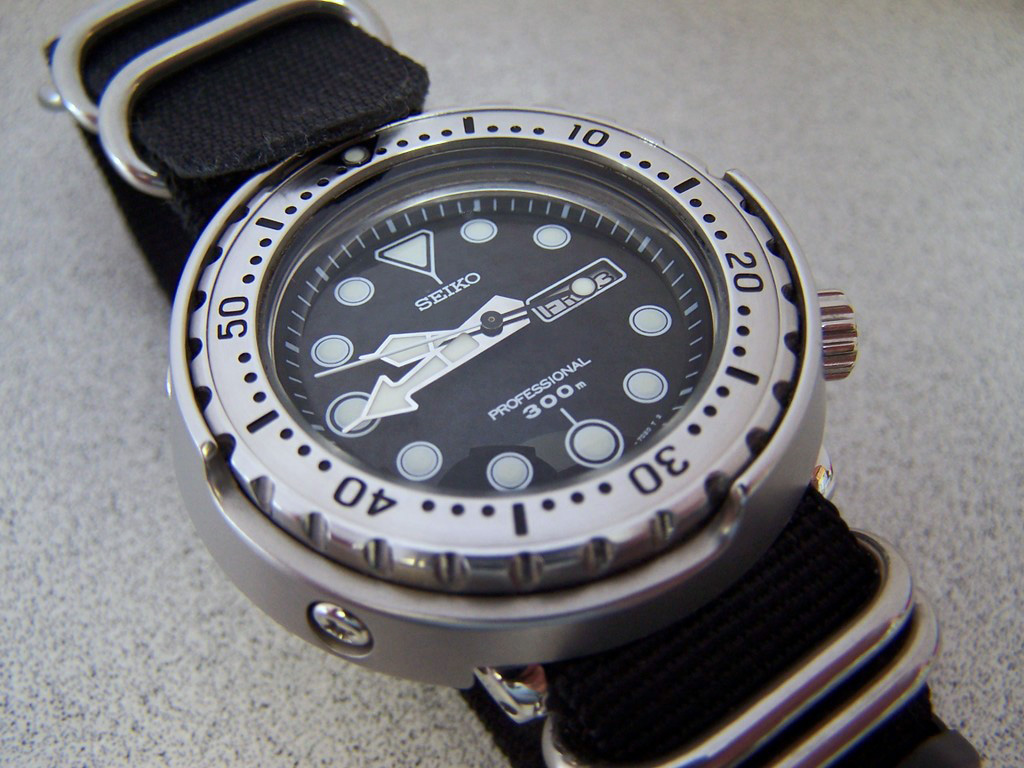
Seiko SKX013 diver's watch, 200m water resistance
The Seiko SKX013 — the 38mm sibling of the SKX007, sharing the 200m water resistance rating, unidirectional bezel, and Calibre 7S26 movement.
Photo: inside_loop — CC BY-SA 3.0 — Wikimedia Commons
In 2012 , Seiko launched the second-generation Monster with the upgraded Calibre 4R36 — adding hacking and manual winding that the 7S26 had always lacked. SJX Watches documented the transition, noting the new generation offered approximately 50% higher price positioning to reflect the improved movement.

Key Second-Generation References

Reference Dial
SRP307 Black
SRP309 Orange
SRP311 Orange starburst, black chapter ring, black bezel
SRP313 Black with red indices
SRP315 Orange with black chapter ring and bezel
SRP581 "Sea Monster" — blue dial
SRP583 Black, ion-plated case

The second generation also produced a substantial run of limited editions:
- SRP319 "Zamba" (2,112 pieces)
- SRP455 "Super Blue"
- SRP457 "Moon Monster" (1,313 pieces)
- SRP459 "Sun Monster" (2,323 pieces)
- SRP657 "Royal Blue" (1,000 pieces)

The case diameter remained 42.3mm; the Hardlex crystal and 200m ISO 6425 certification were retained. The visual character of the dial — the defining teeth — was preserved across the generation transition.


Third Generation — 6R15, Sapphire Crystal (JDM, c. 2015)

A third-generation Monster, sold primarily through the Japan Domestic Market, upgraded both movement and crystal:

  • References : SBDC023 (orange), SBDC025 (black)
  • Movement : Calibre 6R15 — 23 jewels, 50-hour power reserve, hacking and hand-winding
  • Crystal : Sapphire (replacing Hardlex of the first two generations)
  • Case : 43mm

The 6R15 represented a meaningful step up from the 4R36: the 50-hour power reserve versus the 4R36's 41 hours, the same hacking and manual wind capability, and the Seiko-proprietary SPRON alloy mainspring. The sapphire crystal was the other significant upgrade — sapphire's scratch resistance versus Hardlex's affordability. The SBDC023/025 are regarded by collectors as the finest Monsters produced.


Fourth Generation — 4R36 Redux (2019)

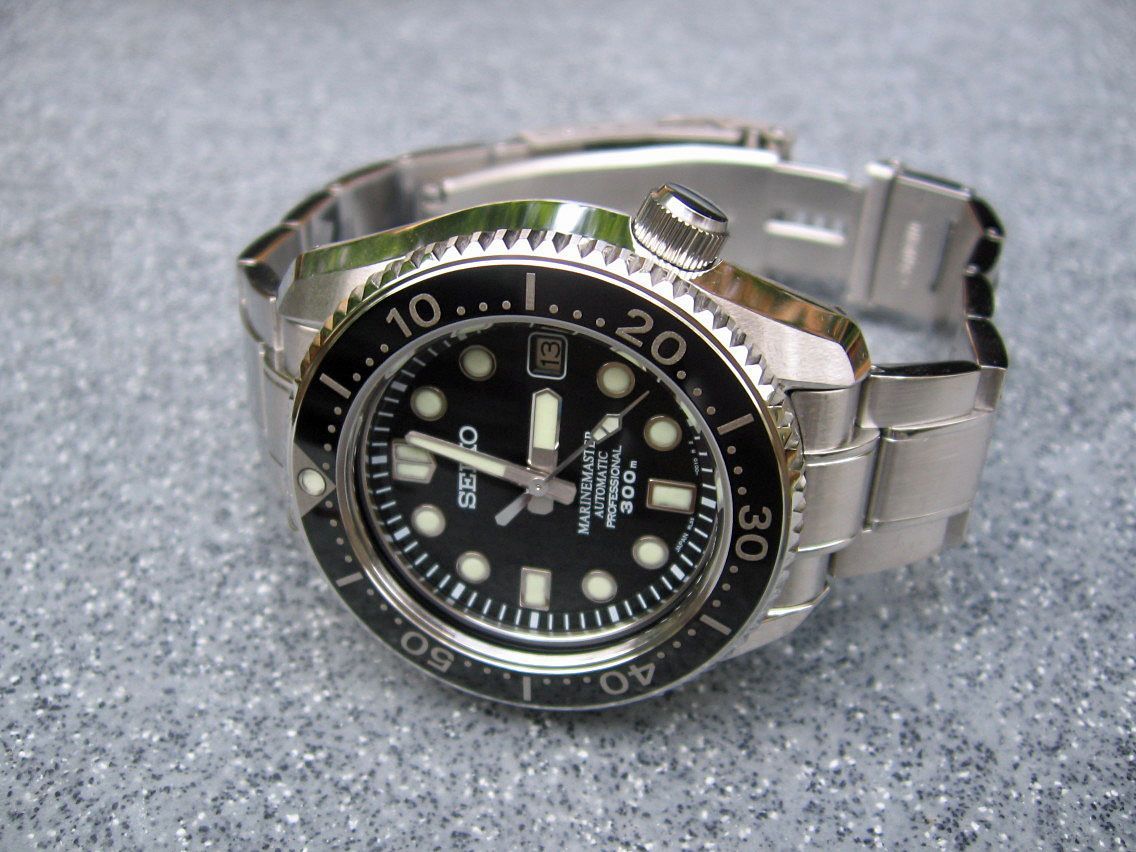
Seiko SBBN007 diver's 300m on 4-ring NATO strap
The Seiko SBBN007 300m diver on a NATO strap — professional-specification Prospex with the in-house Calibre 8L35 automatic.
Photo: Francis Flinch — Public Domain — Wikimedia Commons
The 2019 generation — designated SRPD25 (blue), SRPD27 (black), with related variants including SRPE27K1 (PADI edition) — returned to the 4R36 movement, stepping back from the third generation's 6R15. The rationale was market positioning: the fourth generation sat within the broader Prospex price tier rather than the higher SBDC bracket.

The dial design was refined from earlier generations — the indices remained bold but the overall texture was more restrained than the first generation's most aggressive expressions. The case was redesigned with a slightly slimmer profile.

SRPD29 — "King of the Monsters" (2019, USA exclusive): An all-black PVD treatment — case, bracelet, and bezel fully blacked out — released exclusively through Seiko's US online store. Retail price: USD 550. Informally designated "King Monster" by retailers.


The Monster Today

Seiko SBDX001 Marinemaster 300m professional diver
The Seiko SBDX001 Marinemaster 300m — professional-grade Prospex diver running the in-house Calibre 8L35 hi-beat automatic at 28,800 vph.
Photo: Francis Flinch — CC BY-SA 3.0 — Wikimedia Commons
The Monster line continues under the Seiko Prospex umbrella, with ongoing references in the SRPH series. The Save the Ocean SRPH variants carry PADI and Marine conservation messaging alongside the Monster's core aesthetic. The essential design — cushion-adjacent case, bold textured dial, aggressive indices — has remained consistent across 25 years of production.

The original first-generation references (SKX779/SKX781) trade on the secondary market at $370–$500 for clean examples, reflecting the same appreciation trajectory seen in the SKX007 following discontinuation. The "Orange Monster" (SKX781/SKXA45) is specifically sought for its combination of the first-generation dial texture and the distinctively warm orange colouration.


Frequently Asked Questions

Why is the Seiko Monster called the Monster?
Community nickname derived from the dial's large, textured, tooth-like indices. Seiko's own designers acknowledge the name while noting they "don't have a clear definition" — the framing is of something unconventional and compelling rather than simply aggressive.

How many generations of Monster are there?
Four primary generations: 7S26 (2000–2012), 4R36 SRP series (2012), 6R15 sapphire SBDC series (JDM, c.2015), and 4R36 SRPD series (2019). Plus extensive limited editions across all generations.

Which Monster generation is the most collectible?
The third-generation SBDC023/025 (6R15 movement, sapphire crystal) are regarded by many collectors as the finest Monsters produced. The first-generation SKX779/SKX781 are most historically significant and trade at strong secondary market premiums.

Is the Monster still made?
Yes. The Monster continues under the Seiko Prospex umbrella, currently in SRPH series references including Save the Ocean editions.


Related Articles

Recent Posts

By Zach Charles • October 10, 2026
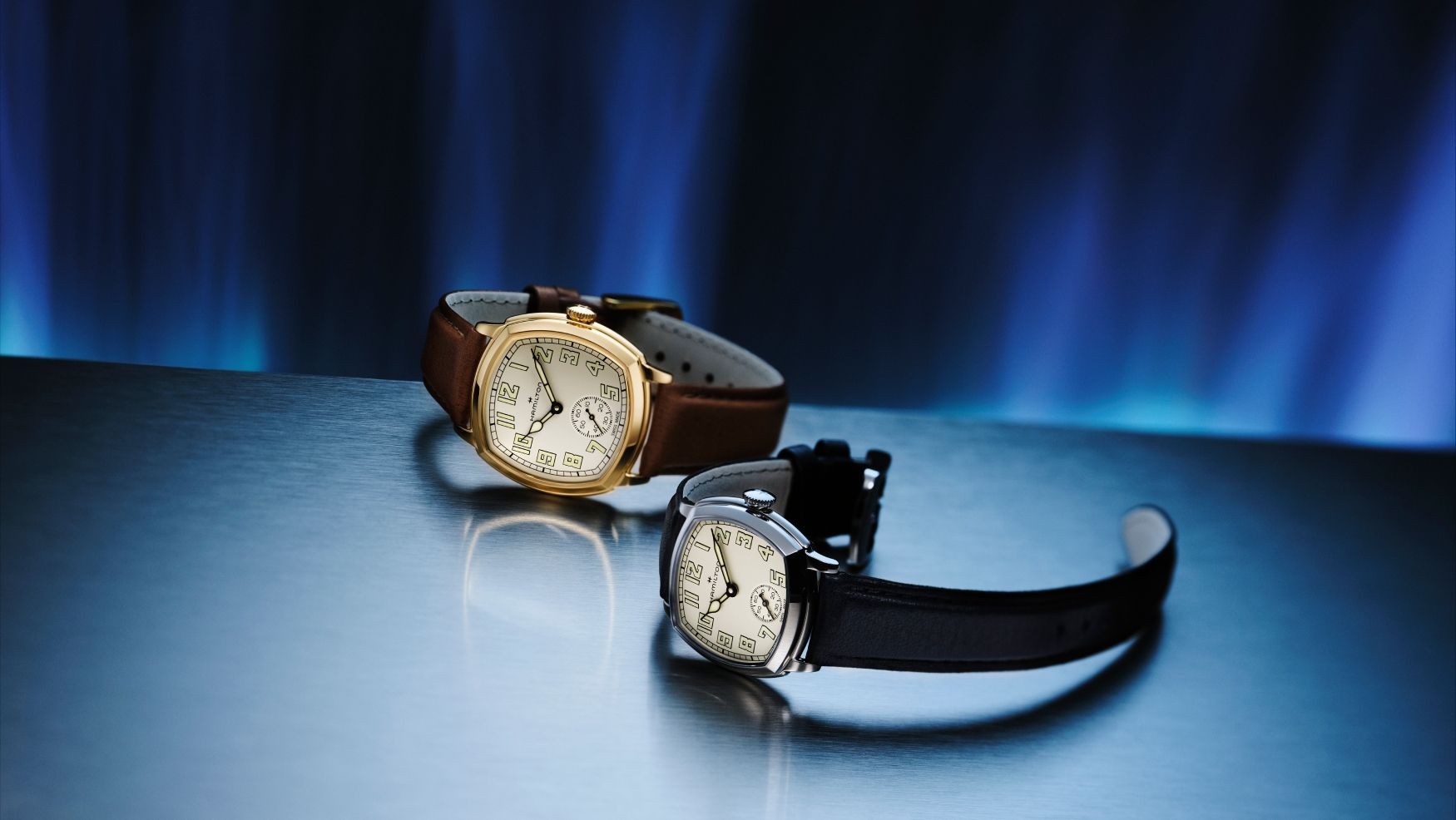
Hamilton's American Classic Cushion Mechanical revives its 1926 Art Deco cushion watches, seen in Oppenheimer, in 30mm and 34mm with the new hand-wound…
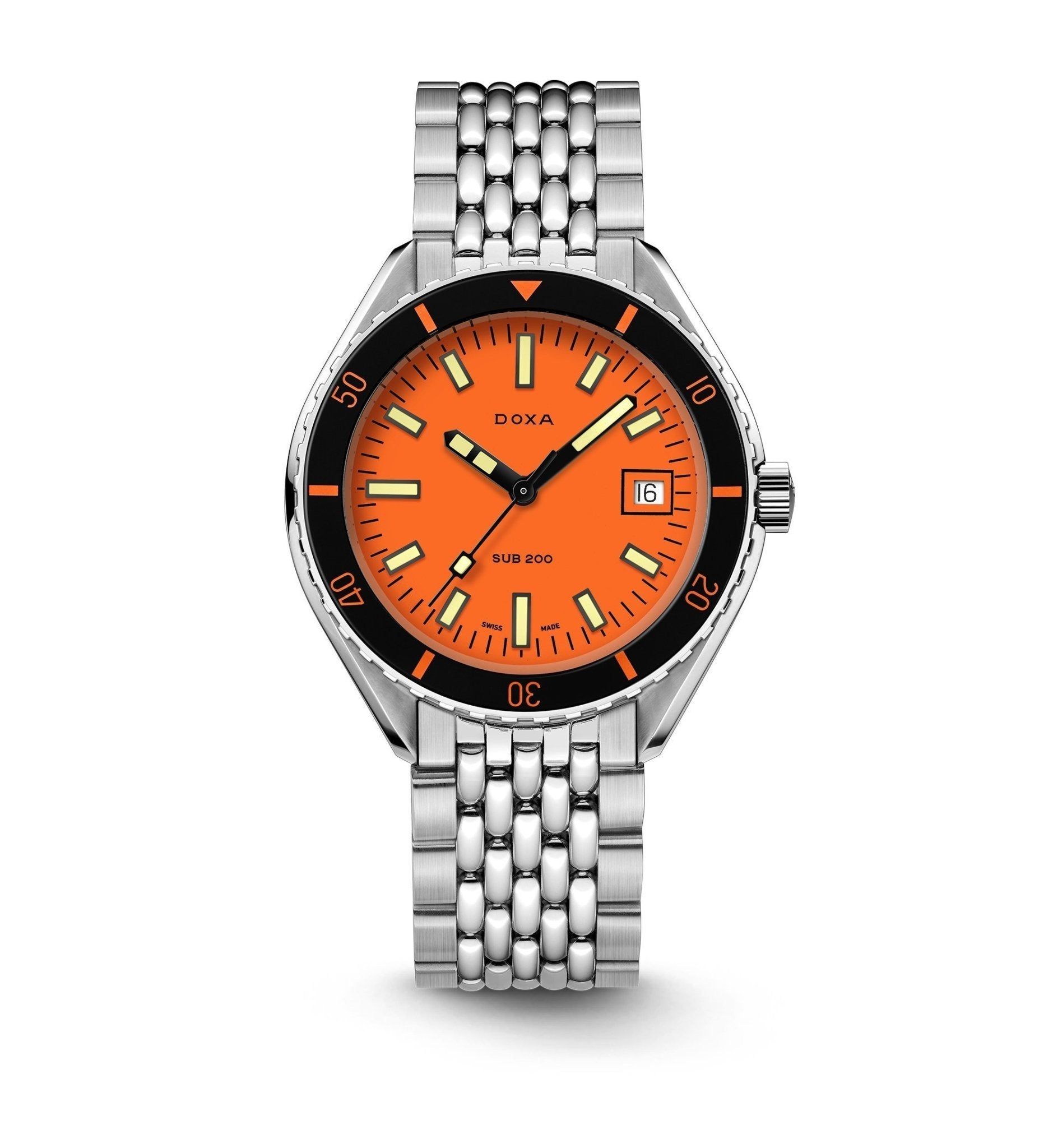
Doxa SUB 200: The Accessible Everyday Diver
By Zach Charles • October 10, 2026
Complete guide to the Doxa SUB 200 — 42mm, 200m, four colorways, Sellita SW200-1. The accessible entry to the Doxa SUB family with the full…
By Zach Charles • October 10, 2026
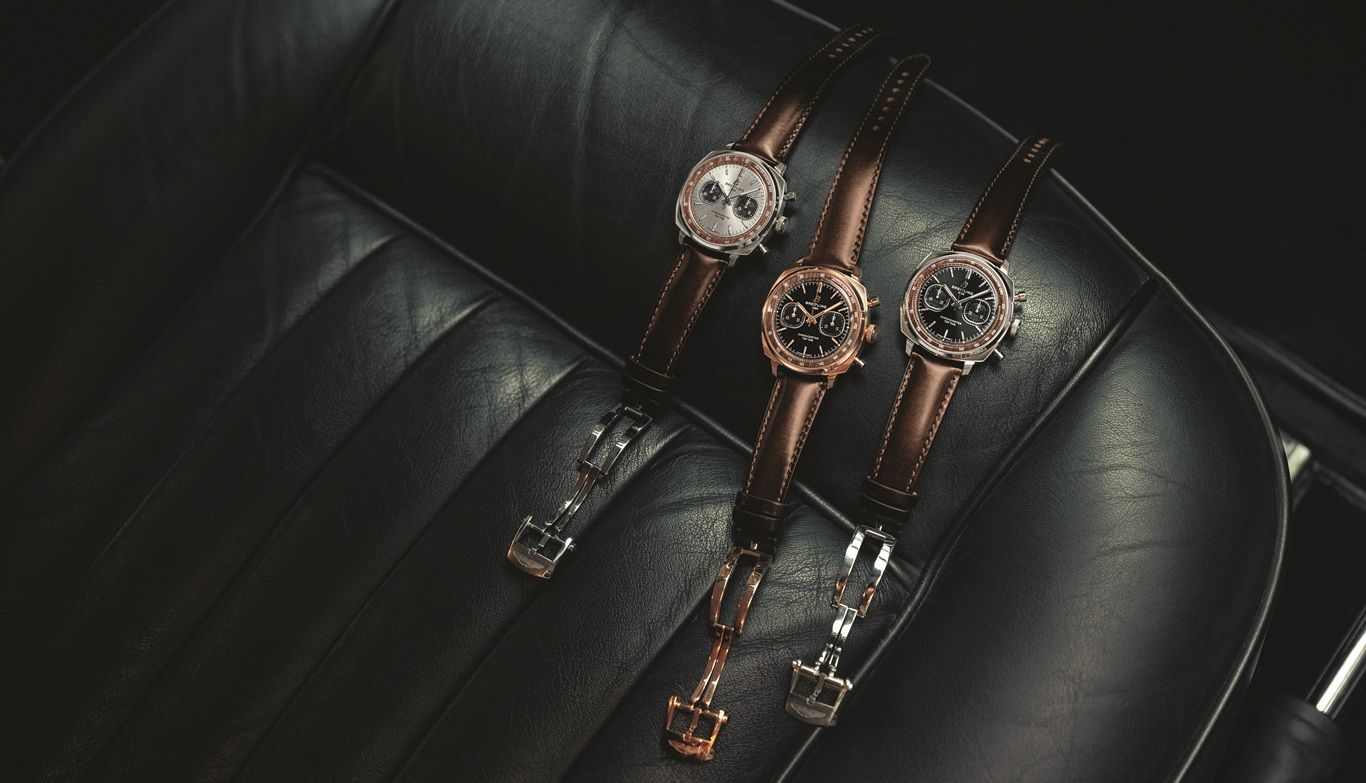
The Breitling Top Time B01 Aston Martin DB5 pairs a cushion-shaped 41mm case, a wooden inner ring and the in-house Caliber 01 across three limited…
By Zach Charles • October 10, 2026
TAG Heuer developed the Mikrograph (2011, 1/100th second), Mikrotimer Flying 1000 (2011, 1/1000th second), and Mikrogirder (2012, 1/2000th second).
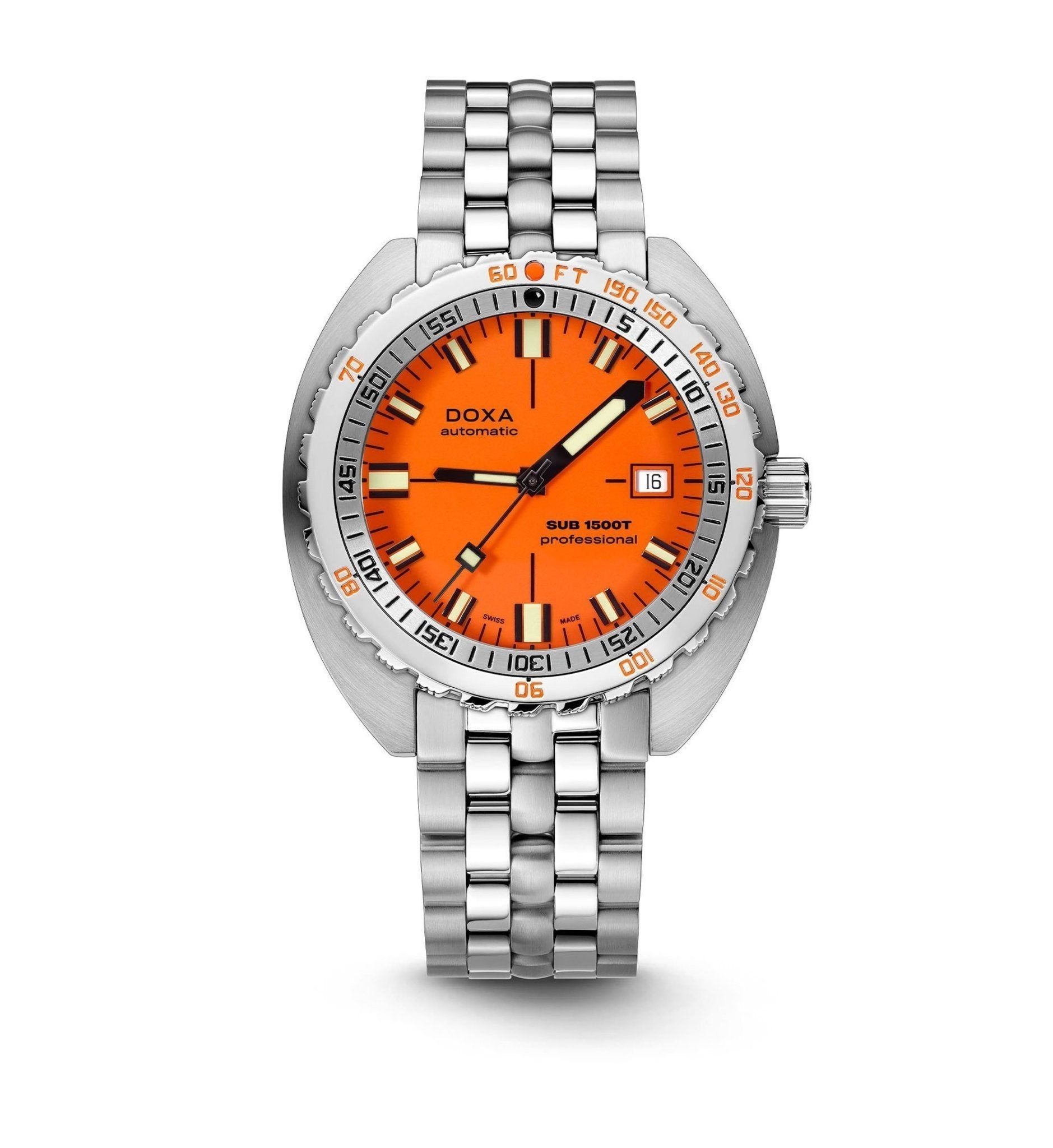
Doxa SUB 1500T: The 1,500-Metre Depth-Rating Flagship
By Zach Charles • October 10, 2026
Complete guide to the Doxa SUB 1500T — 45mm, 1,500m depth rating, helium escape valve, ETA 2892-2 movement, USD 2,690.
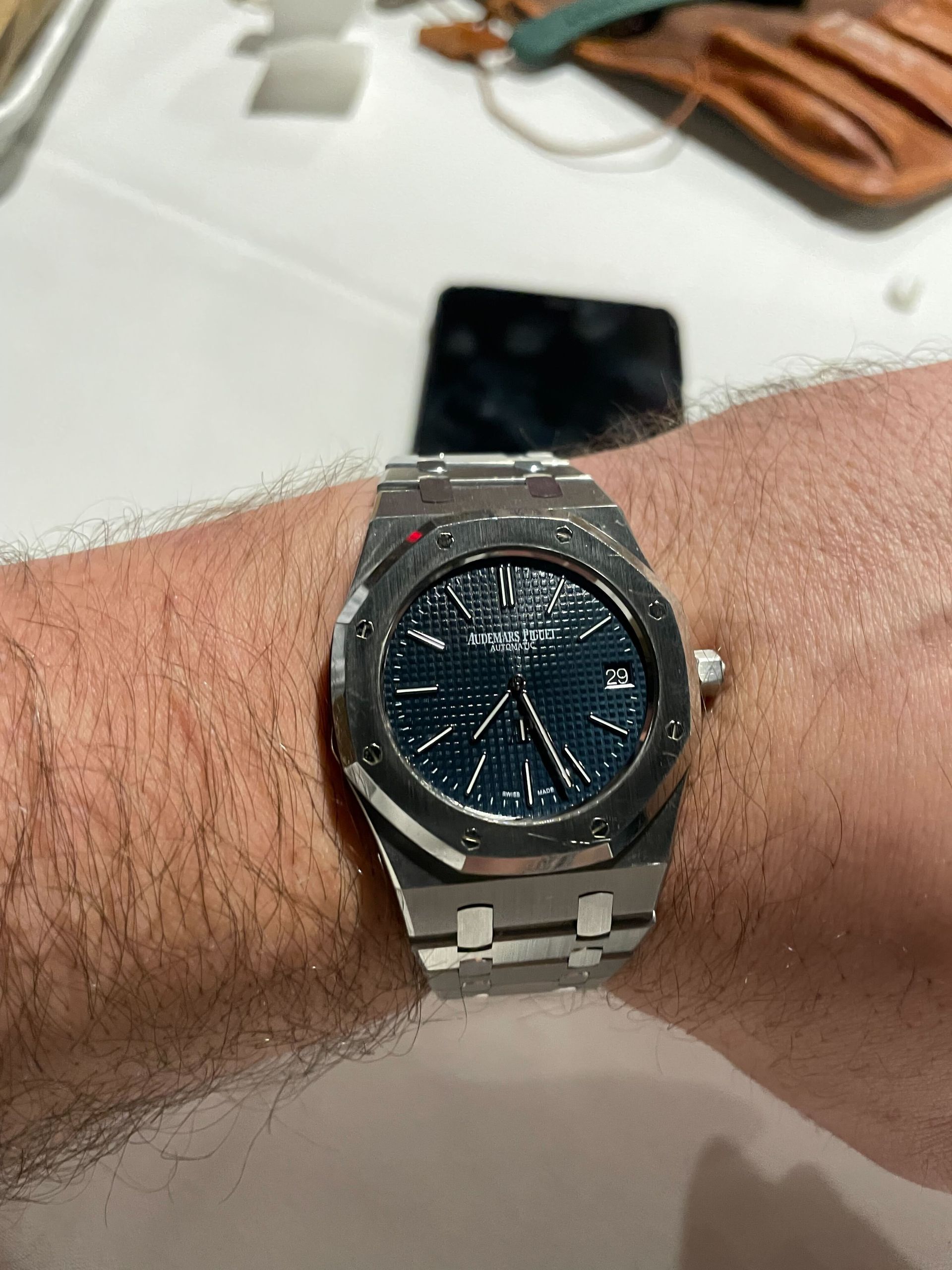
Audemars Piguet Royal Oak 'Jumbo' ref. 15202 with blue tapisserie dial and integrated steel bracelet
By Zach Charles • October 10, 2026
The Audemars Piguet × Swatch Royal Pop is a $400 bioceramic pocket watch in 8 colourways, powered by a new hand-wound SISTEM51 with 90+ hour power…

Time on the Move logo
By Zach Charles • October 10, 2026
Zach Charles is the editor of Time on the Move, an independent watch reference covering brand and model histories, buying guides and release news…
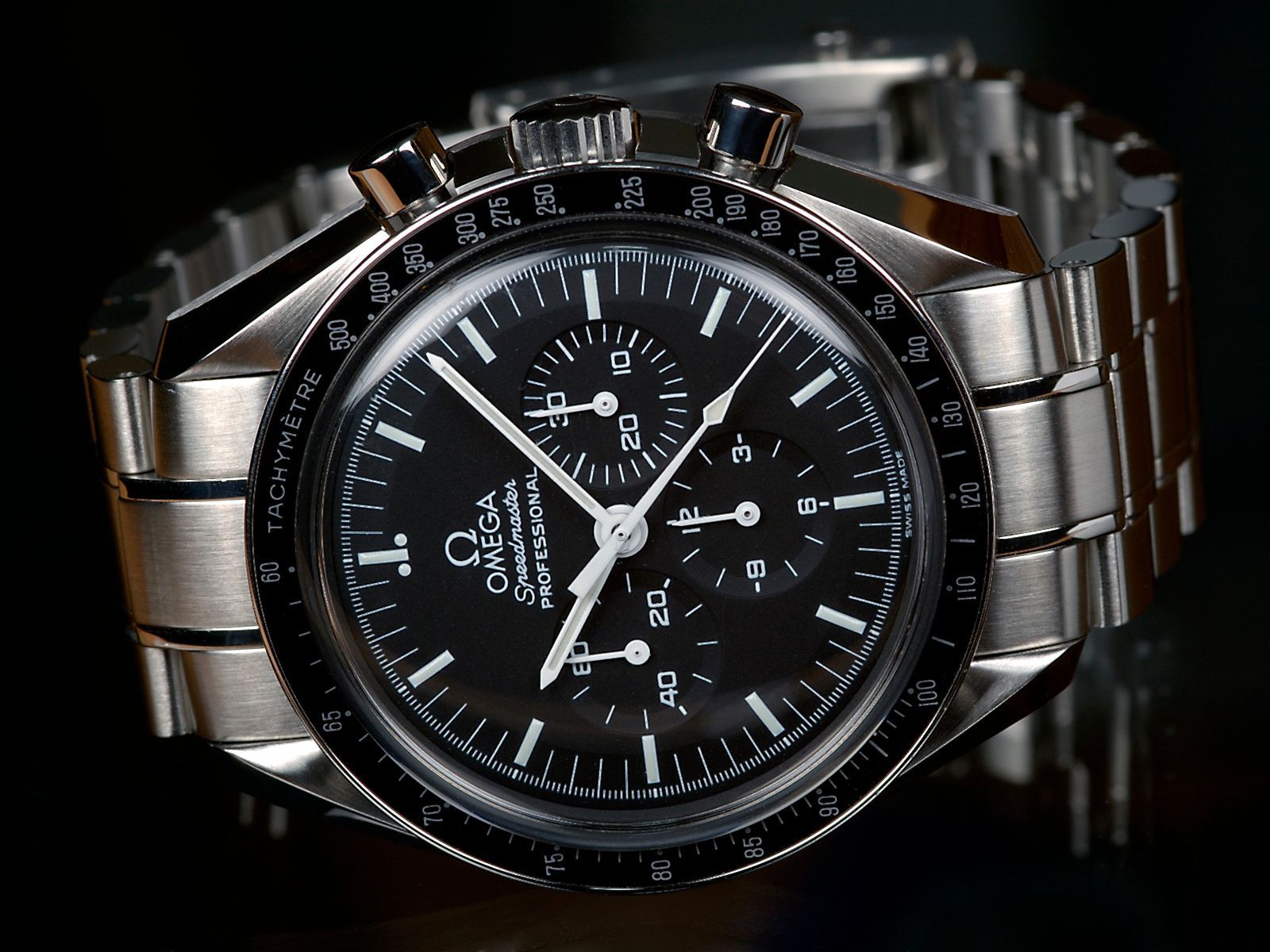
Omega Speedmaster Professional 'Moonwatch' chronograph, front view on steel bracelet
By Zach Charles • October 9, 2026
Find the best watches at every price point from $500 to $15,000 — new and pre-owned. Covers every budget tier with specific reference picks, brand…
By Zach Charles • October 9, 2026
The latest watch news: new releases, Watches and Wonders coverage, discontinuations, industry analysis, and market trends. Currently 1 article.
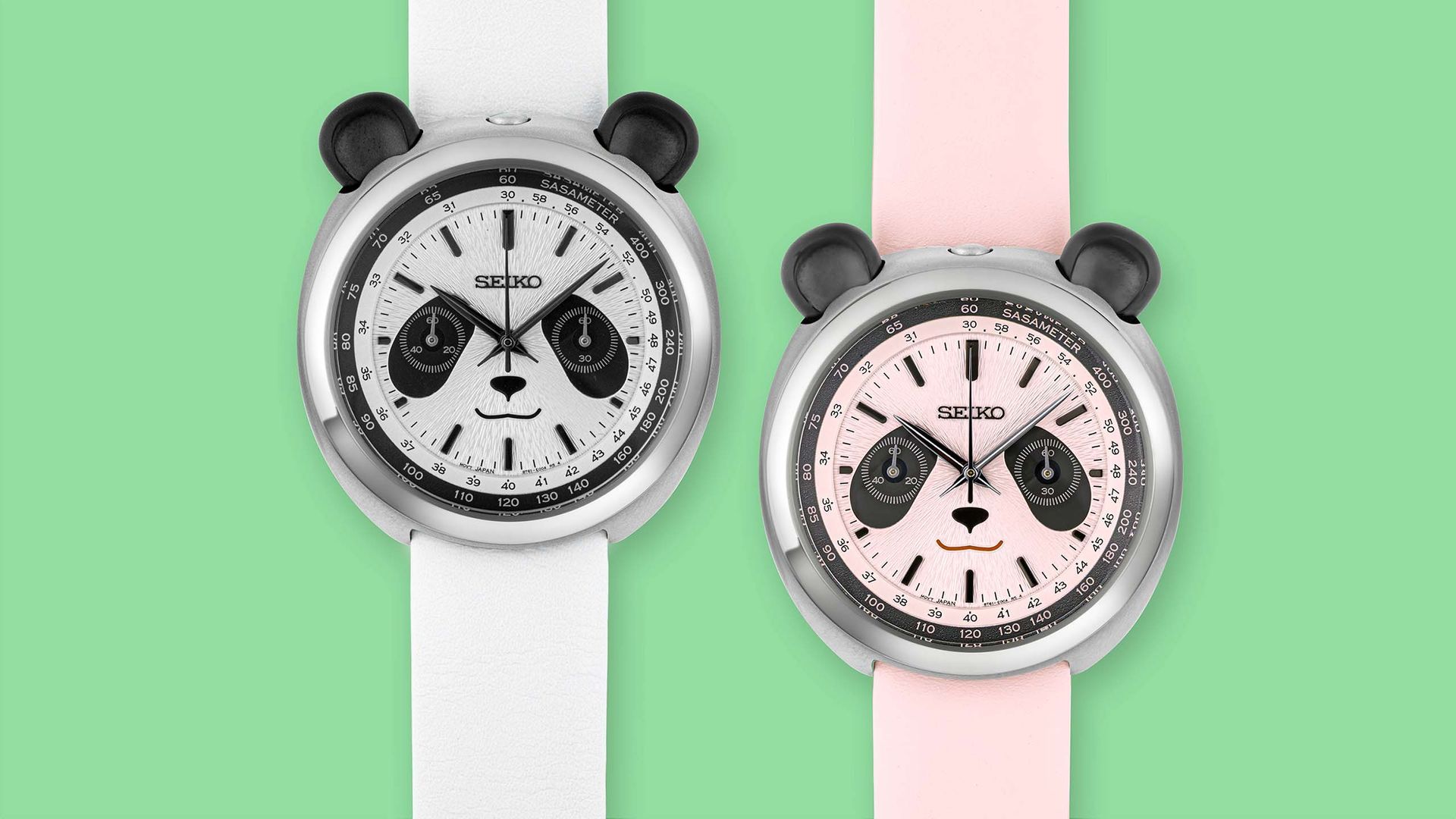
Seiko's New Panda Chronograph Is Literally a Panda: The Power Design Project HHK001 and HHK002
By Zach Charles • October 8, 2026
Seiko's Power Design Project panda chronograph (HHK001, HHK002) turns the panda dial into an actual panda face, with ear pushers, a 'Sasameter' and a 3D…
Show More