
Patek Philippe Grand Complications: Calibre 89, Sky Moon, and Grandmaster Chime

Zach Charles • May 22, 2026

Share this article

Patek Philippe Grand Complications: Calibre 89 and the Grandmaster Chime

No category in watchmaking demands more of a manufacture than grand complications. A watch earns the designation by combining multiple high-order complications — typically including a tourbillon, a striking mechanism, and a perpetual calendar — into a single movement that functions reliably under the physical constraints of a wearable case. Patek Philippe has pursued this discipline across its entire modern history, producing pieces that define the technical ceiling of what a portable timekeeping instrument can accomplish. From the Calibre 89 pocket watch of 1989 to the Grandmaster Chime Ref. 6300, the manufacture's record in grand complications is unmatched in both ambition and sustained execution.


Patek Philippe Masonic pocket watch, 1897
Patek Philippe Masonic pocket watch, 1897 — an example of the bespoke pocket watches with symbolic engraving and enamel decoration that characterised high-end commissions of the late 19th century.
Photo: Patekphilipe1897 — CC BY-SA 4.0 — Wikimedia Commons

Calibre 89: The 150th Anniversary Statement

Patek Philippe watch collection at Tiffany & Co., New York, 2008
Patek Philippe watches displayed at the Tiffany & Co. dedicated boutique opening in New York, April 2008 — illustrating the depth of the brand’s complications range.
Photo: Kamal Aboul-Hosn — CC BY 2.0 — Wikimedia Commons

The Calibre 89 was commissioned to mark Patek Philippe's 150th anniversary and was unveiled in 1989 after nine years of development. The numbers attached to it remain astonishing: 33 complications, 1,728 parts, a movement diameter of 89mm, a thickness of 41mm, and a total weight of 1,100 grams. Four pieces were produced — one each in yellow gold, white gold, rose gold, and platinum — making it one of the most deliberately scarce horological objects ever created for commercial sale.

At the time of its introduction, the Calibre 89 was declared the world's most complicated watch, a designation that was substantiated by direct comparison with the previous benchmark: the Graves Supercomplication, a pocket watch completed by Patek Philippe in 1933 for American banker Henry Graves Jr. The Graves piece contained 24 complications; the Calibre 89 contained 33, including a tourbillon, a perpetual calendar with leap year indicator, a secular perpetual calendar, a star chart for Geneva's sky, a sunrise and sunset display, a Westminster chime, and a thermometer. The combination of mechanical breadth and finishing quality made the Calibre 89 an argument — one that Patek Philippe did not need to make gently — for the manufacture's position at the apex of the industry.

The secular perpetual calendar is worth particular attention: standard perpetual calendars require correction at the century years that are not leap years (2100, 2200, 2300), but the Calibre 89's secular mechanism accounts for this automatically, requiring no adjustment until 2100. This level of foresight in mechanical design, built into a watch that will spend most of its existence in a vault, is the kind of engineering philosophy that defines the grand complications tradition.


Sky Moon Tourbillon: The Double-Face Masterpiece

Patek Philippe Museum, Geneva
The Patek Philippe Museum in Geneva — housing over 2,000 timepieces spanning five centuries of horological history, from 16th-century enamel watches to modern Patek complications.
Photo: Mourad Ben Abdallah (Moumou82) — CC BY-SA 3.0 — Wikimedia Commons

When Patek Philippe returned to grand complications in wristwatch format, the result was the Sky Moon Tourbillon, introduced in 2001 as reference 5002. The specification sheet described 12 complications across a double-face case of 42.8mm, driven by the Calibre R TO 27 QR SID LU CL — a movement containing 705 parts.

The front dial carries the perpetual calendar, the tourbillon at 6 o'clock, a minute repeater, and associated complications. The reverse dial is dedicated to astronomical displays: sidereal time (tracking the rotation of the Earth relative to the fixed stars rather than the sun), a celestial chart showing the night sky above Geneva, the phases and orbit of the moon, and a retrograde date. The combination of striking mechanism, regulation by tourbillon, and astronomical display on a single wristwatch was unprecedented at the time of launch and remains among the most technically complete packages available in any wristwatch.

The reference 6002, introduced in 2014, uses the same movement as the 5002 but in a 44mm case with more elaborate hand-engraving and dial finishing. The core technical architecture is unchanged; the 6002 represents a refinement of presentation rather than a reinvention of mechanics.


The Grandmaster Chime: Reference 5175R and the Road to 6300

Patek Philippe watch collection at Tiffany & Co., New York, 2008
Patek Philippe timepieces at Tiffany & Co., New York, April 2008 — the Tiffany partnership, dating to 1851, is one of the longest-running authorised dealer relationships in watchmaking.
Photo: Kamal Aboul-Hosn — CC BY 2.0 — Wikimedia Commons

The most significant development in Patek's grand complications line during the 2010s was the Grandmaster Chime, a movement that took the striking complications further than anything the manufacture had attempted in wristwatch format. The reference 5175R was produced as a single piece for the Only Watch charity auction in 2014 — a rose gold double-face watch carrying 20 complications, including a grande sonnerie (striking the hours and quarter-hours automatically), a petite sonnerie, a minute repeater, and a date repeater. The date repeater is among the rarest complications in watchmaking: on demand, it strikes the day of the month, a function that had not appeared in a serially produced wristwatch from any major manufacture in modern times.

The reference 5175R served as the proof of concept for what became the reference 6300, introduced at Baselworld 2016. The 6300 carries the same 20-complication Grandmaster Chime movement — 1,366 parts — in a 47.7mm double-face reversing case that allows the wearer to display either the striking-complication dial or the perpetual calendar dial facing outward. The case reversal mechanism is itself a complication, engineered to protect both dial faces from scratching during the rotation.

The 6300 is produced in small numbers and is available in white gold at approximately USD 3.2 million. It is not a watch sold from stock; acquiring one requires a relationship with Patek Philippe and a waiting period of indeterminate length. The production reality of the Grandmaster Chime is that each example represents hundreds of hours of hand-finishing and adjustment — the movement's 1,366 parts include striking trains that must be individually voiced and regulated to produce the correct acoustic character.


Advanced Research and Material Innovation

Patek Philippe Archives building, Plan-les-Ouates, Geneva
The Patek Philippe Archives in Plan-les-Ouates, Geneva — where records dating to the brand’s 1839 founding are maintained, enabling authentication of every historical reference.
Photo: Franck Schneider — CC BY-SA 3.0 — Wikimedia Commons
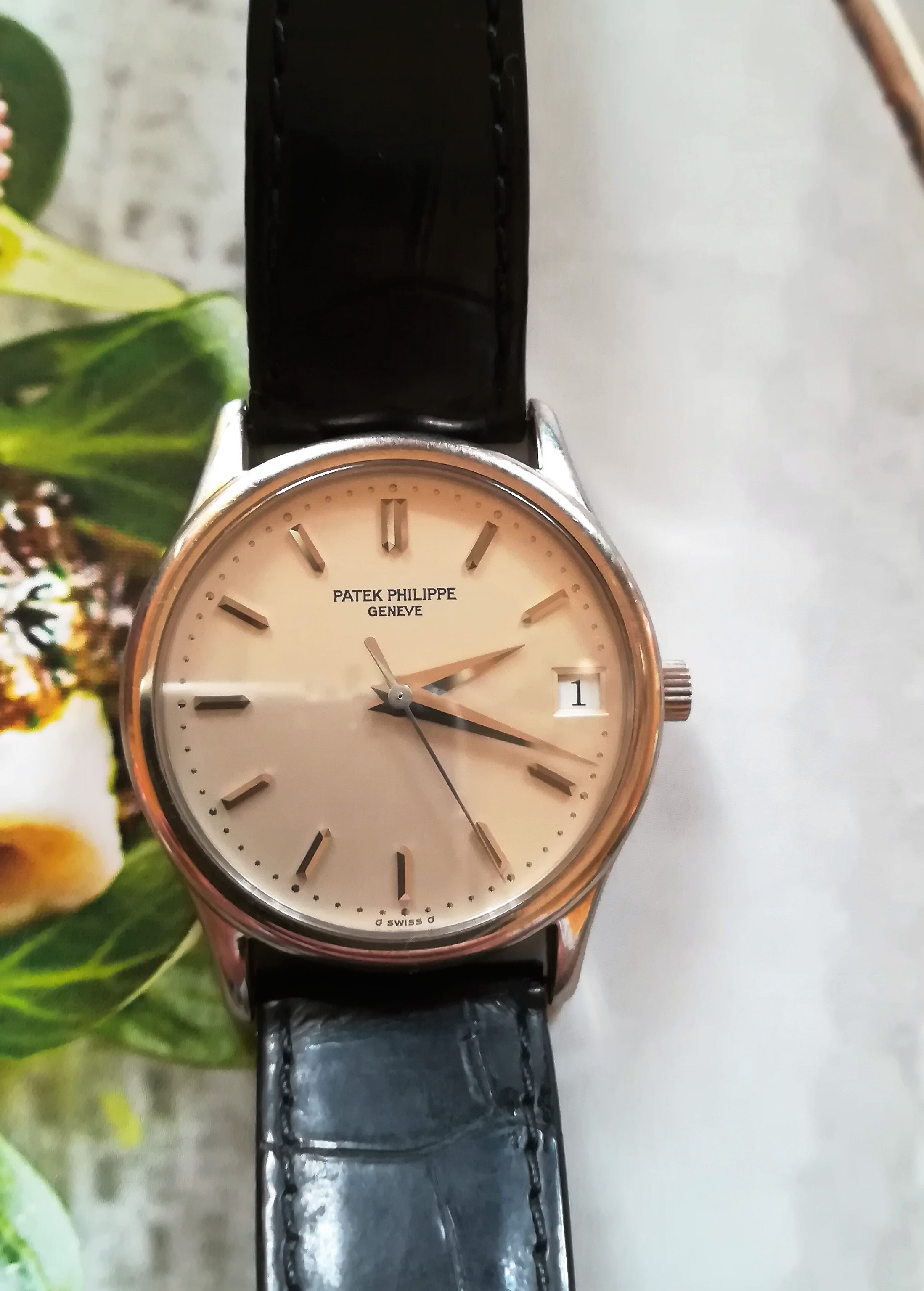
Patek Philippe's Advanced Research department has contributed to grand complications in a way that is easy to overlook amid the mechanical spectacle. The silicon Spiromax balance spring, developed through the Advanced Research program, brings dimensional stability and anti-magnetic performance to movements operating under the stress of multiple simultaneous complications. Silicon components used in the escapement — the pallet fork and escape wheel — reduce friction and eliminate the need for lubrication at those points, extending service intervals and improving long-term consistency.

These advances matter most in complications watches because the more functions a movement performs simultaneously, the more sensitive it is to deviations in rate caused by mechanical wear or environmental variables. A grand complications movement that gains precision from silicon components is more practically useful than one that achieves the same specification count with conventional materials — and Patek's willingness to integrate advanced materials into what are essentially art objects reflects a genuine commitment to function alongside spectacle.


What Defines a Grand Complication

Patek Philippe Calatrava — the archetypical dress watch
A Patek Philippe Calatrava — the reference that defined the modern round dress watch: clean dial, Calatrava cross hourglass lugs, and a movement of museum quality.
Photo: Clyde94 — CC BY-SA 4.0 — Wikimedia Commons
The category "grand complications" has no universally agreed definition in the industry, but within Patek Philippe's catalogue it consistently refers to watches combining a striking mechanism (minute repeater, sonnerie, or alarm), a high-order calendar function (perpetual calendar or secular perpetual calendar), and a regulation device (tourbillon). The Sky Moon Tourbillon and Grandmaster Chime both meet this definition; the Calibre 89 exceeds it by a wide margin.

The distinction matters because it separates grand complications from merely complicated watches. A split-seconds chronograph with a perpetual calendar is undeniably complex; it is not a grand complication by Patek's own classification. The striking mechanism is the defining requirement — it asks the movement to perform acoustic work, managing energy delivery to hammers and gongs with sufficient precision that the resulting sound is musically correct. This is categorically different from a calendar or a tourbillon, which are silent mechanisms. The combination of all three disciplines in a single movement is what earns the designation.


Frequently Asked Questions

How many complications does the Calibre 89 have?
The Calibre 89 has 33 complications. It was completed in 1989 to mark Patek Philippe's 150th anniversary and was produced in four examples — one per metal (yellow gold, white gold, rose gold, platinum). At its introduction it surpassed the 1933 Graves Supercomplication's 24 complications to claim the title of world's most complicated watch.

What is the Grandmaster Chime Ref. 6300?
The Grandmaster Chime Ref. 6300, introduced at Baselworld 2016, is a 20-complication wristwatch driven by a 1,366-part movement. It includes a grande sonnerie, petite sonnerie, minute repeater, acoustic alarm, and date repeater, housed in a double-face reversing case of 47.7mm. It is produced in small numbers and priced at approximately USD 3.2 million in white gold.

What is a date repeater and why is it rare?
A date repeater strikes the day of the month on demand — separate from the hours and minutes struck by a standard minute repeater. It requires additional trains and programming to count and transmit the date value acoustically. The complication is exceptionally rare in modern wristwatch production because of the complexity it adds to an already demanding mechanism.

What is the difference between a grand sonnerie and a petite sonnerie?
A grande sonnerie automatically strikes the hours and quarter-hours as they pass, without being activated by the wearer. A petite sonnerie strikes only the hours automatically. Both are distinct from a minute repeater, which strikes hours, quarter-hours, and minutes on demand when the wearer activates a pusher or slide. The Grandmaster Chime includes all three.

What is the Sky Moon Tourbillon?
The Sky Moon Tourbillon (Ref. 5002, introduced 2001; Ref. 6002, 2014) is a 42.8mm double-face wristwatch combining a tourbillon, minute repeater, perpetual calendar, sidereal time, celestial chart, moon phase and orbit display, and retrograde date across its two dials. The movement, Calibre R TO 27 QR SID LU CL, contains 705 parts.


Related Articles

Recent Posts

By Zach Charles • October 10, 2026
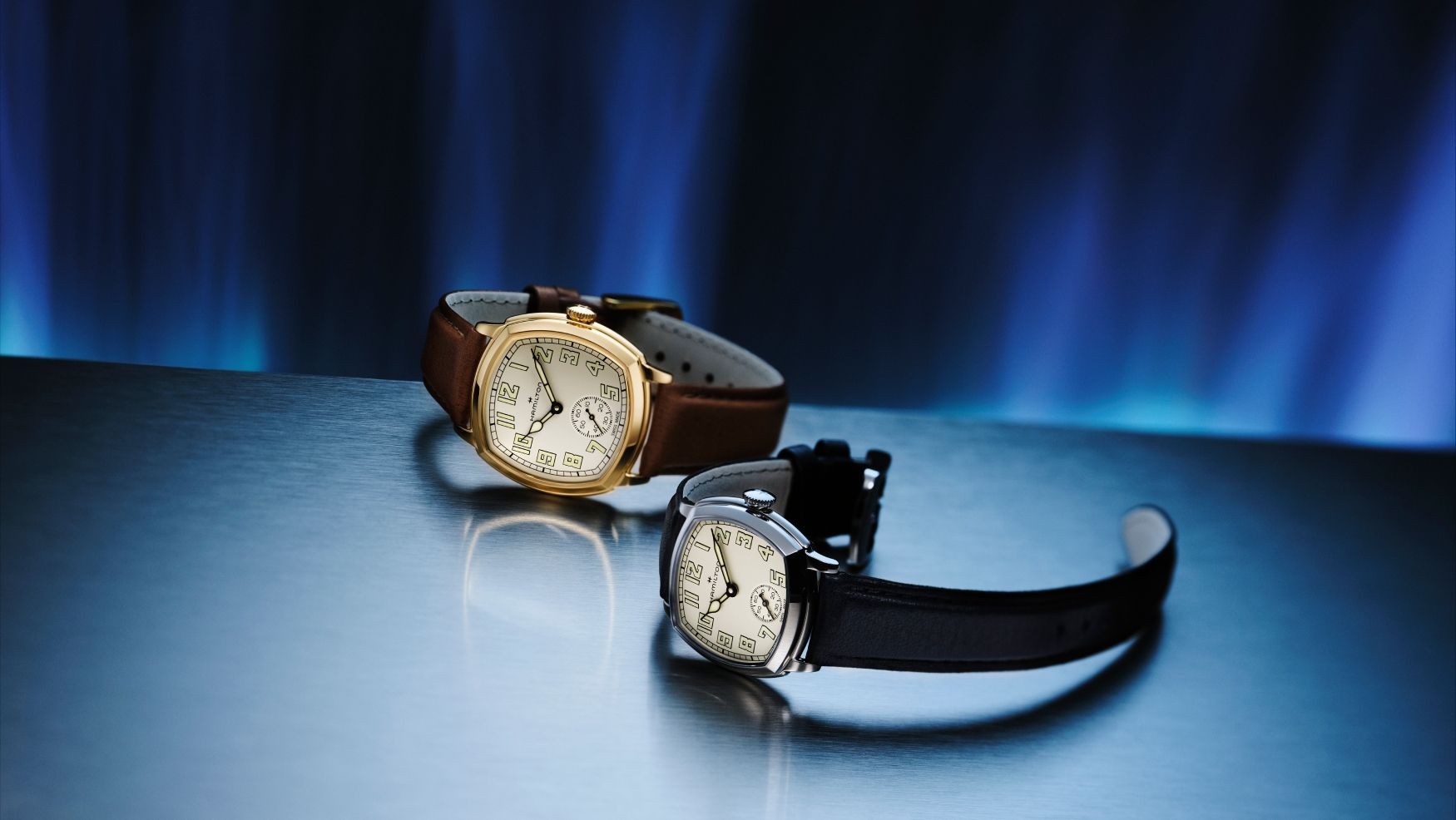
Hamilton's American Classic Cushion Mechanical revives its 1926 Art Deco cushion watches, seen in Oppenheimer, in 30mm and 34mm with the new hand-wound…
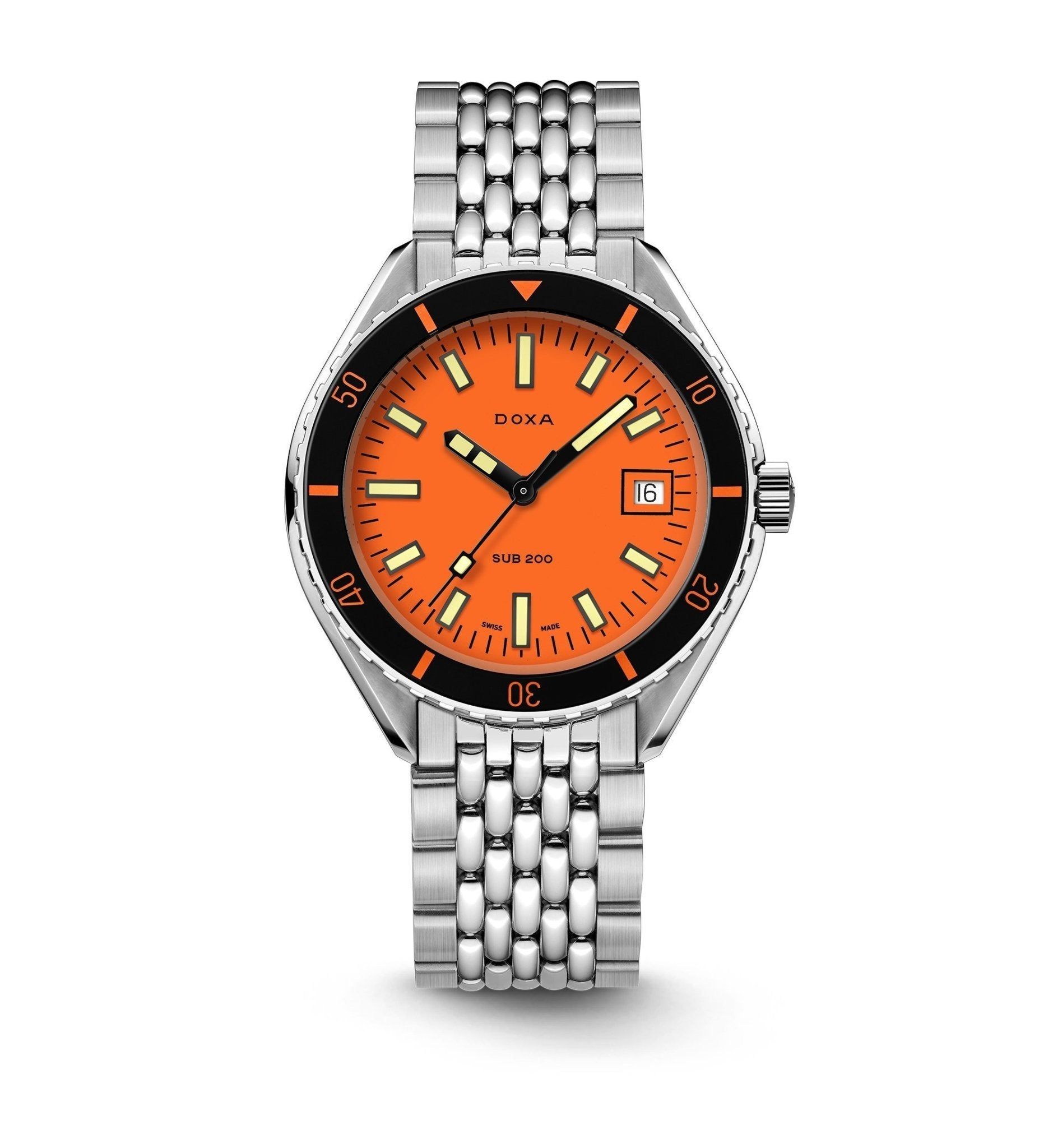
Doxa SUB 200: The Accessible Everyday Diver
By Zach Charles • October 10, 2026
Complete guide to the Doxa SUB 200 — 42mm, 200m, four colorways, Sellita SW200-1. The accessible entry to the Doxa SUB family with the full…
By Zach Charles • October 10, 2026
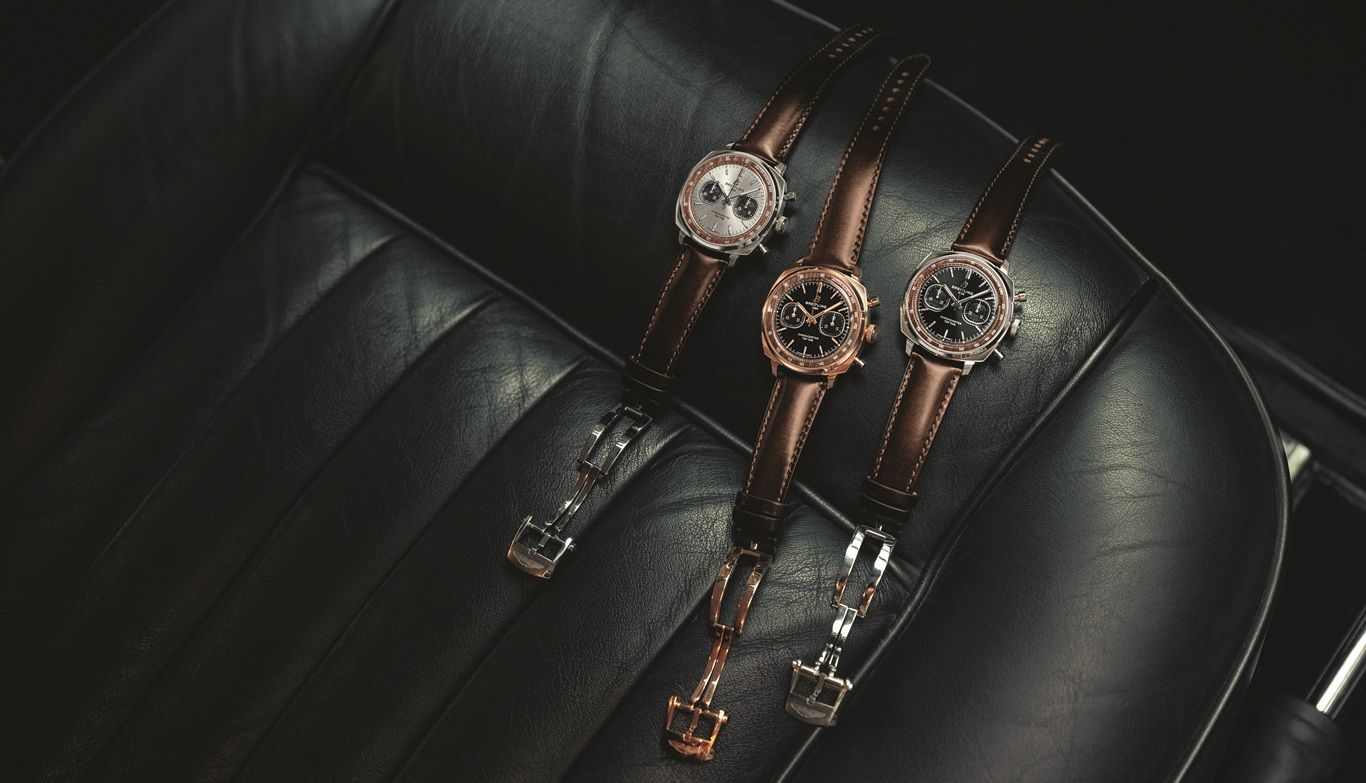
The Breitling Top Time B01 Aston Martin DB5 pairs a cushion-shaped 41mm case, a wooden inner ring and the in-house Caliber 01 across three limited…
By Zach Charles • October 10, 2026
TAG Heuer developed the Mikrograph (2011, 1/100th second), Mikrotimer Flying 1000 (2011, 1/1000th second), and Mikrogirder (2012, 1/2000th second).
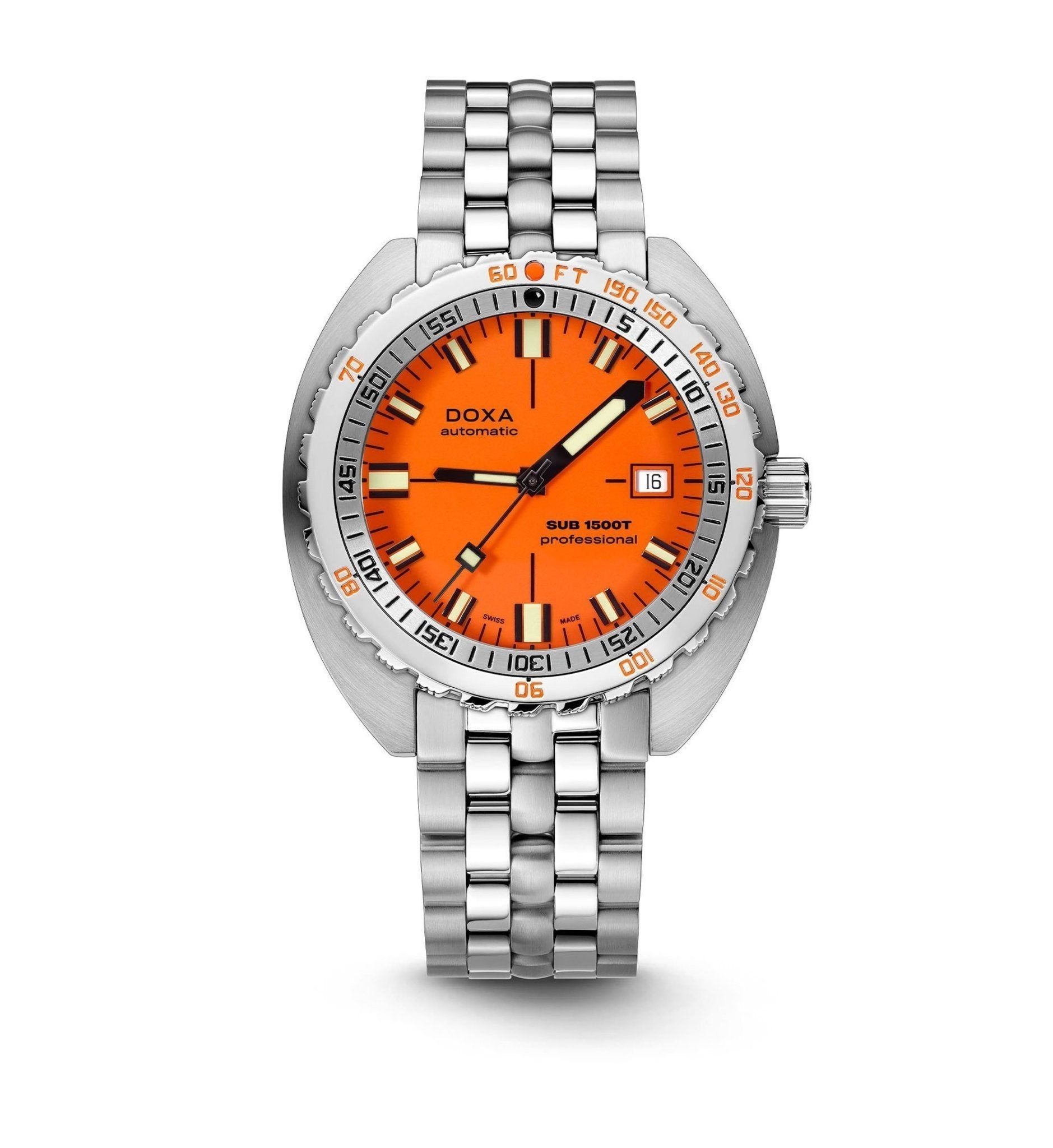
Doxa SUB 1500T: The 1,500-Metre Depth-Rating Flagship
By Zach Charles • October 10, 2026
Complete guide to the Doxa SUB 1500T — 45mm, 1,500m depth rating, helium escape valve, ETA 2892-2 movement, USD 2,690.
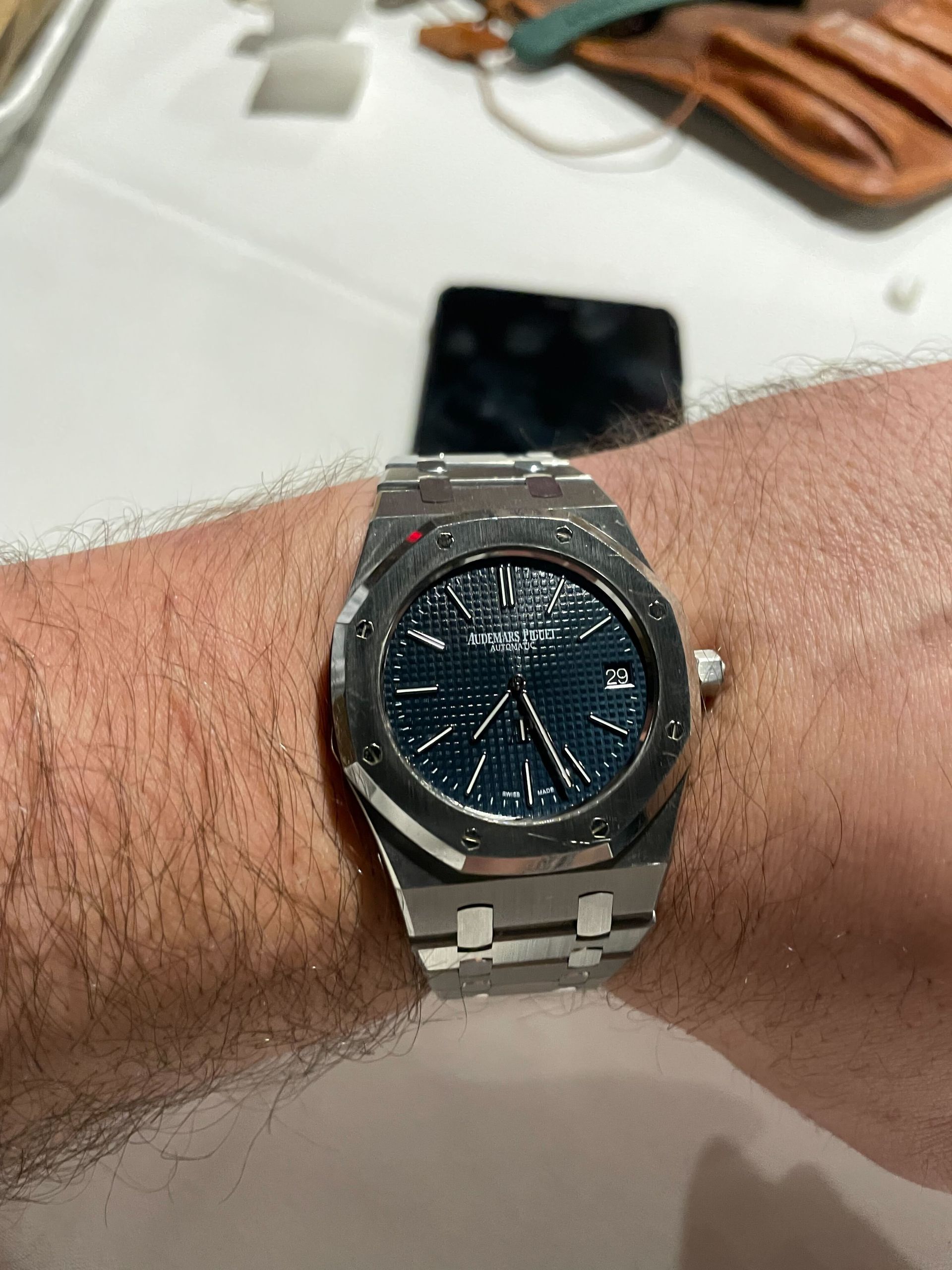
Audemars Piguet Royal Oak 'Jumbo' ref. 15202 with blue tapisserie dial and integrated steel bracelet
By Zach Charles • October 10, 2026
The Audemars Piguet × Swatch Royal Pop is a $400 bioceramic pocket watch in 8 colourways, powered by a new hand-wound SISTEM51 with 90+ hour power…

Time on the Move logo
By Zach Charles • October 10, 2026
Zach Charles is the editor of Time on the Move, an independent watch reference covering brand and model histories, buying guides and release news…
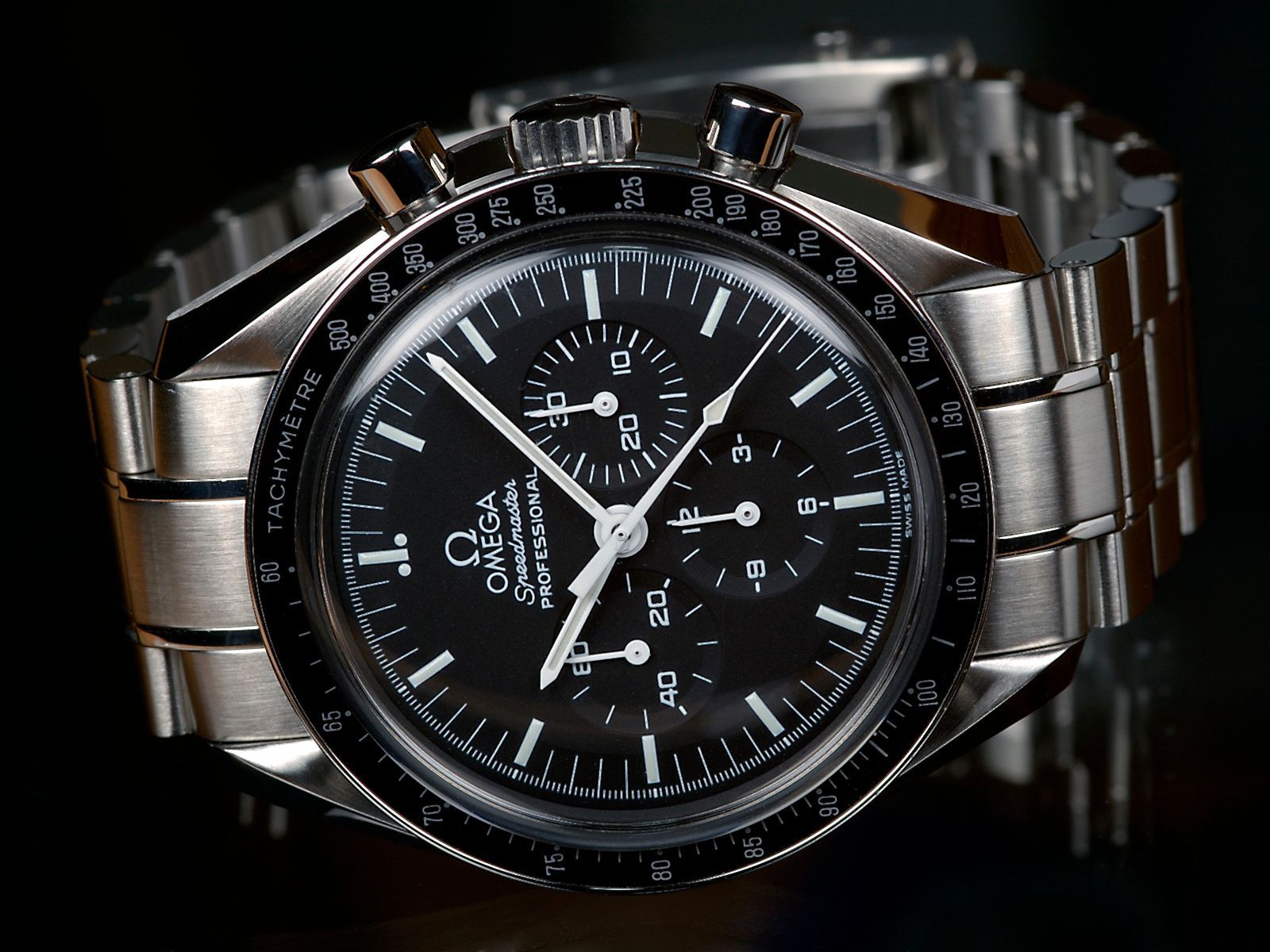
Omega Speedmaster Professional 'Moonwatch' chronograph, front view on steel bracelet
By Zach Charles • October 9, 2026
Find the best watches at every price point from $500 to $15,000 — new and pre-owned. Covers every budget tier with specific reference picks, brand…
By Zach Charles • October 9, 2026
The latest watch news: new releases, Watches and Wonders coverage, discontinuations, industry analysis, and market trends. Currently 1 article.
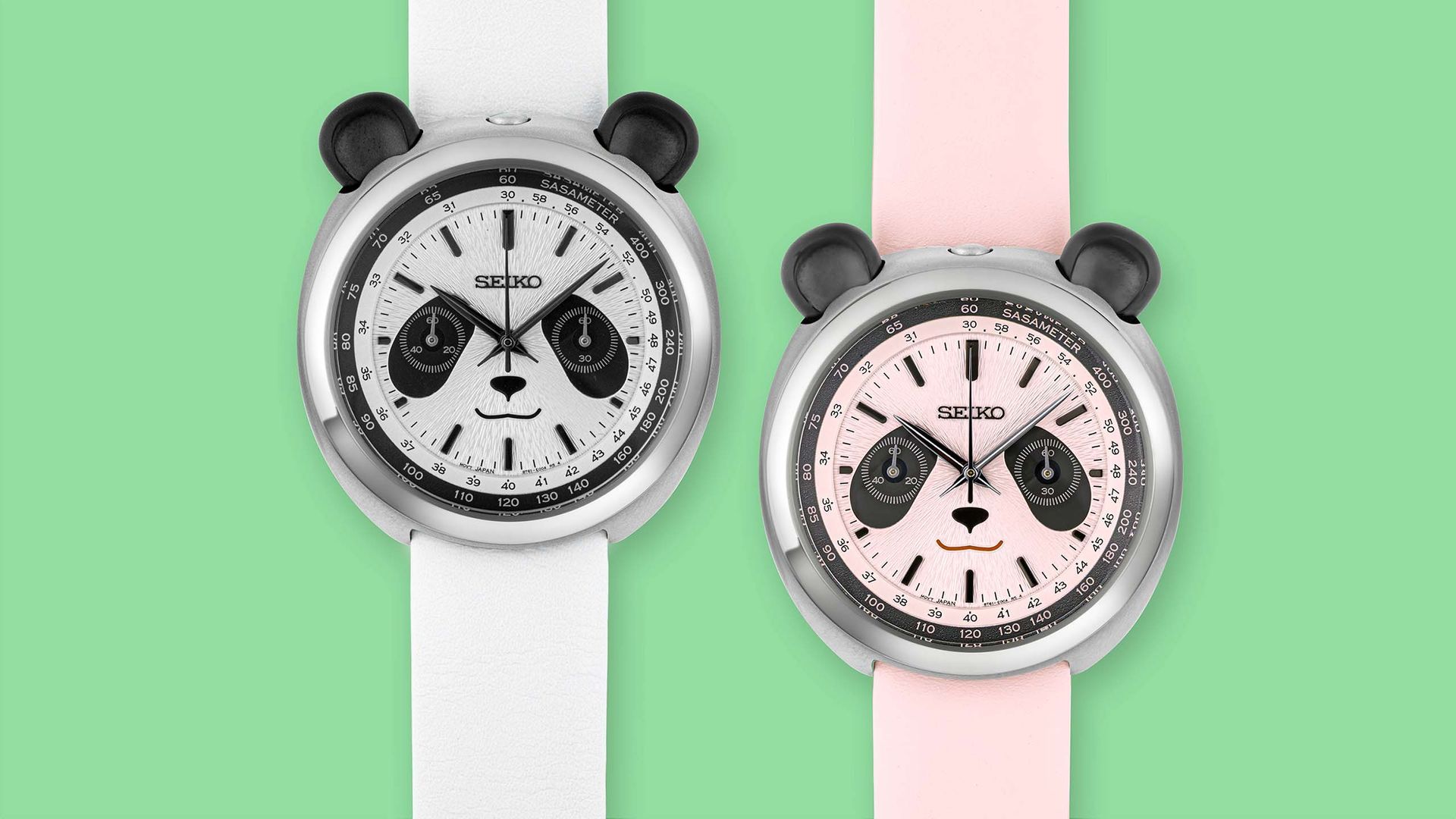
Seiko's New Panda Chronograph Is Literally a Panda: The Power Design Project HHK001 and HHK002
By Zach Charles • October 8, 2026
Seiko's Power Design Project panda chronograph (HHK001, HHK002) turns the panda dial into an actual panda face, with ear pushers, a 'Sasameter' and a 3D…
Show More