
IWC Spitfire & Top Gun: History of IWC's Combat Pilot Sub-Families

Zach Charles • May 28, 2026

Share this article

IWC Spitfire & Top Gun: History of IWC's Combat Pilot Sub-Families

Within the broad architecture of the IWC Pilot's Watch family, two sub-families occupy a specific register: the Spitfire, which takes the name of the most culturally potent British fighter aircraft; and the Top Gun, which references the United States Navy's elite fighter weapons programme. Neither was issued to the aircraft's crews — these are not military-contract watches in the sense that the Mark XI was issued to RAF pilots. They are watches that use the iconography and operational logic of combat aviation to define a more focused, more aggressive aesthetic register within IWC Schaffhausen's pilot's watch philosophy.

The distinction matters: the Spitfire and Top Gun derive their authority from design coherence and genuine technical specification rather than documented military issue, and the collector who understands this distinction will evaluate them more accurately than one who conflates them with the Mark series' institutional history.


IWC Big Pilot Antoine de Saint-Exupéry limited edition
The IWC Big Pilot Antoine de Saint-Exupéry limited edition — one of 1,900 pieces. The 46mm case, triangle at 12 o’clock, large screw-down crown, and luminous Arabic numerals directly reference the Luftwaffe Beobachtungsuhren specification that IWC fulfilled in 1940 with B-Uhr reference 431.
Photo: Ferengi — CC BY-SA 3.0 — Wikimedia Commons
The Spitfire — Named for the Most Admired Fighter

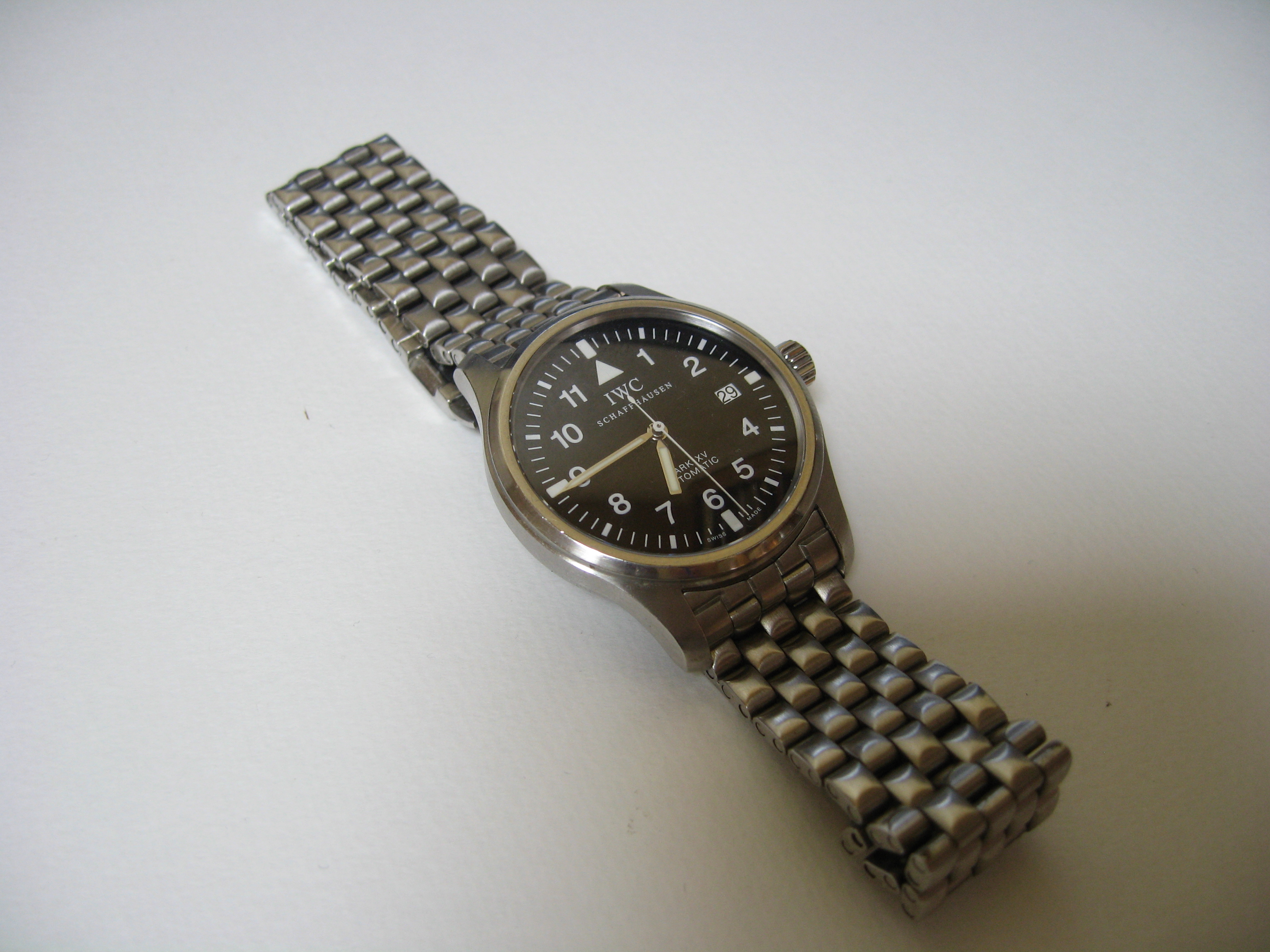
IWC Pilot’s Watch Mark XV
An IWC Pilot’s Watch Mark XV — the 38mm reference housing the Cal. 37524 (ETA 2892-A2 base) that bridged the Mark XII and Mark XVII. The clean tool-watch dial with Arabic numerals, luminous hands, and soft-iron inner case continues the design language established by IWC’s wartime RAF contracts from the 1940s.
Photo: サフィル — CC BY-SA 4.0 — Wikimedia Commons
The Supermarine Spitfire is the most recognisable single-seat fighter in aviation history. Designed by R.J. Mitchell and first flown in 1936, it served throughout the Second World War in roles from the Battle of Britain interception through high-altitude reconnaissance and ground attack. Its distinctive elliptical wing, Merlin engine, and the Battle of Britain narrative gave the Spitfire a cultural status that outlasted its operational significance — it became shorthand for a certain quality of purposeful elegance under pressure.

IWC adopted the Spitfire name for a Pilot's Watch sub-family oriented around precisely that combination: purposeful, elegant under pressure, more approachable in scale than the Big Pilot and more field-capable in aesthetic than the standard Pilot's Watch.

The Spitfire's position in the family: The Spitfire sits between the standard Pilot's Watch Automatic and the Top Gun in terms of visual intensity. It shares the Pilot's Watch's fundamental architecture — soft-iron inner case, aviation dial language — but applies a slightly warmer, more vintage-inflected aesthetic that references the specific character of wartime British aviation rather than the cold-war NATO grey of the Mark series.


Spitfire History — From IWC-7 Days to In-House Calibres

IWC Big Pilot Antoine de Saint-Exupéry limited edition
The IWC Big Pilot Antoine de Saint-Exupéry limited edition — one of 1,900 pieces. The 46mm case, triangle at 12 o’clock, large screw-down crown, and luminous Arabic numerals directly reference the Luftwaffe Beobachtungsuhren specification that IWC fulfilled in 1940 with B-Uhr reference 431.
Photo: Ferengi — CC BY-SA 3.0 — Wikimedia Commons

The Spitfire name has appeared in IWC's catalogue across multiple generations, and the references have varied considerably in specification and character.

Early Spitfire references (2002 onward): The Spitfire name was applied in the early 2000s to a family of manually wound and automatic references in the 39–41mm range. These watches were distinguished within the Pilot's family by their bronze and anthracite dial treatments — warmer, more historical in colour reference than the black and white of standard Pilot's Watch references. Early Spitfire references with manually wound movements developed a following among collectors who valued the stripped-down instrument character.

IWC Spitfire Automatic 41 — The Key Transition Reference: Following the 2018 manufacture opening, IWC restructured the Spitfire line around in-house calibres. The Spitfire Automatic 41 (ref. IW326801) houses the Cal. 35111 in early versions and the fully in-house Cal. 82800 in later production — the latter providing a 60-hour power reserve from an in-house manufacture movement. The 41mm case with a bronze-coloured dial and calfskin strap on a pin buckle established the current Spitfire's visual identity.

The current Spitfire range: Current production Spitfire references run to 41mm and are characterised by their antiqued dial treatments — the "Laureus Silver" and bronze colourways that reference the leather, cloth, and aged metal of wartime cockpit equipment. The cases are steel; the aesthetic suggests a watch that could have been worn in 1940 but performs to 2020s specifications.


In-House Calibre Arrival — 2019 and Beyond

IWC Pilot’s Watch Mark XV
An IWC Pilot’s Watch Mark XV — the 38mm reference housing the Cal. 37524 (ETA 2892-A2 base) that bridged the Mark XII and Mark XVII. The clean tool-watch dial with Arabic numerals, luminous hands, and soft-iron inner case continues the design language established by IWC’s wartime RAF contracts from the 1940s.
Photo: サフィル — CC BY-SA 4.0 — Wikimedia Commons

The 2019 introduction of in-house calibres across the Spitfire line was part of IWC's systematic programme following the 2018 manufacture opening. Prior to this transition, Spitfire references had used a combination of JLC-base and ETA/Sellita-base movements — reliable, but not the manufacture-produced calibres that increasingly characterised IWC's ambitions.

The Cal. 82800 — a fully in-house, bidirectional automatic with 60-hour power reserve — represents the current technical standard for the Spitfire family. It is not the silicon-component Cal. 32111 of the Mark XX and does not achieve the same 120-hour power reserve, but it is a genuine IWC-manufactured calibre with the quality finishing and reliability that in-house production enables.


The Top Gun — Ceramic and Combat Specification

IWC Big Pilot Antoine de Saint-Exupéry limited edition
The IWC Big Pilot Antoine de Saint-Exupéry limited edition — one of 1,900 pieces. The 46mm case, triangle at 12 o’clock, large screw-down crown, and luminous Arabic numerals directly reference the Luftwaffe Beobachtungsuhren specification that IWC fulfilled in 1940 with B-Uhr reference 431.
Photo: Ferengi — CC BY-SA 3.0 — Wikimedia Commons

The Top Gun sub-family occupies the highest-intensity position in the Pilot's Watch architecture: ceramic cases, aggressive aesthetics, and specifications oriented toward the operational extremes of military aviation.

The Top Gun name and the naval connection: The United States Navy Fighter Weapons School — known publicly as Top Gun — is the elite programme for fighter pilot training and tactics development. IWC has maintained a relationship with the Naval Aviation community that provides a documented connection between the Top Gun watches and the institution they reference. The watches are not issued to Top Gun graduates, but the relationship is institutional rather than purely notional.

The ceramic case: Top Gun references use zirconia ceramic — a material with specific properties relevant to operational contexts. Black zirconia is extremely hard (8.5 on the Mohs scale, compared to 6–6.5 for steel), scratch-resistant to the point of practical immunity in everyday use, and non-reflective — the matte black surface does not catch light in the way polished or even brushed steel does. The non-reflectivity is a practical consideration in combat contexts where reflective surfaces can create visibility signatures. For civilian wear, the scratch resistance is the dominant benefit.

Key Top Gun references:

IW389001 / Miramar (2014): Named for the Naval Air Station Miramar — the original Top Gun location — this chronograph reference established the model that current Top Gun watches follow: 44mm ceramic case, black dial, flyback chronograph. The Miramar reference became the defining Top Gun design.

IW388002 (current): The current single-hand Top Gun Miramar. A 44.5mm ceramic reference with a single-hand display indicating 24-hour time — the canonical aviation-instrument complication for long-haul and cross-timezone flight. The single-hand display requires the wearer to read time differently: the hand position indicates approximate time at a glance, precise time with attention to the graduated scale.

Top Gun Chronograph 44 (IW371918): The current production flyback chronograph in the Top Gun family. 44mm ceramic, Cal. 89365 with flyback function, 68-hour power reserve. The flyback chronograph — which resets and restarts with a single pusher operation rather than requiring stop, reset, restart in sequence — has operational advantages in flight contexts where transitions need to be timed quickly.


Spitfire vs. Top Gun — Choosing Within the Family

IWC Pilot’s Watch Mark XV
An IWC Pilot’s Watch Mark XV — the 38mm reference housing the Cal. 37524 (ETA 2892-A2 base) that bridged the Mark XII and Mark XVII. The clean tool-watch dial with Arabic numerals, luminous hands, and soft-iron inner case continues the design language established by IWC’s wartime RAF contracts from the 1940s.
Photo: サフィル — CC BY-SA 4.0 — Wikimedia Commons

The two sub-families serve overlapping but distinct buyer profiles:

The Spitfire buyer wants a Pilot's Watch with historical warmth — the antiqued dials, the references to wartime British aviation, the more understated aesthetic that wears well across formal and casual contexts. Spitfire references are more versatile, less assertive, easier under a shirt cuff. They work as daily watches for buyers who want IWC's Pilot's Watch pedigree without the visual intensity of the Top Gun.

The Top Gun buyer wants the ceramic case's practical benefits — near-immunity to scratching, the matte black aesthetic, the combat-instrument visual register. Top Gun watches are emphatically casual-to-sporty, demanding in scale (44mm+), and unambiguous in their positioning as high-specification tool watches. They work for buyers who want the most aggressive IWC Pilot's Watch available.

The price differential reflects the material difference: ceramic cases require different manufacturing processes than steel, and the Top Gun references typically command a premium of $2,000–$4,000 over comparable steel Spitfire references.


Frequently Asked Questions

Were IWC Spitfire watches actually worn by Spitfire pilots?
No. The Spitfire name references the aircraft's cultural significance and the aesthetic register it represents — purposeful elegance under pressure — rather than documented military issue. The Spitfire family did not exist during the Second World War; IWC's wartime pilot's watch was the B-Uhr ref. 431 and the early Mark series references.

What makes the Top Gun ceramic case different from steel?
Black zirconia ceramic is significantly harder than steel — approximately 8.5 on the Mohs scale versus 6–6.5 for steel — making it effectively scratch-resistant in everyday use. It is also non-reflective, which has operational relevance in military contexts. The manufacturing process for ceramic cases is more complex than steel, which is reflected in the price premium.

What is a flyback chronograph?
A flyback chronograph resets and immediately restarts timing with a single pusher operation, rather than the three-operation stop/reset/start sequence of a conventional chronograph. In aviation contexts — timing legs, transitions, or intervals without interruption — the flyback's single-gesture operation has practical advantages.

Is the Spitfire or Top Gun better for everyday wear?
The Spitfire — particularly the 41mm references on a leather strap — is more versatile across contexts, more comfortable under a shirt cuff, and more forgiving of formal dress occasions. The Top Gun's ceramic case is more scratch-resistant but its 44mm+ scale and combat aesthetic are more demanding of context.

What calibres do current Spitfire and Top Gun references use?
Current Spitfire references use the in-house Cal. 82800 (60-hour power reserve). Top Gun references use the Cal. 89365 (flyback chronograph, 68-hour power reserve) and Cal. 82800 depending on reference. Both are IWC in-house manufacture calibres.


Related Articles

Recent Posts

By Zach Charles • October 10, 2026
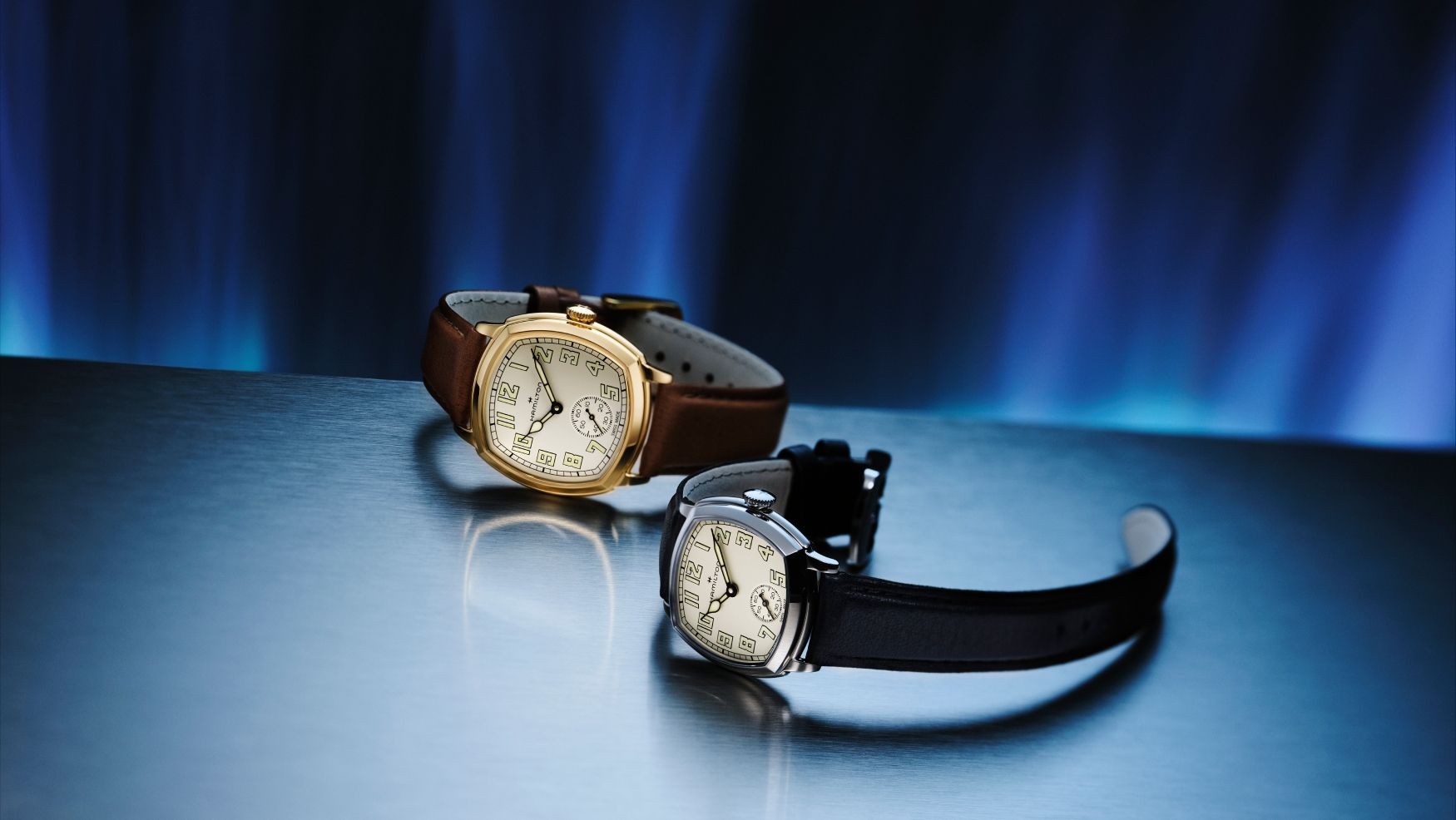
Hamilton's American Classic Cushion Mechanical revives its 1926 Art Deco cushion watches, seen in Oppenheimer, in 30mm and 34mm with the new hand-wound…
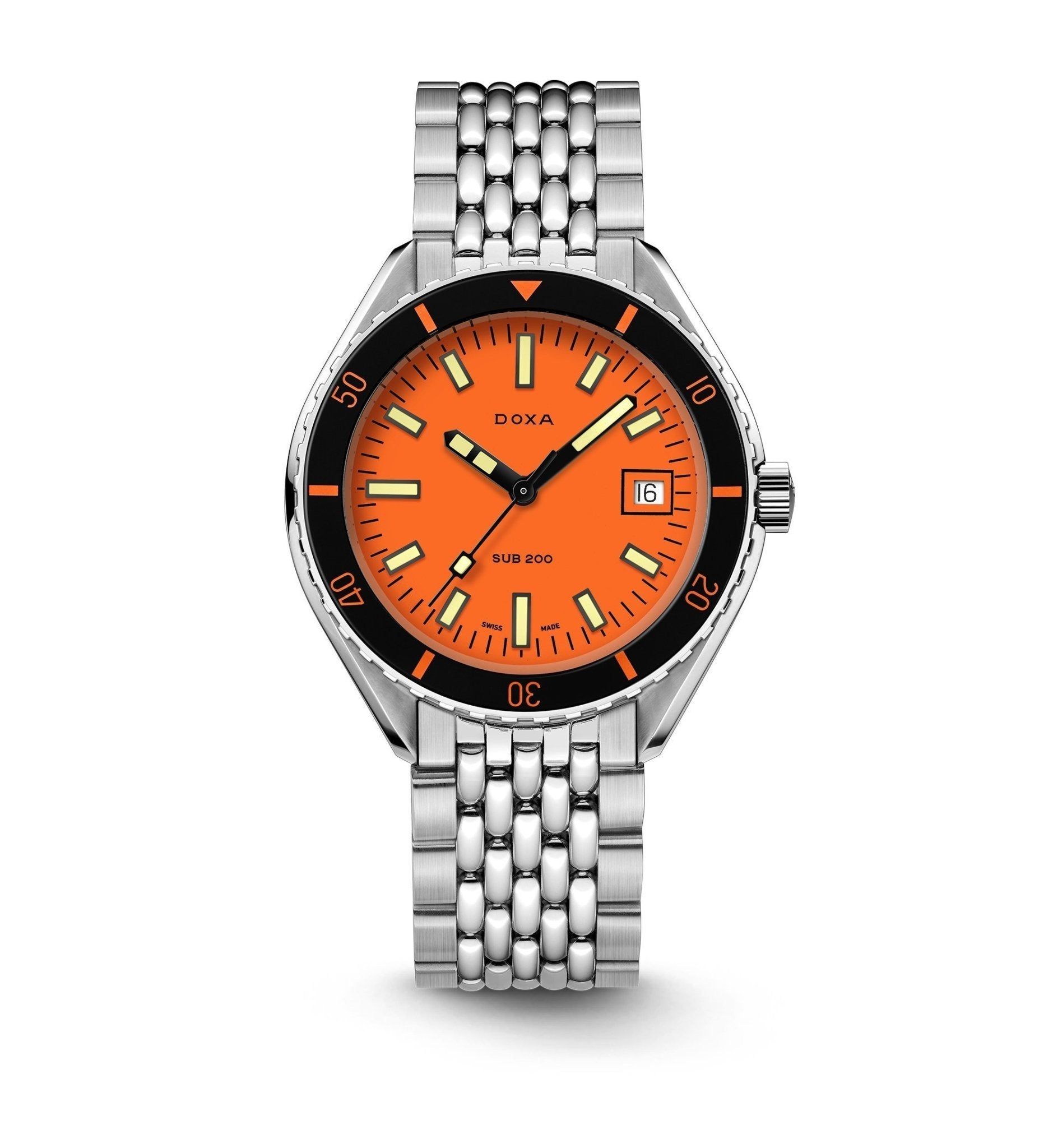
Doxa SUB 200: The Accessible Everyday Diver
By Zach Charles • October 10, 2026
Complete guide to the Doxa SUB 200 — 42mm, 200m, four colorways, Sellita SW200-1. The accessible entry to the Doxa SUB family with the full…
By Zach Charles • October 10, 2026
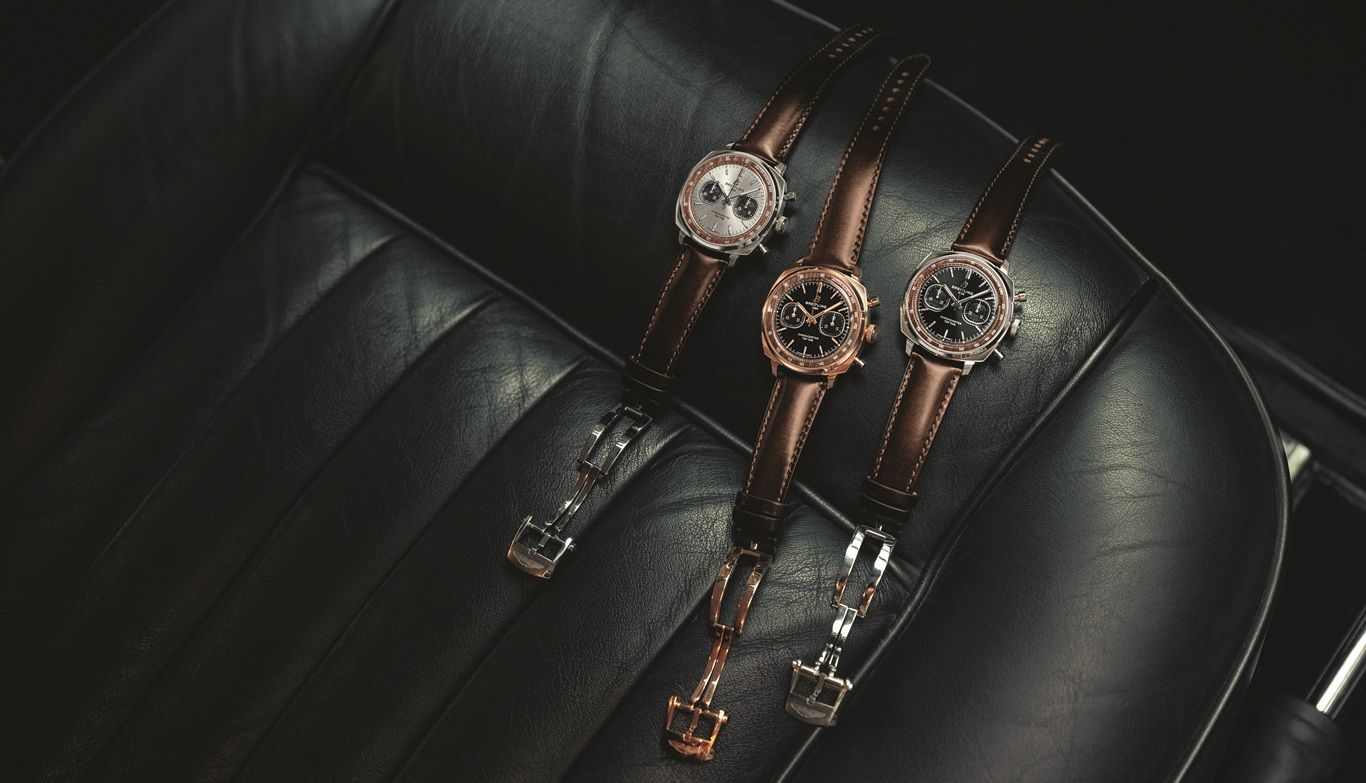
The Breitling Top Time B01 Aston Martin DB5 pairs a cushion-shaped 41mm case, a wooden inner ring and the in-house Caliber 01 across three limited…
By Zach Charles • October 10, 2026
TAG Heuer developed the Mikrograph (2011, 1/100th second), Mikrotimer Flying 1000 (2011, 1/1000th second), and Mikrogirder (2012, 1/2000th second).
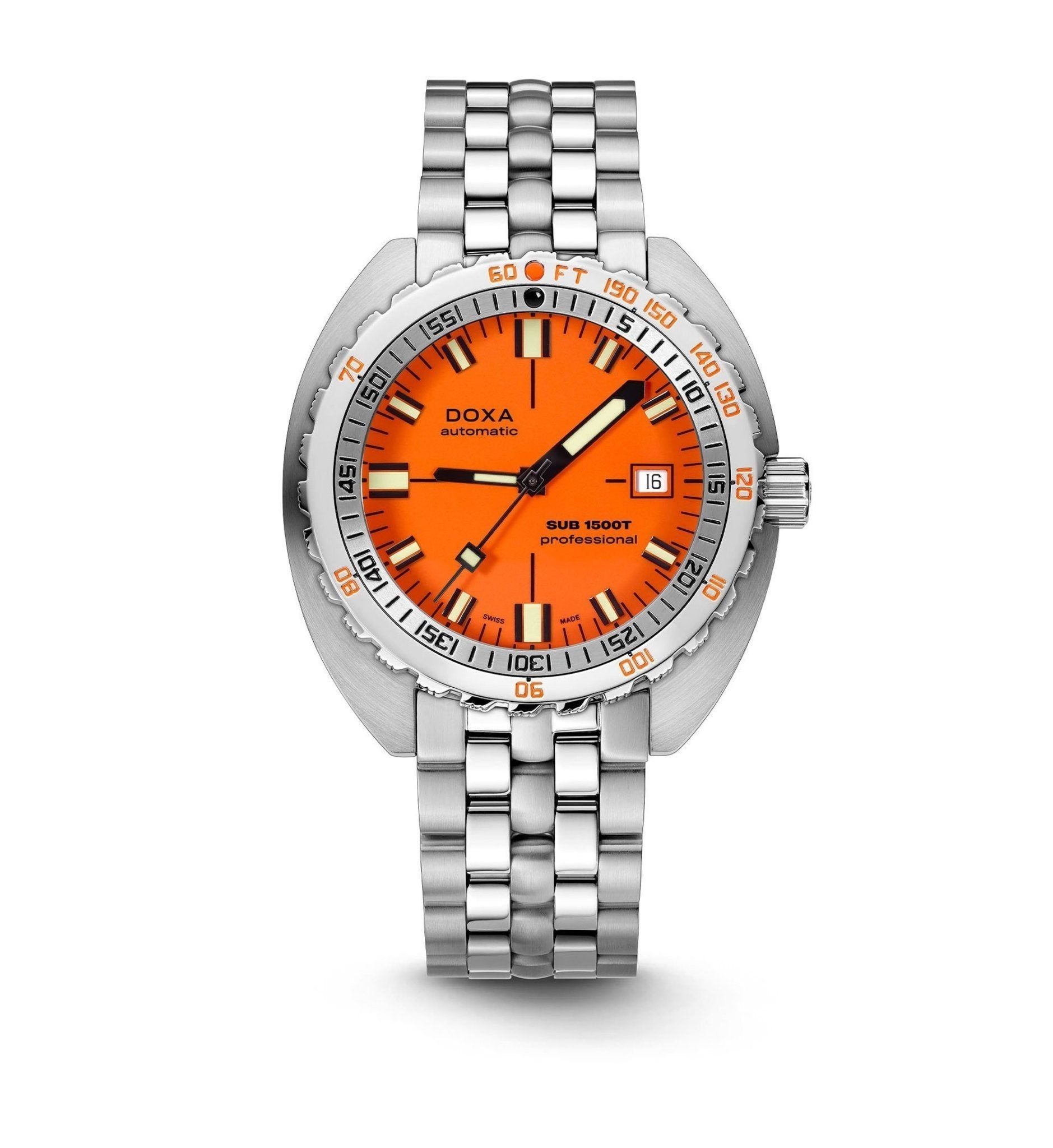
Doxa SUB 1500T: The 1,500-Metre Depth-Rating Flagship
By Zach Charles • October 10, 2026
Complete guide to the Doxa SUB 1500T — 45mm, 1,500m depth rating, helium escape valve, ETA 2892-2 movement, USD 2,690.
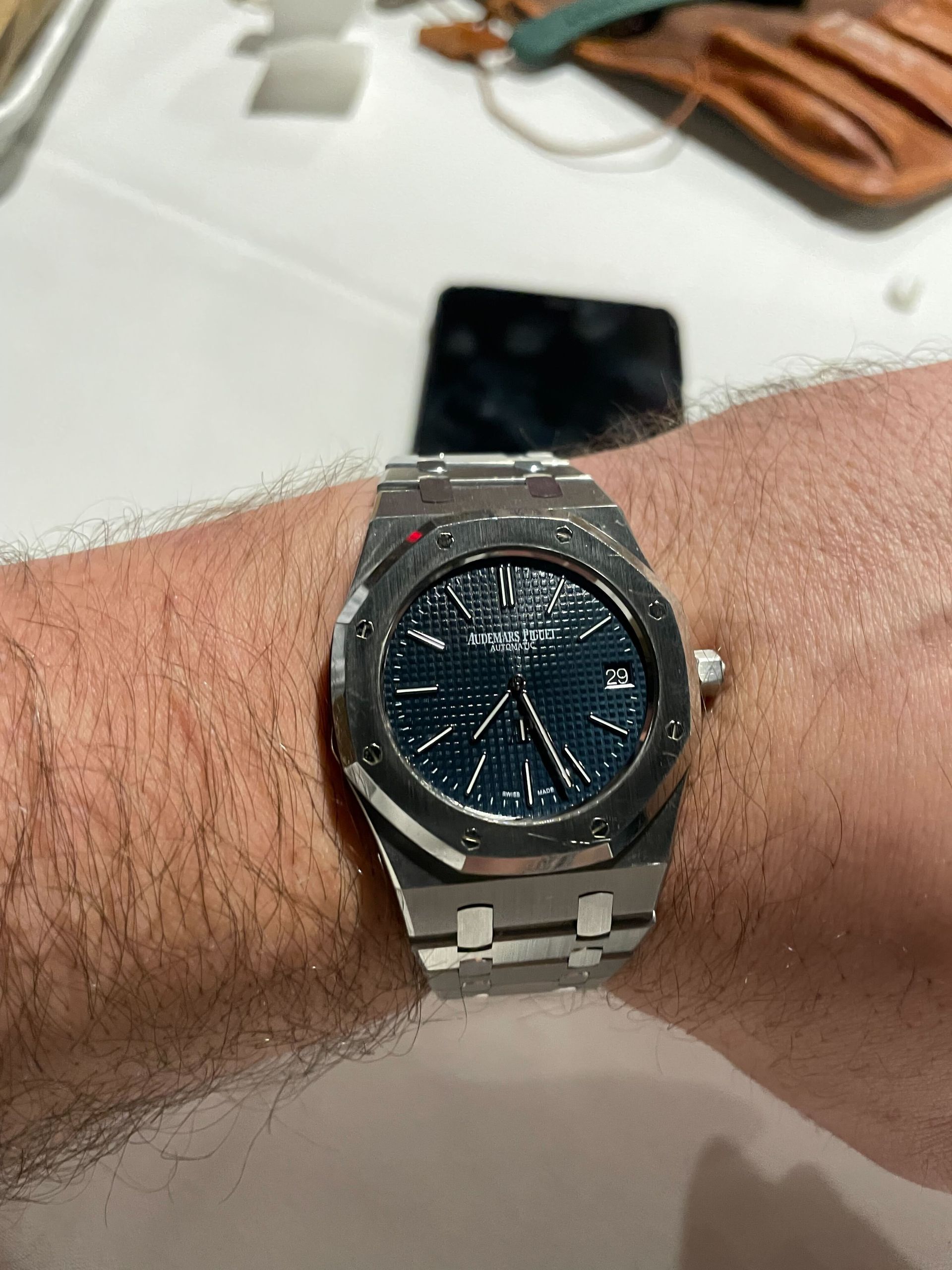
Audemars Piguet Royal Oak 'Jumbo' ref. 15202 with blue tapisserie dial and integrated steel bracelet
By Zach Charles • October 10, 2026
The Audemars Piguet × Swatch Royal Pop is a $400 bioceramic pocket watch in 8 colourways, powered by a new hand-wound SISTEM51 with 90+ hour power…

Time on the Move logo
By Zach Charles • October 10, 2026
Zach Charles is the editor of Time on the Move, an independent watch reference covering brand and model histories, buying guides and release news…
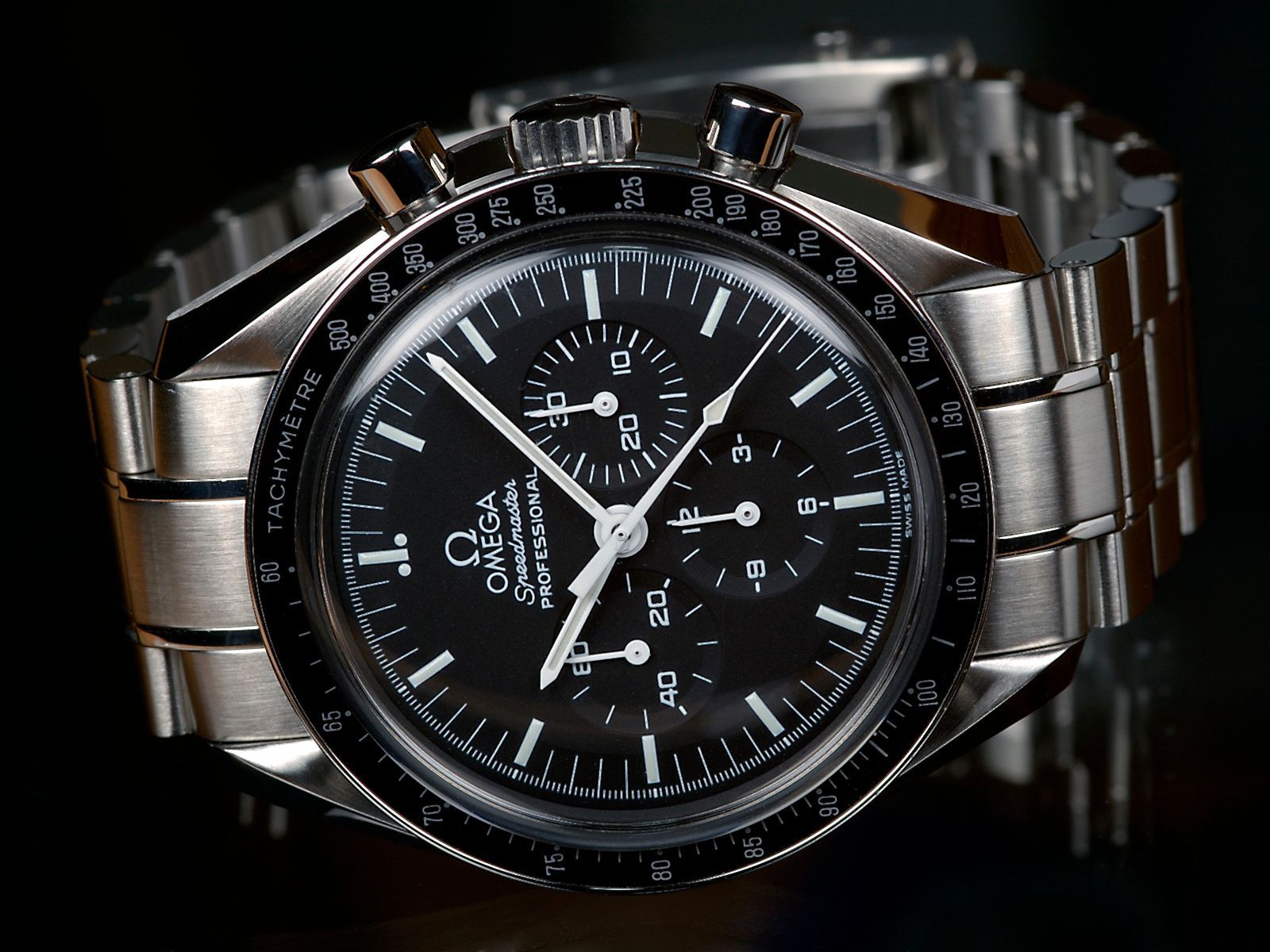
Omega Speedmaster Professional 'Moonwatch' chronograph, front view on steel bracelet
By Zach Charles • October 9, 2026
Find the best watches at every price point from $500 to $15,000 — new and pre-owned. Covers every budget tier with specific reference picks, brand…
By Zach Charles • October 9, 2026
The latest watch news: new releases, Watches and Wonders coverage, discontinuations, industry analysis, and market trends. Currently 1 article.
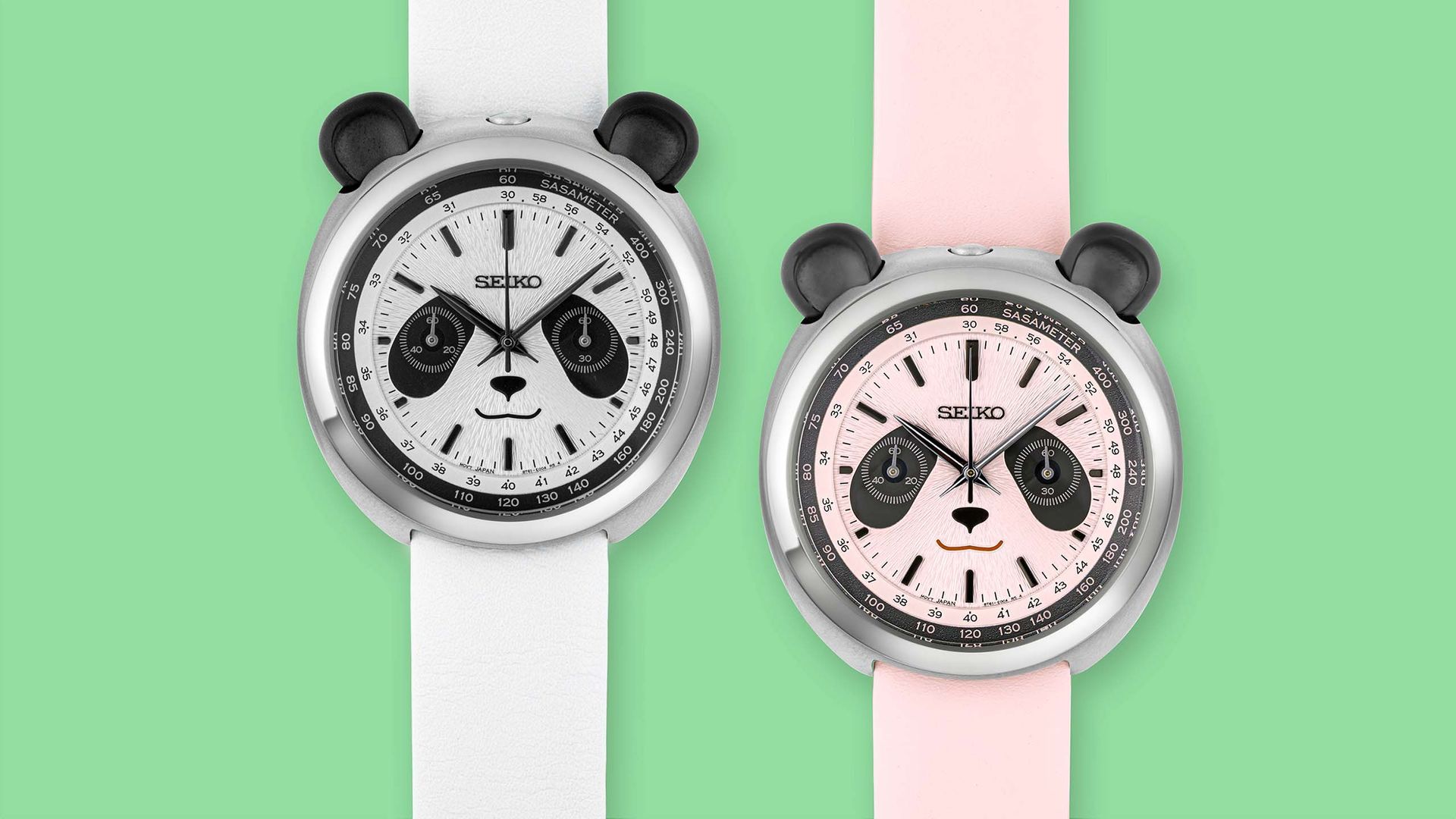
Seiko's New Panda Chronograph Is Literally a Panda: The Power Design Project HHK001 and HHK002
By Zach Charles • October 8, 2026
Seiko's Power Design Project panda chronograph (HHK001, HHK002) turns the panda dial into an actual panda face, with ear pushers, a 'Sasameter' and a 3D…
Show More