
IWC Aquatimer: History of IWC's Dive Watch

Zach Charles • July 18, 2026

Share this article

IWC Aquatimer: History of IWC's Dive Watch

The dive watch category has a standard solution to a specific problem: the diver needs a bezel that can be rotated to mark elapsed time under water, and that bezel must only rotate in one direction — counterclockwise — so that if it moves accidentally during a dive, the elapsed time reading becomes longer rather than shorter. A longer reading errs on the side of safety; a shorter one could lead a diver to believe they have more breathing gas remaining than they do.

This is why virtually every dive watch made since the 1950s has an external rotating bezel. It is an established solution to an established problem, validated by decades of underwater use.

In 1967, IWC Schaffhausen introduced the Aquatimer with the rotating bezel inside the watch — under the crystal, inaccessible from outside, operated by a secondary crown at the 4 o'clock position. This was not an arbitrary design choice. It was a deliberate engineering decision: an internal bezel cannot be accidentally displaced by contact with rocks, ropes, or other underwater hazards. If the bezel cannot be moved accidentally, the one-direction safety requirement becomes less critical — the bezel is protected by the case itself.

The Aquatimer's internal rotating bezel is the defining technical feature of a watch family that has maintained and evolved this solution for over fifty years.


IWC Aquatimer dive watch
An IWC Aquatimer — representative of the dive watch family that in 1967 introduced the internal rotating bezel operated by a secondary crown at 4 o’clock. An internal bezel cannot be accidentally displaced by contact with rocks, ropes, or other underwater hazards — the safety rationale that distinguishes the Aquatimer from every conventional external-bezel dive watch.
Photo: Kossy@FINEDAYS — CC BY 2.0 — Wikimedia Commons
1967 — The First Aquatimer

IWC Aquatimer dive watch
An IWC Aquatimer — representative of the dive watch family that in 1967 introduced the internal rotating bezel operated by a secondary crown at 4 o’clock. An internal bezel cannot be accidentally displaced by contact with rocks, ropes, or other underwater hazards — the safety rationale that distinguishes the Aquatimer from every conventional external-bezel dive watch.
Photo: Kossy@FINEDAYS — CC BY 2.0 — Wikimedia Commons

The original Aquatimer (reference 812 A/D) was IWC's entry into the professional diving watch category that Rolex had established with the Submariner in 1953. By 1967, the dive watch was a defined professional instrument, and the market expected specific specifications: water resistance to at least 200 metres, luminous hands and dial, a timing bezel, robust case construction.

IWC met these specifications and diverged from the category convention in one significant way: the internal bezel. The second crown at 4 o'clock operated a bezel ring visible through the crystal, graduated with a diving scale. The diver set the bezel before descending; timing elapsed underwater was read by consulting the internal scale rather than the external ring. The bezel's location inside the case meant it could not be moved by external contact.

Technical specification, ref. 812:
- Water resistance: 200 metres
- Internal rotating bezel: operated by second crown at 4 o'clock
- Calibre: Cal. 813 (automatic)
- Case: Steel, approximately 37mm

The 1967 Aquatimer was a technically coherent instrument from a manufacturer that understood diving requirements. It did not achieve the commercial dominance of the Rolex Submariner — few watches have — but it established a technical direction that IWC would maintain and develop across six decades.


The Second-Generation Aquatimer (1990s)

IWC Aquatimer dive watch
An IWC Aquatimer — representative of the dive watch family that in 1967 introduced the internal rotating bezel operated by a secondary crown at 4 o’clock. An internal bezel cannot be accidentally displaced by contact with rocks, ropes, or other underwater hazards — the safety rationale that distinguishes the Aquatimer from every conventional external-bezel dive watch.
Photo: Kossy@FINEDAYS — CC BY 2.0 — Wikimedia Commons

The Aquatimer was revised through the 1990s with updated case design and movement technology. The fundamental internal bezel architecture was retained. The case expanded to 42mm, consistent with the general trend toward larger dive watch cases. Updated calibres replaced the original automatics.

The 1990s generation Aquatimer is available on the secondary market at modest prices — a technically competent dive watch from a manufacturer with genuine engineering credentials, available without the vintage premiums that earlier references or more prominent names command.


2009 — The SafeDive System

IWC Aquatimer dive watch
An IWC Aquatimer — representative of the dive watch family that in 1967 introduced the internal rotating bezel operated by a secondary crown at 4 o’clock. An internal bezel cannot be accidentally displaced by contact with rocks, ropes, or other underwater hazards — the safety rationale that distinguishes the Aquatimer from every conventional external-bezel dive watch.
Photo: Kossy@FINEDAYS — CC BY 2.0 — Wikimedia Commons

The most significant technical development in the Aquatimer's history came in 2009 with the introduction of the SafeDive system.

The SafeDive system addresses the interaction between the internal and external bezels. The 2009 Aquatimer introduced an external bezel — visible and accessible from outside — that is mechanically linked to the internal timing ring. Rotating the external bezel drives the internal ring; the internal ring still performs the timing function. The external bezel provides a familiar operational interface — divers accustomed to external bezels find it intuitive — while the internal ring provides protection from accidental displacement.

The SafeDive external bezel operates unidirectionally (counterclockwise only), maintaining the dive watch safety convention. If the external bezel is displaced accidentally by external contact, the internal ring cannot be moved by water pressure or contact — it requires deliberate operation of the crown at 4 o'clock to move independently.

The result is a dual-bezel system that preserves the internal bezel's protection from accidental movement while providing the familiar external bezel interface that most divers expect.


The Cousteau Society Partnerships

IWC Aquatimer dive watch
An IWC Aquatimer — representative of the dive watch family that in 1967 introduced the internal rotating bezel operated by a secondary crown at 4 o’clock. An internal bezel cannot be accidentally displaced by contact with rocks, ropes, or other underwater hazards — the safety rationale that distinguishes the Aquatimer from every conventional external-bezel dive watch.
Photo: Kossy@FINEDAYS — CC BY 2.0 — Wikimedia Commons

IWC's association with the Cousteau Society — the ocean conservation organisation founded by Jacques-Yves Cousteau — has been one of the brand's most sustained and substantive partnerships. Cousteau's underwater exploration programme was among the most prominent in the world from the 1960s through the 1990s, and the association provided the Aquatimer with institutional underwater credentials beyond its technical specification.

Limited editions produced in connection with the Cousteau Society and with individual Cousteau family members have included dial treatments referencing deep-sea environments — the galapagos shark, the ocean in specific blue colourways — and have donated portions of proceeds to conservation work. These editions are among the most sought-after Aquatimer references on the secondary market.

The partnership also produced some of the most visually distinctive Aquatimer references: the Charles Darwin and Galapagos editions (2014) with dial designs referencing the Galapagos Islands ecosystem, in a collection that sold through quickly at original retail.


The Aquatimer Family Today

IWC Aquatimer dive watch
An IWC Aquatimer — representative of the dive watch family that in 1967 introduced the internal rotating bezel operated by a secondary crown at 4 o’clock. An internal bezel cannot be accidentally displaced by contact with rocks, ropes, or other underwater hazards — the safety rationale that distinguishes the Aquatimer from every conventional external-bezel dive watch.
Photo: Kossy@FINEDAYS — CC BY 2.0 — Wikimedia Commons

The current Aquatimer range occupies the 42–46mm size range with the SafeDive dual-bezel system and in-house or third-party calibres depending on reference.

Aquatimer Automatic 42 (IW329001): The accessible entry point. Steel case, 42mm, 300m water resistance, SafeDive system, rubber strap. Movement is the Cal. 32111 in recent production — the same in-house calibre as the Mark XX — with 120-hour power reserve.

Aquatimer Automatic 2000 (IW358002): The depth-specification flagship. 46mm, 2,000m water resistance, helium escape valve. For professional saturation diving rather than recreational use. Cal. 30110 (ETA 2892-A2 base).

Aquatimer Chronograph (IW376805): Dive chronograph with flyback function, 44mm. Combines the Aquatimer's dive specification with elapsed-time measurement beyond the bezel's graduated scale.


IWC Aquatimer vs. Competitors

The Aquatimer occupies a specific position in the dive watch market: above the mid-tier Swiss dive watches (Certina DS Action, Tissot Seastar) in quality and brand positioning, and alongside rather than competing with the Rolex Submariner and Omega Seamaster in the upper tier.

Against the Omega Seamaster 300M: The Seamaster is the Aquatimer's most direct commercial peer — both are high-specification Swiss dive watches at similar price points (approximately $5,000–$7,000 for steel references). The Seamaster's Co-Axial escapement and Master Chronometer certification provide formally documented precision credentials; the Aquatimer's unique internal bezel architecture provides a genuine technical distinction. Movement quality advantage to Omega on documentation; design distinction advantage to IWC.

Against the Rolex Submariner: The Submariner is the reference against which all dive watches are measured. Its secondary market performance, brand recognition, and 70-year heritage make it the category-defining watch. The Aquatimer does not compete with the Submariner commercially — no watch does — but for buyers who want a technically distinctive alternative from an equivalent-quality manufacture, it is a coherent choice.


Frequently Asked Questions

What makes the Aquatimer's bezel different from other dive watches?
The original Aquatimer (1967) placed the rotating timing bezel inside the watch case, under the crystal, operated by a secondary crown at 4 o'clock. This prevented accidental displacement by external contact — a safety feature for diving. The 2009 SafeDive system added an external bezel mechanically linked to the internal ring, combining the familiar external interface with the internal protection.

What is the SafeDive system?
SafeDive is IWC's dual-bezel system introduced in 2009. An external bezel (unidirectional, counterclockwise) is mechanically coupled to the internal timing ring. Rotating the external bezel drives the internal ring. The internal ring cannot be moved by water pressure or accidental contact with external objects — it can only be moved independently via the 4 o'clock crown. This combines intuitive operation with the internal bezel's protection.

What is the Aquatimer Automatic 2000?
The depth-specification flagship, rated to 2,000m water resistance with a helium escape valve for saturation diving. At 46mm with a rubber strap, it is designed for professional diving operations. Most buyers — even serious recreational divers — will not require this specification; the standard Aquatimer Automatic (300m) is more than adequate for all recreational diving.

Are there collectible Aquatimer editions?
Yes, particularly the Cousteau Society limited editions. The Charles Darwin and Galapagos editions from the 2014 Aquatimer Galapagos Islands collection are among the most sought-after. Conservation-partnership editions with distinctive dial designs have sold through quickly at retail and hold value well on the secondary market.

What does the second crown at 4 o'clock do?
It operates the internal rotating bezel. In SafeDive-equipped references, the internal ring can also be driven by the external bezel, but the second crown at 4 o'clock allows independent operation of the internal ring and sets its position precisely.


Related Articles

Recent Posts

By Zach Charles • October 10, 2026
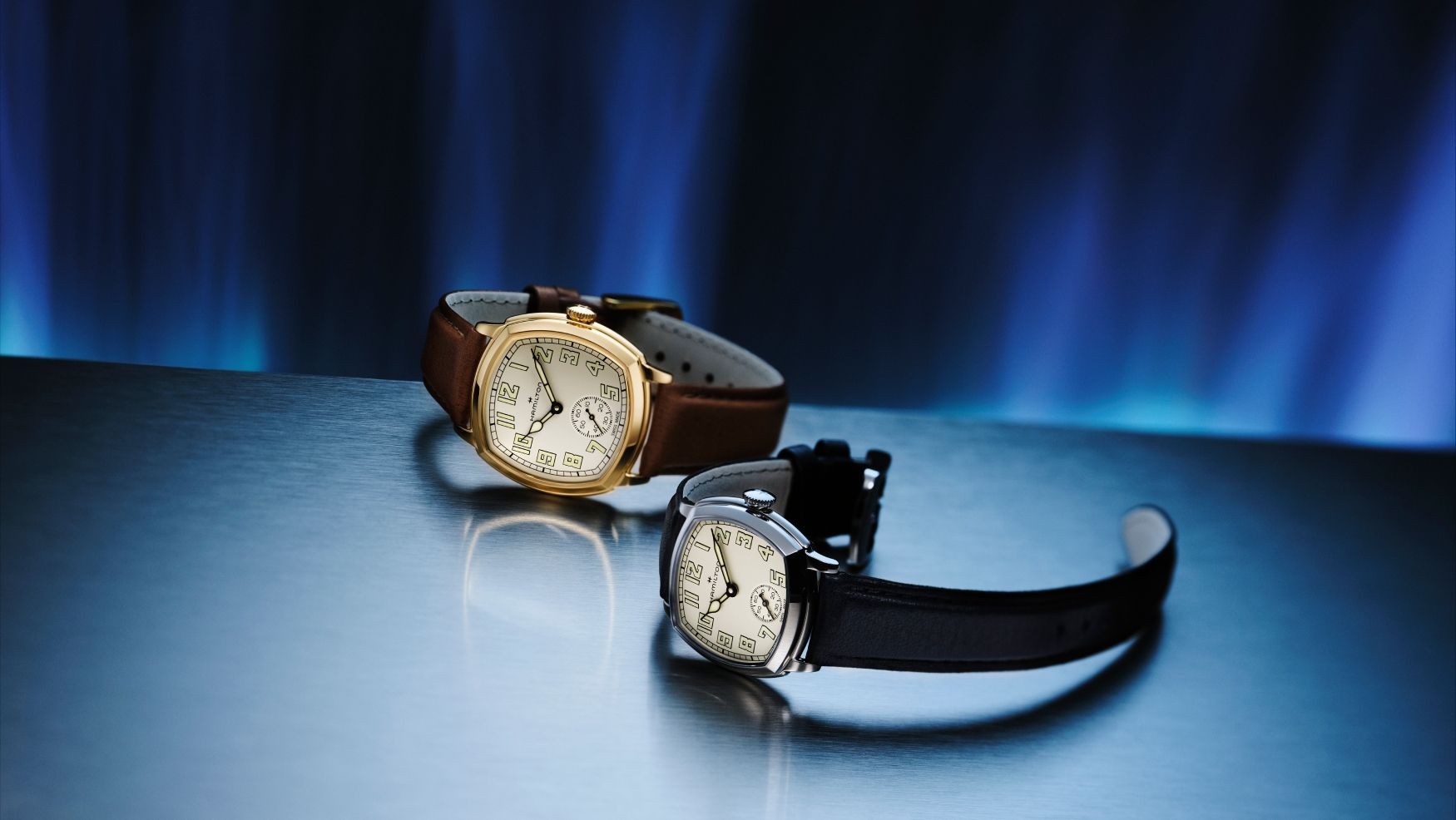
Hamilton's American Classic Cushion Mechanical revives its 1926 Art Deco cushion watches, seen in Oppenheimer, in 30mm and 34mm with the new hand-wound…
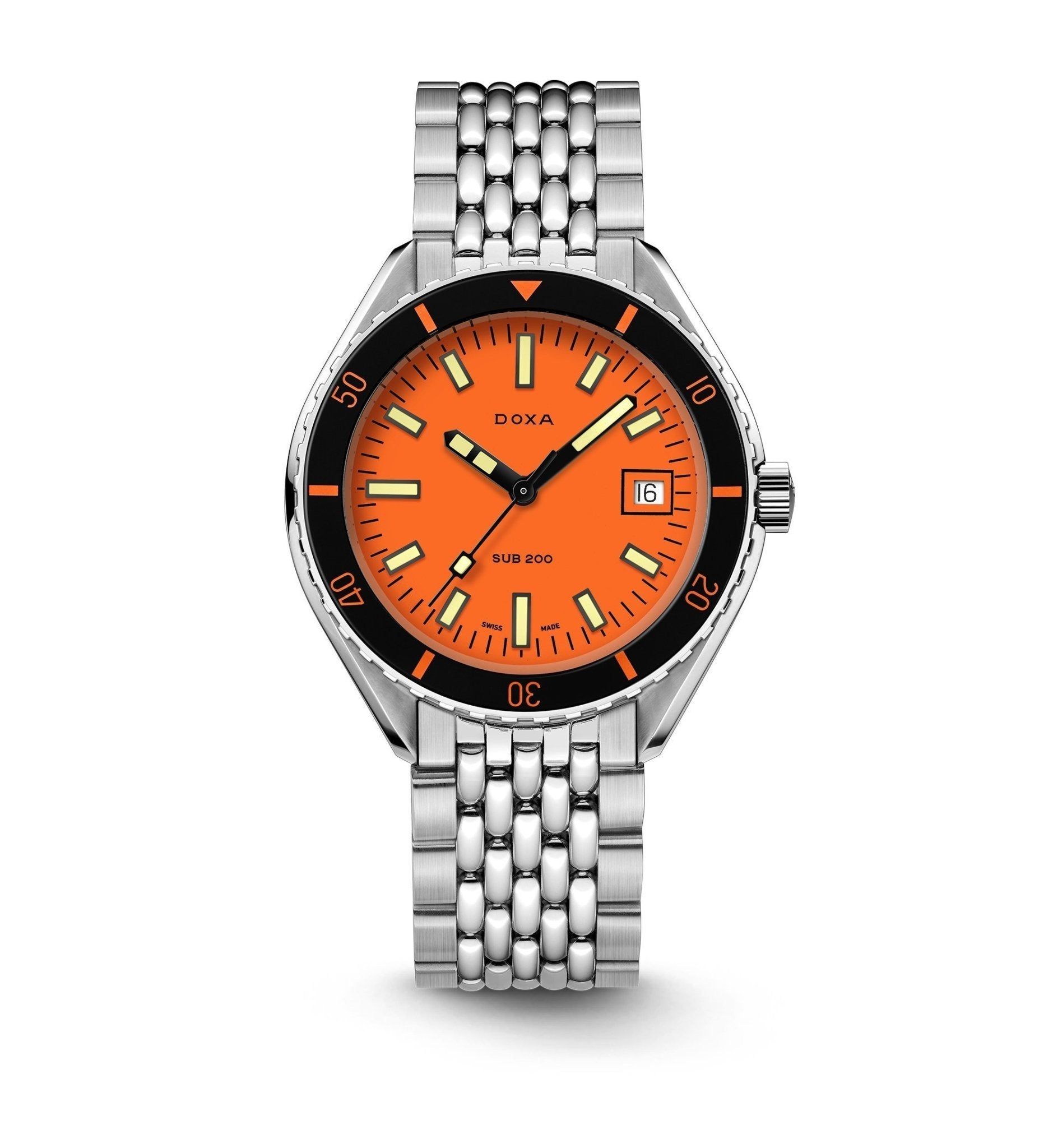
Doxa SUB 200: The Accessible Everyday Diver
By Zach Charles • October 10, 2026
Complete guide to the Doxa SUB 200 — 42mm, 200m, four colorways, Sellita SW200-1. The accessible entry to the Doxa SUB family with the full…
By Zach Charles • October 10, 2026
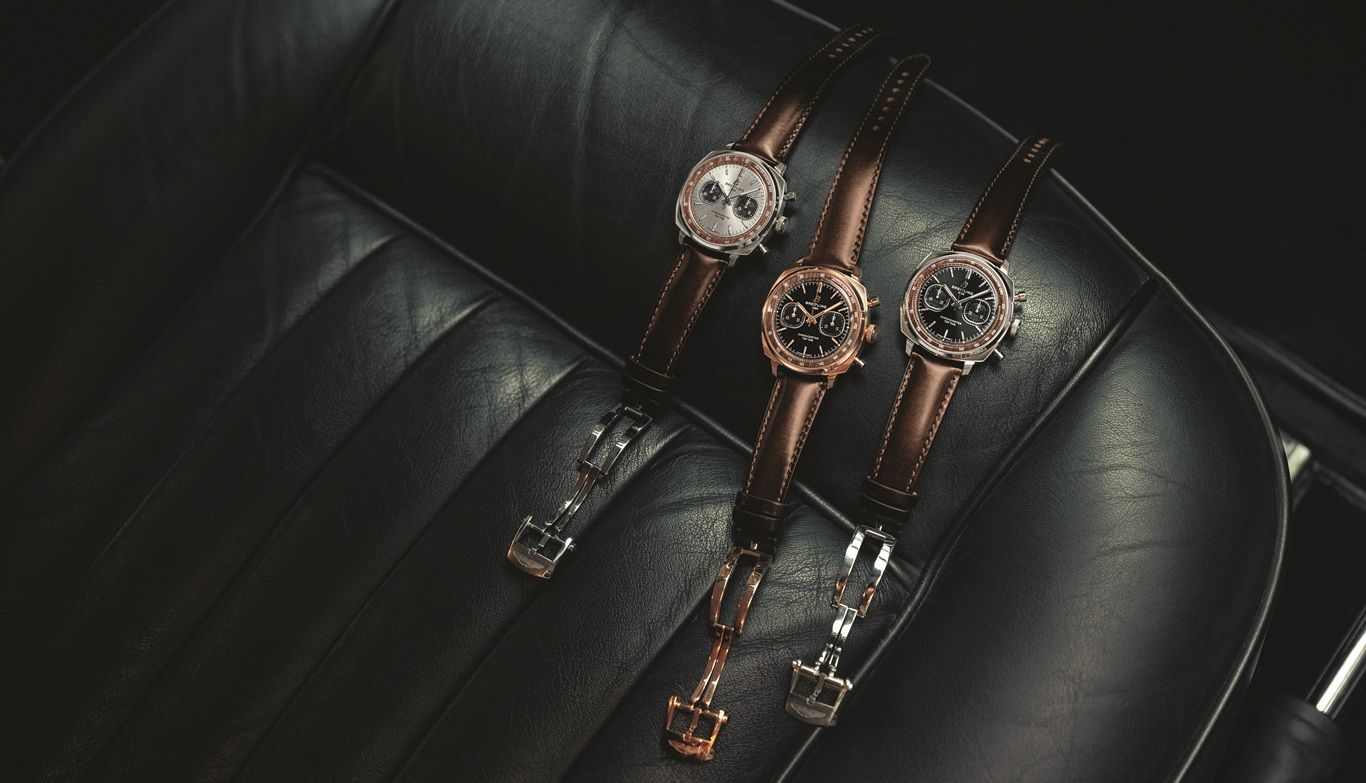
The Breitling Top Time B01 Aston Martin DB5 pairs a cushion-shaped 41mm case, a wooden inner ring and the in-house Caliber 01 across three limited…
By Zach Charles • October 10, 2026
TAG Heuer developed the Mikrograph (2011, 1/100th second), Mikrotimer Flying 1000 (2011, 1/1000th second), and Mikrogirder (2012, 1/2000th second).
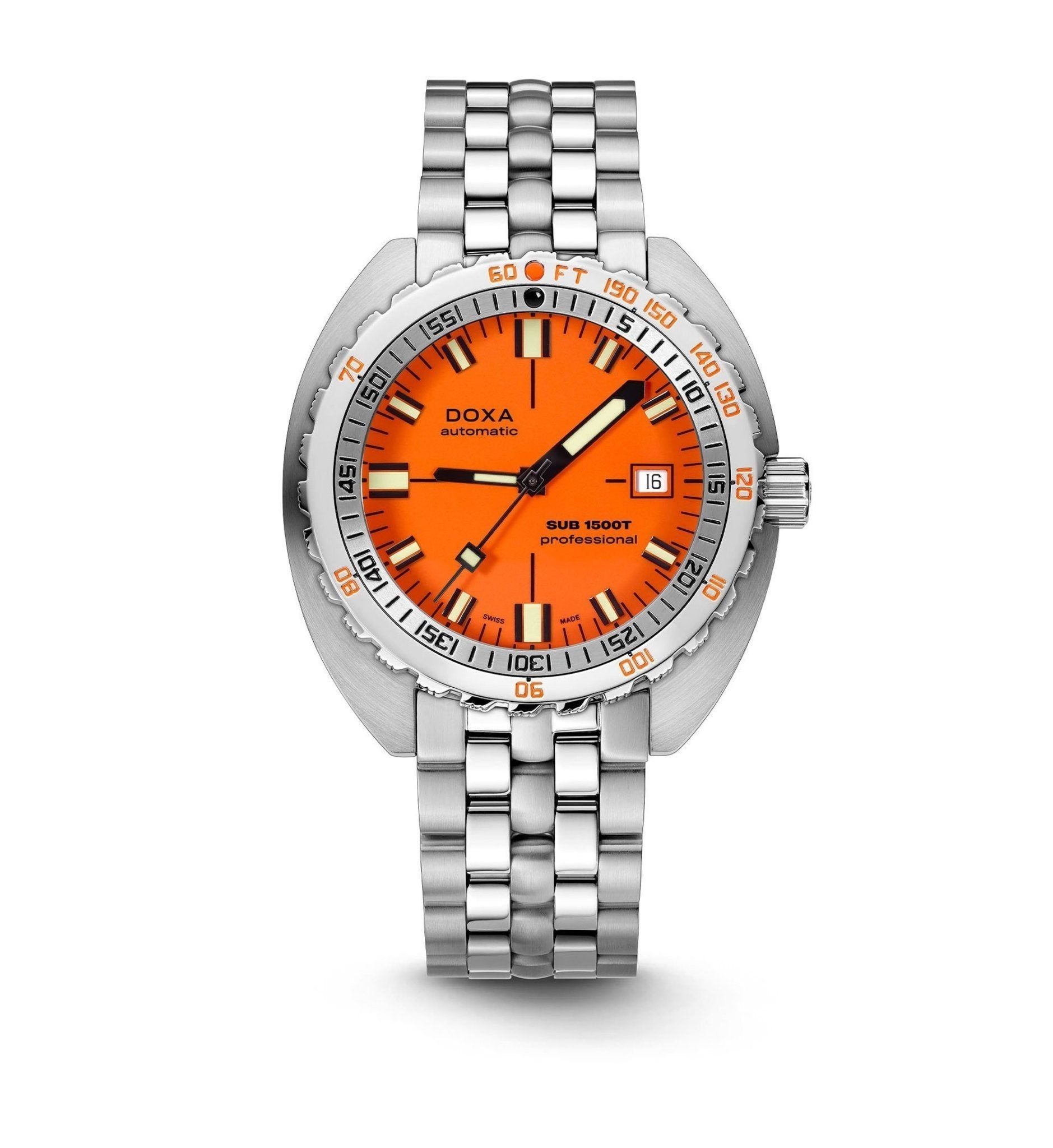
Doxa SUB 1500T: The 1,500-Metre Depth-Rating Flagship
By Zach Charles • October 10, 2026
Complete guide to the Doxa SUB 1500T — 45mm, 1,500m depth rating, helium escape valve, ETA 2892-2 movement, USD 2,690.
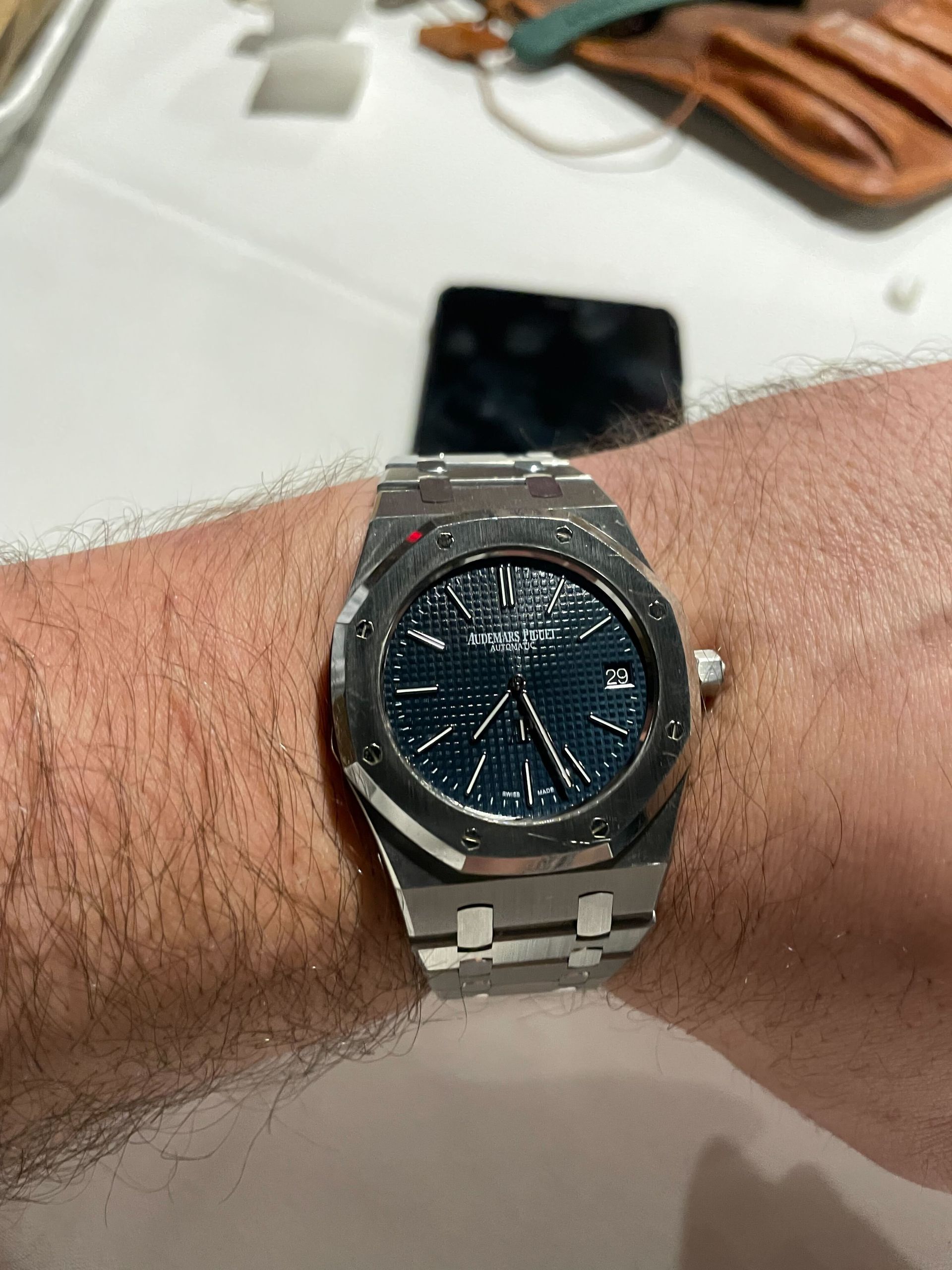
Audemars Piguet Royal Oak 'Jumbo' ref. 15202 with blue tapisserie dial and integrated steel bracelet
By Zach Charles • October 10, 2026
The Audemars Piguet × Swatch Royal Pop is a $400 bioceramic pocket watch in 8 colourways, powered by a new hand-wound SISTEM51 with 90+ hour power…

Time on the Move logo
By Zach Charles • October 10, 2026
Zach Charles is the editor of Time on the Move, an independent watch reference covering brand and model histories, buying guides and release news…
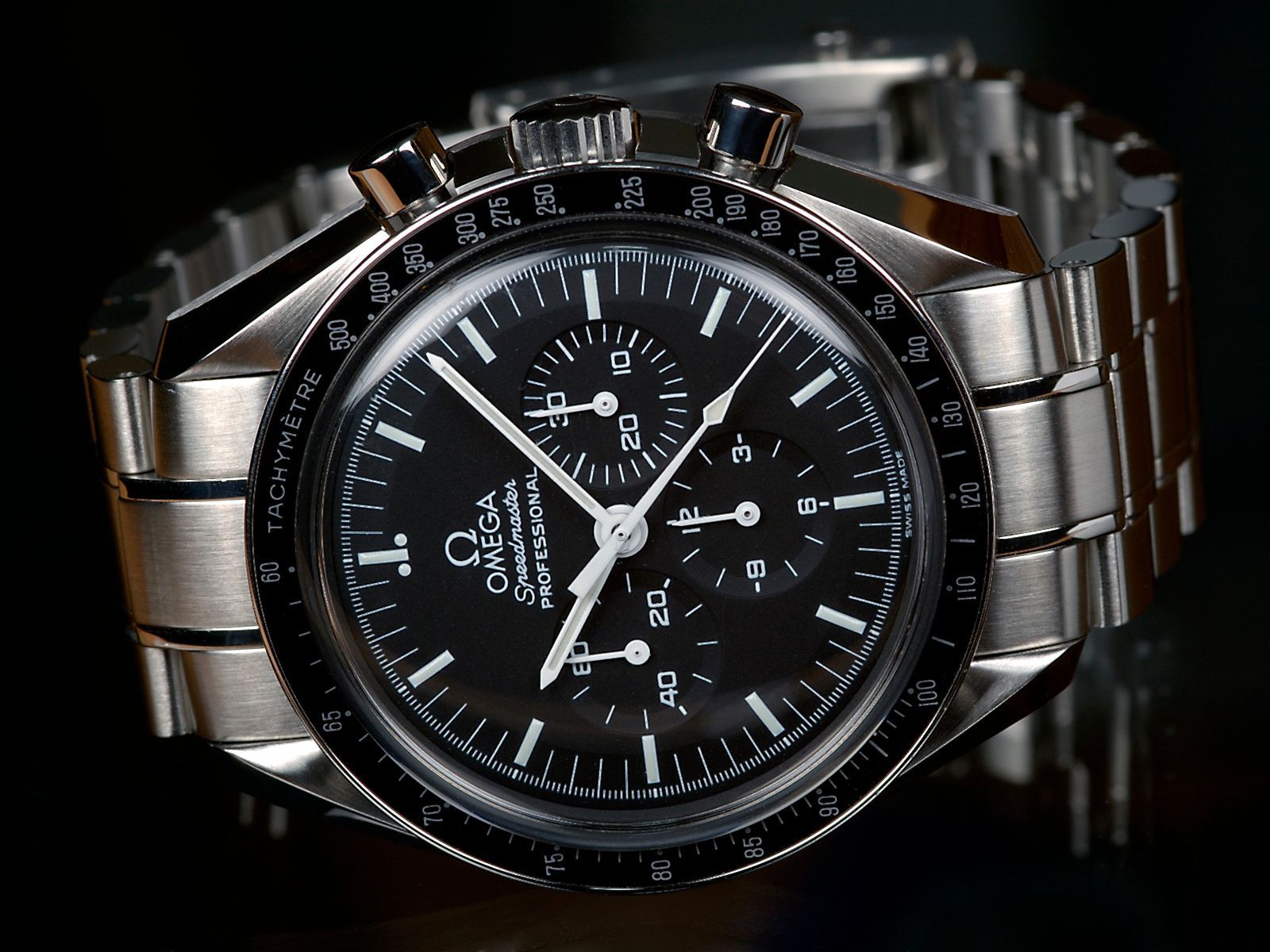
Omega Speedmaster Professional 'Moonwatch' chronograph, front view on steel bracelet
By Zach Charles • October 9, 2026
Find the best watches at every price point from $500 to $15,000 — new and pre-owned. Covers every budget tier with specific reference picks, brand…
By Zach Charles • October 9, 2026
The latest watch news: new releases, Watches and Wonders coverage, discontinuations, industry analysis, and market trends. Currently 1 article.
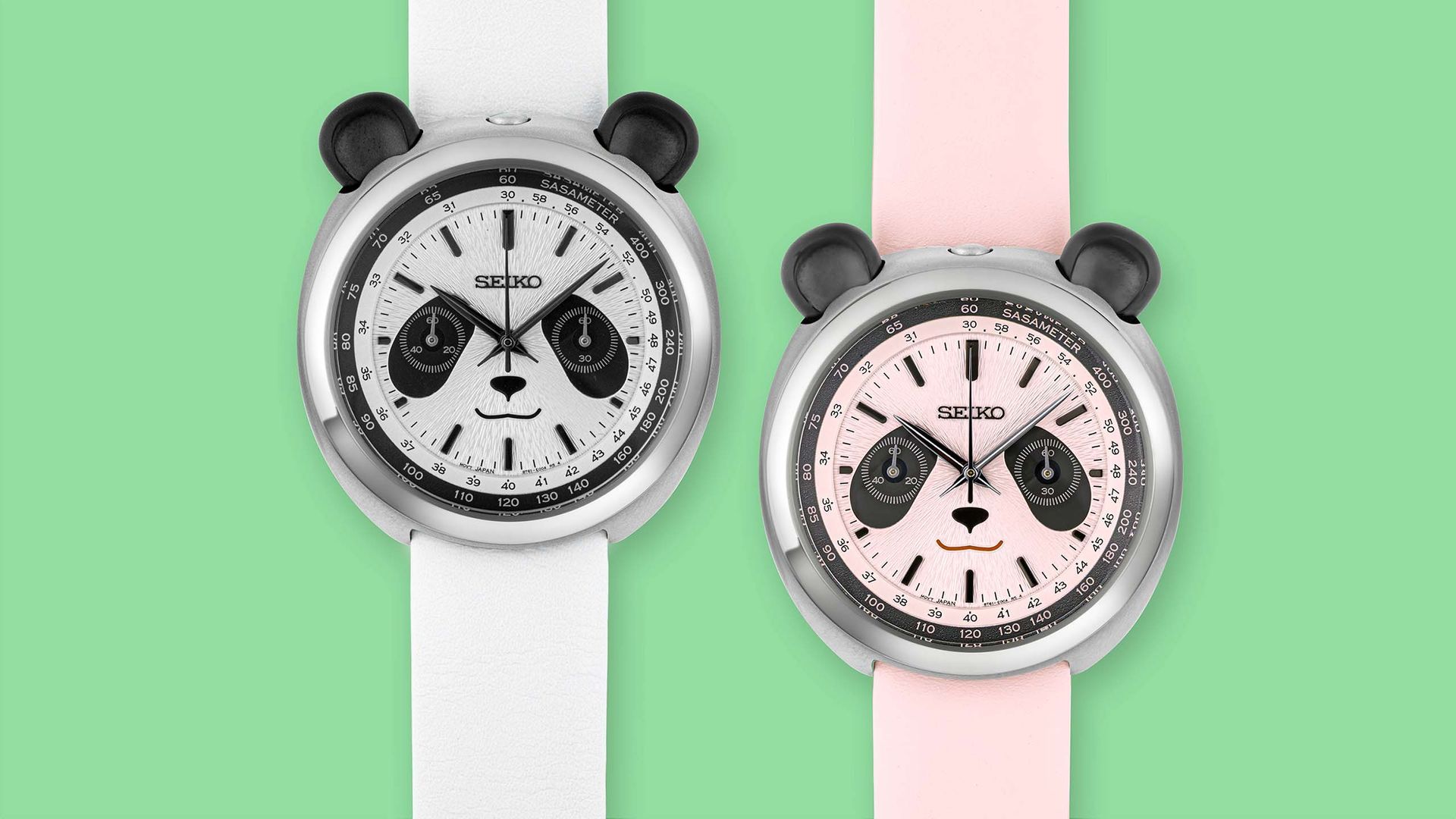
Seiko's New Panda Chronograph Is Literally a Panda: The Power Design Project HHK001 and HHK002
By Zach Charles • October 8, 2026
Seiko's Power Design Project panda chronograph (HHK001, HHK002) turns the panda dial into an actual panda face, with ear pushers, a 'Sasameter' and a 3D…
Show More