
Grand Seiko Nature of Time: Seasonal Dials and the Mitate Tradition

Zach Charles • August 17, 2026

Share this article

Grand Seiko: Nature of Time and Seasonal Dials

Grand Seiko's dials are not illustrations. They do not show landscapes or reproduce photographs. They do not depict the subject they reference. They replicate the optical quality of a specific natural moment — the texture of wind-compacted snow, the shimmer of light on water before spring, the translucency of ice on a frozen lake — and they do so using materials and processes that have their own inherent aesthetic properties.

This approach is rooted in a Japanese aesthetic concept: mitate (見立て) — the art of perceiving one thing in terms of another through imaginative association. A dial is not a snowfield. But a dial finished through 80 steps to replicate the precise visual texture of wind-sculpted snow on a specific mountain range is something that refers to that landscape through craft rather than illustration.

The brand calls this philosophy "The Nature of Time."


Grand Seiko Automatic Hi-Beat watch
A Grand Seiko Automatic Hi-Beat — running at 36,000 vph (10 beats per second), the hi-beat movements deliver improved positional accuracy and a characteristically smooth seconds sweep compared with standard-beat automatics.
Photo: Roland Fischer (Dnalor 01) — CC BY-SA 3.0 AT — Wikimedia Commons

Mitate and the Sekki

Grand Seiko SBGR051 — side view
The Grand Seiko SBGR051 from the side — showing the case thickness and lug profile that result from the Zaratsu polishing process: mirror-finished flat surfaces meeting brushed flanks at a perfectly crisp edge.
Photo: STSPP — CC BY-SA 4.0 — Wikimedia Commons

The conceptual framework for Grand Seiko's seasonal dial programme draws on two related traditions:

Mitate (見立て)
In Japanese poetics and design, mitate is the practice of seeing the essence of one thing expressed in another. A garden rock does not represent a mountain — it holds within itself the quality of a mountain. Applied to watch dials, a Kirazuri-finished surface does not depict moonlight on water — it holds within itself the visual quality of that specific phenomenon.

The 24 Sekki (二十四節気)
Where European traditions divide the year into four seasons, Japanese poetic tradition divides it into 24 sekki — micro-seasons of approximately 15 days each, each with a specific name. The sekki mark transitions in the natural world with precision: the first frost, the point when snow begins to gather in the mountains, the day when resting geese lift again for their migration. Grand Seiko's seasonal edition programme references this tradition — releases are planned around specific sekki, and the dials reference the visual character of that specific 15-day moment rather than a generalised season.


The Dial-Making Processes

Grand Seiko Calibre 9S65 automatic movement
The Grand Seiko Calibre 9S65 automatic movement — a standard-beat automatic at 28,800 vph with 72-hour power reserve, hand-finished to the Grand Seiko standard with machine-striped plates and manually bevelled components.
Photo: STSPP — CC BY-SA 4.0 — Wikimedia Commons

Grand Seiko employs several distinct dial-making techniques, applied individually or in combination depending on the reference:

Silver Plating Over Textured Brass
The technique used for the Snowflake (SBGA211) and related textured dials. A brass plate is pressed with a texture pattern, then silver-plated and finished through over 80 steps. The three-dimensional texture of the pressed brass plate creates variation in how light reflects from the dial surface — peaks catch light differently from recesses, producing the effect of depth and movement that a flat painted dial cannot replicate.

Urushi Lacquer (漆)
Traditional Japanese lacquerwork applied to brass dial blanks. Urushi is the sap of the lacquer tree ( Toxicodendron vernicifluum ), harvested from trees primarily in Iwate Prefecture near Grand Seiko Studio Shizukuishi. Each layer is applied by hand, cured in a humid environment (urushi requires moisture to cure), and polished before the next coat. Multiple layers build up a surface with inherent depth — the material is simultaneously coating and structure.

The Joboji lacquer of Iwate Prefecture — one of the few remaining sources of high-quality Japanese urushi — is used in specific Grand Seiko references, creating a geographic connection between the dial material, the manufacture location, and the natural environment that inspires the design.

Kirazuri (雲母摺)
A technique incorporating mica particles (or similar metallic materials) into or applied over the dial surface. Mica's natural optical property is birefringence — it splits light differently at different viewing angles, creating a shimmering quality that changes as the watch moves. A Kirazuri dial appears to have internal movement: the surface catches light from angles that leave other surfaces matte, creating an impression of luminosity without added material.

Multi-Layer Paint
Some dials require up to 15 separate layers of paint, each applied and polished before the next. This builds up colour gradations, translucency, and depth effects not achievable with single-application techniques. The process is labour-intensive and produces small variations between individual dials — no two are precisely identical.


Named Dials and Collections

Grand Seiko SBGW231 manual-wind — side view
The Grand Seiko SBGW231 manual-wind from the side — powered by Calibre 9S64, the 4.28mm manual-wind movement that underpins the Elegance Collection and represents Grand Seiko’s purest expression of thin-case dress watchmaking.
Photo: STSPP — CC BY-SA 4.0 — Wikimedia Commons
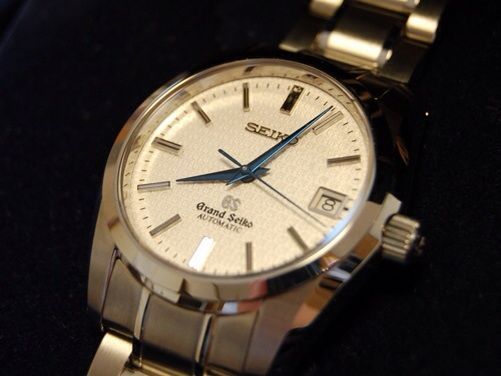
Snowflake (SBGA211)
Silver-plated textured brass. The Hotaka mountain range's wind-compacted snow. Over 80 finishing steps. The watch that introduced the Nature of Time philosophy to international collectors.

White Birch (SLGH002, SLGH005)
White textured dial evoking birch trees in winter — bare white trunks, the particular quality of winter light through a deciduous forest without leaves. First appeared in the 9SA5-powered SLGH002 (100 pieces, 18k gold).

Omiwatari (SBGY007)
"Omiwatari" is the name given to the ridges that form when Lake Suwa in Nagano freezes and the ice surface cracks under its own pressure, pushing up in irregular ridges across the frozen surface. The phenomenon is considered sacred in local tradition — the "crossing of the god." The SBGY007 dial references the ice texture. Movement: Calibre 9R31 Spring Drive manual-wind.

Asaborake (SBGY011)
"Asaborake" — the Japanese word for the indistinct, hazy light just before dawn in winter. The SBGY011 dial references this: a diffused, soft quality of light over snow, before the sun is fully up. Movement: Calibre 9R31 Spring Drive manual-wind.

Hotaka Green (SBGE295)
A green dial referencing the colour of the Hotaka mountains in the growing season — not the white of winter but the particular saturated green of summer alpine vegetation. Part of the SBGE Spring Drive GMT series.

Kirazuri Kishun (SBGW283)
"Kishun" — the beginning of spring. The Kirazuri technique produces a shimmering surface referencing the quality of early spring light — the moment when the landscape begins to show colour again after winter but has not yet committed to the full warmth of the season.


The Seasonal Editions Programme

Grand Seiko SBGR037 with Calibre 9S automatic
The Grand Seiko SBGR037 — a Heritage Collection automatic with Calibre 9S, illustrating the 44GS design language: horizontal brushed dial, applied indices, and the case geometry developed by Taro Tanaka at the Suwa Seikosha studio in 1967.
Photo: Hiroaki Kikuchi (Torajiro) — CC BY-SA 3.0 — Wikimedia Commons

Beyond named watches, Grand Seiko produces ongoing limited editions tied to specific sekki throughout the year. Each edition:

  • References a specific moment in the Japanese seasonal calendar
  • Uses a dial technique appropriate to the visual quality of that moment
  • Is released in quantities typically ranging from a few hundred to a few thousand pieces
  • Carries a Japanese seasonal name on the dial or caseback

The programme means that Grand Seiko's catalogue changes in texture across the year — spring releases carry the quality of spring light; winter releases carry the quality of winter stillness. The connection between the watch and a specific moment in time is the point.


The Studios' Natural Environments

Grand Seiko Automatic Hi-Beat watch
A Grand Seiko Automatic Hi-Beat — running at 36,000 vph (10 beats per second), the hi-beat movements deliver improved positional accuracy and a characteristically smooth seconds sweep compared with standard-beat automatics.
Photo: Roland Fischer (Dnalor 01) — CC BY-SA 3.0 AT — Wikimedia Commons
The two manufacture locations are not incidental to the dial programme — they are its source.

Shinshu Watch Studio (Shiojiri, Nagano): The Hotaka and Jonen ranges are visible from the studio. The snow on those peaks in winter inspired the Snowflake. The summer green of those mountains inspired Hotaka Green. The texture of Lake Suwa's ice (within the same Nagano geography) inspired Omiwatari.

Grand Seiko Studio Shizukuishi (Iwate Prefecture): The Ou Mountains, the Shizukuishi plateau, the deciduous forests of northern Honshu — the seasonal transitions in Iwate are dramatic, with heavy snow winters and vivid autumns. The urushi from Joboji in Iwate connects the dial material directly to the studio's landscape.


Frequently Asked Questions

What is Grand Seiko's "Nature of Time" philosophy?
A brand philosophy connecting watch dial design to specific natural moments in Japan — rooted in the Japanese aesthetic concept of mitate (perceiving one thing in another) and the 24 sekki (micro-seasons). Dials do not illustrate landscapes; they replicate the optical quality of specific natural phenomena through craft.

What is mitate?
A Japanese aesthetic concept — the art of perceiving the essence of one thing expressed in another. Applied to dial design: a textured dial does not depict snow but holds within itself the visual quality of wind-compacted snow on a specific mountain range.

What is the Kirazuri technique?
A dial finishing technique incorporating mica particles that create a shimmering surface changing character at different viewing angles. The mica's natural optical properties (birefringence) produce an impression of internal luminosity and movement.

What is the Omiwatari?
A natural phenomenon on Lake Suwa in Nagano — ridges that form when the lake's frozen surface cracks under pressure and pushes up. The SBGY007 dial references the ice texture of this phenomenon, considered sacred in local tradition.

What are the 24 sekki?
The Japanese poetic division of the year into 24 micro-seasons of approximately 15 days each — marking specific transitions in the natural world. Grand Seiko's seasonal edition programme references this tradition, releasing dials that correspond to specific 15-day natural moments.


Related Articles

Recent Posts

By Zach Charles • October 10, 2026
Hamilton's American Classic Cushion Mechanical revives its 1926 Art Deco cushion watches, seen in Oppenheimer, in 30mm and 34mm with the new hand-wound…
Doxa SUB 200: The Accessible Everyday Diver
By Zach Charles • October 10, 2026
Complete guide to the Doxa SUB 200 — 42mm, 200m, four colorways, Sellita SW200-1. The accessible entry to the Doxa SUB family with the full…
By Zach Charles • October 10, 2026
The Breitling Top Time B01 Aston Martin DB5 pairs a cushion-shaped 41mm case, a wooden inner ring and the in-house Caliber 01 across three limited…
By Zach Charles • October 10, 2026
TAG Heuer developed the Mikrograph (2011, 1/100th second), Mikrotimer Flying 1000 (2011, 1/1000th second), and Mikrogirder (2012, 1/2000th second).

Doxa SUB 1500T: The 1,500-Metre Depth-Rating Flagship
By Zach Charles • October 10, 2026
Complete guide to the Doxa SUB 1500T — 45mm, 1,500m depth rating, helium escape valve, ETA 2892-2 movement, USD 2,690.

Audemars Piguet Royal Oak 'Jumbo' ref. 15202 with blue tapisserie dial and integrated steel bracelet
By Zach Charles • October 10, 2026
The Audemars Piguet × Swatch Royal Pop is a $400 bioceramic pocket watch in 8 colourways, powered by a new hand-wound SISTEM51 with 90+ hour power…

Time on the Move logo
By Zach Charles • October 10, 2026
Zach Charles is the editor of Time on the Move, an independent watch reference covering brand and model histories, buying guides and release news…
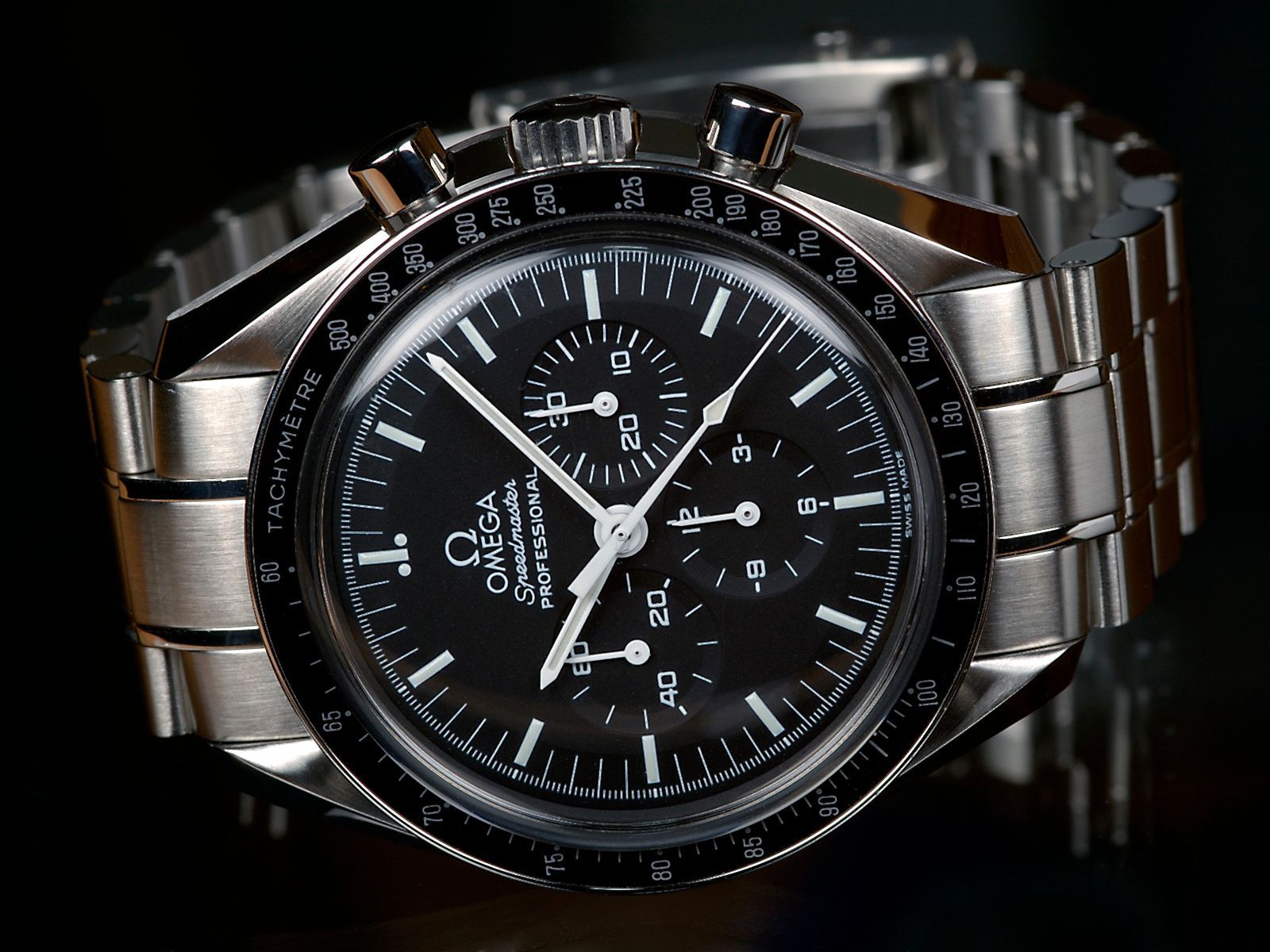
Omega Speedmaster Professional 'Moonwatch' chronograph, front view on steel bracelet
By Zach Charles • October 9, 2026
Find the best watches at every price point from $500 to $15,000 — new and pre-owned. Covers every budget tier with specific reference picks, brand…
By Zach Charles • October 9, 2026
The latest watch news: new releases, Watches and Wonders coverage, discontinuations, industry analysis, and market trends. Currently 1 article.
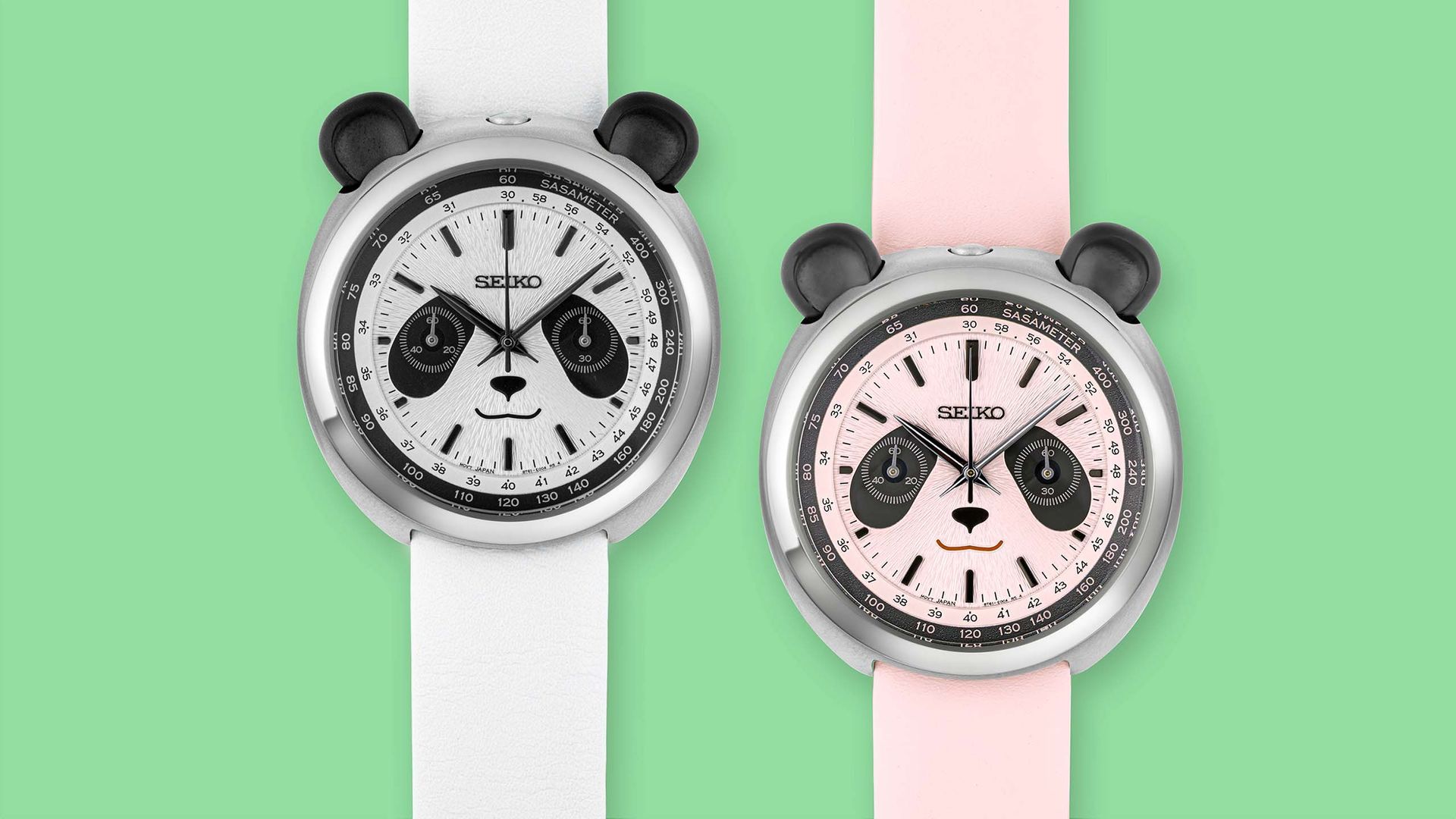
Seiko's New Panda Chronograph Is Literally a Panda: The Power Design Project HHK001 and HHK002
By Zach Charles • October 8, 2026
Seiko's Power Design Project panda chronograph (HHK001, HHK002) turns the panda dial into an actual panda face, with ear pushers, a 'Sasameter' and a 3D…
Show More