Jaeger-LeCoultre Rendez-Vous: The Women’s Collection with Moon Phase and Celestial
Jaeger-LeCoultre Rendez-Vous: The Women's Collection
The Reverso is one of the most recognisable watch designs in history, but it is a rectangular Art Deco case with a mechanism designed for polo. It is beloved by many women, but its design DNA is emphatically not feminine. For decades, Jaeger-LeCoultre's women's offering was primarily the Reverso in smaller sizes and precious metals, supplemented by the Calibre 101 jewellery watches.
The Rendez-Vous , launched in 2012 , addressed the gap directly: a round case, proportioned for slender wrists, housing in-house movements with genuine complications — not simplified versions of men's movements, but calibres developed with the Rendez-Vous in mind. The collection occupies the position in JLC's women's line that the Reverso cannot: the classically feminine, complications-forward dress watch.
Photo: Provo rossi — CC BY 4.0 — Wikimedia Commons
Launch — 2012
Photo: Tiberido — CC BY-SA 4.0 — Wikimedia Commons
The Rendez-Vous launched in 2012 as a round-case collection positioned explicitly for women. The design rationale was clear: JLC observed that the Reverso, while worn by many women, is not designed around feminine aesthetics. A round watch with smaller case diameter, a softer lug geometry, and movements developed specifically for the collection would reach a different buyer.
The launch was accompanied by Calibre 967A — developed in-house specifically for the Rendez-Vous. Creating a dedicated women's movement was unusual for a Swiss manufacture at the time: most women's complications were derived from men's calibres reduced in size. The 967A was designed from the outset for the Rendez-Vous case architecture, ensuring both the complication display and the case proportions were optimised together.
Calibre 967A — The Dedicated Women's Movement
Photo: Ghilt — CC BY-SA 3.0 — Wikimedia Commons
Calibre 967A specifications:
- Type: Automatic
- Developed: in-house at Le Sentier
- Application: Rendez-Vous launch collection
- Designed specifically for the Rendez-Vous case architecture
The significance of a dedicated calibre for a women's collection goes beyond marketing. A movement designed for a specific case diameter and height can be optimised for that geometry — the dial layout, complication placement, and winding efficiency are all better when the movement and case are designed together rather than when a reduced men's calibre is adapted to a smaller space.
Key References and Models
Photo: Clyde94 — CC BY-SA 4.0 — Wikimedia Commons
Rendez-Vous Classic: The entry-level Rendez-Vous — 34mm case, time-only or with a date complication, 8.52mm thick. Available in multiple metals and dial configurations. The foundation of the collection.
Rendez-Vous Classic Night & Day: The most commercially successful complication in the Rendez-Vous line. A day/night indicator — a disc at 6 o'clock transitioning between sun (day) and moon (night) — tells the wearer at a glance whether it is AM or PM. References include Q3468110, Q3468130, Q3468410, Q3468430 (34mm) and Q3448110, Q3448430 (slightly larger). The Night & Day is a practical complication with a legible, poetic display.
Rendez-Vous Moon (Celestial variants):
The most technically ambitious Rendez-Vous — Calibre 809
, featuring a rotating celestial map that tracks the actual sky visible from the watch's reference latitude. The movement displays:
- A rotating star map (corrected for actual celestial position)
- A moonphase indicator
- Day/night display
The celestial map rotates to reflect the actual night sky — the kind of astronomical complication that JLC has explored since the Atmos, applied here to a women's dress watch.
Rendez-Vous Dazzling: Diamond-set case and bracelet variants, positioning the Rendez-Vous within the high-jewellery segment.
Night & Day — The Practical Complication
Photo: LeCoultre & Co. — Public Domain — Wikimedia Commons
The day/night indicator is a complication that does one thing: it tells the wearer whether the current time is AM or PM. This sounds trivially simple, but it addresses a genuine problem in watch use — on a 12-hour dial without an additional indicator, 7:00 and 19:00 are visually identical.
The Rendez-Vous Night & Day solves this with a disc at 6 o'clock. When the disc shows the sun, it is daytime; when it shows the moon, it is night. The transition — the disc rotating from one to the other — occurs at noon and midnight. The complication is legible without numerals or additional indicators, which suits the Rendez-Vous's restrained dial layout.
The Night & Day is not a new complication — it has appeared in watches for centuries — but its application to a women's collection at JLC's price point represents a considered editorial choice: a complication with genuine utility presented in a format that complements the watch's aesthetic rather than overwhelming it.
The Celestial Complication (Calibre 809)
Photo: Provo rossi — CC BY-SA 4.0 — Wikimedia Commons
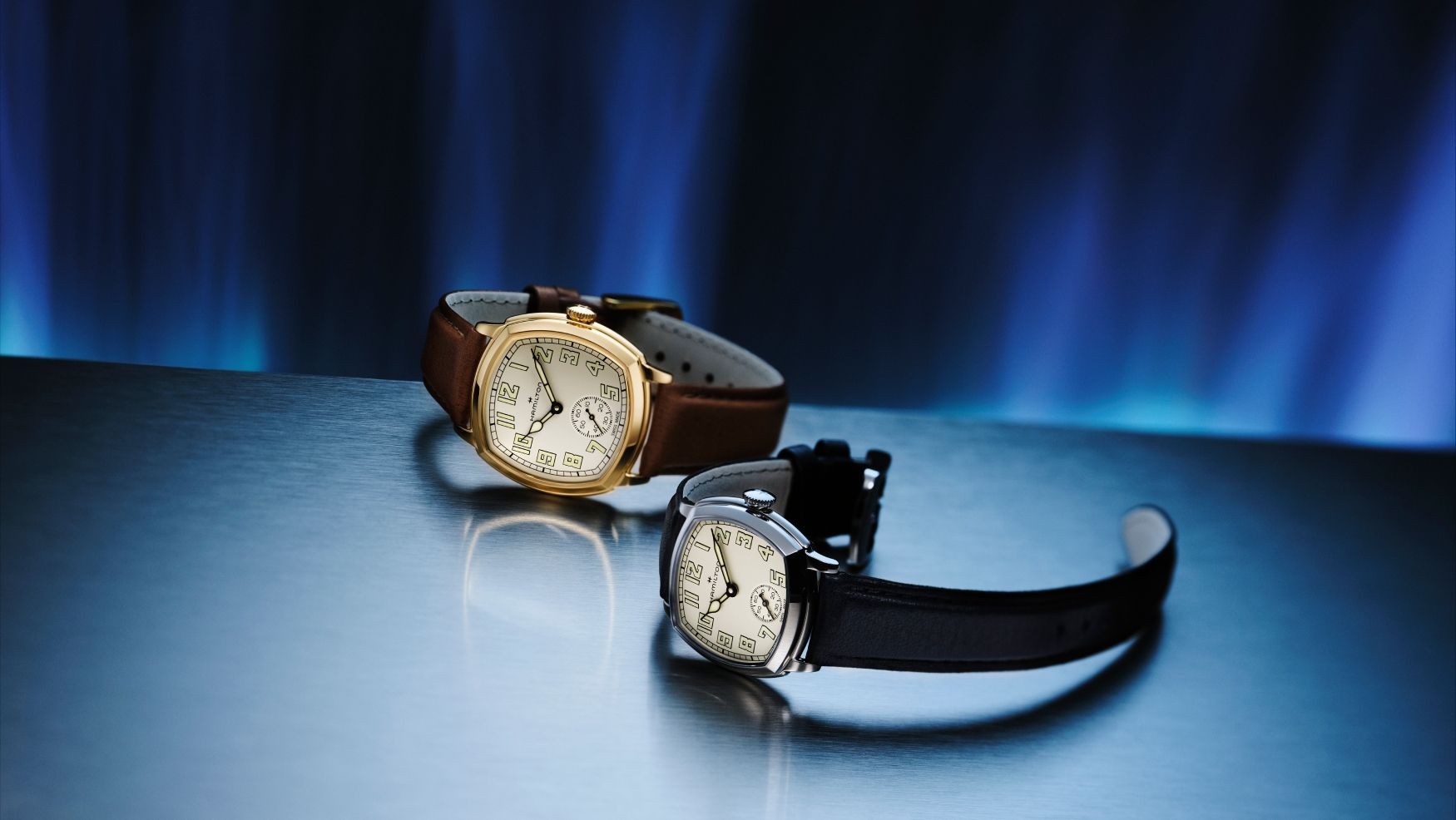
The celestial Rendez-Vous uses Calibre 809 — a movement with a rotating celestial map that tracks the actual position of the visible sky.
The celestial map rotates in sync with the Earth's rotation, corrected for the difference between solar time and sidereal time (the time system based on the Earth's rotation relative to the stars rather than the sun). The disc shows the constellation positions as they actually appear in the sky above a reference latitude.
This level of astronomical complexity in a women's collection is unusual. The Patek Philippe Celestial (ref. 5102, men's) and Vacheron Constantin's Celestia are the most direct comparables — both at significantly higher price points. The Rendez-Vous Celestial positions JLC as the accessible entry point for genuine astronomical watchmaking in a feminine dress watch format.
Market Positioning
Versus the Patek Philippe Twenty~4: The Twenty~4 occupies similar price territory and targets a similar demographic — women who want a manufacture-quality watch designed specifically for them. The Twenty~4's design philosophy is the integrated bracelet watch (the rectangular 4910) or the round sports-casual (the 7300 automatic); complications are secondary to the collection's identity as all-day wear. The Rendez-Vous, by contrast, is complications-forward — the Night & Day and celestial variants are central to the collection's appeal rather than additions to a bracelet watch.
Versus the AP Royal Oak for women: The Royal Oak women's references share the men's integrated-bracelet sports identity. The Rendez-Vous is a dress watch — classically feminine case proportions, complications that reference time and the sky rather than sports timing.
JLC's position: The Rendez-Vous targets the buyer who wants a genuine horological complication in a women's dress watch — not a jewellery piece with a movement inside, but a watch with a complication that justifies attention. The calibres developed for the Rendez-Vous ensure that the collection's complications are real, not decorative.
Collector Position
The Rendez-Vous occupies the middle tier of JLC's women's market — above the simple Calibre 101 jewellery watches in horological content, below the Reverso grand complications in price and complexity. Pre-owned values are stable for the Night & Day and Classic references; the Celestial variants, being more technically complex and produced in smaller volumes, attract more sustained collector interest.
The collection's relatively recent introduction (2012) means vintage examples do not yet carry the historical premium of the Reverso, but the Night & Day references have established a consistent secondary market.
Frequently Asked Questions
When was the Rendez-Vous launched?
2012, as JLC's dedicated round-case women's collection — filling a gap that the rectangular Reverso, however beloved, could not address. The launch included the dedicated in-house Calibre 967A.
What complications does the Rendez-Vous offer?
The Night & Day (day/night disc indicator), the Celestial (rotating star map and moonphase, Calibre 809), and the Classic (time-only and date). High-jewellery Dazzling variants offer diamond-set cases and bracelets.
What is the Rendez-Vous Night & Day?
A day/night indicator at 6 o'clock — a disc showing sun (AM) or moon (PM) that transitions at noon and midnight. A practical complication that eliminates the AM/PM ambiguity of a 12-hour dial without additional indicators.
What is Calibre 809?
The movement used in the Rendez-Vous Celestial variants — an in-house calibre with a rotating celestial map that tracks the actual position of the night sky relative to a reference latitude. Also displays moonphase.
How does the Rendez-Vous compare to the Patek Twenty~4?
Both are manufacture-quality women's collections. The Twenty~4 is designed as all-day wear with an integrated bracelet identity (rectangular 4910) or sports-casual (round 7300 automatic). The Rendez-Vous is complications-forward — its Night & Day and Celestial variants are central to the collection's identity.