
Jaeger-LeCoultre Grand Complications: Hybris Mechanica and the Reverso Quadriptyque

Zach Charles • July 31, 2026

Share this article

Jaeger-LeCoultre Grand Complications: Hybris Mechanica

"Hybris Mechanica" — mechanical hubris. The name is not ironic. It is accurate. Jaeger-LeCoultre's grand complications programme operates at the boundary of what wristwatch mechanics can physically contain: 55 complications across three watches, a tourbillon in a case 7.9mm thick, 800 components on four functioning faces. The Hybris Mechanica pieces are not primarily products. They are demonstrations of what the manufacture can do when commercial considerations are secondary to technical ambition.


Jaeger-LeCoultre Reverso — iconic art deco flip-case wristwatch
A Jaeger-LeCoultre Reverso — the pivoting rectangular case introduced in 1931 for polo players in British India, allowing the sapphire crystal to be protected by flipping to expose the plain metal back.
Photo: Tiberido — CC BY-SA 4.0 — Wikimedia Commons

Hybris Mechanica 55 (2009)

Atmos clock prototype, Jaeger-LeCoultre — Gewerbemuseum, Nuremberg
An Atmos clock prototype by Jaeger-LeCoultre from the Karl Gebhardt Horological Collection at the Gewerbemuseum, Nuremberg — the Atmos requires no winding, drawing energy solely from ambient temperature fluctuations of as little as 1°C.
Photo: Daderot — CC0 1.0 Universal — Wikimedia Commons

Unveiled at SIHH Geneva in 2009 , the Hybris Mechanica 55 is a trilogy — three watches whose combined total of 55 complications gives the collection its name.

Complete set:
- Price: $2.5 million USD for all three watches, delivered in a 2,600-pound Döttling safe with an integrated music system
- Edition: Limited to 30 complete sets worldwide
- Development: Five years; Duomètre Grande Sonnerie designed by David Candaux


Watch 1 — Duomètre à Grande Sonnerie

Movement: Calibre 182 (Dual-Wing architecture)
- Components: over 1,300 parts
- Total complications: 26
- Case: 45mm, 18k white gold, 15mm thick

26 complications:
- Grande sonnerie (automatic striking of hours and quarters as they pass)
- Petite sonnerie (quarter hours on demand)
- Minute repeater (on demand, to the minute)
- Westminster carillon (four gongs striking all 24 notes of the Westminster sequence)
- Silence mode
- Flying tourbillon (60-second rotation)
- Retrograde perpetual calendar
- Retrograde date, day-of-week, month
- Leap year indicator
- Two separate power reserve indicators (for sonnerie and watch functions independently — a consequence of the Dual-Wing architecture)
- Off-centre time display

The grande sonnerie strikes the hours and quarters automatically as time passes — without user intervention. This is the most demanding striking complication, because it must track the time independently and strike in sequence, consuming significant energy. The Dual-Wing architecture is particularly suited to this application: the striking barrel is separate from the timekeeping barrel, so the grande sonnerie's substantial power draw does not affect the oscillator's amplitude.


Watch 2 — Hybris Mechanica Gyrotourbillon

A multi-axis spherical tourbillon housed in a Reverso-format case (Reverso Gyrotourbillon 2, reference 247.6.07):
- Spherical tourbillon rotating on two axes
- Perpetual calendar
- 8-day power reserve
- Platinum case, limited to 75 pieces


Watch 3 — Reverso à Triptyque

A three-faced Reverso (related to the Grande Complication à Triptyque, reference 241.6.65, Calibre 175 , 18 complications, limited to 75 pieces , 2006):
- Three display faces (one reversal exposes two additional dials)
- Includes tourbillon, celestial display, and additional calendar complications


Hybris Mechanica 11 (2014)

Jaeger-LeCoultre Reverso, 2011 edition
A Jaeger-LeCoultre Reverso from 2011 — the modern interpretation of the 1931 original, retaining the swivelling rectangular case with updated movement and finishing.
Photo: Provo rossi — CC BY 4.0 — Wikimedia Commons

The Hybris Mechanica 11 — the eleventh piece in JLC's Hybris Mechanica collection sequence — set a record for case thinness that defined what a minute repeater wristwatch could be.

Movement: Calibre 362
- Diameter: 33.3mm
- Thickness: 4.8mm
- Components: 471 parts
- Power reserve: 45 hours
- Frequency: 21,600 vph (3 Hz)
- Winding: Automatic (peripheral rotor — the rotor circles the movement's perimeter, enabling the ultra-thin profile)

Three complications:
1. Minute repeater — strikes hours, quarter hours, and minutes on demand; audible mechanism
2. Flying tourbillon — completely bridgeless and cageless; the cage appears to float without a bridge above the movement (the upper pivot is supported by the case construction rather than a traditional bridge)
3. Automatic winding — peripheral rotor

Case:
- Diameter: 41mm
- Total thickness: 7.9mm — the thinnest minute repeater wristwatch in serial production at the time of launch
- Material: 18k extra-white gold

Edition: Limited to 75 pieces
Reference: 131 35 20
Price: approximately EUR 294,000 (USD 401,600) at launch

The 7.9mm total case thickness for a watch containing a minute repeater, a flying tourbillon, and automatic winding represents an engineering achievement comparable to the ultra-thin watch records. Minute repeaters require a striking mechanism — gongs, a hammer, a cam that reads the time — that imposes height. The Calibre 362 compresses all of this into 4.8mm of movement height.


Reverso Quadriptyque Calibre 185 (2021)

Jaeger-LeCoultre Memovox model E855 with Calibre K825
A Jaeger-LeCoultre Memovox model E855 with the Calibre K825 — the first automatic wristwatch alarm movement (1956), with the date complication added circa 1959, establishing the Memovox as a technical milestone in the brand’s history.
Photo: Ghilt — CC BY-SA 3.0 — Wikimedia Commons

Introduced at Watches & Wonders 2021 for the Reverso's 90th anniversary , the Calibre 185 Quadriptyque is the first wristwatch in history with four functioning display faces .

Movement: Calibre 185
- Winding: Manual
- Components: 800 parts
- Power reserve: 50 hours
- Frequency: 28,800 vph (4 Hz)
- Development: 6 years ; 12 patents filed

11 complications across four faces:
- Flying tourbillon
- Instantaneous perpetual calendar with big date
- Jumping hours
- Minute repeater
- Northern Hemisphere moonphase
- Southern Hemisphere moonphase
- Lunar month indicator
- Moon apogee and perigee indicator
- Month indicator
- Year indicator
- Minutes display

Four display faces:
- Front dial: Hours (jumping), minutes, flying tourbillon
- Rear dial: Perpetual calendar (big date, day, month, year), moonphase
- Inner cradle surface (North): Northern Hemisphere moonphase, lunar month, apogee/perigee
- Inner cradle surface (South): Southern Hemisphere moonphase

The inner surfaces of the cradle — the component that holds the reversible watch head — carry lunar complications on both faces. When the watch head is removed from the cradle, the cradle itself becomes a display object. When reversed and replaced, the rear dial is exposed. The watch head can be worn independently of the cradle.

Case: 51.2mm × 31mm × 15.15mm, 18k white gold, 30m water resistance
Edition: Limited to 10 pieces
Price: €1,350,000


Master Grande Tradition Gyrotourbillon Westminster Perpétuel (2019)

Jaeger-LeCoultre Reverso, early 2000s reference
A Jaeger-LeCoultre Reverso reference from the early 2000s — showing the refined proportions of the Grande Taille era, with the characteristic stepped lugs and slim profile that define the collection.
Photo: Clyde94 — CC BY-SA 4.0 — Wikimedia Commons

Movement: Calibre 184
- Components: 1,050 parts
- Winding: Manual

Key complications:
- Multi-axis spherical tourbillon (titanium cages, rotating on two axes at different rates)
- Remontoir d'égalité (constant-force mechanism delivering uniform energy to the escapement regardless of the mainspring's state of wind)
- Minute repeater with Westminster chime (four gongs, 24 notes of the Westminster sequence)
- Perpetual calendar

Reference: Q5253420, 18k white gold
Presented: SIHH 2019

The constant-force remontoir is particularly significant in the context of a minute repeater: because the striking mechanism draws power from the mainspring, the mainspring's state of wind affects the striking tone. A constant-force system delivers uniform power to both the escapement and the striking mechanism regardless of how wound the mainspring is — ensuring the chime tone is consistent from a full barrel to a nearly depleted one.


The Hybris Mechanica Collection in Context

Casa Fagliano leather strap on a Jaeger-LeCoultre Reverso
A Casa Fagliano leather strap on a Jaeger-LeCoultre Reverso — the Argentine leather atelier has supplied straps for the Reverso since 1931, a partnership that reflects the watch’s original connection to the polo circuit.
Photo: Provo rossi — CC BY-SA 4.0 — Wikimedia Commons
The Hybris Mechanica sequence is JLC's systematic demonstration of what its manufacture capability can produce when complexity is the goal rather than a constraint. Each piece in the sequence addresses a specific technical challenge:
- The 55 trilogy: maximum complication count in a commercial object
- The 11: minimum case thickness for a minute repeater with tourbillon
- The Calibre 185: maximum display faces in a wristwatch

These are not watches for daily wear. They are watches for collections, museums, and the small number of buyers who acquire them as technical statements rather than as instruments for telling the time. JLC produces them to demonstrate that the manufacture's capability has no visible ceiling — that whatever complexity is proposed, the Sentier workshops can realise it.


Frequently Asked Questions

What is the Hybris Mechanica 55?
A three-watch set introduced at SIHH 2009, comprising 55 total complications across the Duomètre à Grande Sonnerie (26 complications, Calibre 182, 1,300+ parts), the Gyrotourbillon (multi-axis tourbillon + perpetual calendar), and the Reverso à Triptyque (three-faced Reverso). Priced at $2.5 million for the complete set, limited to 30 sets.

What is the Hybris Mechanica 11?
The eleventh piece in JLC's Hybris Mechanica sequence, introduced 2014. A 41mm watch in 7.9mm total case thickness — the thinnest minute repeater wristwatch in serial production at the time. Calibre 362, 471 parts, minute repeater + flying tourbillon + automatic peripheral rotor. Limited to 75 pieces.

What is the Reverso Quadriptyque?
The Reverso Hybris Mechanica Calibre 185 Quadriptyque (Watches & Wonders 2021). The first wristwatch with four functioning display faces — front dial, rear dial, and both inner surfaces of the cradle. 800 components, 11 complications including minute repeater, flying tourbillon, and perpetual calendar. 10 pieces, €1,350,000.

What is a grande sonnerie?
A striking complication that automatically chimes the hours and quarter-hours as they pass — without the wearer pressing anything. The most complex striking mechanism in watchmaking, requiring a dedicated power source and a mechanism that independently tracks time to trigger the appropriate strike sequence. The Hybris Mechanica 55's Duomètre à Grande Sonnerie uses the Dual-Wing architecture to power it independently from the timekeeping train.

What is the remontoir d'égalité?
A constant-force mechanism that delivers uniform energy to the escapement regardless of the mainspring's state of wind. In the Master Grande Tradition Gyrotourbillon Westminster, it ensures that the minute repeater's chime tone remains consistent from a fully wound to a nearly depleted mainspring.


Related Articles

Recent Posts

By Zach Charles • October 10, 2026
Hamilton's American Classic Cushion Mechanical revives its 1926 Art Deco cushion watches, seen in Oppenheimer, in 30mm and 34mm with the new hand-wound…
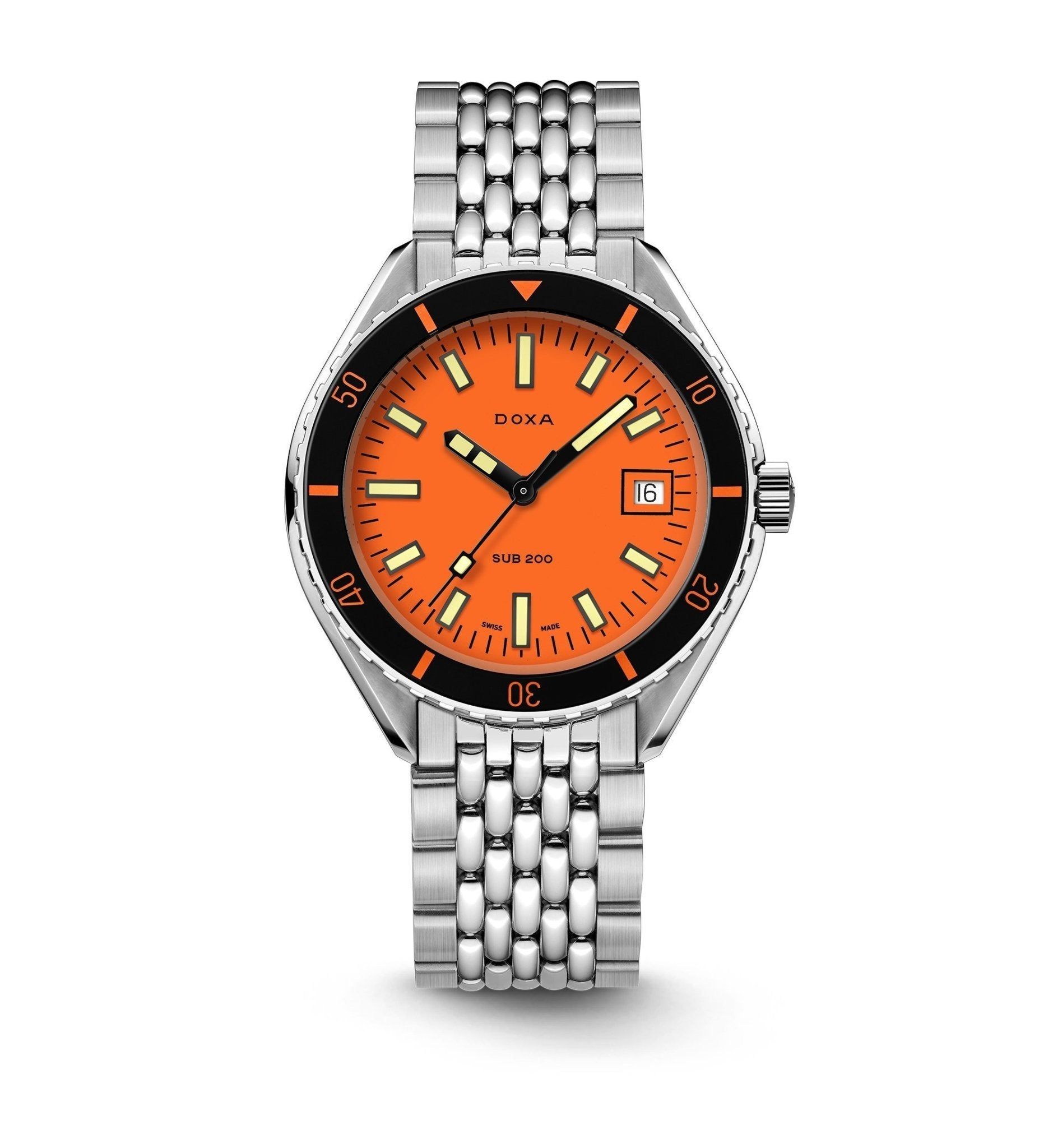
Doxa SUB 200: The Accessible Everyday Diver
By Zach Charles • October 10, 2026
Complete guide to the Doxa SUB 200 — 42mm, 200m, four colorways, Sellita SW200-1. The accessible entry to the Doxa SUB family with the full…
By Zach Charles • October 10, 2026
The Breitling Top Time B01 Aston Martin DB5 pairs a cushion-shaped 41mm case, a wooden inner ring and the in-house Caliber 01 across three limited…
By Zach Charles • October 10, 2026
TAG Heuer developed the Mikrograph (2011, 1/100th second), Mikrotimer Flying 1000 (2011, 1/1000th second), and Mikrogirder (2012, 1/2000th second).
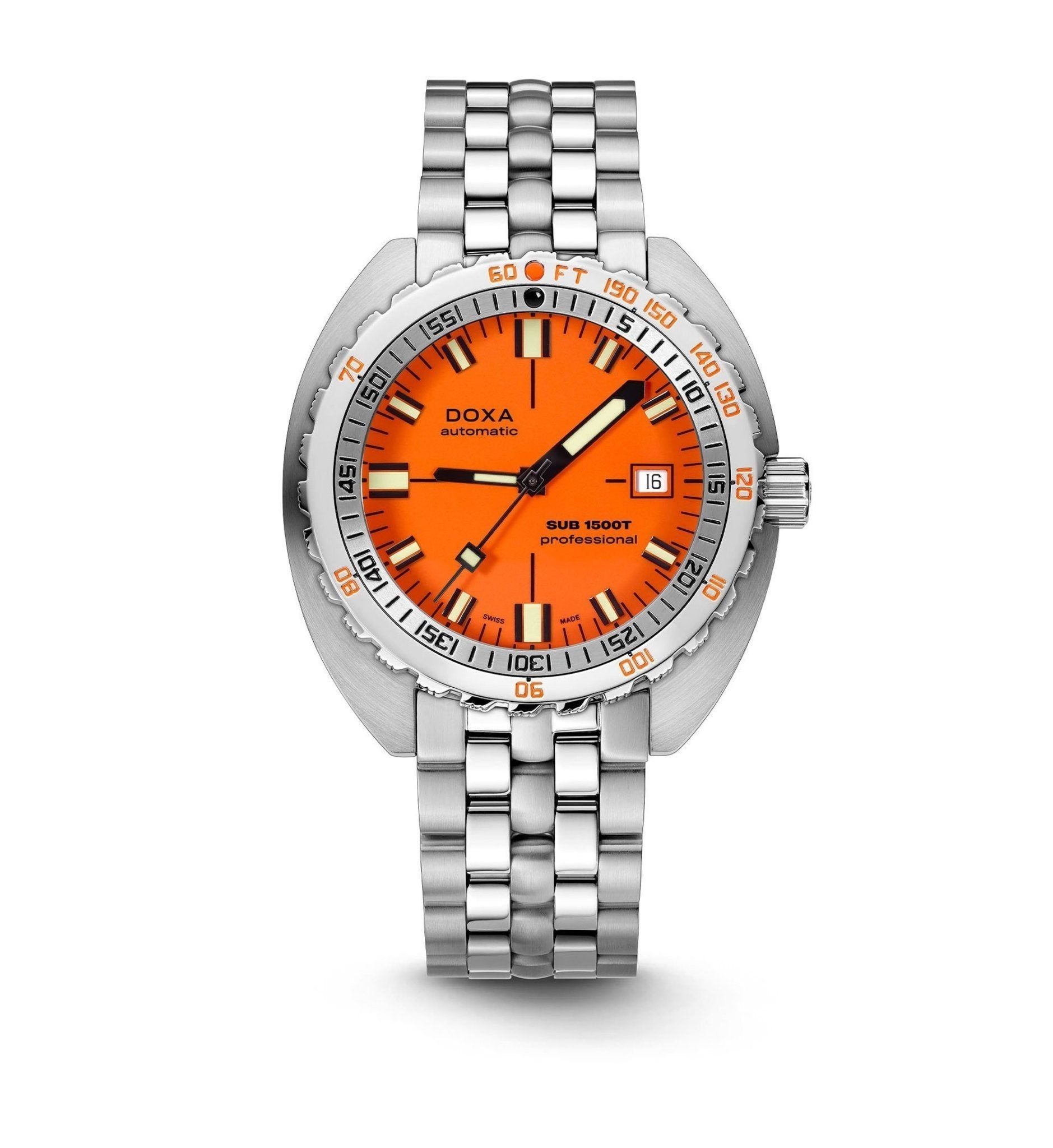
Doxa SUB 1500T: The 1,500-Metre Depth-Rating Flagship
By Zach Charles • October 10, 2026
Complete guide to the Doxa SUB 1500T — 45mm, 1,500m depth rating, helium escape valve, ETA 2892-2 movement, USD 2,690.
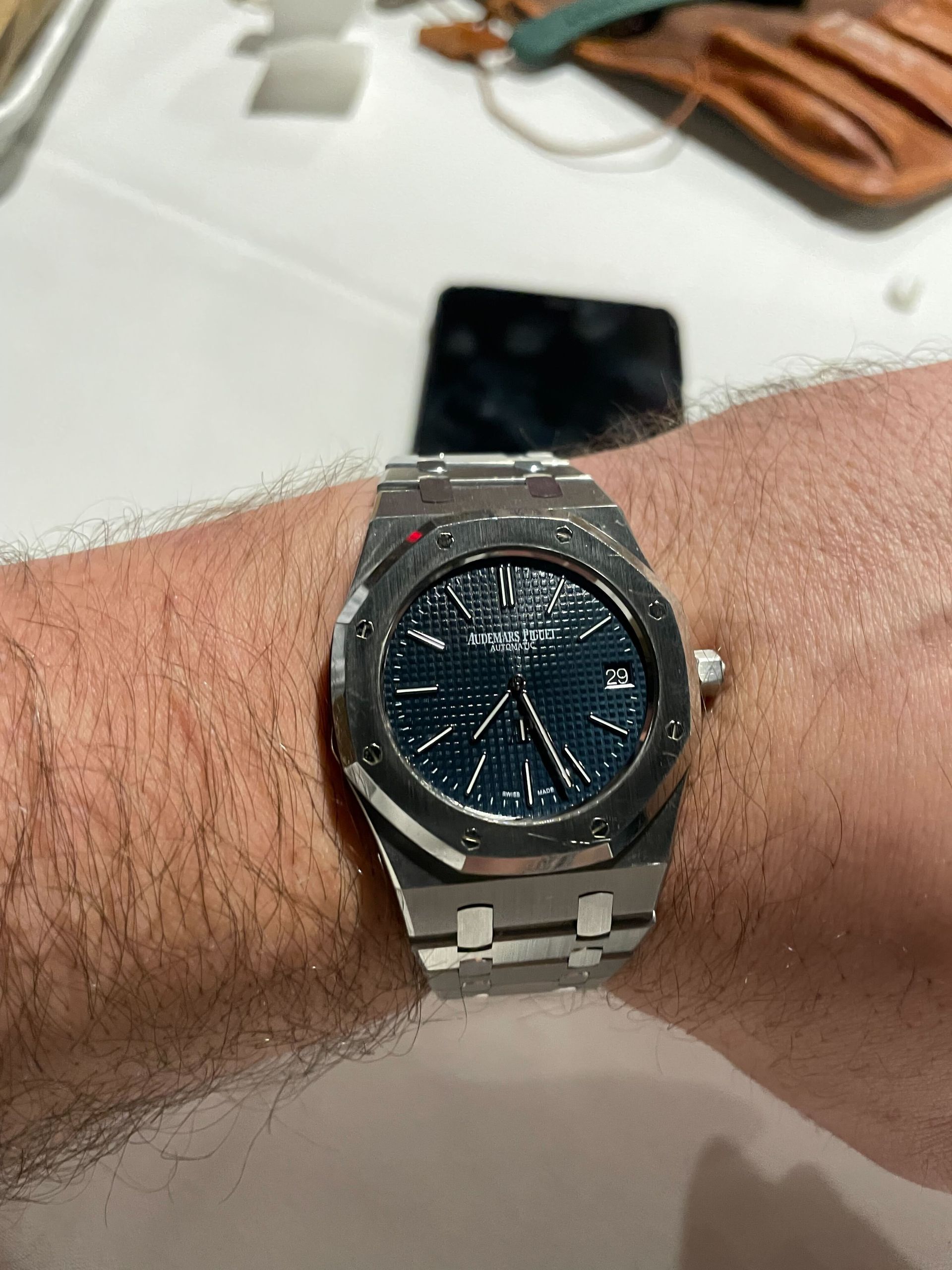
Audemars Piguet Royal Oak 'Jumbo' ref. 15202 with blue tapisserie dial and integrated steel bracelet
By Zach Charles • October 10, 2026
The Audemars Piguet × Swatch Royal Pop is a $400 bioceramic pocket watch in 8 colourways, powered by a new hand-wound SISTEM51 with 90+ hour power…

Time on the Move logo
By Zach Charles • October 10, 2026
Zach Charles is the editor of Time on the Move, an independent watch reference covering brand and model histories, buying guides and release news…
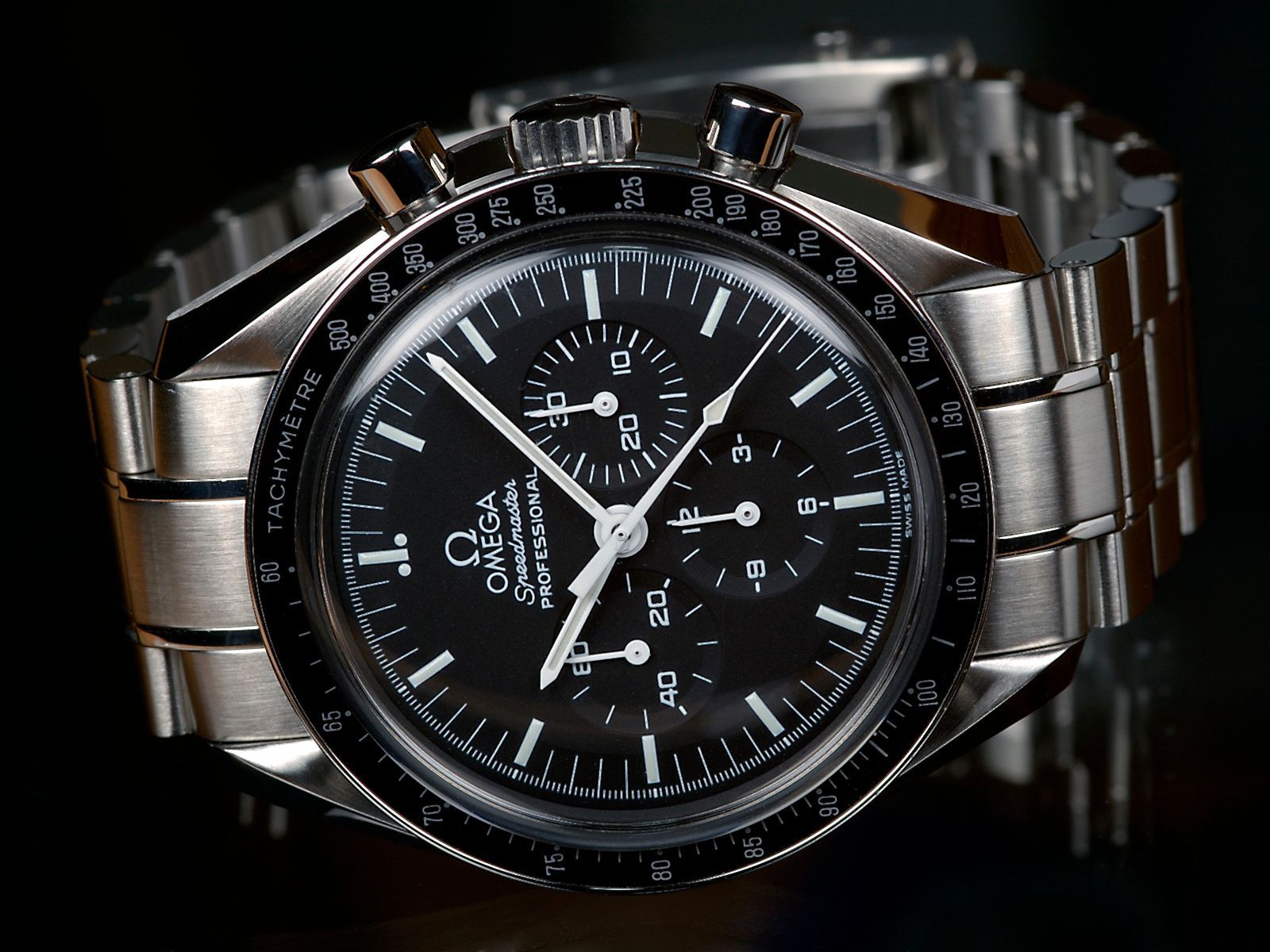
Omega Speedmaster Professional 'Moonwatch' chronograph, front view on steel bracelet
By Zach Charles • October 9, 2026
Find the best watches at every price point from $500 to $15,000 — new and pre-owned. Covers every budget tier with specific reference picks, brand…
By Zach Charles • October 9, 2026
The latest watch news: new releases, Watches and Wonders coverage, discontinuations, industry analysis, and market trends. Currently 1 article.
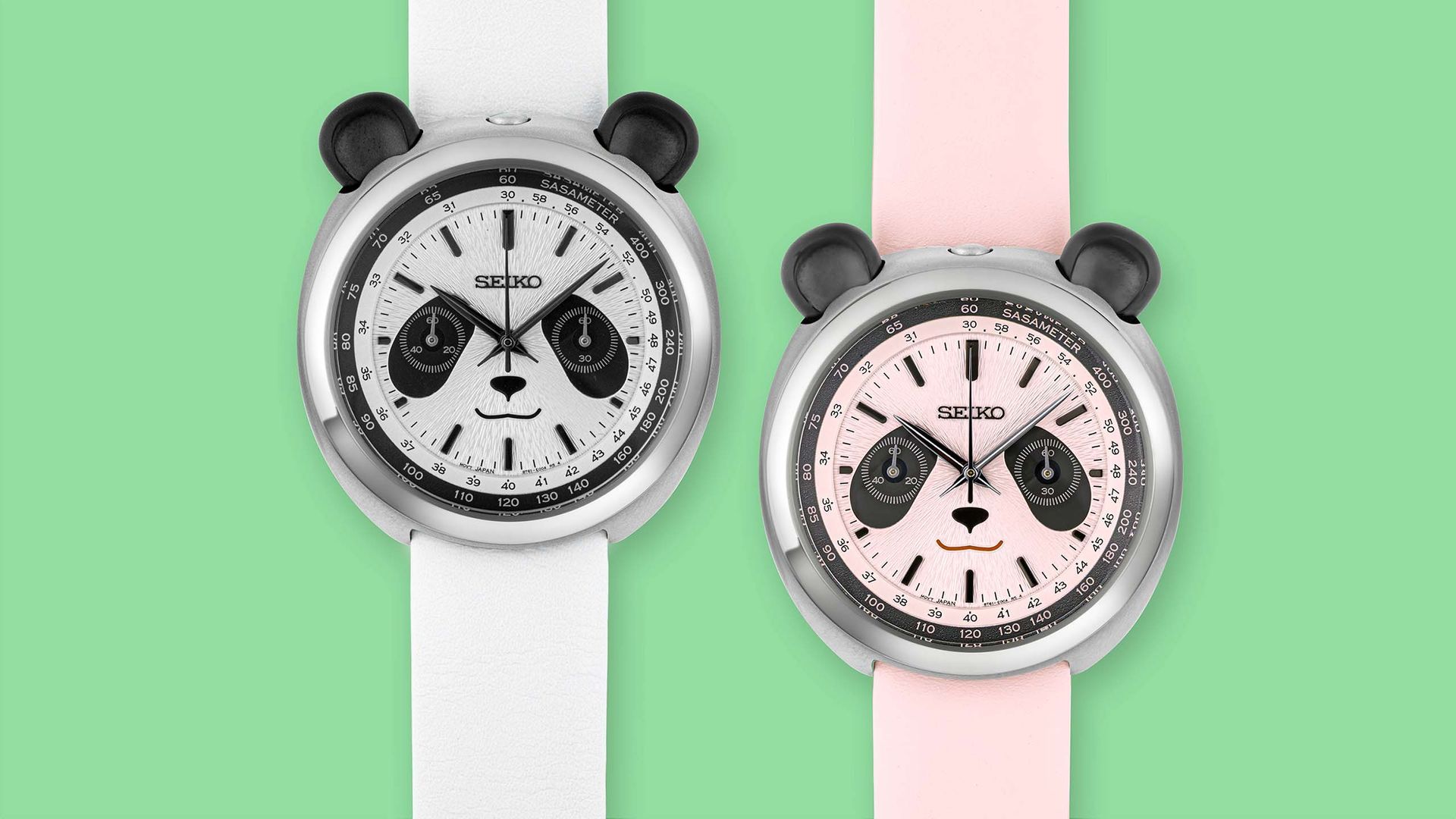
Seiko's New Panda Chronograph Is Literally a Panda: The Power Design Project HHK001 and HHK002
By Zach Charles • October 8, 2026
Seiko's Power Design Project panda chronograph (HHK001, HHK002) turns the panda dial into an actual panda face, with ear pushers, a 'Sasameter' and a 3D…
Show More