Breitling Premier: The Dress Chronograph from 1943 to the Georges Kern Revival

Zach Charles • May 27, 2026

Share this article

Breitling Premier: The Elegant Side of a Tool Watch Brand

Breitling is, in the minds of most watch enthusiasts, a brand of instruments. The Navitimer's circular slide rule has been computing flight plans since 1952. The Chronomat's rider tabs were designed for aerobatic pilots. The Emergency hides an aviation distress beacon inside its case. When you put on a Breitling, the implicit statement is that you are a person with professional problems to solve. The watch is there to help you solve them.

The Premier disrupts this narrative entirely — and it does so deliberately. Born in 1943, revived in 2018, the Premier is the watch Breitling makes for people who find the Navitimer too loud and the Chronomat too aggressive. It is slim, restrained, and polished where its siblings are thick, assertive, and brushed. It is Breitling translated into a language suitable for boardrooms and black-tie dinners. And understanding why that watch exists, why it disappeared, and why the brand chose to bring it back tells you a great deal about how Swiss watchmaking has navigated identity, crisis, and reinvention across eight decades.


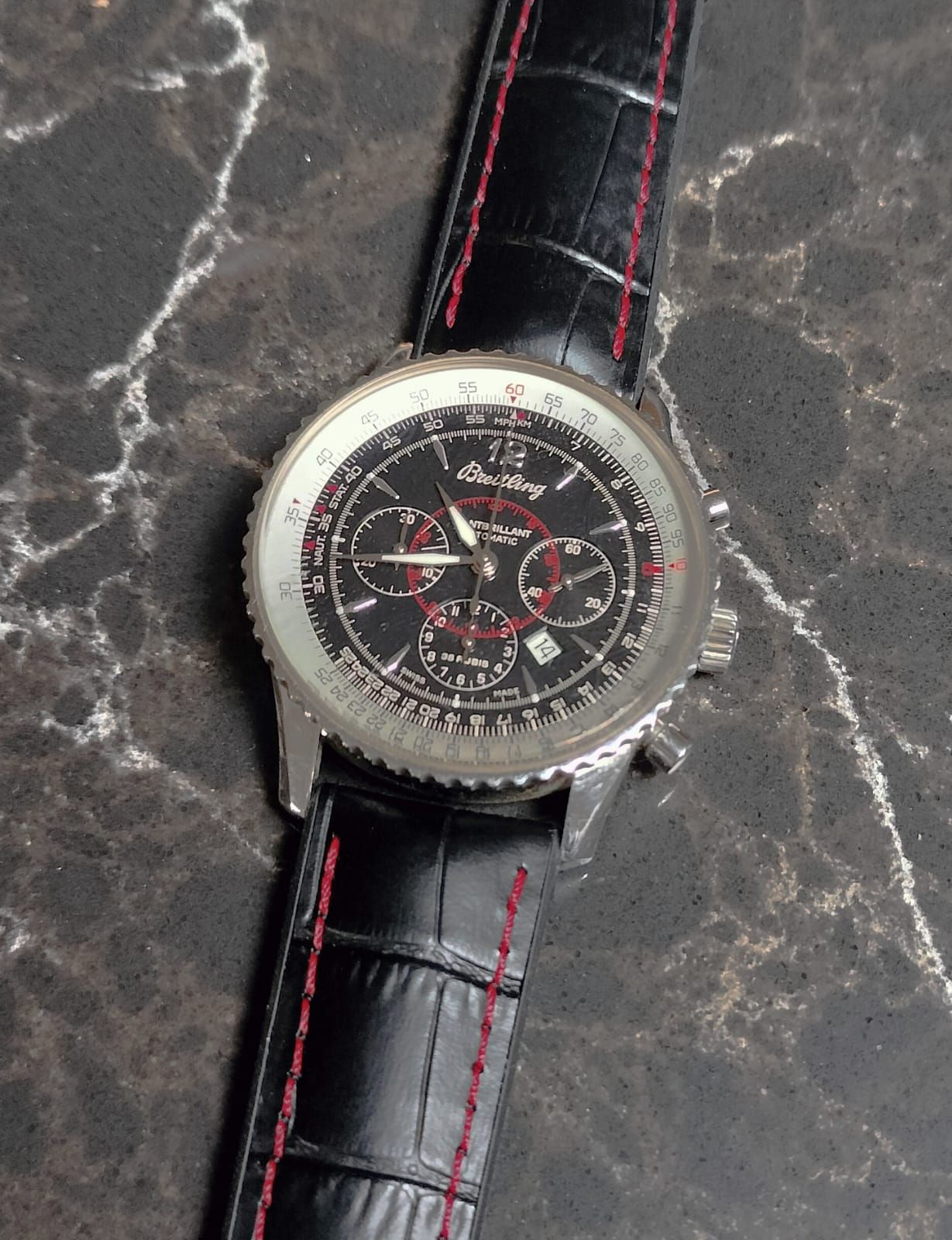
Breitling Montbrilliant — mid-2000s
A Breitling Montbrilliant from the mid-2000s — a 38mm round-case chronograph with circular slide rule, representing the more elegant end of the Breitling catalogue. The Montbrilliant references Breitling’s address at Rue Montbrilliant in Geneva and the original 1915 chronograph push-piece design.
Photo: Clyde94 — CC BY-SA 4.0 — Wikimedia Commons
The 1943 Debut — Art Deco Ambition in Wartime

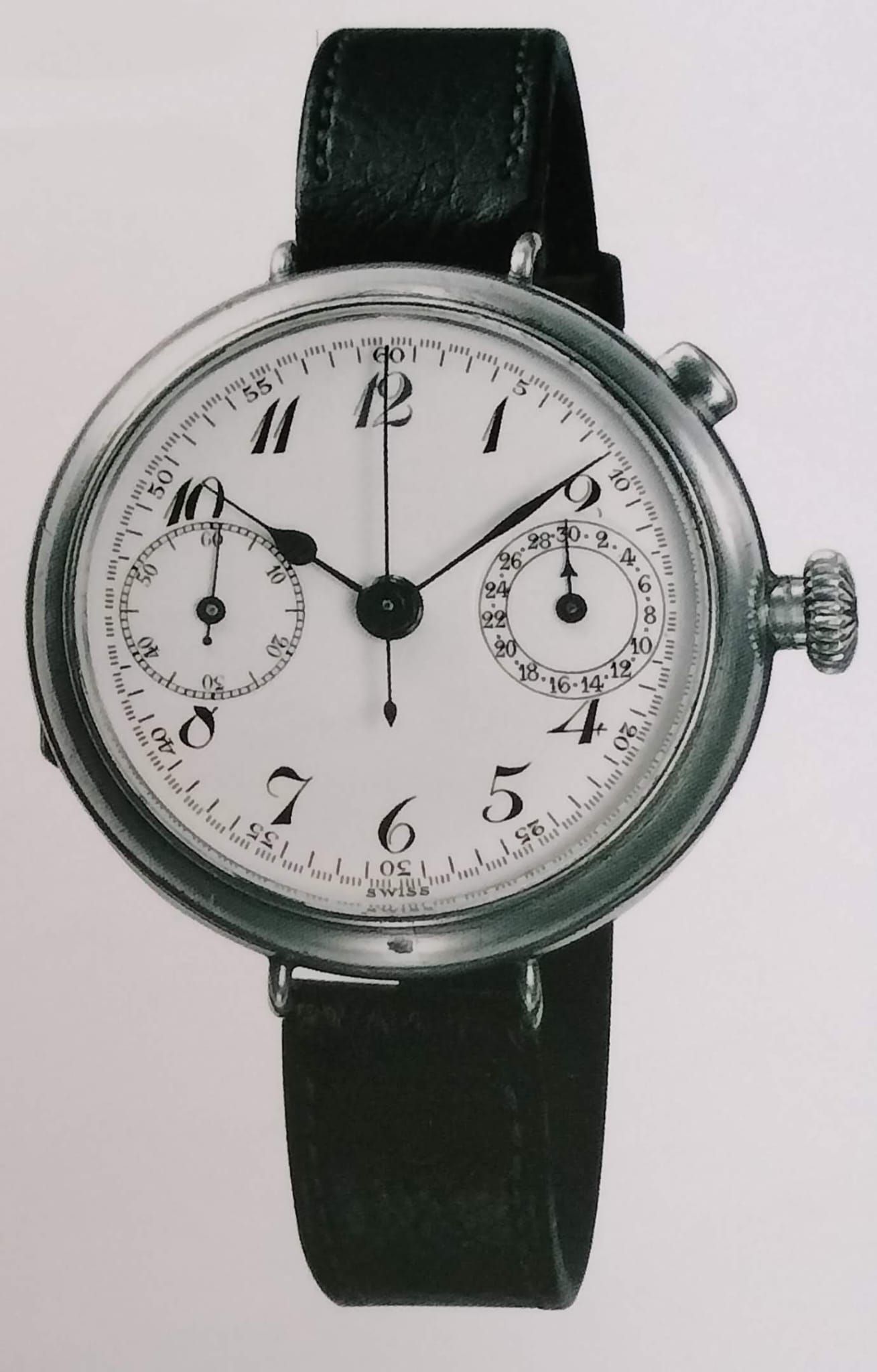
Antique Breitling single-push chronograph — vintage wristwatch
A vintage Breitling single-push chronograph — illustrating the single-pusher column-wheel mechanism that was standard before the independent start/stop/reset system. Breitling patented the independent chronograph push-piece in 1915 and the fly-back (retour en vol) in 1934.
Photo: EMore98 — CC BY-SA 4.0 — Wikimedia Commons

In the early 1940s, Breitling was building its reputation as a supplier of precision instruments to aviation professionals. The Second World War created enormous demand for military timepieces, and Swiss manufacturers found themselves supplying movements and cases to air forces across multiple sides of the conflict.

Against this backdrop, the Premier's debut in 1943 was an act of commercial confidence bordering on the counterintuitive. Where Breitling's aviation pieces ran large and purposeful, the Premier was slim — cases in gold or steel measuring 32 to 38 millimetres, proportions considered the appropriate scale for a refined dress watch. Where functional instruments carried elaborate dials crowded with scales and subdials, the Premier's dial layout was spare and considered. Hour markers were clean. Typography was restrained. Case finishing was polished.

The design language drew explicitly from Art Deco: symmetry, stepped profiles, the harmonious relationship between vertical and horizontal elements. The Premier was aimed at a civilian clientele that wanted Swiss precision in an elegant register — businessmen and professionals who attended the theatre and sat on boards of directors. The watch told these buyers that Breitling understood them: that the same engineering intelligence producing aviation chronographs could be channelled into something they could wear with a dark suit without feeling over-armed for the occasion.


The Quartz Crisis and the Long Silence

The 1970s subjected Swiss watchmaking to a disruption from which many brands never fully recovered. Japanese manufacturers, having invested heavily in quartz oscillator technology, produced movements of far greater accuracy than mechanical calibres at a fraction of the cost. The Swiss industry, built on accumulated craft knowledge of mechanical watchmaking, found itself competing on price-performance terms it could not win.

Breitling contracted severely. The Premier — a dress watch competing in a segment suddenly dominated by quartz's price-performance calculus — was among the casualties. By the late 1970s and into the 1980s, the collection had faded from production. The brand concentrated its energy on what it did best: the mechanical chronograph as a professional and prestige instrument. The Chronomat relaunch in 1984 demonstrated that Breitling understood its strongest territory. The Premier, as an artefact of a different ambition, was left in the archive for nearly four decades.


Georges Kern and the Repositioning of a Brand

Breitling Montbrilliant — mid-2000s
A Breitling Montbrilliant from the mid-2000s — a 38mm round-case chronograph with circular slide rule, representing the more elegant end of the Breitling catalogue. The Montbrilliant references Breitling’s address at Rue Montbrilliant in Geneva and the original 1915 chronograph push-piece design.
Photo: Clyde94 — CC BY-SA 4.0 — Wikimedia Commons
When Georges Kern took over as Breitling's CEO in 2017, he inherited a brand with formidable strengths and a clearly defined problem. Breitling was deeply respected within its core constituency — pilots, divers, watch enthusiasts who prized mechanical chronographs with professional credentials — but it was perceived by a broader luxury audience as a specialist rather than a comprehensive fine watchmaker. The watches were large. They were loud. They were unambiguously for people who wanted to signal competence and ruggedness, not refinement.

Kern, who had spent years at IWC navigating exactly this kind of brand positioning work, saw the opportunity clearly. Breitling's archives contained the Premier: a collection that had been aimed at elegant civilian buyers before the brand's aviation identity had fully crystallised. Reviving the Premier would not be a historical exercise in nostalgia but a strategic instrument for repositioning — a way of saying to a new class of buyers that Breitling made watches for them too.

The logic was commercially sound. The segment populated by the Longines Master Collection, the IWC Portofino, and the Omega De Ville — competent, elegant Swiss watches between four and eight thousand dollars — was large and underserved by a Breitling that had nothing to offer a buyer who wanted quality without the aviation theatrics.


The 2018 Relaunch

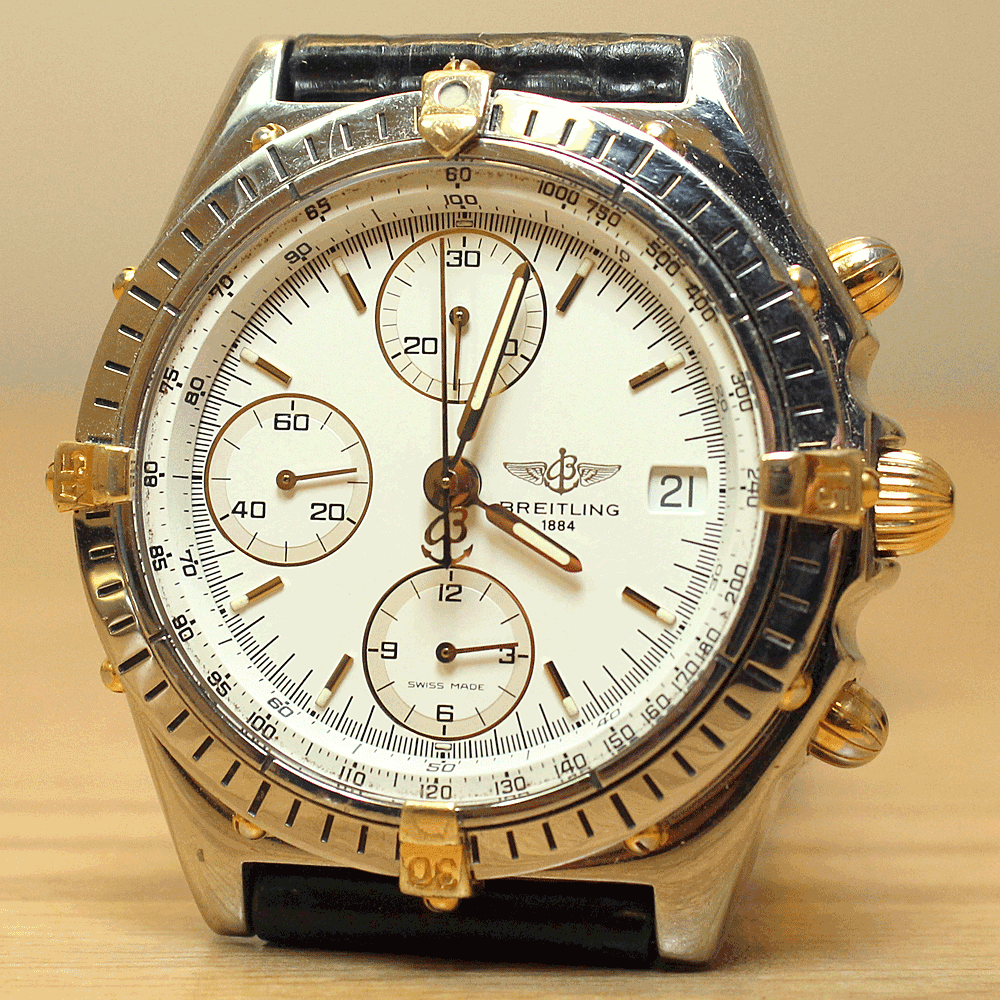
Breitling B13050 Chronomat Automatic — 18K gold and stainless steel
The Breitling B13050 Chronomat Automatic in 18K gold and stainless steel — a two-tone variant of the Chronomat with the Rouleaux bracelet. Based on the Valjoux 7750 automatic, the B13050 represents the 1990s Chronomat at its most opulent.
Photo: Jonathan Mauer — CC BY 4.0 — Wikimedia Commons

The new Premier collection launched at Baselworld 2018. Cases were 40 and 42 millimetres — large enough for contemporary proportions, restrained enough to slide under a shirt cuff. Bezels were slim. Dials were clean. No rider tabs, no pilot scales, no tachymeter rings. The default strap was leather rather than the rubber or metal bracelets that dominate the aviation pieces.

The design team's brief was evident: maintain a clear visual connection to the 1940s originals while translating proportions for modern wearing. The result felt simultaneously archival and contemporary — recognisably descended from the 1943 original but wearing its heritage lightly.

The movement strategy was serious. Breitling put its in-house B01 chronograph calibre into the Premier B01 Chronograph 42 — the flagship of the collection. The B01 is a column-wheel chronograph movement with vertical clutch, manufactured in Breitling's Grenchen facility, COSC-certified to -4/+6 seconds per day, with a 70-hour power reserve. This was emphatically not a brand cutting costs by dropping a generic ébauche into a new case. The Premier received Breitling's best movement technology.


Sub-Collections and Complications

Breitling Montbrilliant — mid-2000s
A Breitling Montbrilliant from the mid-2000s — a 38mm round-case chronograph with circular slide rule, representing the more elegant end of the Breitling catalogue. The Montbrilliant references Breitling’s address at Rue Montbrilliant in Geneva and the original 1915 chronograph push-piece design.
Photo: Clyde94 — CC BY-SA 4.0 — Wikimedia Commons

Premier B01 Chronograph 42 — the flagship: 42mm steel case, B01 movement, registers at three and nine o'clock, a small seconds subdial, and the clean dial layout that defines the collection's aesthetic. In steel approximately $6,000–$8,000; precious metal versions climb substantially higher.

Premier Automatic 40 / Premier B09 Automatic 40 — three-hand movement with date, approximately $4,500–$5,500 in steel. The collection's entry point. At 40mm it wears particularly well for formal occasions.

Premier B02 Duograph 42 — the split-seconds chronograph. See below. Priced above $12,000 in steel.

Premier B15 Duoplan — a skeletonised movement visible through an open-worked dial. The term "Duoplan" references a historical movement configuration in which the mainspring barrel and gear train are separated into two distinct planes, reducing movement height for a slimmer case. The result is a watch with mechanical exposition as its primary visual statement.


The Duograph — A Rattrapante in the Premier Case

Antique Breitling single-push chronograph — vintage wristwatch
A vintage Breitling single-push chronograph — illustrating the single-pusher column-wheel mechanism that was standard before the independent start/stop/reset system. Breitling patented the independent chronograph push-piece in 1915 and the fly-back (retour en vol) in 1934.
Photo: EMore98 — CC BY-SA 4.0 — Wikimedia Commons
The Premier B02 Duograph 42 deserves particular attention because it represents one of the most technically demanding complications available at Breitling's price point.

A rattrapante — from the French verb rattraper , "to catch up" — is a split-seconds chronograph. Where a conventional chronograph has a single running seconds hand, a rattrapante has two superimposed seconds hands. Both depart together when the chronograph is started. The "split" button causes one hand to stop while the other continues running; reading the stopped hand gives a split time. Pressing the button again causes the stopped hand to snap forward and rejoin its partner. The process can be repeated indefinitely.

This mechanism, seemingly straightforward in description, is genuinely complex in execution. The coupling and releasing of the split hand requires a series of levers, springs, and columns that must function with absolute reliability under repeated operation. A rattrapante movement contains substantially more parts than a conventional chronograph, requires more extensive adjustment during manufacture, and commands a correspondingly higher price.

The Duograph names this complication directly: "duo" for two seconds hands, "graph" from chronograph. Among Breitling's current offerings, it has few peers in terms of horological ambition expressed within a restrained dress-watch aesthetic.


The Premier in Context

The relevant competition is the segment populated by the Longines Master Collection, the IWC Portofino, the Omega De Ville Trésor, and the lower tier of the Jaeger-LeCoultre Master line. The Premier sits comfortably among them, distinguishing itself through genuine depth of Breitling movement technology — the B01 is a better in-house chronograph calibre than most competitors in this segment can offer.

For the buyer who admires Breitling's engineering heritage but finds the Chronomat's 44mm case and rider tabs unsuitable for formal occasions, the Premier resolves the tension without requiring them to choose a different brand entirely. It is the same quality in a different vocabulary.


Frequently Asked Questions

What makes the Premier different from other Breitlings?
The Premier is Breitling's dress watch — intentionally slim, clean, and elegant rather than large and functional. Where the Navitimer carries a slide rule and the Chronomat carries rider tabs, the Premier carries nothing extraneous. It is designed for occasions where the Navitimer would be conspicuous in the wrong way. It uses the same quality of movements — including the in-house B01 — but in an aesthetic referencing 1940s Art Deco rather than aviation instrument panels.

Is the Premier good value?
At its respective price points, the Premier offers strong value. The B01 chronograph movement is a genuinely high-quality in-house calibre that compares favourably with movements found in watches costing considerably more. At $6,000–$8,000 for the B01 Chronograph 42 in steel, it is competitive with — and in movement terms often superior to — similarly positioned watches from IWC, Omega, and Longines.

What is the Duograph?
The Duograph is the split-seconds (rattrapante) chronograph in the Premier collection. A rattrapante features two superimposed chronograph seconds hands that can be independently stopped and restarted, allowing measurement of multiple simultaneous time intervals. It is among the more complex mechanisms in traditional Swiss watchmaking, historically associated with very high-end manufacture.

Is the Premier water-resistant?
The Premier carries 30 metres of water resistance — appropriate for splash resistance and brief exposure, but not intended for swimming or diving. Consistent with its formal and professional positioning rather than a tool watch brief.


Related Articles

Recent Posts

By Zach Charles • October 10, 2026
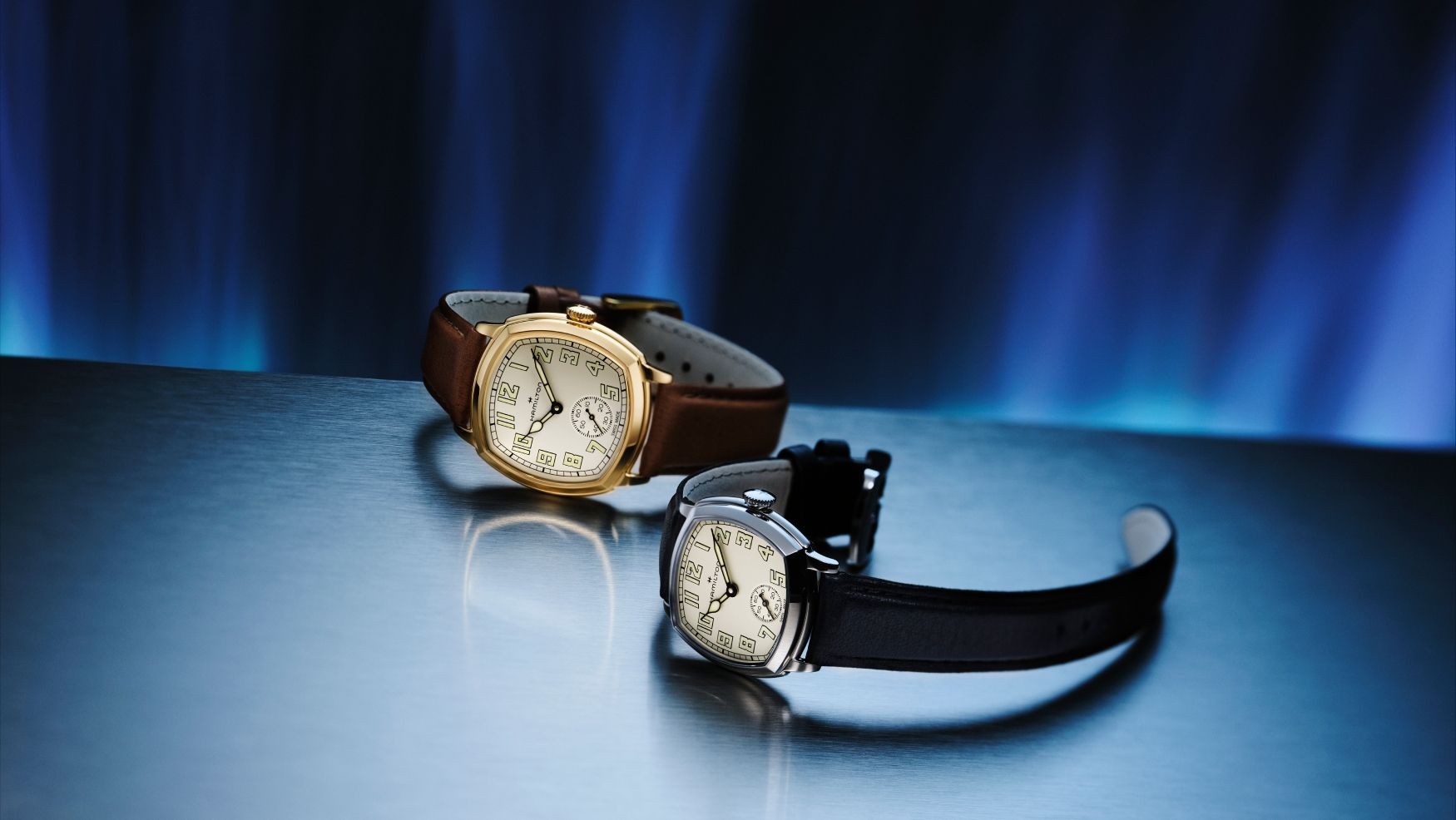
Hamilton's American Classic Cushion Mechanical revives its 1926 Art Deco cushion watches, seen in Oppenheimer, in 30mm and 34mm with the new hand-wound…
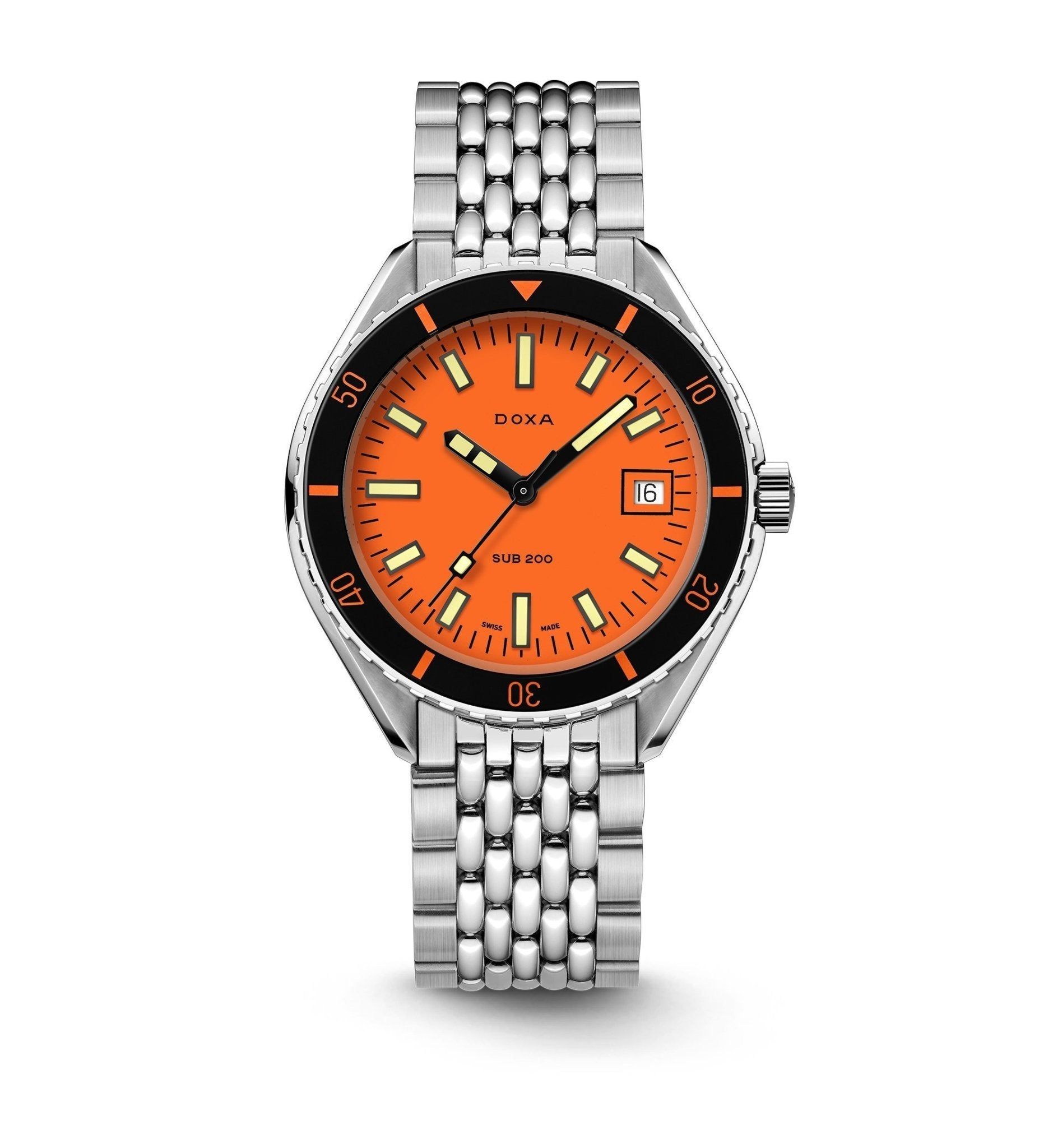
Doxa SUB 200: The Accessible Everyday Diver
By Zach Charles • October 10, 2026
Complete guide to the Doxa SUB 200 — 42mm, 200m, four colorways, Sellita SW200-1. The accessible entry to the Doxa SUB family with the full…
By Zach Charles • October 10, 2026
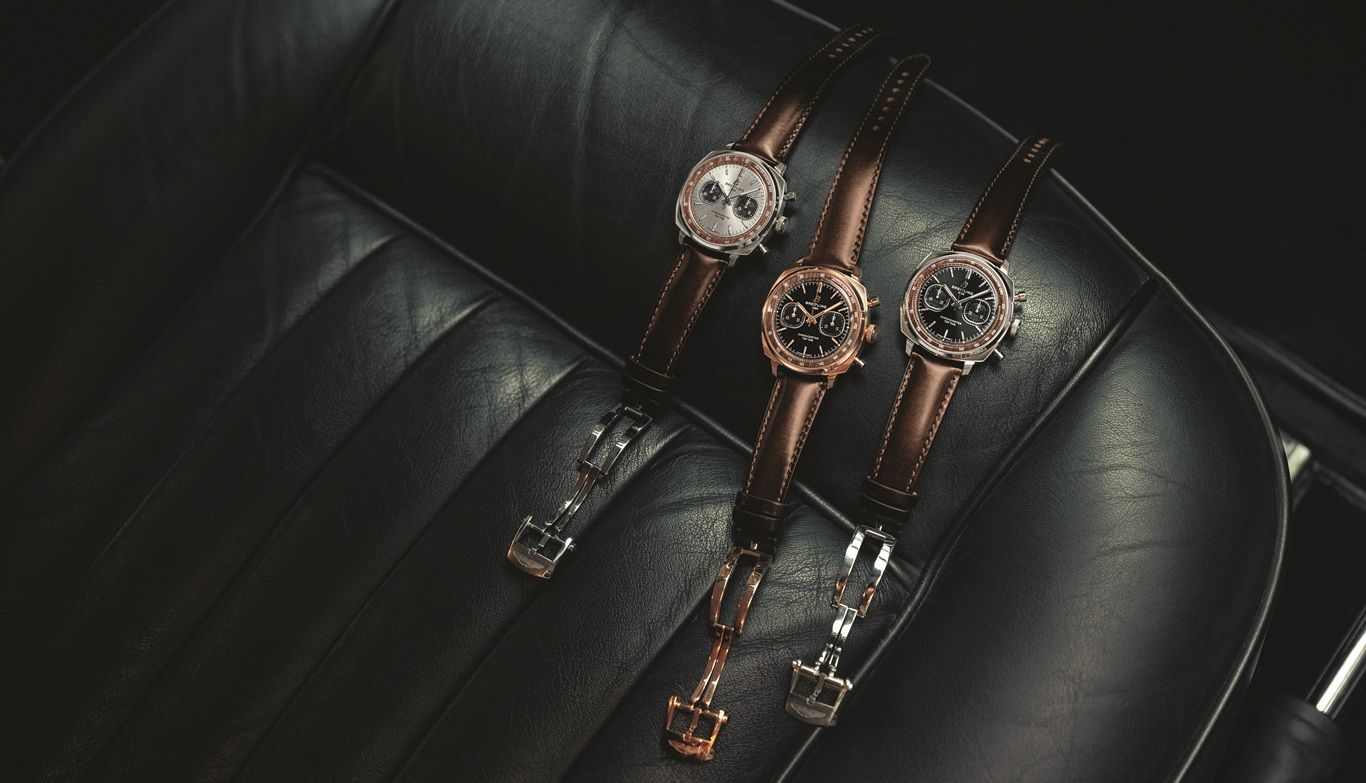
The Breitling Top Time B01 Aston Martin DB5 pairs a cushion-shaped 41mm case, a wooden inner ring and the in-house Caliber 01 across three limited…
By Zach Charles • October 10, 2026
TAG Heuer developed the Mikrograph (2011, 1/100th second), Mikrotimer Flying 1000 (2011, 1/1000th second), and Mikrogirder (2012, 1/2000th second).
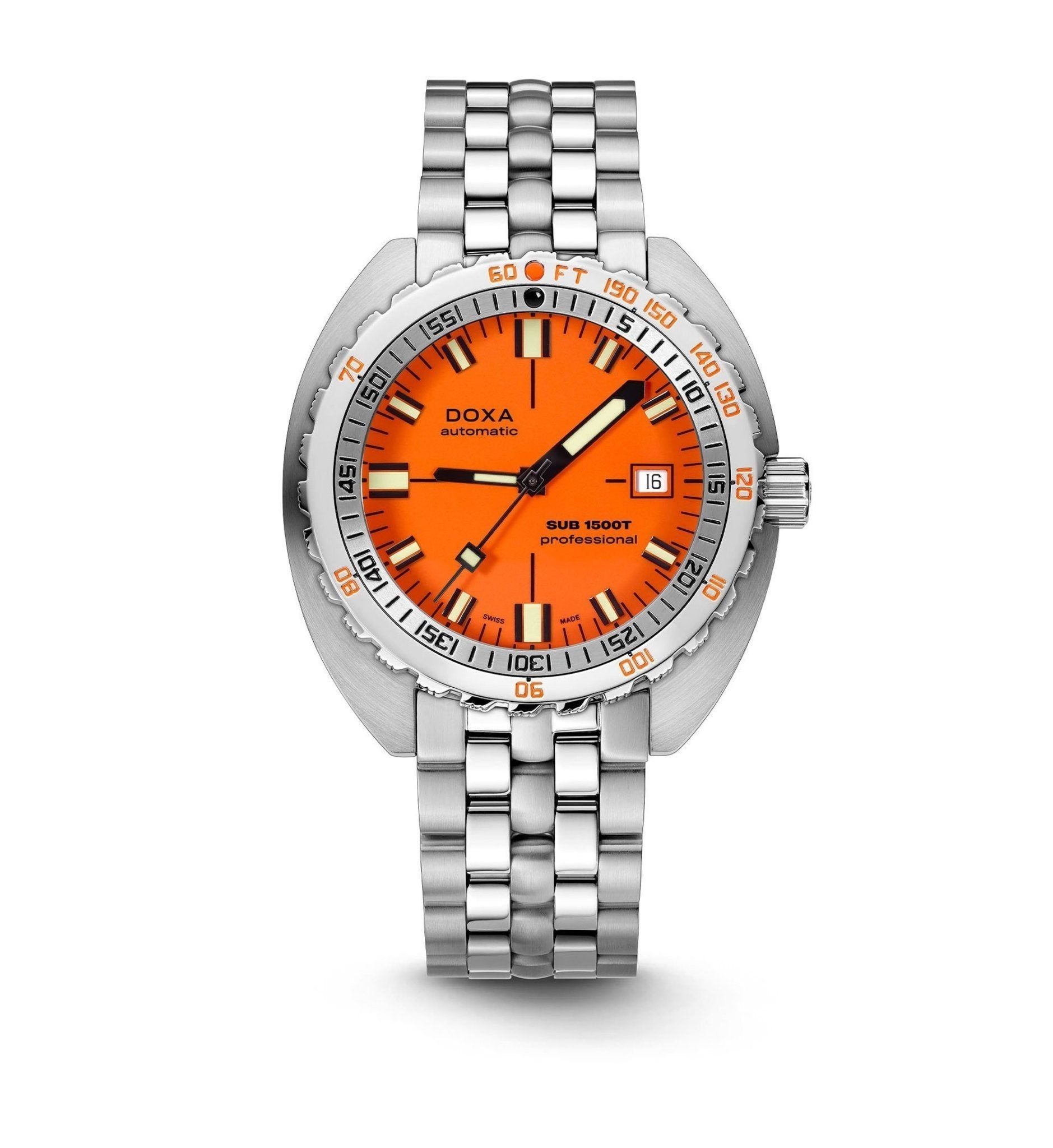
Doxa SUB 1500T: The 1,500-Metre Depth-Rating Flagship
By Zach Charles • October 10, 2026
Complete guide to the Doxa SUB 1500T — 45mm, 1,500m depth rating, helium escape valve, ETA 2892-2 movement, USD 2,690.
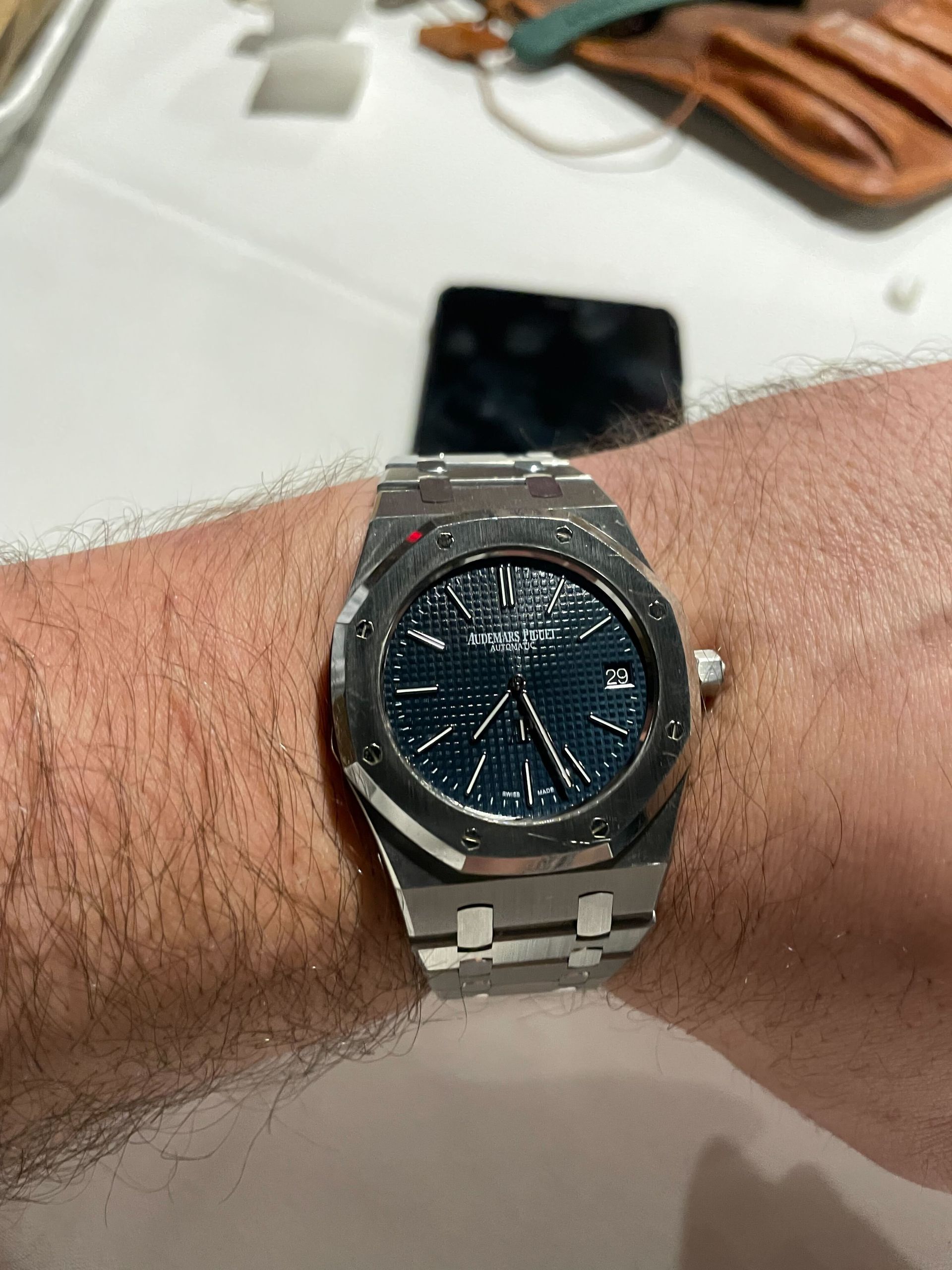
Audemars Piguet Royal Oak 'Jumbo' ref. 15202 with blue tapisserie dial and integrated steel bracelet
By Zach Charles • October 10, 2026
The Audemars Piguet × Swatch Royal Pop is a $400 bioceramic pocket watch in 8 colourways, powered by a new hand-wound SISTEM51 with 90+ hour power…

Time on the Move logo
By Zach Charles • October 10, 2026
Zach Charles is the editor of Time on the Move, an independent watch reference covering brand and model histories, buying guides and release news…
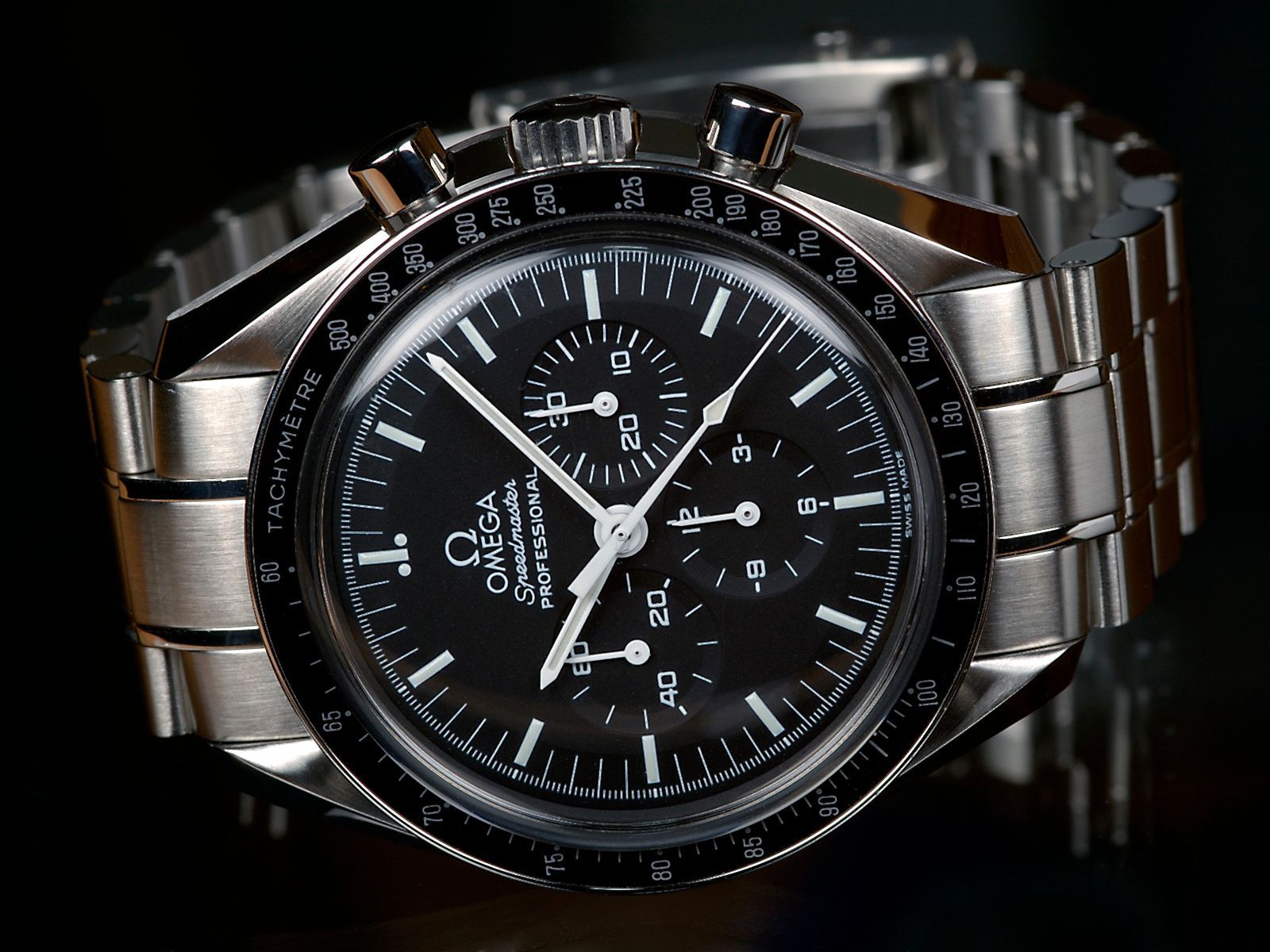
Omega Speedmaster Professional 'Moonwatch' chronograph, front view on steel bracelet
By Zach Charles • October 9, 2026
Find the best watches at every price point from $500 to $15,000 — new and pre-owned. Covers every budget tier with specific reference picks, brand…
By Zach Charles • October 9, 2026
The latest watch news: new releases, Watches and Wonders coverage, discontinuations, industry analysis, and market trends. Currently 1 article.
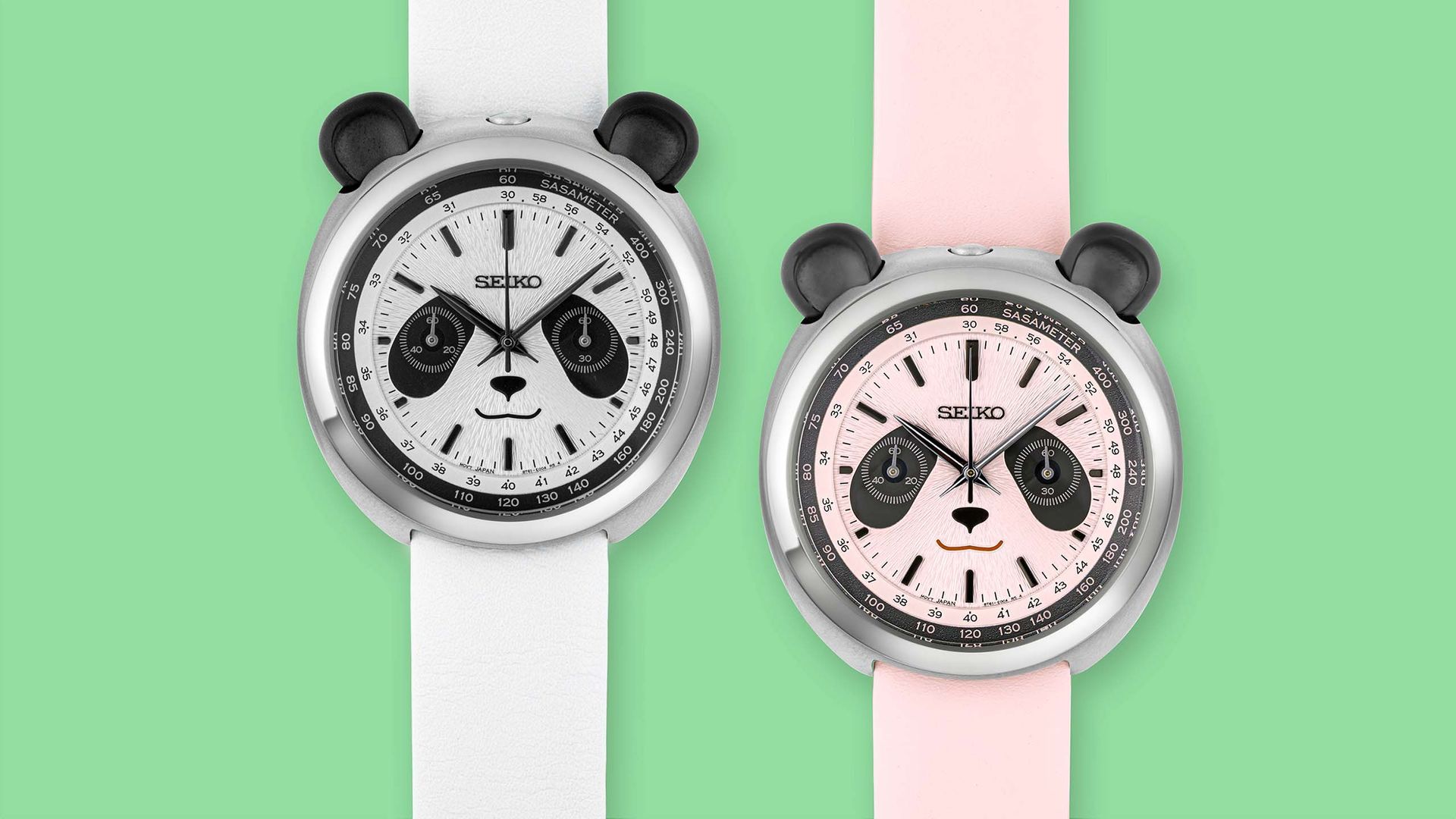
Seiko's New Panda Chronograph Is Literally a Panda: The Power Design Project HHK001 and HHK002
By Zach Charles • October 8, 2026
Seiko's Power Design Project panda chronograph (HHK001, HHK002) turns the panda dial into an actual panda face, with ear pushers, a 'Sasameter' and a 3D…
Show More