
Longines DolceVita: The Rectangular Dress Watch

Zach Charles • June 13, 2026

Share this article

Longines DolceVita: The Rectangular Dress Watch

The DolceVita occupies a distinct position within the Longines collection: it is the brand's rectangular dress watch — an explicit reference to the elongated tonneau and rectangular case shapes that appeared in Longines' 1920s and 1930s production during the Art Deco period. Launched in 1997, it has maintained continuous production for nearly three decades, offering a formal alternative to the round-case norm that dominates the contemporary Swiss watch market. The name — Italian for "the sweet life" — positions it in the fashion-adjacent register that characterised Longines' "Elegance is an Attitude" era of the late 1990s.


Longines advertisement, L'Illustration, 1924
Longines advertisement from L'Illustration, 1924 — the Art Deco era that directly inspires the DolceVita's rectangular case aesthetic.
Photo: Unknown (public domain) — Public Domain — Wikimedia Commons

Origins — Art Deco References

Longines women's dress watch, 1960s
Longines women's dress watch, 1960s — slim and elegant, representative of the formal Longines range.
Photo: Clyde94 — CC BY-SA 4.0 — Wikimedia Commons

The DolceVita was launched in 1997 , drawing directly on 1920s and 1930s Longines rectangular designs . The Art Deco period produced some of Longines' most architecturally distinctive case shapes: elongated rectangles, stepped lugs, guilloché dials, and the visual language of geometric precision that defined the decorative arts movement between the wars.

These watches were not simply fashion objects. The rectangular case was technically demanding — fitting a movement into a non-circular space required movement architectures specifically designed for the purpose, rather than adapted from round calibres. Longines produced rectangular calibres through the 1920s and 1930s that are considered among the most elegant movement designs of the period.

The DolceVita draws on this heritage without attempting to recreate it literally. The cases are contemporary in finish and construction; the movement is modern quartz or a current-production ETA automatic. What the DolceVita preserves is the essential aesthetic proposition: a non-round watch with a strong formal identity.


Longines factory exterior, Saint-Imier
The Longines manufacture, Saint-Imier — in continuous production since 1867, the source of every DolceVita movement.
Photo: Reuben Mallaby — CC BY-SA 3.0 — Wikimedia Commons

Case and Design

Longines 341 automatic wristwatch, mid-1960s
Longines 341 automatic wristwatch, mid-1960s — representative of the mid-century Longines automatic collection.
Photo: Clyde94 — CC BY-SA 4.0 — Wikimedia Commons

The men's DolceVita measures 27.7×43.8mm — a narrow, elongated rectangle that wears as a distinctly formal object on the wrist. The case is polished steel, available in yellow or rose gold PVD, and in combinations with diamond settings at higher price points.

Dials are typically white, silver, or champagne, with Roman numerals at the hour positions — a choice that reinforces the classical and formal register. The proportions are vertical: taller than wide, with a length that extends toward the wrist bones.

The women's DolceVita range covers a broader set of sizes, case materials, and setting configurations — from conservative dress pieces to versions with diamond-set bezels and mother-of-pearl dials.


Movement — Quartz and Automatic

Longines L647.4, mid-1970s
Longines L647.4, mid-1970s — a slim, clean automatic from the quartz-crisis era.
Photo: EMore98 — CC BY-SA 4.0 — Wikimedia Commons

The DolceVita is primarily a quartz-powered collection . Quartz is appropriate for a dress watch at this price point: it requires minimal service, maintains accuracy without winding, and the movement architecture adapts more efficiently to non-standard case shapes than a mechanical automatic.

An automatic variant is available using the L592 calibre (ETA A20.L01 base) with a power reserve of approximately 40 hours . The automatic DolceVita is the minority choice within the collection — a preference for mechanical movement in a formal watch at the cost of slightly increased case thickness.

Retail prices range from approximately USD $1,000 for quartz steel to USD $3,400 and above for diamond-set or precious metal variants.


Position in the Longines Range

Longines 19.4 manual-wind wristwatch, 1960s
Longines 19.4 manual-wind wristwatch, 1960s.
Photo: Clyde94 — CC BY-SA 4.0 — Wikimedia Commons
The DolceVita is the only Longines collection with a rectangular case as its defining characteristic — distinguishing it from the round-case Conquest, HydroConquest, Spirit, and Master Collection, and from the tonneau-adjacent Heritage pieces. It addresses a buyer seeking a formal dress watch with a distinctive silhouette rather than conventional round proportions.

In competitive context, it occupies territory that few Swiss brands address at the same price point: rectangular dress watches at under CHF 3,000 retail. At higher price points, Cartier's Tank and Panthère and Jaeger-LeCoultre's Reverso are the benchmark rectangular watches — but these carry significantly higher price points and brand positioning. The DolceVita is Longines' answer to the rectangular dress category at accessible pricing.


Frequently Asked Questions

When was the DolceVita launched?
1997, drawing on Longines' 1920s Art Deco rectangular designs.

What does DolceVita mean?
Italian for "the sweet life." The name reflects the fashion-adjacent positioning of the collection, launched during Longines' "Elegance is an Attitude" era.

What are the men's DolceVita dimensions?
The men's case measures 27.7×43.8mm — a narrow, elongated rectangle.

Is the DolceVita quartz or automatic?
Primarily quartz. An automatic variant using the L592 calibre (ETA A20.L01 base, 40-hour power reserve) is available.


Related Articles

Recent Posts

By Zach Charles • October 10, 2026
Hamilton's American Classic Cushion Mechanical revives its 1926 Art Deco cushion watches, seen in Oppenheimer, in 30mm and 34mm with the new hand-wound…
Doxa SUB 200: The Accessible Everyday Diver
By Zach Charles • October 10, 2026
Complete guide to the Doxa SUB 200 — 42mm, 200m, four colorways, Sellita SW200-1. The accessible entry to the Doxa SUB family with the full…
By Zach Charles • October 10, 2026
The Breitling Top Time B01 Aston Martin DB5 pairs a cushion-shaped 41mm case, a wooden inner ring and the in-house Caliber 01 across three limited…
By Zach Charles • October 10, 2026
TAG Heuer developed the Mikrograph (2011, 1/100th second), Mikrotimer Flying 1000 (2011, 1/1000th second), and Mikrogirder (2012, 1/2000th second).
Doxa SUB 1500T: The 1,500-Metre Depth-Rating Flagship
By Zach Charles • October 10, 2026
Complete guide to the Doxa SUB 1500T — 45mm, 1,500m depth rating, helium escape valve, ETA 2892-2 movement, USD 2,690.
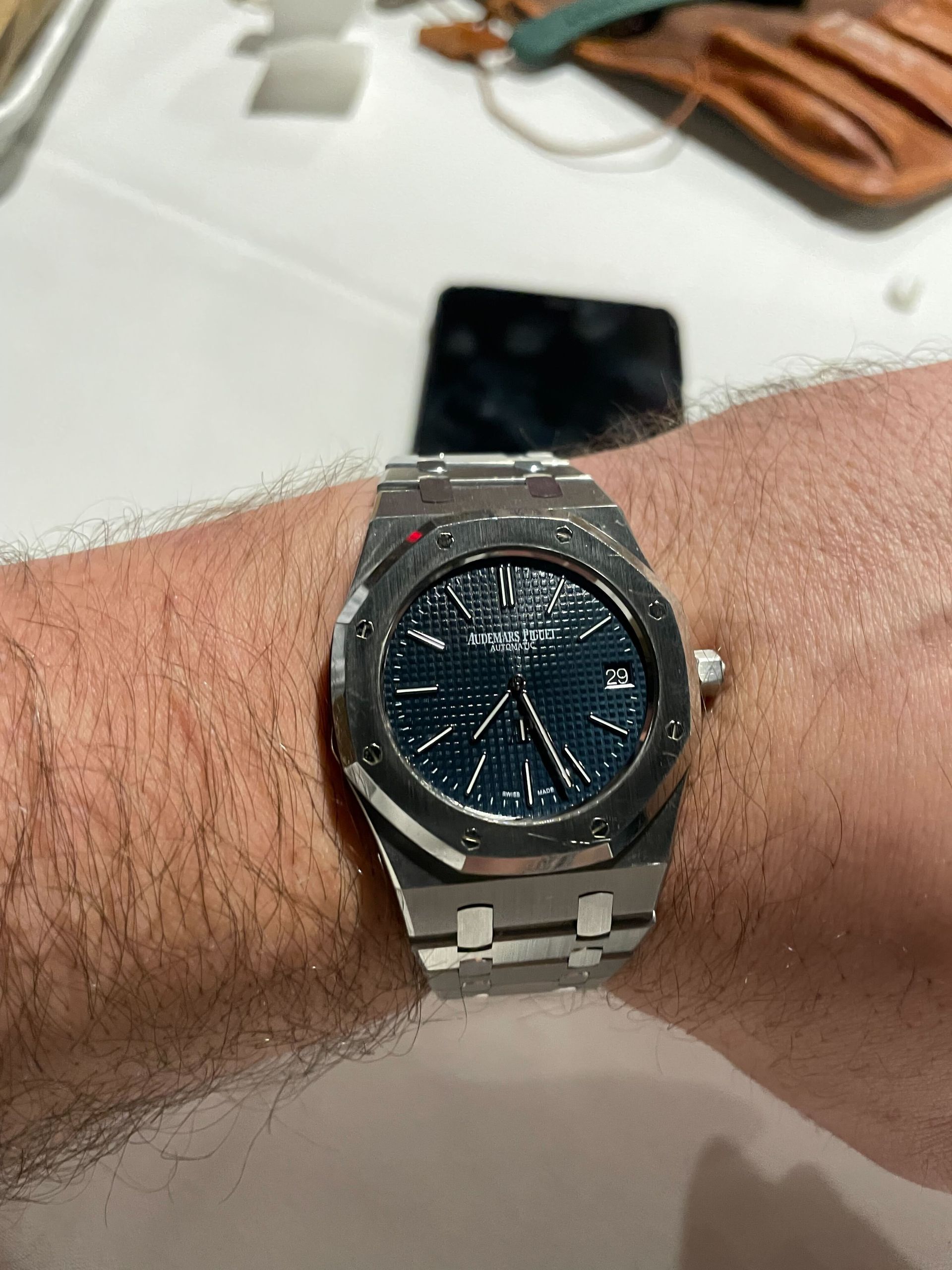
Audemars Piguet Royal Oak 'Jumbo' ref. 15202 with blue tapisserie dial and integrated steel bracelet
By Zach Charles • October 10, 2026
The Audemars Piguet × Swatch Royal Pop is a $400 bioceramic pocket watch in 8 colourways, powered by a new hand-wound SISTEM51 with 90+ hour power…

Time on the Move logo
By Zach Charles • October 10, 2026
Zach Charles is the editor of Time on the Move, an independent watch reference covering brand and model histories, buying guides and release news…
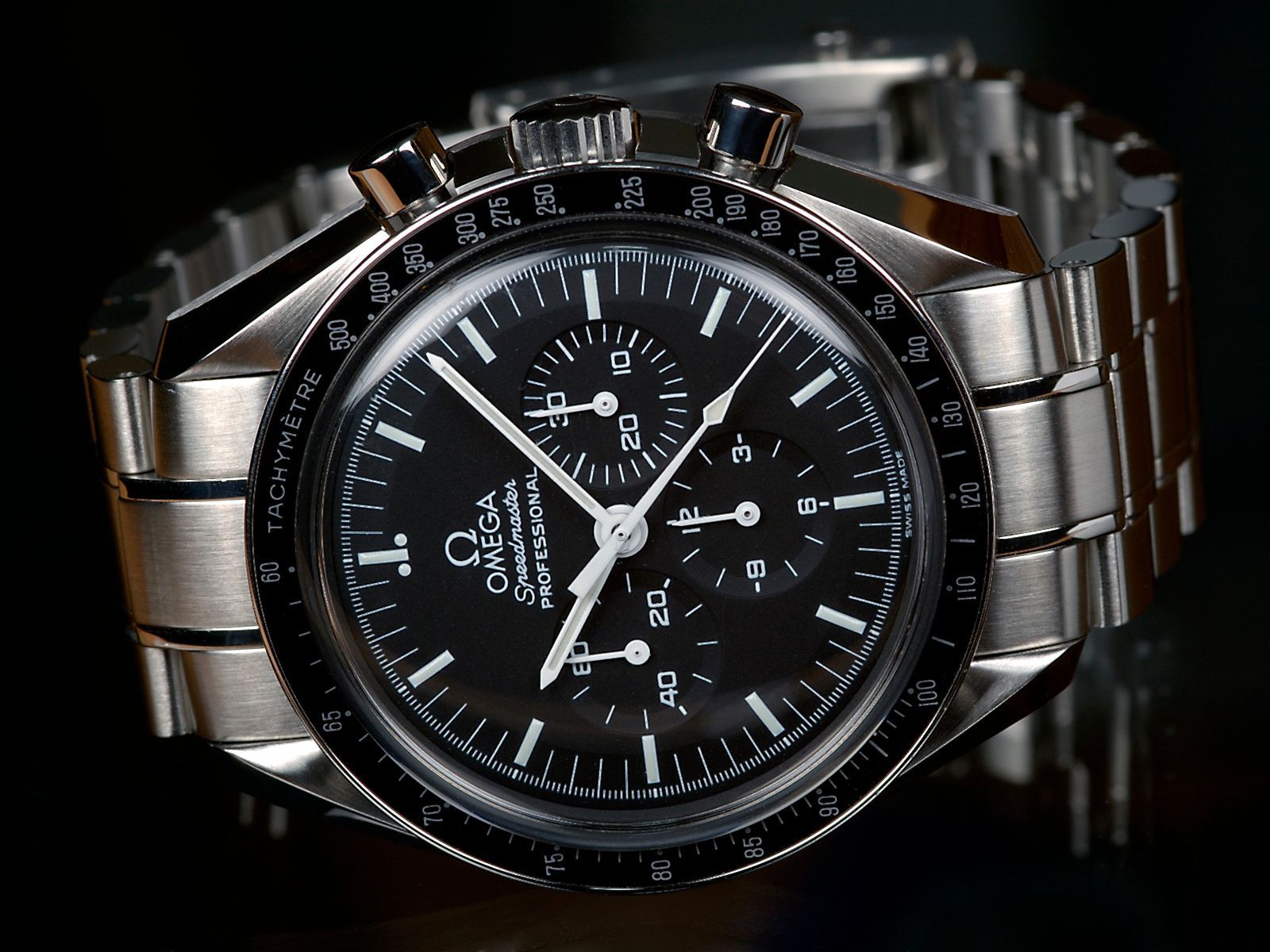
Omega Speedmaster Professional 'Moonwatch' chronograph, front view on steel bracelet
By Zach Charles • October 9, 2026
Find the best watches at every price point from $500 to $15,000 — new and pre-owned. Covers every budget tier with specific reference picks, brand…
By Zach Charles • October 9, 2026
The latest watch news: new releases, Watches and Wonders coverage, discontinuations, industry analysis, and market trends. Currently 1 article.
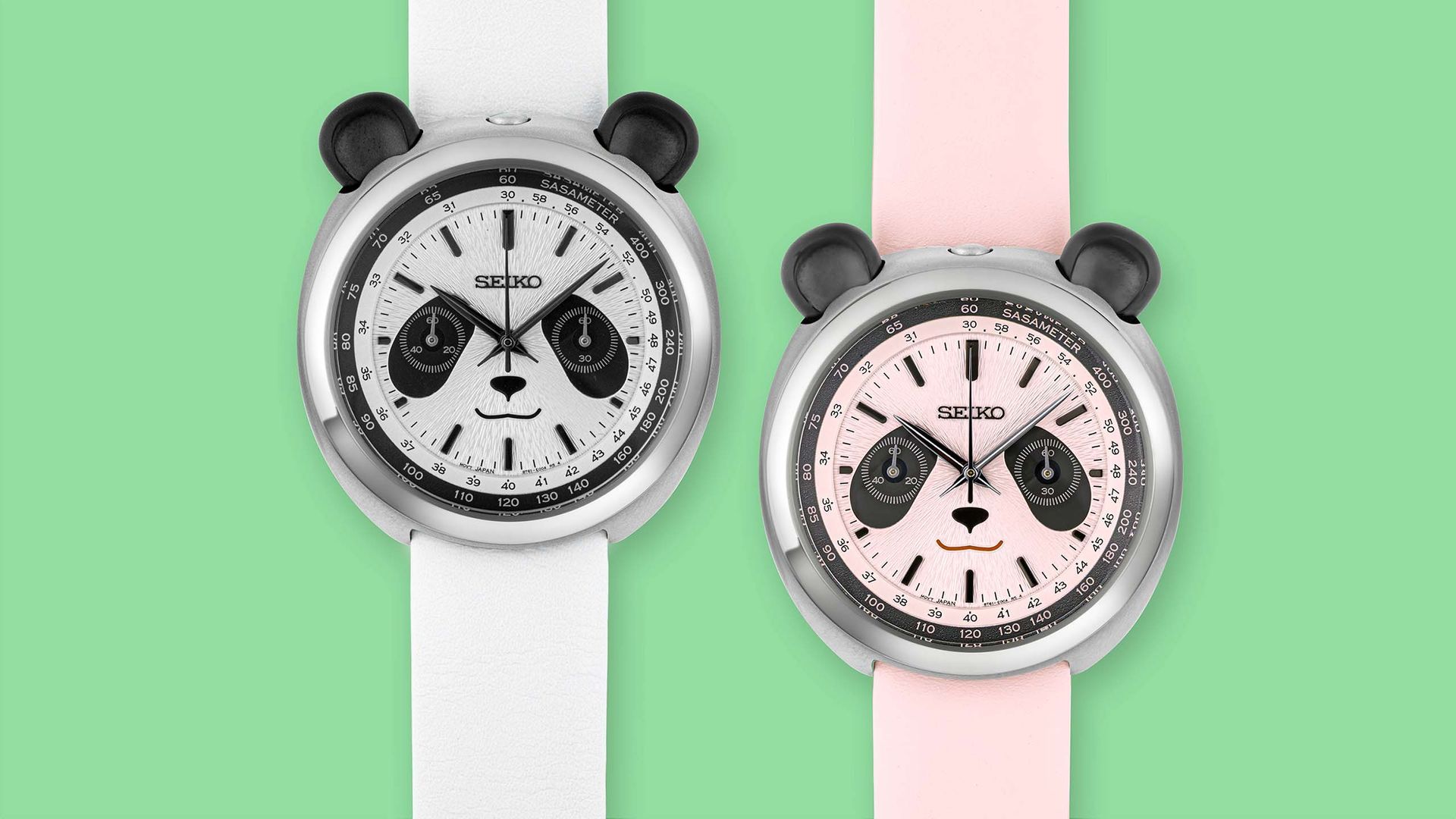
Seiko's New Panda Chronograph Is Literally a Panda: The Power Design Project HHK001 and HHK002
By Zach Charles • October 8, 2026
Seiko's Power Design Project panda chronograph (HHK001, HHK002) turns the panda dial into an actual panda face, with ear pushers, a 'Sasameter' and a 3D…
Show More