
Tudor Advisor: The Alarm Watch

Zach Charles • September 12, 2026

Share this article

Tudor Advisor: The Alarm Watch

Among all the watch complications that Tudor has produced across its history, the alarm stands alone. No other complication in the Tudor catalogue requires the watch to do something beyond displaying time — to actively produce sound at a user-specified moment, transforming the watch from a passive timekeeping instrument into a functional notification device.

The Tudor Advisor has carried this complication since approximately 1957, making it one of the oldest continuous (with interruptions) Tudor reference categories outside the core Oyster collection. The name "Advisor" is entirely appropriate: a watch that advises you of scheduled moments, worn on the wrist rather than left on a nightstand.

The original Advisor was produced through the 1960s and into the 1970s before being discontinued. Its 2011 revival as the Heritage Advisor (ref. 79620) was the second time Tudor explicitly used the Heritage prefix to mark a genuine historical reference — following the Heritage Chrono of 2010 by one year, and preceding the Black Bay by one year.


The Original Advisor (c.1957–1970s)

The original Advisor was produced during Tudor's ETA movement era, before the Swatch Group's supply restrictions and before any discussion of manufacture movements. The case architecture was based on the Oyster form — the same case family that housed the Submariner and the Prince — and the movement was a Swiss alarm calibre adapted for wrist-watch application.

Alarm mechanism: A mechanical alarm on a wristwatch works through a separate spring barrel dedicated to the alarm's striking mechanism, independent of the timekeeping mainspring. The user sets the alarm time using a dedicated crown (separate from the timekeeping crown), which positions an alarm cam relative to the movement's timekeeping train. When the timekeeping mechanism reaches the set alarm time, the cam releases the alarm spring, which drives a striking hammer against a resonating surface — typically the caseback — producing an audible tone.

The quality of the alarm sound is directly related to the resonating surface area and the case material's acoustic properties. The original Advisor used the caseback as the resonating surface, a design decision that produced a sound more pragmatically useful than aesthetically refined — sufficient to attract the wearer's attention at a meeting, not sufficient to wake a room.

Reference variants of the original: The original Advisor was produced in multiple reference configurations that are catalogued incompletely in published Tudor reference guides. Case sizes of approximately 34mm and 38mm appear in recorded examples. Dial configurations varied across production: the Advisor dial had to accommodate the alarm-set indication (typically a separate hand or marker showing the alarm position) alongside conventional hour, minute, and seconds display. Some variants included a date complication; others did not. The arrangement of two crowns — one for timekeeping/date, one for alarm setting — at 3 and 9 o'clock (or both at the same position in different stem configurations) is a distinctive visual characteristic of alarm watches generally.


The Alarm Watch Landscape

The Tudor Advisor existed in a market defined by the Jaeger-LeCoultre Memovox — arguably the most historically significant alarm wristwatch ever produced, introduced in 1950 and the movement architecture that powered numerous subsequent alarm watches including the Heuer Carrera Alarm and the Omega Memomatic. The Memovox used an alarm mechanism that is mechanically different from simpler alarm calibres: its alarm spring and striking mechanism architecture is more refined, and its association with the Polaris diving alarm (the King Seiko of alarm watches) gave it a heritage and collector profile that lesser alarm references cannot match.

The Tudor Advisor was not positioned as a Memovox competitor. It was a tool watch with an alarm — the same design philosophy that produced the Tudor Submariner as a functional dive instrument rather than a prestige object. The buyer who purchased an Advisor in 1965 wanted a reliable alarm on his wrist for business travel or schedule management. The Memovox buyer was making a different kind of statement.

This positioning distinction is worth understanding when evaluating both the original Advisor and the Heritage Advisor revival: these are not prestige alarm watches in the JLC tradition. They are practical instruments in Oyster cases, with the Tudor emphasis on durability, reliability, and value over mechanical refinement or horological prestige.


Heritage Advisor (ref. 79620): The 2011 Revival

The Heritage Advisor was introduced at Baselworld 2011, one year after the Heritage Chrono and one year before the Black Bay. Like the Heritage Chrono, it was an explicit reference to a specific vintage Tudor category, and like the Heritage Chrono, it used the "Heritage" prefix to signal intentional historical engagement rather than a new direction.

Case: 42mm, Oystersteel. The Heritage Advisor's case is proportionally large for an alarm watch — the 42mm dimension reflects early 2010s sizing norms rather than the original Advisor's more restrained proportions. The case profile retained the round Oyster form of the original. Crown guards were not part of the Advisor's architecture (no dive watch context required them), so the case reads cleaner than the Heritage Chrono or the Black Bay.

Dial: The Heritage Advisor's dial is among its most appealing design elements. The alarm-set indicator was incorporated as a dedicated hand — coloured distinctively from the timekeeping hands — providing a clear visual readout of the set alarm time against the standard chapter ring. The dial typography and index treatment referenced the original Advisor's period character without being a literal reproduction. Available in cream/off-white and dark configurations across the production run.

Two-crown configuration: The Heritage Advisor retained the defining visual characteristic of all alarm wristwatches — two crowns. One crown at 3 o'clock set time (and date, on the date variant); one crown at 9 o'clock set the alarm. This symmetrical two-crown layout is immediately legible as an alarm watch without explanation.

Movement: The Heritage Advisor used an ETA alarm calibre (specifically the ETA 2892-A2 base calibre modified for alarm function) — consistent with Tudor's movement strategy before the manufacture programme produced its own calibres. The alarm mechanism was robust and appropriately specified for a watch positioned in Tudor's upper-accessible tier at approximately $3,000–$3,800 retail.

Strap and bracelet options: The Heritage Advisor was offered on leather strap and on Oyster metal bracelet. The leather strap configurations — in brown and black — suited the Advisor's slightly dressier character relative to dive and sport references.


Sound and Function

The Heritage Advisor's alarm sound is produced through the caseback resonating against the wrist — the standard wristwatch alarm architecture. The duration of the alarm signal (typically 15–30 seconds) is determined by the alarm spring's stored energy. The alarm strikes once at the set time; it does not repeat. Resetting the alarm for a subsequent time requires manual winding of the alarm spring barrel via the alarm crown.

In practice, the wristwatch alarm is most useful in quiet environments — a meeting, a reading room, a restaurant — where the metallic striking tone is audible. In noisy environments, the sound does not compete with ambient noise the way a phone vibration does. This is an inherent limitation of all mechanical wristwatch alarms, not specific to the Advisor.

The practical value proposition of the Heritage Advisor in 2011 — when smartphones had universal alarm capability — was primarily about mechanical character and Tudor heritage rather than functional superiority over electronic alternatives. The buyer who chose a Heritage Advisor wanted the alarm complication as a meaningful feature of a mechanical watch, not because no phone-based alternative existed.


Discontinuation and Current Status

The Heritage Advisor was discontinued from Tudor's catalogue, having been produced through approximately 2011–2018. It is not currently in production. Like several Heritage-prefix references from this transitional period (Heritage Chrono, Heritage Black Bay in some configurations), it represents Tudor's pre-Kenissi-partnership, pre-full-manufacture era — watches that used ETA movements under Heritage branding before the Black Bay family, with in-house MT5600-series calibres, became the dominant product narrative.

No current Tudor production reference includes an alarm complication. The Black Bay family, the Pelagos family, the Ranger, and the Royal do not include alarm functions. Whether Tudor returns to the alarm watch category with a manufacture alarm calibre — which would be a significant horological statement — is not publicly indicated.


Collecting the Advisor

Original Advisor (c.1957–1970s): Secondary market pricing varies significantly by condition, configuration, and the completeness of the alarm mechanism's function. Fully functioning original Advisors with working alarm mechanisms trade from approximately $800 to $2,500 depending on dial configuration and condition. The alarm mechanism's function is the key variable: a non-functioning alarm (spring failure, worn striking components) substantially reduces collector value even when the timekeeping function is intact.

Heritage Advisor (ref. 79620): Used examples from the 2011–2018 production run trade from approximately $1,500–$2,800, modestly below original retail, consistent with the pattern for ETA-movement Tudor references from this period. The Heritage Advisor's aluminium bezel (where present) does not age as gracefully as the Black Bay's in extended wear, and examples that show significant bezel wear trade toward the lower end.

For a collector specifically interested in alarm watches, the Advisor represents a historically grounded alternative to the JLC Memovox lineage — a different philosophy, accessible pricing, and genuine historical depth from Tudor's production records.


Related Articles

Tudor Heritage Series

Tudor Foundation

Recent Posts

By Zach Charles • October 10, 2026
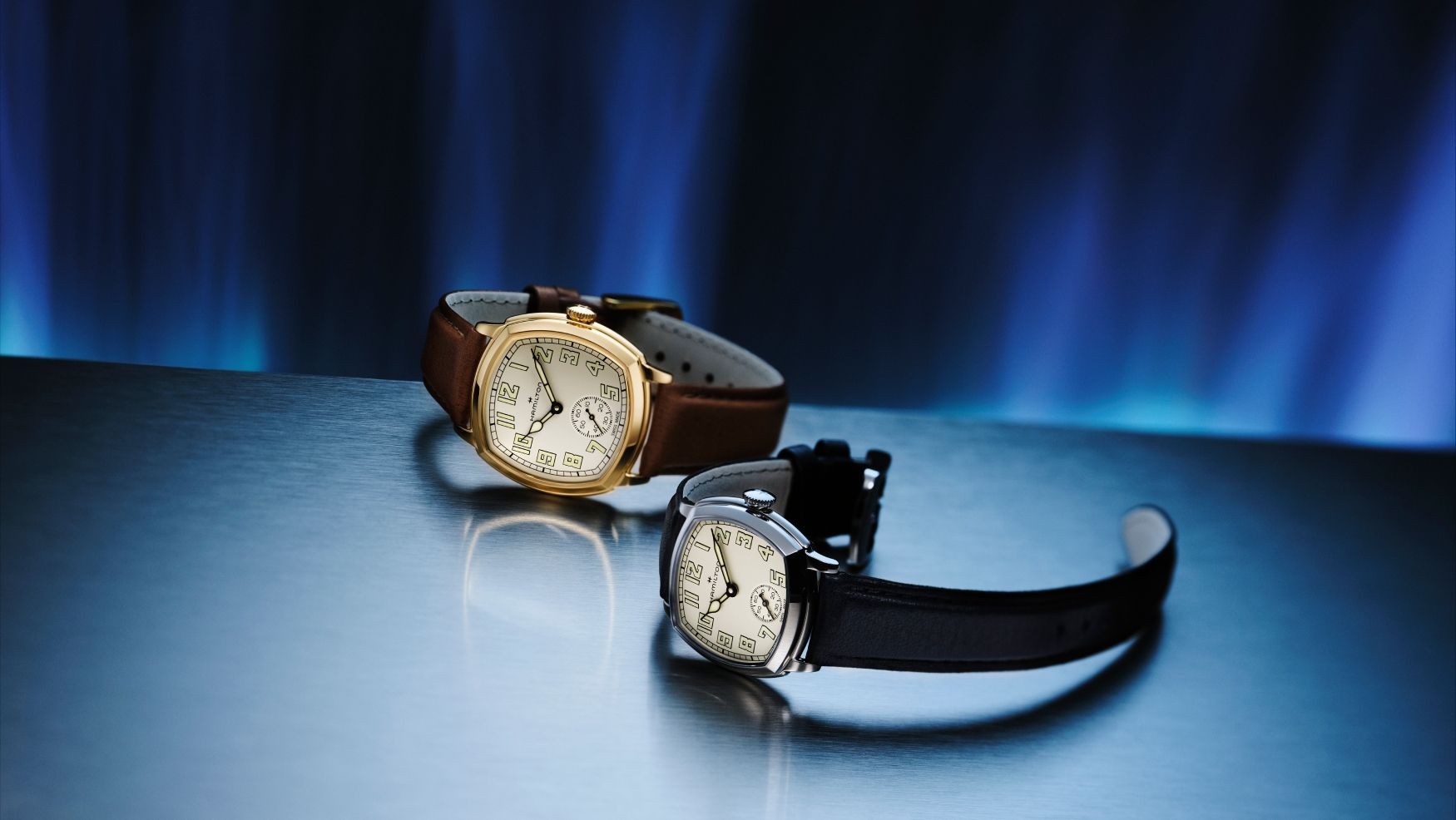
Hamilton's American Classic Cushion Mechanical revives its 1926 Art Deco cushion watches, seen in Oppenheimer, in 30mm and 34mm with the new hand-wound…
Doxa SUB 200: The Accessible Everyday Diver
By Zach Charles • October 10, 2026
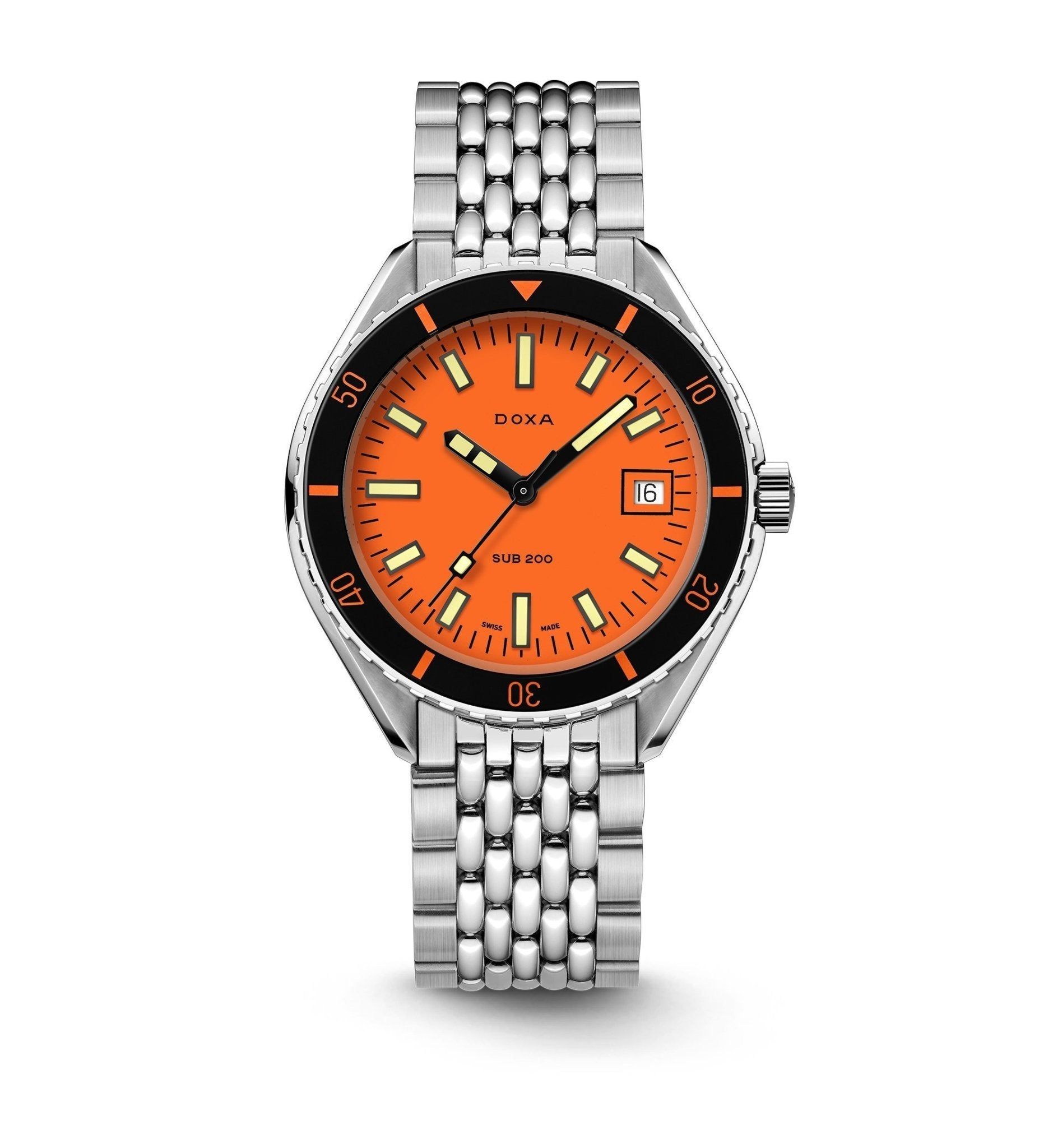
Complete guide to the Doxa SUB 200 — 42mm, 200m, four colorways, Sellita SW200-1. The accessible entry to the Doxa SUB family with the full…
By Zach Charles • October 10, 2026
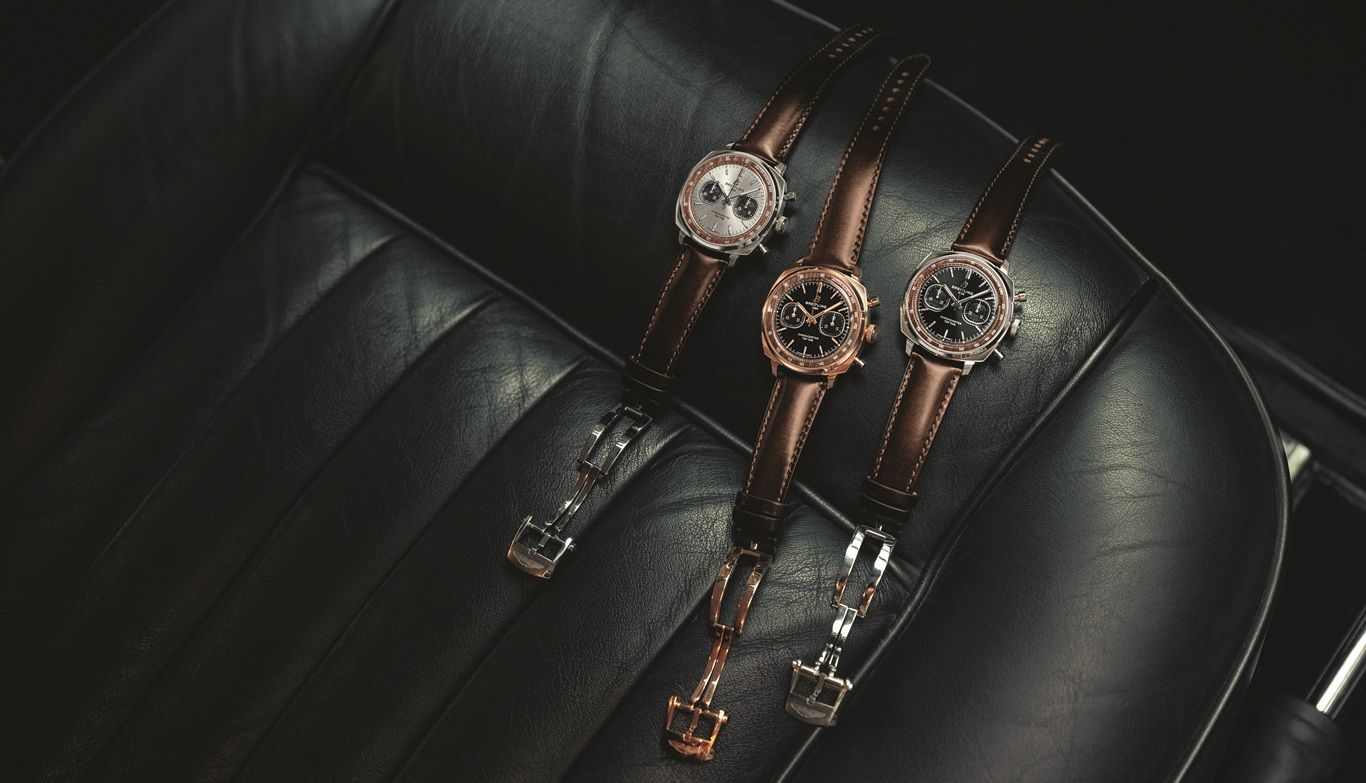
The Breitling Top Time B01 Aston Martin DB5 pairs a cushion-shaped 41mm case, a wooden inner ring and the in-house Caliber 01 across three limited…
By Zach Charles • October 10, 2026
TAG Heuer developed the Mikrograph (2011, 1/100th second), Mikrotimer Flying 1000 (2011, 1/1000th second), and Mikrogirder (2012, 1/2000th second).
Doxa SUB 1500T: The 1,500-Metre Depth-Rating Flagship
By Zach Charles • October 10, 2026
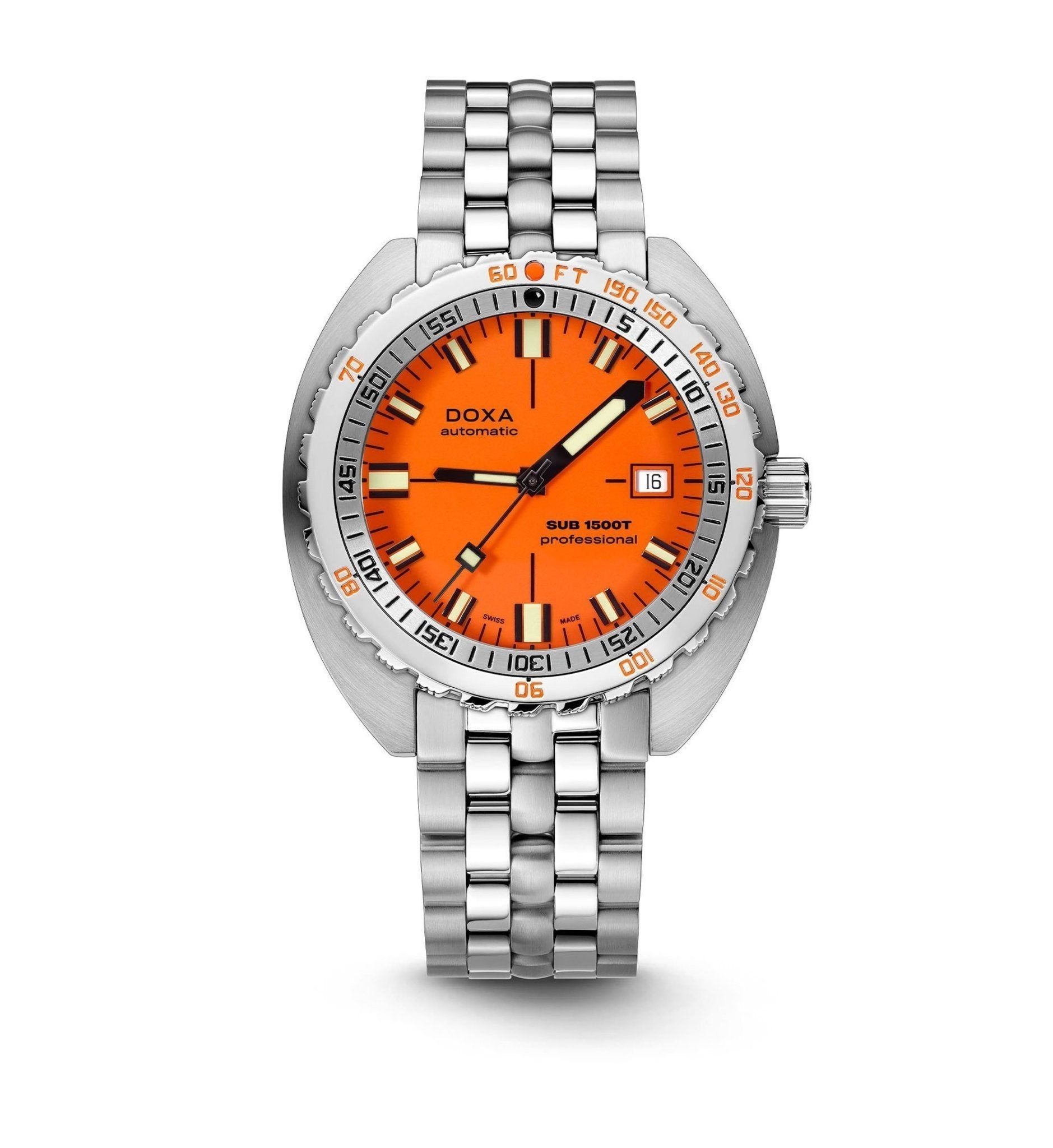
Complete guide to the Doxa SUB 1500T — 45mm, 1,500m depth rating, helium escape valve, ETA 2892-2 movement, USD 2,690.
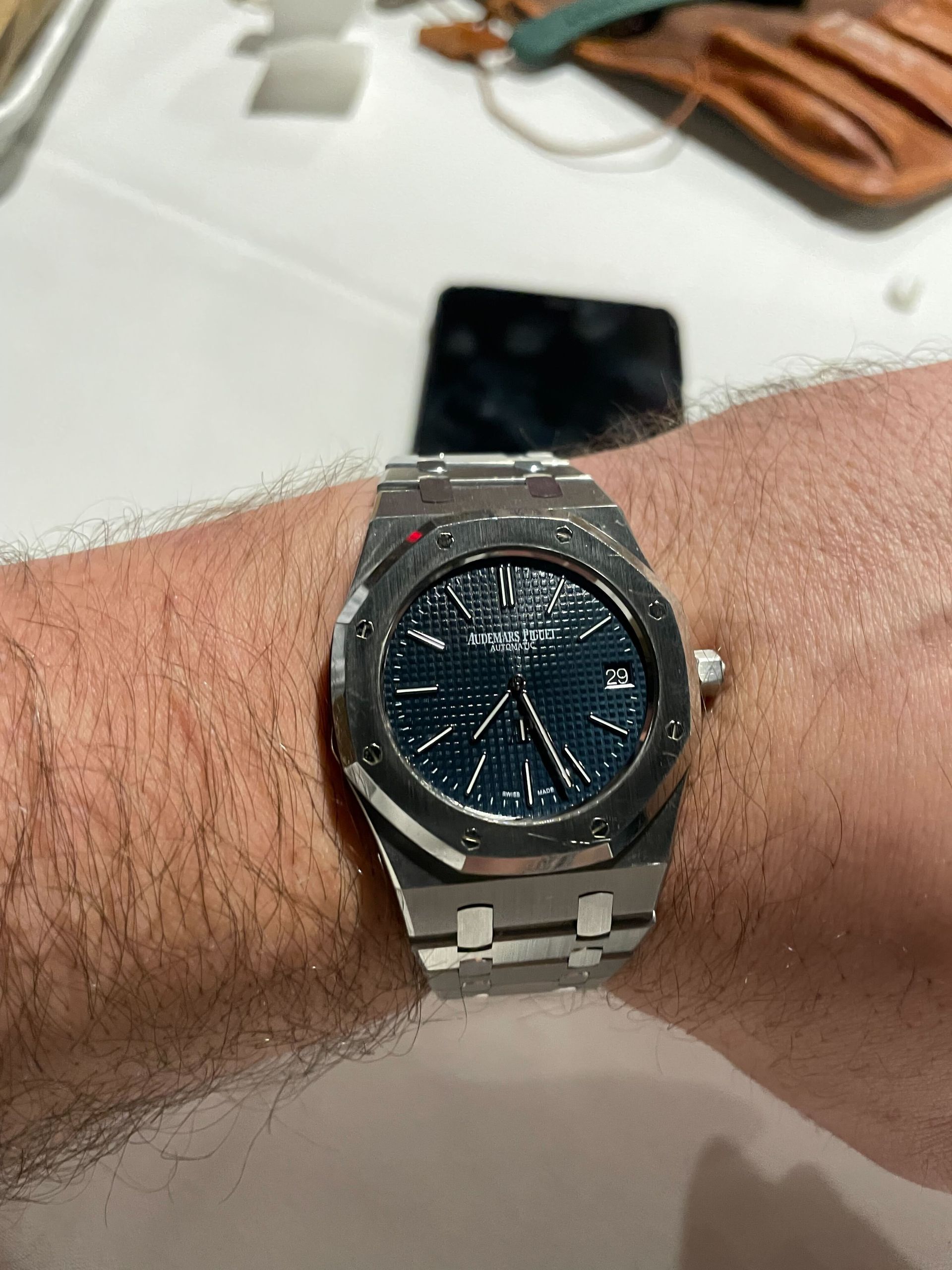
Audemars Piguet Royal Oak 'Jumbo' ref. 15202 with blue tapisserie dial and integrated steel bracelet
By Zach Charles • October 10, 2026
The Audemars Piguet × Swatch Royal Pop is a $400 bioceramic pocket watch in 8 colourways, powered by a new hand-wound SISTEM51 with 90+ hour power…

Time on the Move logo
By Zach Charles • October 10, 2026
Zach Charles is the editor of Time on the Move, an independent watch reference covering brand and model histories, buying guides and release news…
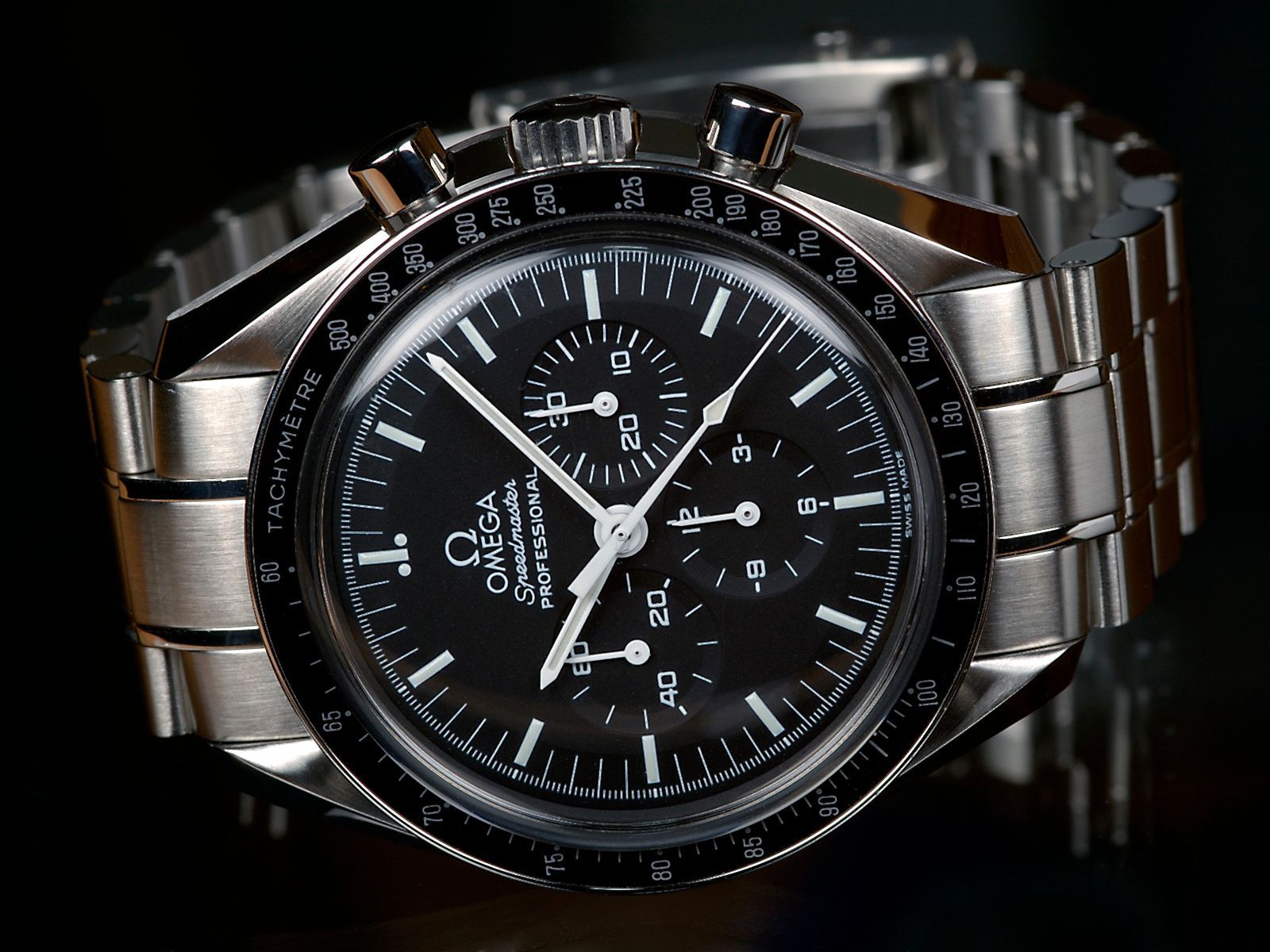
Omega Speedmaster Professional 'Moonwatch' chronograph, front view on steel bracelet
By Zach Charles • October 9, 2026
Find the best watches at every price point from $500 to $15,000 — new and pre-owned. Covers every budget tier with specific reference picks, brand…
By Zach Charles • October 9, 2026
The latest watch news: new releases, Watches and Wonders coverage, discontinuations, industry analysis, and market trends. Currently 1 article.
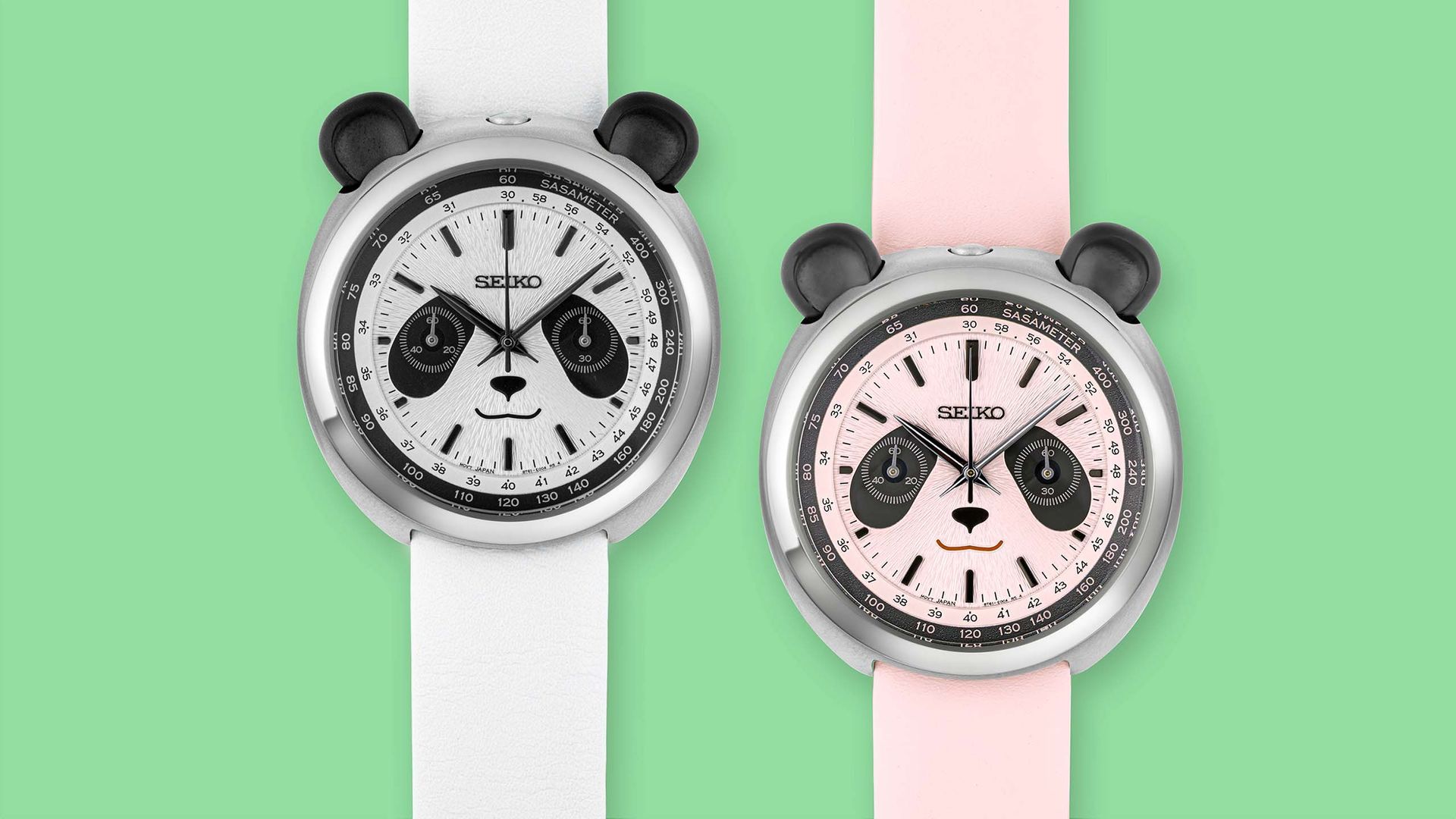
Seiko's New Panda Chronograph Is Literally a Panda: The Power Design Project HHK001 and HHK002
By Zach Charles • October 8, 2026
Seiko's Power Design Project panda chronograph (HHK001, HHK002) turns the panda dial into an actual panda face, with ear pushers, a 'Sasameter' and a 3D…
Show More