
Tudor 1926: The Entry Dress Watch

Zach Charles • September 12, 2026

Share this article

Tudor 1926: The Entry Dress Watch

Hans Wilsdorf registered the Tudor brand in 1926. The first commercial Tudor watches appeared twenty years later, in 1946. The decision to name Tudor's entry dress watch after that registration year rather than 1946 — the actual commercial beginning — is a deliberate choice about what origin story matters: not the first watch sold, but the first intention. The Tudor 1926, introduced at Baselworld 2017, carries that founding year on its dial as both a historical statement and a brand positioning signal.

The 1926's brief is as simple as its design: a traditional round dress watch, available across a range of sizes from 28mm to 41mm, with Oyster case construction, a leather strap, and a clean dial that communicates time and (on date variants) date without decoration beyond what serves legibility. Where the Black Bay family references Tudor's military dive heritage and the Royal references the 1970s sport-dress tradition, the 1926 references nothing specific — it is a round watch with a leather strap, the form that existed before categories were invented and that has outlasted every category trend since.


Origins: The 1926 as a Strategic Entry Point

The Tudor 1926's 2017 introduction came at a specific moment in the brand's repositioning. By 2017, the Black Bay had established Tudor's modern identity, the in-house movement programme was underway, and the brand had returned to the US market. What Tudor lacked was an entry point — a watch for buyers who wanted Tudor ownership, found the Black Bay's sports watch bulk excessive for their wearing habits, and were not yet ready for the Royal's integrated bracelet at its price point.

The 1926 provided that entry point. At approximately $1,500 for the simplest automatic configuration — a price well below any Black Bay and significantly below any Rolex reference — it could be acquired without the deliberation that purchases above $3,000 typically require. It wore on a leather strap, appropriate for office and formal contexts where the Black Bay's sports watch profile was excessive. And it carried the Tudor name, the Oyster case construction, and the brand heritage that Tudor had spent five years actively establishing.


Design: Restraint as a Choice

The 1926's dial is its most considered design element. Round case. Applied hour markers in bar or Arabic numeral configuration depending on reference. Seconds hand. Date window on date variants (at 3 o'clock with Cyclops). The Tudor shield logo at 12 o'clock. The model designation — "1926" — in a consistent typeface below centre. Nothing else.

This restraint is not minimalism as aesthetic fashion — it is the design vocabulary of a conventional dress watch, executed correctly. The hour markers are applied metal rather than printed, giving them three-dimensional presence. The Cyclops lens over the date window is the same magnifying bubble that appears on the Rolex Datejust — a family connection made visible. The leather strap, available in multiple colours (black, brown, navy) and both smooth and textured finishes, places the 1926 unambiguously in dress watch territory.

Dial colours:
- Silver (rhodium) — the most formal; appropriate with both black and brown strap
- White — warmer than silver; particularly effective with a tan leather strap
- Blue — the commercially popular choice; a mid-tone navy that reads as considered rather than fashionable
- Black — the most versatile; works as both a formal watch and a smart-casual reference
- Champagne/gold — warmer tone for two-tone case configurations

Case and size options:
The 1926 is Tudor's most size-inclusive production watch. The 28mm reference is a true small dress watch appropriate for wrists below 6.5 inches; the 34mm is the unisex middle ground; the 36mm is the larger women's size or smaller men's dress watch; the 41mm is the full-size men's dress reference.

Across sizes, the case construction is consistent: screw-down caseback, screw-down crown, 100-metre water resistance. The 1926 is a dress watch by aesthetic, but the Oyster case makes it the most waterproof dress watch at its price point.


The Historical Connection: 1926 and the Oyster Case

The name "1926" connects the watch directly to the founding year of the Tudor brand — but 1926 was also the year Rolex introduced the Oyster case. Hans Wilsdorf registered Tudor in 1926; Rolex introduced the screw-down crown-and-caseback architecture in 1926. The two events are inseparable because they were the same person's work in the same year.

The Oyster case — the screw-down crown, screw-down caseback, and sealed case middle — was the technological development that made the Rolex and Tudor value proposition possible. Without waterproofing, a watch is vulnerable to the most basic environmental stress; with the Oyster case, a watch can be worn through rain, washing, and swimming without risk. The Mercedes Gleitze Channel swim endorsement of 1927 proved the case publicly; the following decades proved it commercially.

When the Tudor 1926 carries the Oyster case construction — 100-metre water resistance on a watch retailing at $1,500 — it is carrying forward the 1926 achievement as a practical specification, not just a name. It is the dress watch that the founding year made possible.


Movement: ETA Positioning

The Tudor 1926 uses ETA-supplied movements across most configurations — the ETA 2824-2 for automatic date variants, manual or quartz for some smaller sizes. This movement choice is consistent with the 1926's price positioning and appropriate to its brief.

A dress watch that retails at $1,500 and is worn daily in office contexts does not benefit from a manufacture movement's technical prestige in the way that a Black Bay with a manufacture movement at $3,775 does. The buyer at $1,500 is acquiring the case construction, the brand heritage, the dial design, and the everyday utility of a reliable automatic watch. The ETA 2824 provides all of these. Its service requirements are modest, its accuracy is consistent, and its repairability by any watchmaker globally is an advantage for a watch that will be worn regularly for decades.

The 1926 does not pretend to offer manufacture movement credentials. It is Tudor's honest entry-level: the foundation of the brand's range, priced to be accessible, and designed to be worn without calculation.


Tudor 1926 vs. Rolex Datejust: The Natural Comparison

The Tudor Prince Oysterdate of the 1980s and 1990s was the predecessor most directly comparable to the Rolex Datejust — same function, same case construction, different movement, significantly different price. The Tudor 1926 occupies a similar position today.

Criterion Tudor 1926 (41mm) Rolex Datejust 126200 (36mm)
Oyster case Yes Yes
Water resistance 100m 100m
Movement ETA 2824-2 Cal. 3235 (in-house)
Power reserve ~42 hours 70 hours
Date Yes (Cyclops) Yes (Cyclops)
Strap Leather Oyster/Jubilee bracelet
Retail price ~$1,500–2,000 ~$7,100

The Datejust's Cal. 3235 is a significantly more capable and refined movement — 70-hour power reserve, silicon hairspring, COSC certification, Rolex manufacture pedigree. The Datejust's bracelet options and metal quality are higher. The Rolex name carries a cultural weight the Tudor cannot replicate.

For a buyer who wants the design function of a round Oyster-case date watch at a price that doesn't require extensive deliberation, the 1926 makes its case cleanly. It is not the Datejust. It is the watch that answers the same brief at one-quarter to one-fifth of the price.


Collecting and Secondary Market

The Tudor 1926 has no secondary market premium — it trades at or below retail on Chrono24 because supply is adequate and demand is satisfied by new retail availability. This is a purchasing advantage: a buyer who wants a 1926 can buy one from an authorised retailer at retail price without waitlists or relationship requirements.

Used examples in good condition — original strap, no moisture damage to dial, running movement — are available at meaningful discounts to retail: $800–$1,200 for recent production date models. For a buyer who wants to try Tudor ownership at minimal cost, a used 1926 is the entry point.


Related Articles

Tudor Collection

The Dress Watch Family (Rolex)

Recent Posts

By Zach Charles • October 10, 2026
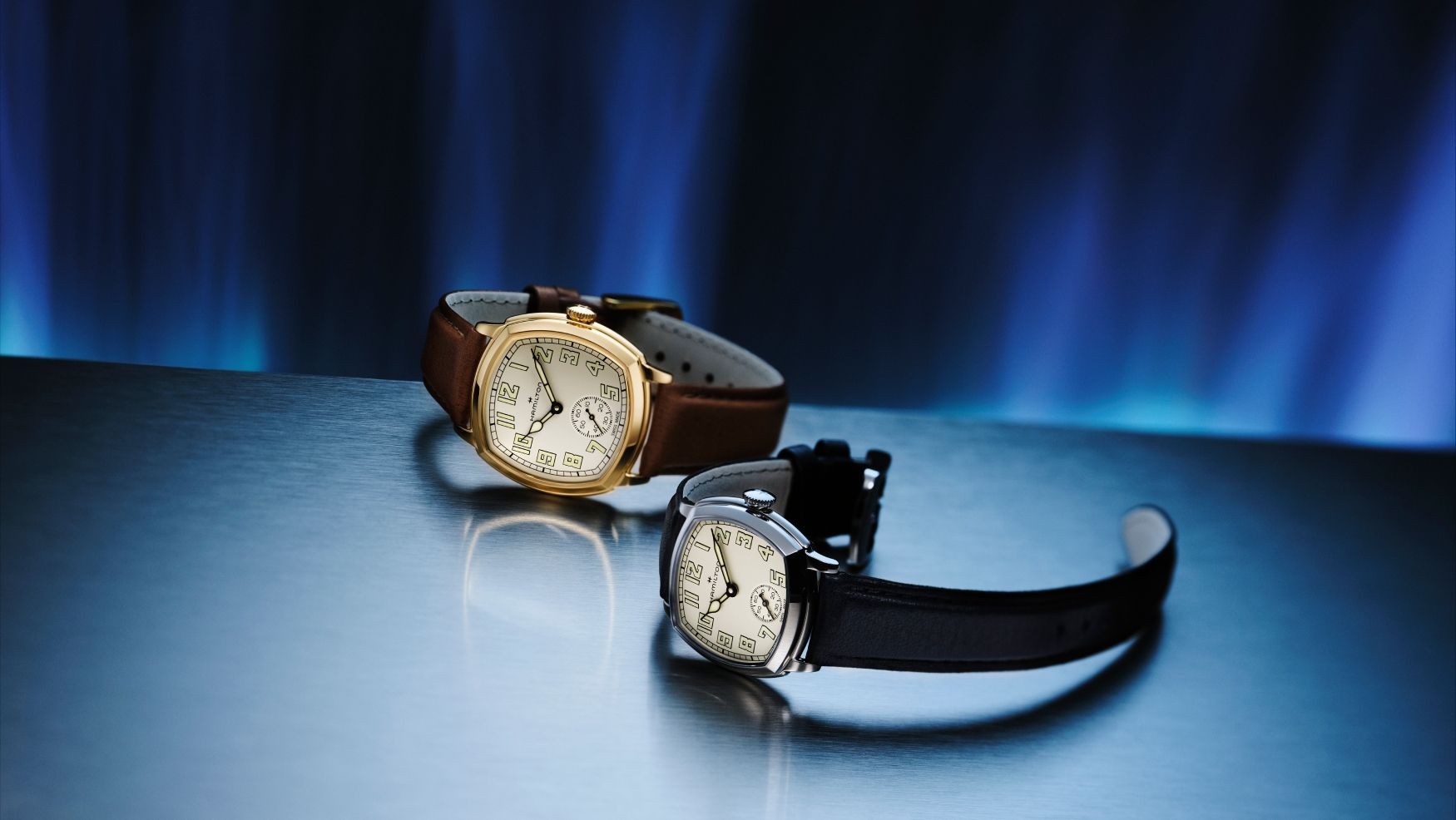
Hamilton's American Classic Cushion Mechanical revives its 1926 Art Deco cushion watches, seen in Oppenheimer, in 30mm and 34mm with the new hand-wound…
Doxa SUB 200: The Accessible Everyday Diver
By Zach Charles • October 10, 2026
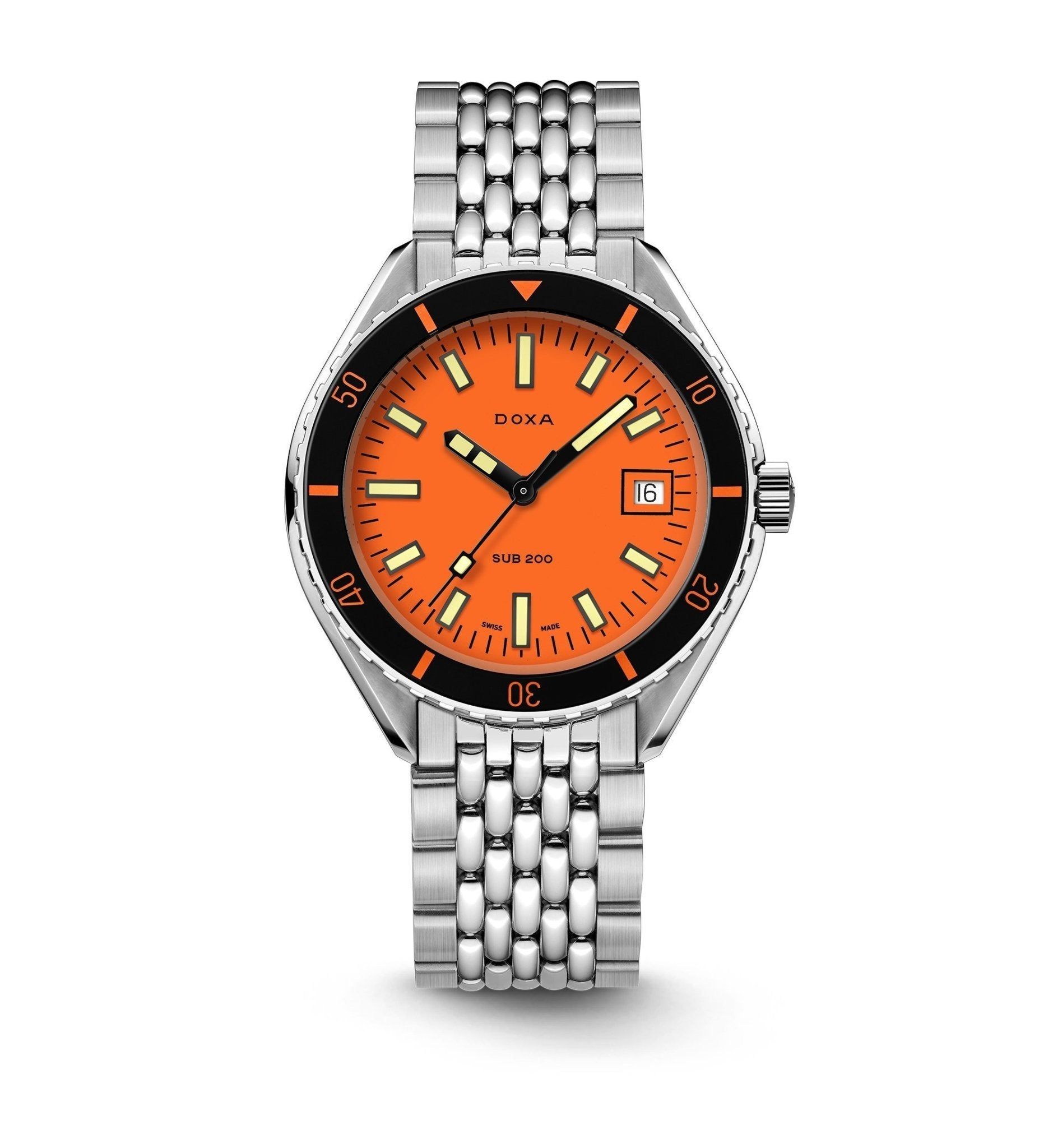
Complete guide to the Doxa SUB 200 — 42mm, 200m, four colorways, Sellita SW200-1. The accessible entry to the Doxa SUB family with the full…
By Zach Charles • October 10, 2026
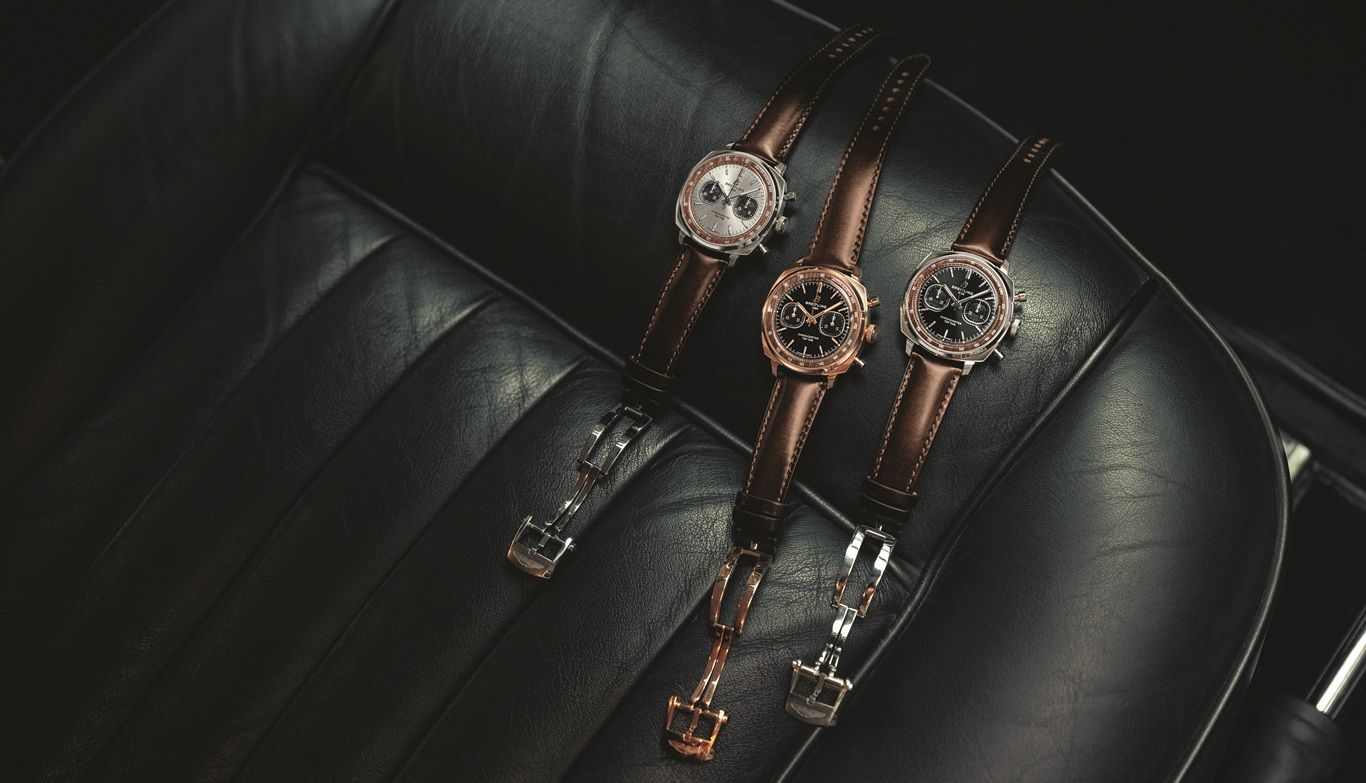
The Breitling Top Time B01 Aston Martin DB5 pairs a cushion-shaped 41mm case, a wooden inner ring and the in-house Caliber 01 across three limited…
By Zach Charles • October 10, 2026
TAG Heuer developed the Mikrograph (2011, 1/100th second), Mikrotimer Flying 1000 (2011, 1/1000th second), and Mikrogirder (2012, 1/2000th second).
Doxa SUB 1500T: The 1,500-Metre Depth-Rating Flagship
By Zach Charles • October 10, 2026
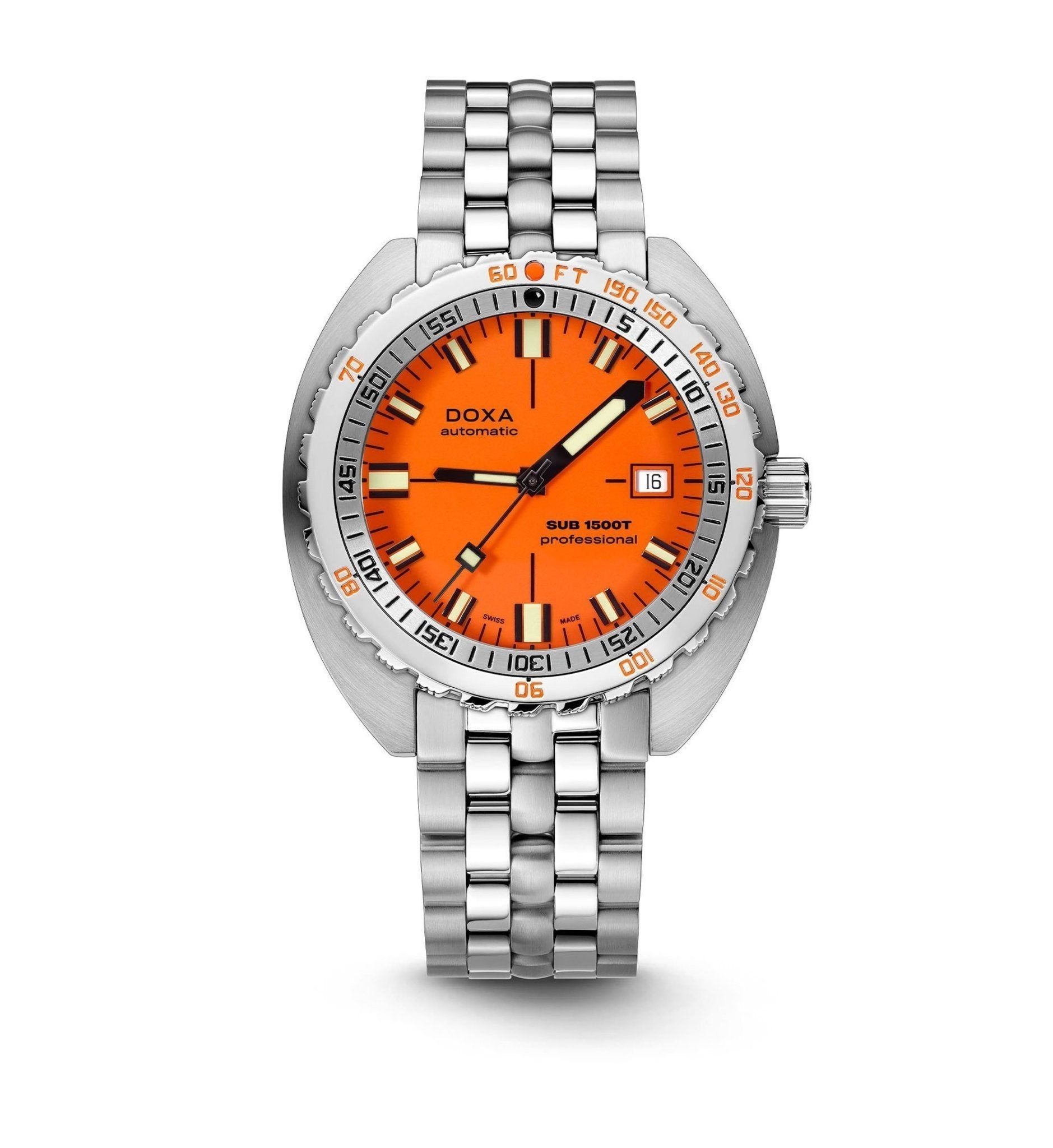
Complete guide to the Doxa SUB 1500T — 45mm, 1,500m depth rating, helium escape valve, ETA 2892-2 movement, USD 2,690.
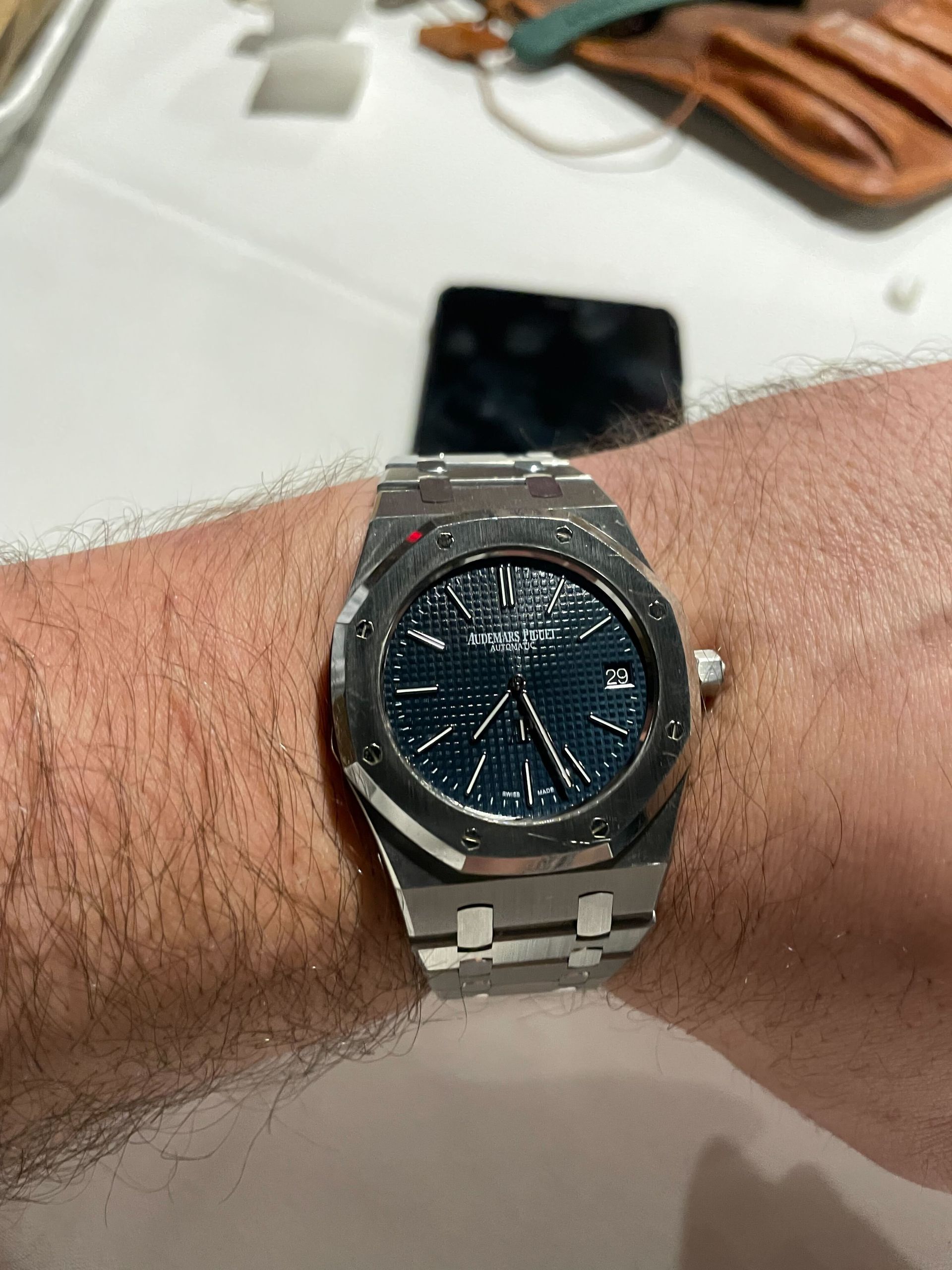
Audemars Piguet Royal Oak 'Jumbo' ref. 15202 with blue tapisserie dial and integrated steel bracelet
By Zach Charles • October 10, 2026
The Audemars Piguet × Swatch Royal Pop is a $400 bioceramic pocket watch in 8 colourways, powered by a new hand-wound SISTEM51 with 90+ hour power…

Time on the Move logo
By Zach Charles • October 10, 2026
Zach Charles is the editor of Time on the Move, an independent watch reference covering brand and model histories, buying guides and release news…
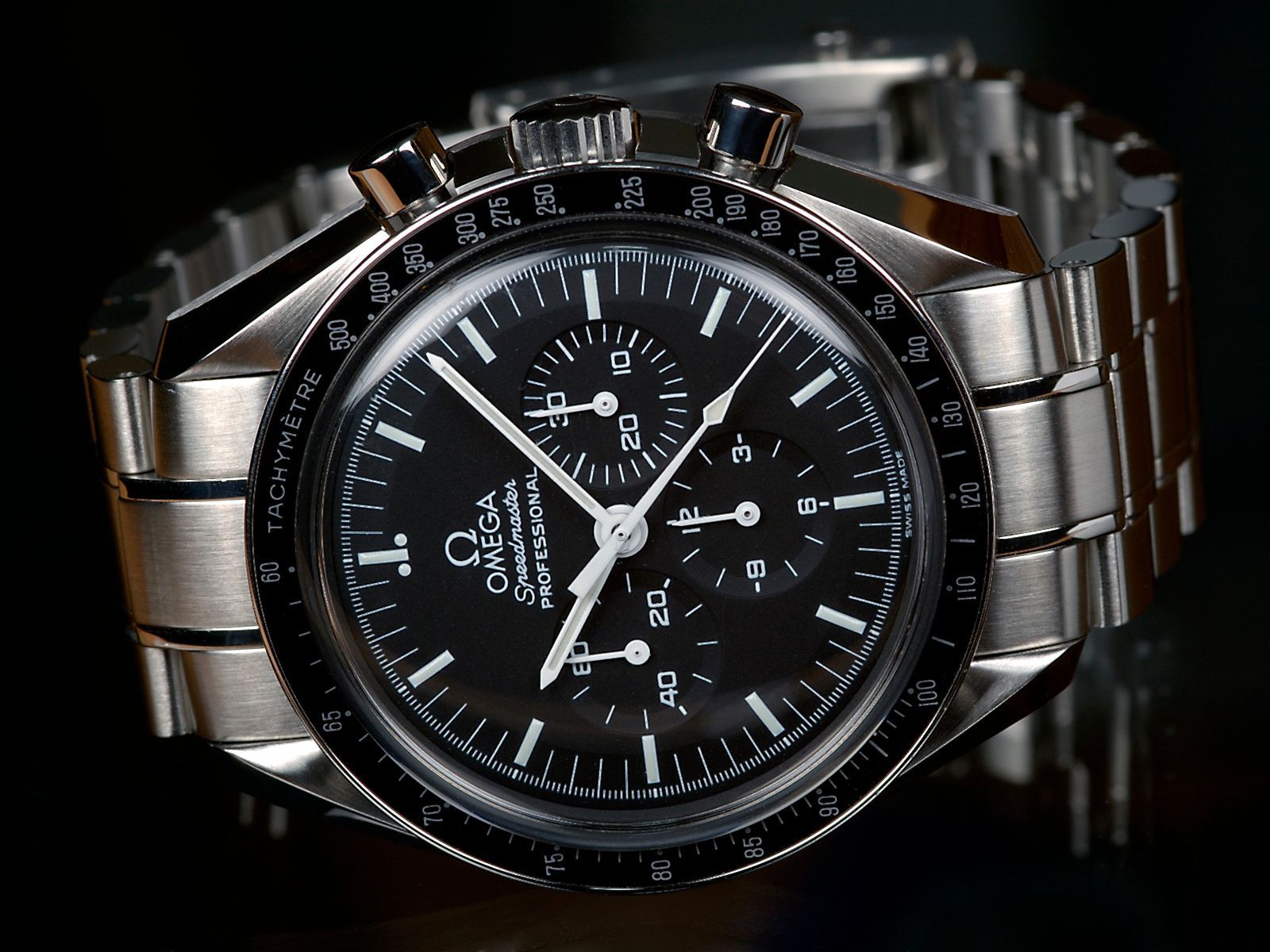
Omega Speedmaster Professional 'Moonwatch' chronograph, front view on steel bracelet
By Zach Charles • October 9, 2026
Find the best watches at every price point from $500 to $15,000 — new and pre-owned. Covers every budget tier with specific reference picks, brand…
By Zach Charles • October 9, 2026
The latest watch news: new releases, Watches and Wonders coverage, discontinuations, industry analysis, and market trends. Currently 1 article.
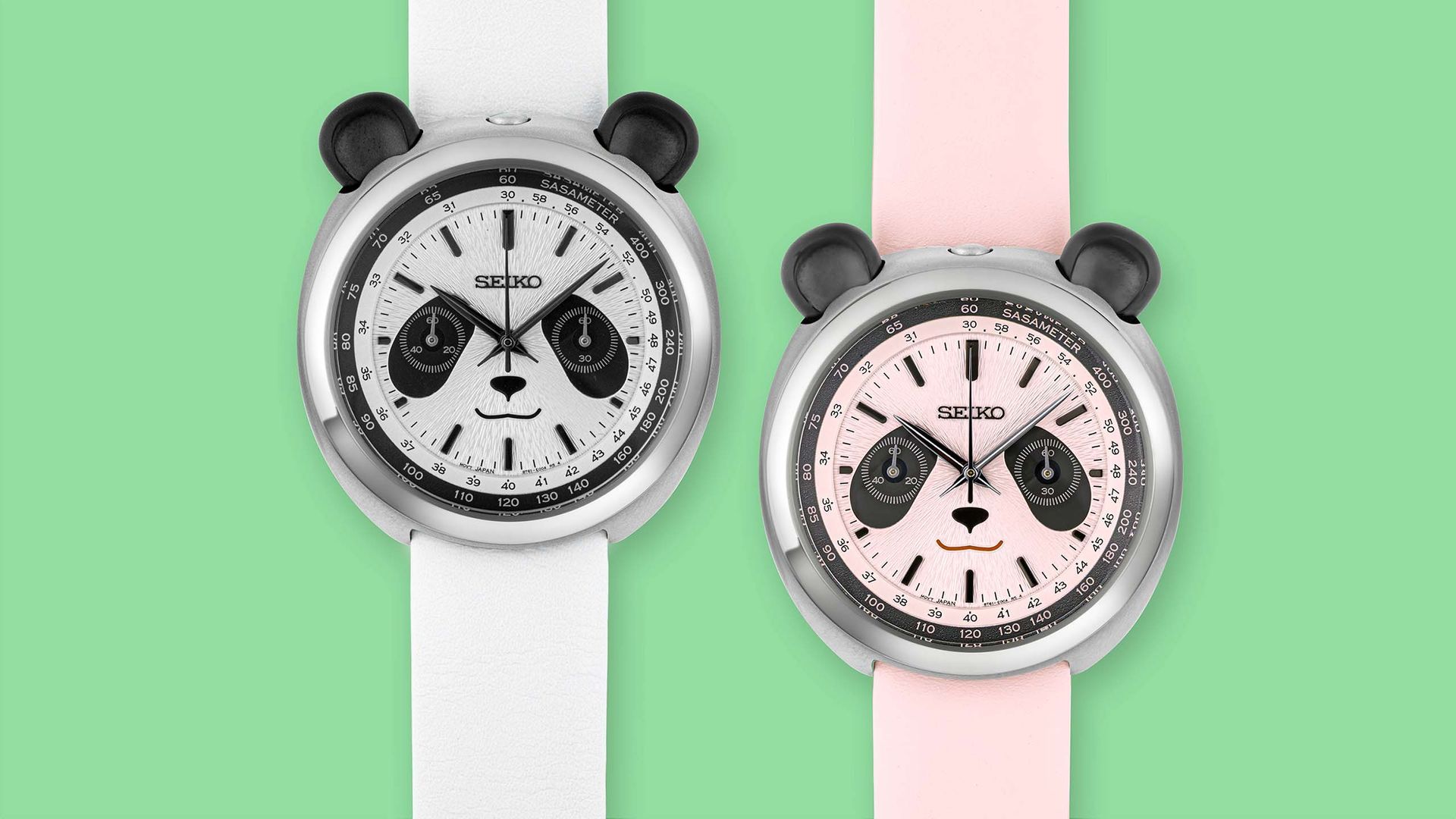
Seiko's New Panda Chronograph Is Literally a Panda: The Power Design Project HHK001 and HHK002
By Zach Charles • October 8, 2026
Seiko's Power Design Project panda chronograph (HHK001, HHK002) turns the panda dial into an actual panda face, with ear pushers, a 'Sasameter' and a 3D…
Show More