
TAG Heuer In-House Calibres: From Calibre 11 to Heuer 02

Zach Charles • August 26, 2026

Share this article

TAG Heuer In-House Calibres

TAG Heuer's movement history has two distinct phases: the era of outsourced calibres, and the era of claimed in-house production. The boundary between them is not clean. The Calibre 11 in 1969 was a consortium product — manufactured by Büren and Dubois-Dépraz, not by Heuer. The Calibre 1887 in 2010 was marketed as in-house but built on a Seiko platform. The Calibre Heuer 01 in 2015 was genuinely manufactured in TAG Heuer's facilities, though its base architecture retained the SII lineage. The Calibre Heuer 02 in 2017 delivered the specification — 80-hour power reserve, column wheel, COSC certification — that the in-house programme had been working towards.


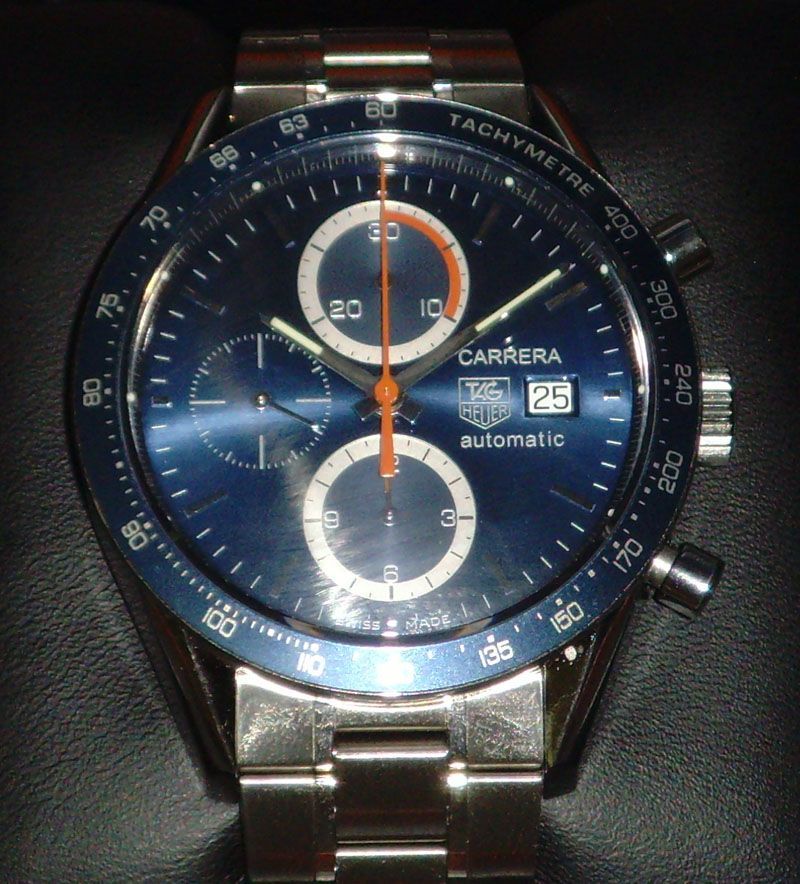
TAG Heuer Monaco Gulf Racing edition with Calibre 12
TAG Heuer Monaco Gulf Racing edition — Calibre 12 automatic, limited to 5,000 pieces, featuring the blue and orange Gulf Oil livery on the iconic square case.
Photo: Ferengi — CC BY-SA 3.0 — Wikimedia Commons
The Calibre 11 — 1969

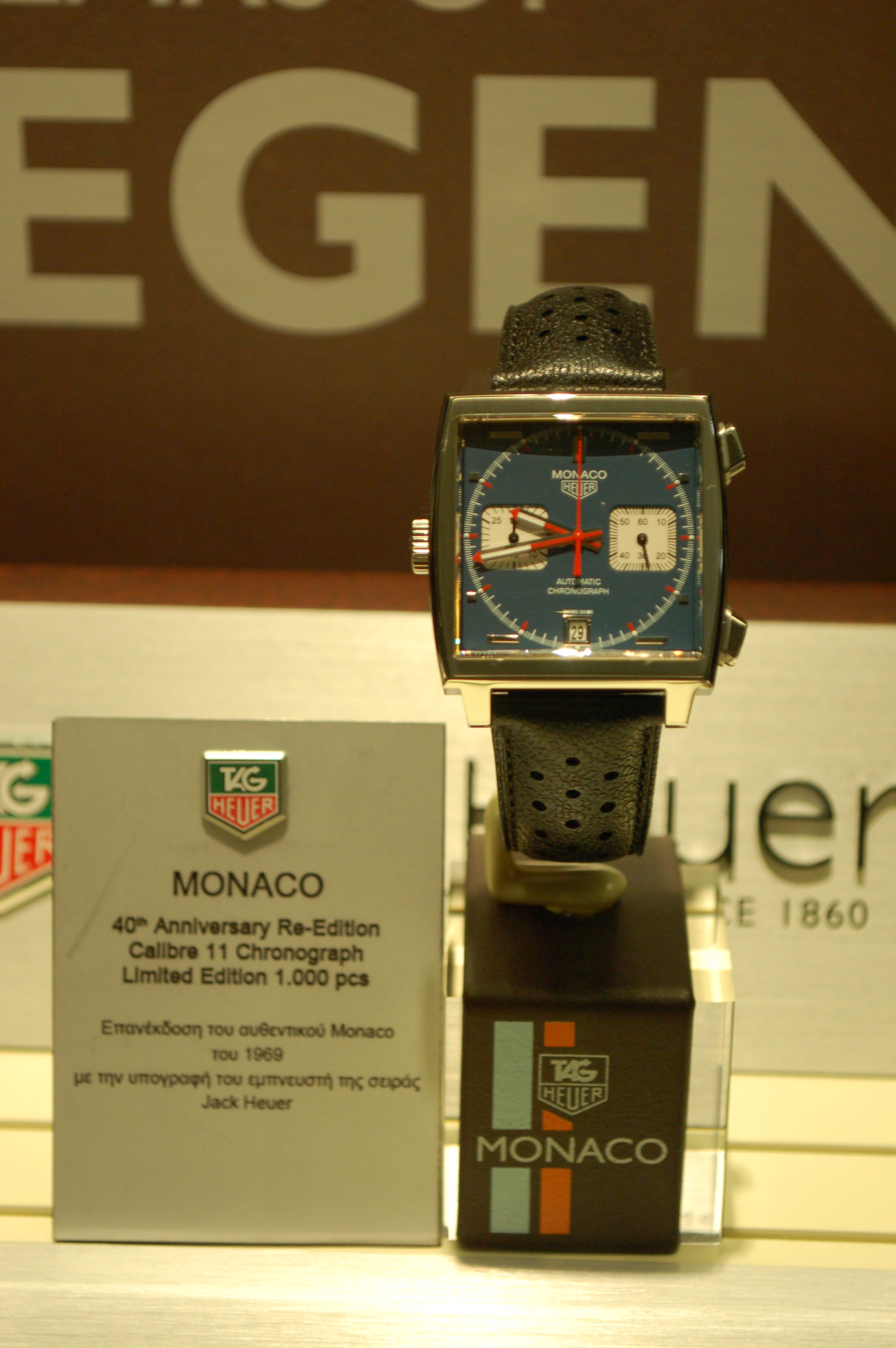
TAG Heuer Monaco 40th Anniversary re-edition with Calibre 11
TAG Heuer Monaco 40th Anniversary re-edition with Calibre 11 automatic movement — honoring the original 1969 calibre that made watchmaking history.
Photo: Ferengi — CC BY-SA 3.0 — Wikimedia Commons
The Calibre 11 was the movement that defined TAG Heuer's chronograph identity and remains the most historically significant calibre associated with the brand.

The Consortium

The Calibre 11 was not developed by Heuer alone. It was produced through a commercial consortium:

Partner Contribution
Büren Watch Co. / Hamilton-Büren Manufactured the micro-rotor base automatic movement
Dubois-Dépraz Developed and manufactured the chronograph module
Heuer-Léonidas Commercial partner, financed production and marketing
Breitling Commercial partner, financed production and marketing

The movement was announced on 3 March 1969 simultaneously with the Monaco watch. It is described as the first automatic integrated column-wheel chronograph to reach commercial production — though Zenith's El Primero, announced on 10 January 1969, was a fully integrated design (rather than modular) running at higher frequency.

Calibre 11 Specifications

Specification Value
Type Automatic, micro-rotor
Frequency 19,800 vph (2.75 Hz)
Jewels 17
Dimensions 31 mm × 7.7 mm
Power reserve 42 hours
Display Bi-compax (30-min counter, 12-hr counter)
Crown position Left side (9 o'clock on case)

The family : The Calibre 11 was the base; related variants included the Calibre 12 (the primary commercial product, also 19,800 vph), Calibre 14 (adds 24-hour display), and Calibre 15 (adds small seconds sub-dial).


The Pre-Manufacture Era — Outsourced Calibres

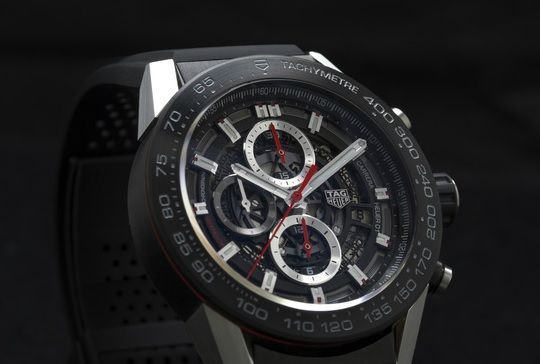
TAG Heuer Carrera with outsourced automatic movement
TAG Heuer Carrera Automatic Chronograph with blue dial on steel bracelet — representing the era when TAG Heuer used outsourced calibres in its sport watches.
Photo: Mike Chapman — CC BY-SA 3.0 — Wikimedia Commons
Between the Calibre 11 consortium era and the 2010 in-house programme, TAG Heuer's movements came from external suppliers:

  • Lemania 5100 : Used in some Carrera and Monaco variants in the 1970s–1980s
  • ETA 7750 : A widely used automatic chronograph base, used in TAG Heuer references across the 1980s–2000s (Calibre 16 designation)
  • ETA 2824-2 : Used in non-chronograph automatics (Calibre 5 designation)

The use of ETA/Valjoux movements was standard practice across the Swiss industry during this period. TAG Heuer designated these calibres with its own numbering (Calibre 5, Calibre 16) without disguising their origins.


Calibre 1887 — 2010

In late 2009 , TAG Heuer announced the Calibre 1887 — named after the year of Edouard Heuer's oscillating pinion patent. It was marketed as an in-house movement, the brand's first significant step beyond outsourced calibres.

The Seiko Controversy

Within days of the announcement, watch enthusiasts identified that the Calibre 1887's architecture bore a strong structural resemblance to the Seiko TC78 platform (used in Seiko's 6S37 calibre), which Seiko Instruments Inc. ( SII ) had developed and patented in 1997 .

The facts, as subsequently acknowledged:
- TAG Heuer had purchased exclusive manufacturing rights for Europe from SII in 2006
- The Calibre 1887 was manufactured in TAG Heuer's Le Locle facility using the SII-derived architecture
- TAG Heuer made modifications to the movement after acquiring the rights

TAG Heuer's position (stated by then-CEO Jean-Christophe Babin): the company had purchased the intellectual property, made substantial modifications, and manufactured the movement entirely in Switzerland — qualifying it as Swiss Made. The "in-house" claim was defended on manufacturing-location grounds rather than original-design grounds.

Collector opinion has never fully resolved the controversy. The Calibre 1887 delivered a column-wheel automatic chronograph in an attractive 28,800 vph specification, visible through a skeleton bridge with a blued column wheel — a legitimate product. Its architectural origin remained an open question.

Calibre 1887 Specifications

  • Type : Automatic, column wheel
  • Frequency : 28,800 vph (4 Hz)
  • Power reserve : ~42 hours
  • Visible features : Column wheel (blued on early examples), skeleton chronograph bridge


Calibre Heuer 01 — 2015

TAG Heuer Carrera Heuer 01 in-house chronograph
TAG Heuer Carrera Heuer 01 — the model that introduced TAG Heuer’s first fully in-house column-wheel chronograph movement.
Photo: Personey — CC BY-SA 4.0 — Wikimedia Commons

The Calibre Heuer 01 was introduced at Baselworld 2015 in the Carrera Calibre Heuer 01. TAG Heuer called it "the first fully in-house calibre" — accurate in the sense that it was manufactured entirely in TAG Heuer's facilities. It retained the base architecture inherited from the SII platform, though with further development and visual redesign.

Specification Value
Type Automatic, column wheel
Frequency 28,800 vph (4 Hz)
Power reserve 40 hours
Jewels 39
Visible features Red-anodised column wheel, open-worked chronograph bridge

The visual changes from the 1887 were deliberate: the blued column wheel became red-anodised, the skeleton bridge was redesigned, and the rotor received a black coating. These changes gave the Heuer 01 a distinctive appearance that differentiated it from the 1887 in the display caseback.


Calibre Heuer 02 — 2017

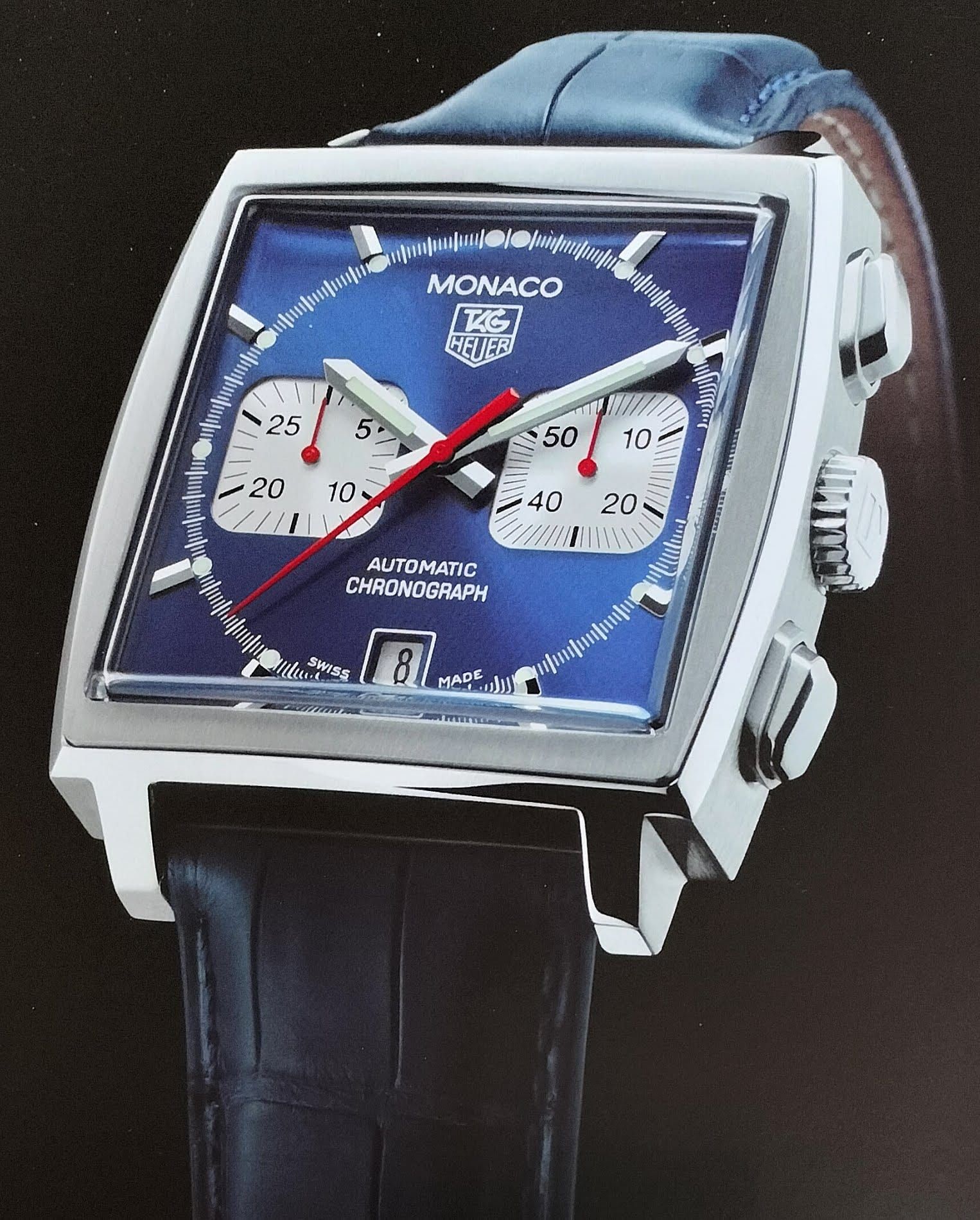
TAG Heuer Monaco 24 with Calibre 36 high-frequency movement
TAG Heuer Monaco 24 with Calibre 36 running at 36,000 BPH — an earlier example of TAG Heuer’s ambition to push chronograph movement performance.
Photo: Ferengi — CC BY-SA 3.0 — Wikimedia Commons
The Calibre Heuer 02 is the current primary chronograph calibre — an evolution of the Heuer 01 with a substantially improved power reserve.

Specification Value
Type Automatic, column wheel
Frequency 28,800 vph (4 Hz)
Power reserve 80 hours
Jewels 39
Clutch Vertical clutch
Certification COSC chronometer

The 80-hour power reserve is the headline upgrade — a step change from the Heuer 01's 40 hours and one of the longer power reserves in the automatic chronograph category. The vertical clutch provides smoother chronograph engagement with less hand jump at the moment of start. COSC certification means every movement is individually tested and certified to −4/+6 seconds per day.

The Calibre Heuer 02 powers the current Carrera, Autavia, and Monaco chronograph collections.


Calibre Heuer 02T Tourbillon Nanograph — 2017

The Calibre Heuer 02T is the pinnacle of the current in-house programme: an automatic tourbillon chronograph at a price point that directly challenged the established tourbillon market.

Specification Value
Type Automatic tourbillon, column wheel
Frequency 28,800 vph (4 Hz)
Tourbillon One-minute tourbillon
Power reserve 65 hours
Jewels 33
Diameter 31 mm
Hairspring Carbon composite (Nanograph)
Certification COSC chronometer
Case 45 mm titanium/carbon
Price ~CHF 24,900

The Nanograph hairspring : TAG Heuer developed a carbon composite hairspring manufactured in-house — termed "Nanograph." Carbon composite hairsprings have several theoretical advantages over traditional steel: they are non-magnetic, immune to temperature variation, and do not require a temperature-compensating alloy. The Nanograph hairspring is produced in TAG Heuer's own facility — a genuine technical development rather than a vendor-supplied component.

The price : At approximately CHF 24,900, the Heuer 02T was positioned as dramatically more accessible than comparable Swiss tourbillons. Most Swiss-brand tourbillons enter the market at CHF 50,000–150,000+. The 02T demonstrated that a functional, COSC-certified tourbillon chronograph could be produced at a substantially lower price when manufacturing efficiency is prioritised over prestige positioning.


Calibre Summary

TAG Heuer Monaco 2020
TAG Heuer Monaco 2020 reference — the current-generation square-case automatic chronograph.
Photo: EMore98 — CC BY-SA 4.0 — Wikimedia Commons
Calibre Year Type Frequency Power Reserve Key Feature
Calibre 11 1969 Auto, micro-rotor 19,800 vph 42 hours First auto chronograph consortium
Calibre 1887 2010 Auto, column wheel 28,800 vph 42 hours SII-origin controversy
Heuer 01 2015 Auto, column wheel 28,800 vph 40 hours First "fully in-house" manufacture
Heuer 02 2017 Auto, column wheel 28,800 vph 80 hours COSC, vertical clutch
Heuer 02T 2017 Auto, tourbillon 28,800 vph 65 hours Nanograph hairspring, ~CHF 24,900
Calibre 5 Ongoing Auto 28,800 vph 38 hours ETA 2824-2, Aquaracer/Formula 1

Frequently Asked Questions

What was the Calibre 11?
A consortium automatic chronograph movement, announced 3 March 1969. Partners: Büren (base movement), Dubois-Dépraz (chronograph module), Heuer-Léonidas and Breitling (commercial). 19,800 vph, 42-hour power reserve, 31mm × 7.7mm, bi-compax layout.

What was the Calibre 1887 controversy?
The Calibre 1887 (2010), marketed as in-house, was identified as architecturally derived from the Seiko SII TC78 platform (1997). TAG Heuer had purchased manufacturing rights from SII in 2006. The movement was manufactured in Switzerland but on a non-original architecture.

What is the Calibre Heuer 02?
TAG Heuer's current in-house automatic chronograph: 28,800 vph, 80-hour power reserve, column wheel, vertical clutch, COSC certified, 39 jewels. Powers the current Carrera, Autavia, and Monaco.

What is the Nanograph hairspring?
A carbon composite hairspring developed and manufactured in-house by TAG Heuer, used in the Calibre Heuer 02T tourbillon. Carbon composite is non-magnetic and temperature-insensitive.


Related Articles

Recent Posts

By Zach Charles • October 10, 2026
Hamilton's American Classic Cushion Mechanical revives its 1926 Art Deco cushion watches, seen in Oppenheimer, in 30mm and 34mm with the new hand-wound…
Doxa SUB 200: The Accessible Everyday Diver
By Zach Charles • October 10, 2026
Complete guide to the Doxa SUB 200 — 42mm, 200m, four colorways, Sellita SW200-1. The accessible entry to the Doxa SUB family with the full…
By Zach Charles • October 10, 2026
The Breitling Top Time B01 Aston Martin DB5 pairs a cushion-shaped 41mm case, a wooden inner ring and the in-house Caliber 01 across three limited…
By Zach Charles • October 10, 2026
TAG Heuer developed the Mikrograph (2011, 1/100th second), Mikrotimer Flying 1000 (2011, 1/1000th second), and Mikrogirder (2012, 1/2000th second).
Doxa SUB 1500T: The 1,500-Metre Depth-Rating Flagship
By Zach Charles • October 10, 2026
Complete guide to the Doxa SUB 1500T — 45mm, 1,500m depth rating, helium escape valve, ETA 2892-2 movement, USD 2,690.
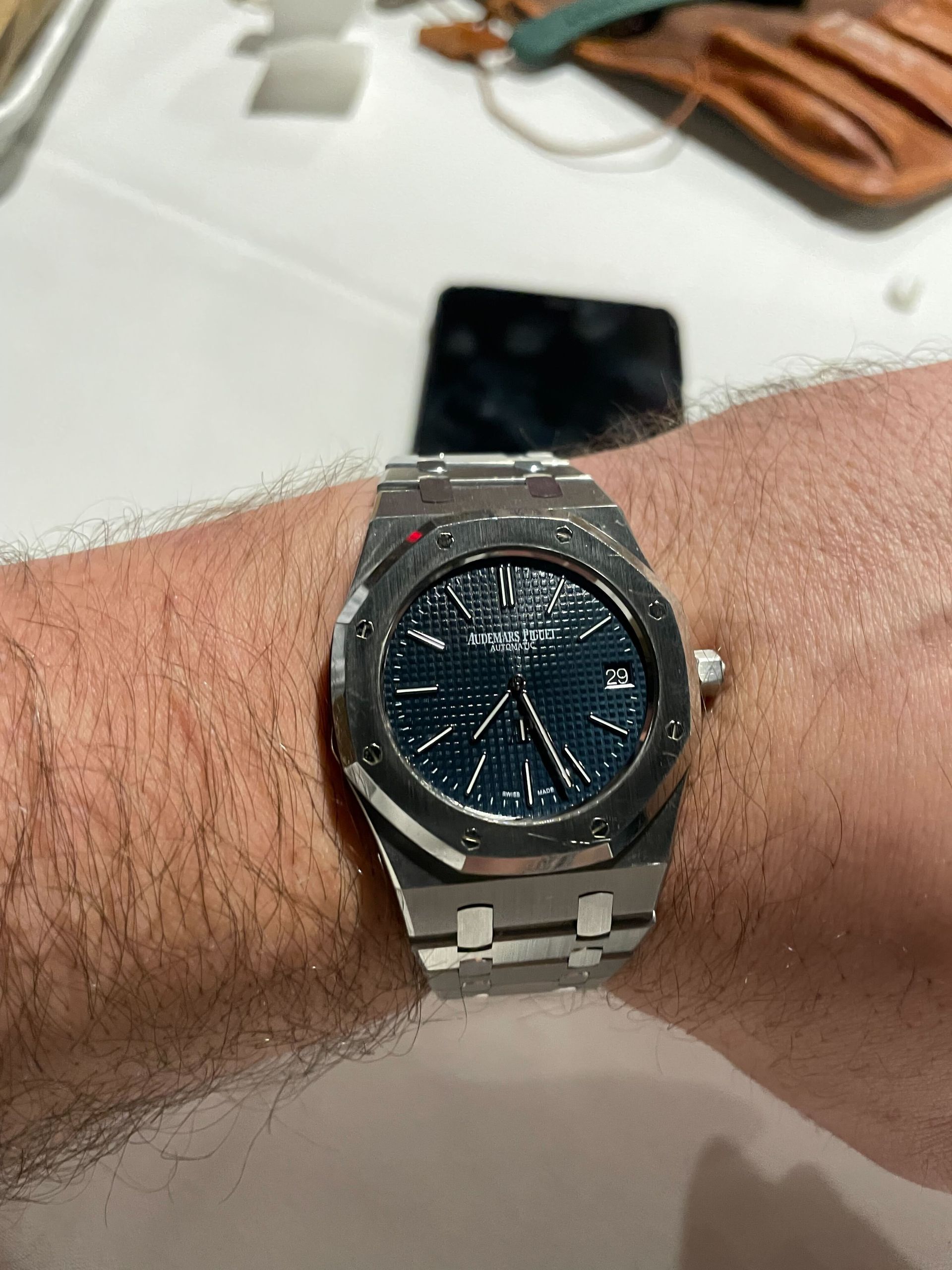
Audemars Piguet Royal Oak 'Jumbo' ref. 15202 with blue tapisserie dial and integrated steel bracelet
By Zach Charles • October 10, 2026
The Audemars Piguet × Swatch Royal Pop is a $400 bioceramic pocket watch in 8 colourways, powered by a new hand-wound SISTEM51 with 90+ hour power…

Time on the Move logo
By Zach Charles • October 10, 2026
Zach Charles is the editor of Time on the Move, an independent watch reference covering brand and model histories, buying guides and release news…
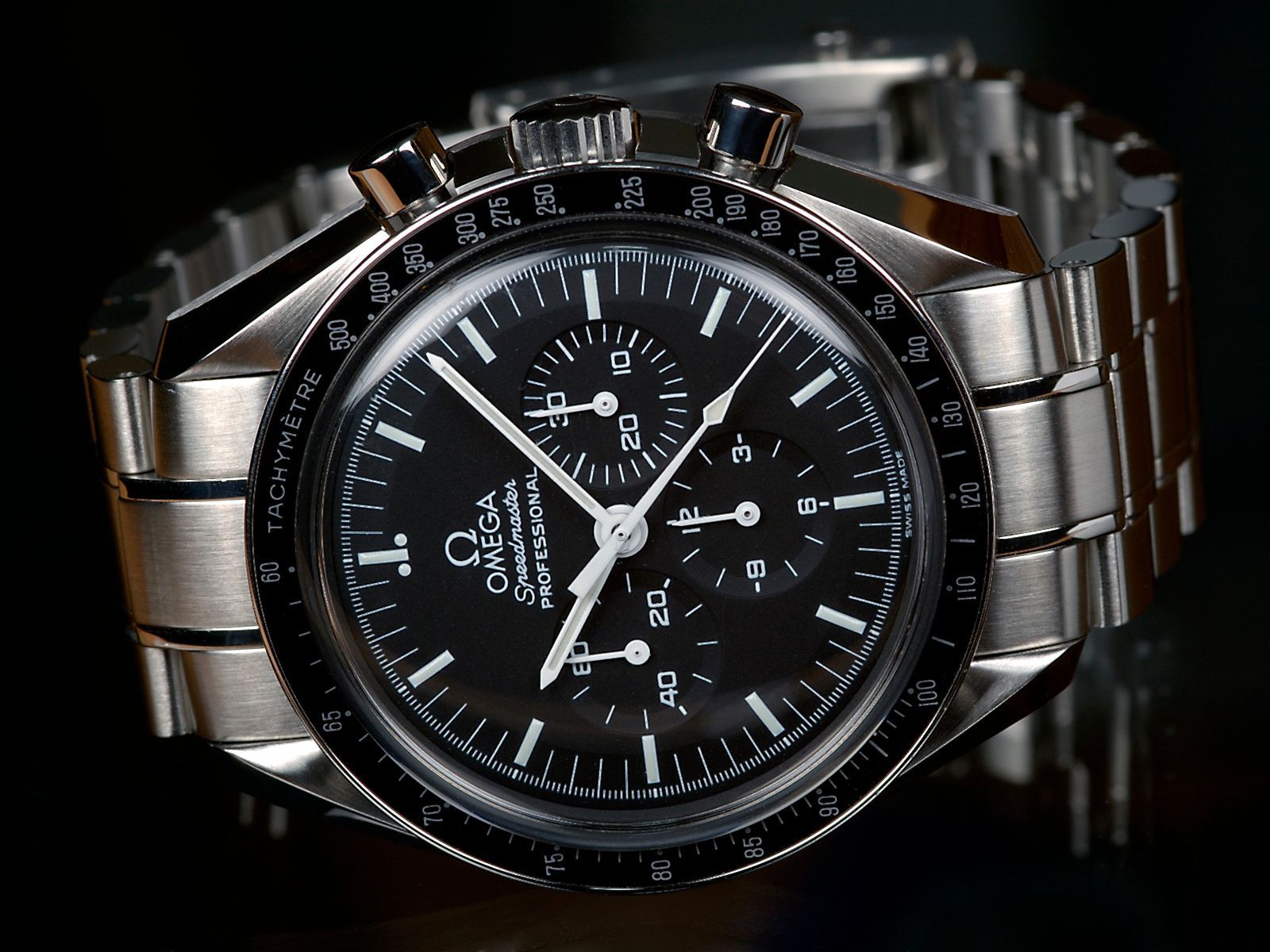
Omega Speedmaster Professional 'Moonwatch' chronograph, front view on steel bracelet
By Zach Charles • October 9, 2026
Find the best watches at every price point from $500 to $15,000 — new and pre-owned. Covers every budget tier with specific reference picks, brand…
By Zach Charles • October 9, 2026
The latest watch news: new releases, Watches and Wonders coverage, discontinuations, industry analysis, and market trends. Currently 1 article.
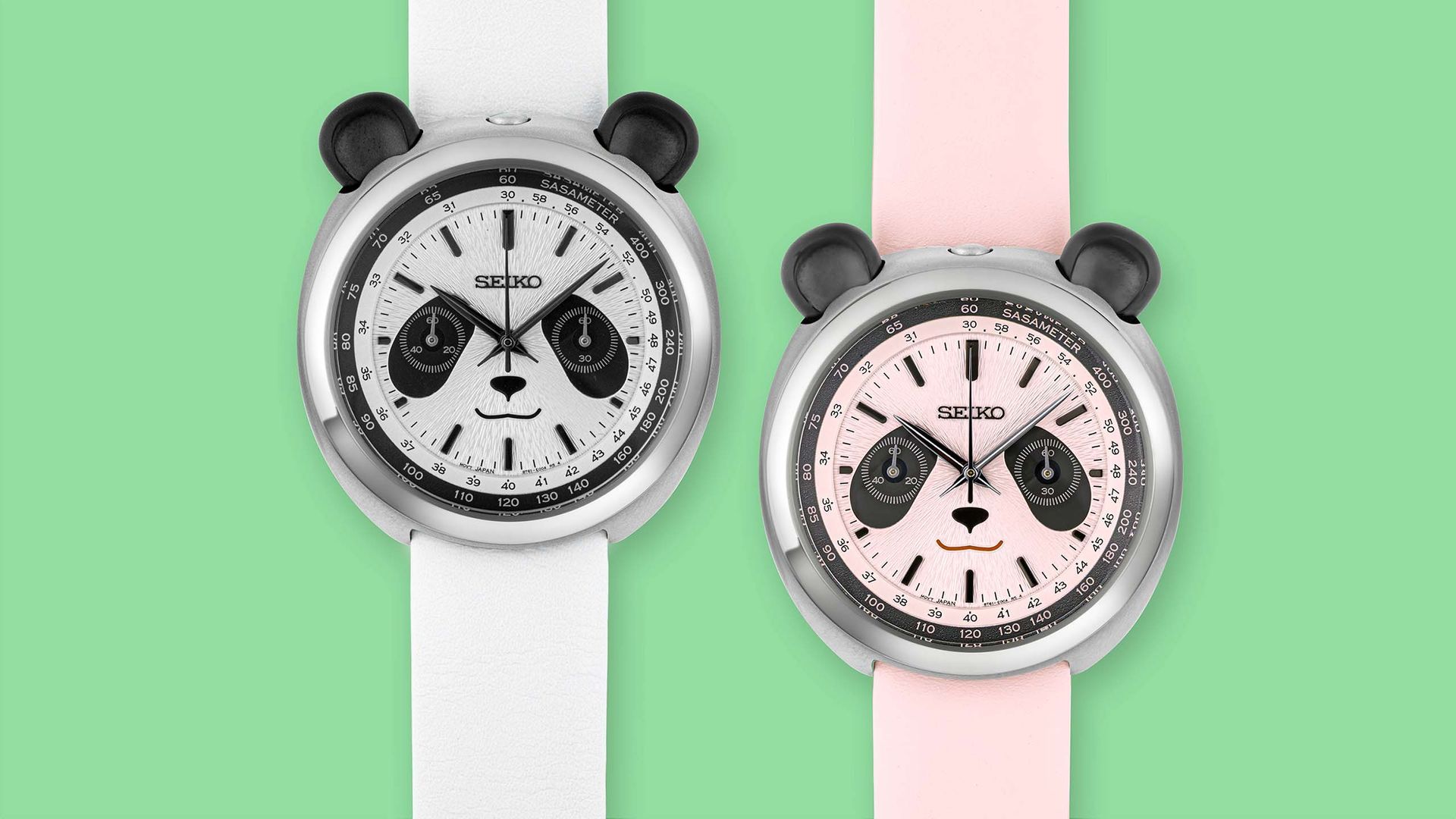
Seiko's New Panda Chronograph Is Literally a Panda: The Power Design Project HHK001 and HHK002
By Zach Charles • October 8, 2026
Seiko's Power Design Project panda chronograph (HHK001, HHK002) turns the panda dial into an actual panda face, with ear pushers, a 'Sasameter' and a 3D…
Show More