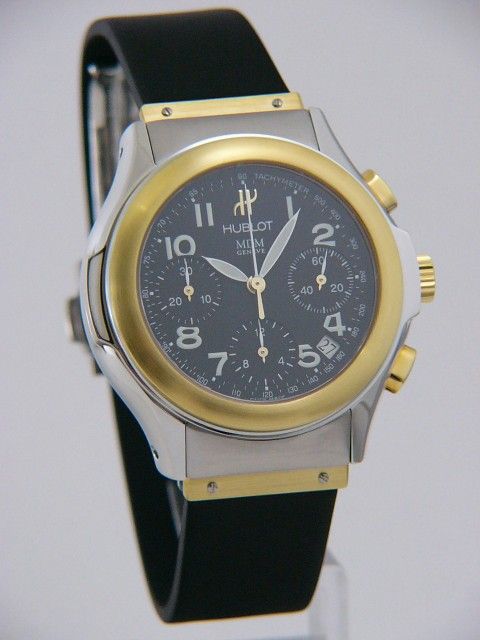
Hublot Materials Innovation: Magic Gold, Ceramic, and Sapphire

Zach Charles • July 25, 2026

Share this article

Hublot Materials Innovation: Magic Gold, Ceramic, and Sapphire

Materials innovation is not peripheral to Hublot's strategy — it is the strategy. The Art of Fusion philosophy commits the brand to seeking material combinations that no traditional watchmaker would attempt, and then making those combinations work at luxury tolerances. The development of Magic Gold, proprietary ceramics, full sapphire cases, and composite materials like Texalium represents genuine materials research rather than merely sourcing unusual components from suppliers.


Magic Gold — Scratch-Resistant 18-Carat Gold

Hublot Manufacture Nyon building
The Hublot Manufacture in Nyon, Switzerland — inaugurated in 2009 following the LVMH acquisition, housing UNICO movement assembly, materials research, and quality control for the brand’s full watch range.
Photo: La MèreVeille — CC BY-SA 4.0 — Wikimedia Commons
Magic Gold , developed in collaboration with the Swiss Federal Institute of Technology (EPFL) , is Hublot's most scientifically significant material achievement. It is an 18-carat gold alloy — qualifying as standard 18k gold by purity — that is significantly harder than conventional gold alloys.

Standard 18-carat gold (75% gold, 25% other metals including copper, silver, and platinum in various combinations) achieves a Vickers hardness of approximately 200–250 HV . Magic Gold achieves approximately 1,000 HV — comparable to sapphire crystal and four to five times harder than standard gold.

The hardness is achieved through a powder metallurgy process : gold and boron carbide powders are pressed and sintered together under controlled conditions, creating a composite microstructure in which the boron carbide ceramic phase is distributed throughout the gold matrix. The result is chemically 18-carat gold (satisfying hallmarking requirements) but mechanically a composite material.

Implications: a Magic Gold watch does not develop the scratches that accumulate on conventional gold watches through normal wear. The surface maintains its original finish indefinitely under typical wearing conditions.


Proprietary Black Ceramic

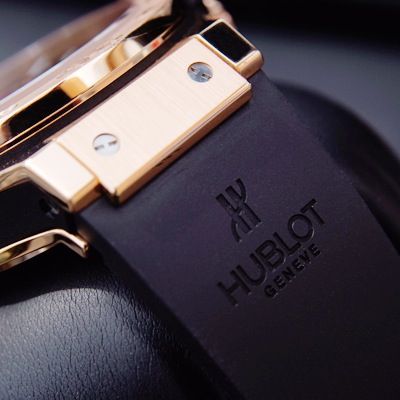
Hublot watch with natural rubber strap
A Hublot wristwatch with the brand’s signature natural rubber strap — the material combination of gold and rubber that Carlo Crocco pioneered in 1980 and that remains the foundation of Hublot’s Art of Fusion identity.
Photo: Ivitech — CC BY 3.0 — Wikimedia Commons

Hublot's black ceramic cases are made from zirconium oxide (ZrO₂) — a technical ceramic used in medical implants and dental crowns for its combination of hardness, inertness, and black colouration when processed with sintering additives.

The ceramic production process:
1. Zirconium oxide powder is mixed with pigments and binding agents
2. The mixture is pressed into a near-net-shape blank in a steel die
3. The blank is sintered at high temperature, fusing the powder particles
4. The sintered blank is ground and polished to final dimensions

The sintering process shrinks the blank by approximately 15–20% — a factor that must be precisely accounted for in die design. The final case is harder than steel or titanium and maintains its surface finish far longer, but is also more brittle — ceramic cases can crack under sharp impact, a trade-off that does not affect steel or titanium cases.

Hublot's ceramic is processed to produce a consistent, deep black that cannot be achieved through PVD coating on steel — the colour goes through the material rather than being a surface treatment.


Full Sapphire Cases

Hublot Elegant Chronograph gold
Hublot Elegant Chronograph Ref. 1810.130.2 — a gold-toned chronograph from the pre-Big Bang Hublot collection, showing the brand’s porthole-inspired round case before Jean-Claude Biver’s 2004 acquisition.
Photo: Uhrenhandel.de — CC BY-SA 3.0 — Wikimedia Commons
The full sapphire case — in which the case middle, bezel, caseback, and crystal are all machined from synthetic sapphire crystal — is Hublot's most technically demanding case production achievement.

Synthetic sapphire (aluminium oxide, Al₂O₃, produced by the Verneuil or Czochralski process) is second only to diamond in hardness among transparent materials. It is nearly impossible to scratch with conventional tools and maintains optical clarity indefinitely.

The manufacturing challenge: sapphire cannot be machined by conventional cutting tools — it is harder than the tools themselves. Instead, sapphire components are ground using diamond-impregnated tools in multi-stage operations. A single sapphire case middle may require 60+ hours of grinding to reach final dimensions.

The result: a transparent watch case in which the movement is visible from all directions, in a material that will not scratch through any normal wearing activity. Hublot's full sapphire references (Classic Fusion, Big Bang, Spirit of Big Bang variants) demonstrate that the technology is manufacturable at a semi-production scale — not merely a concept.


Texalium

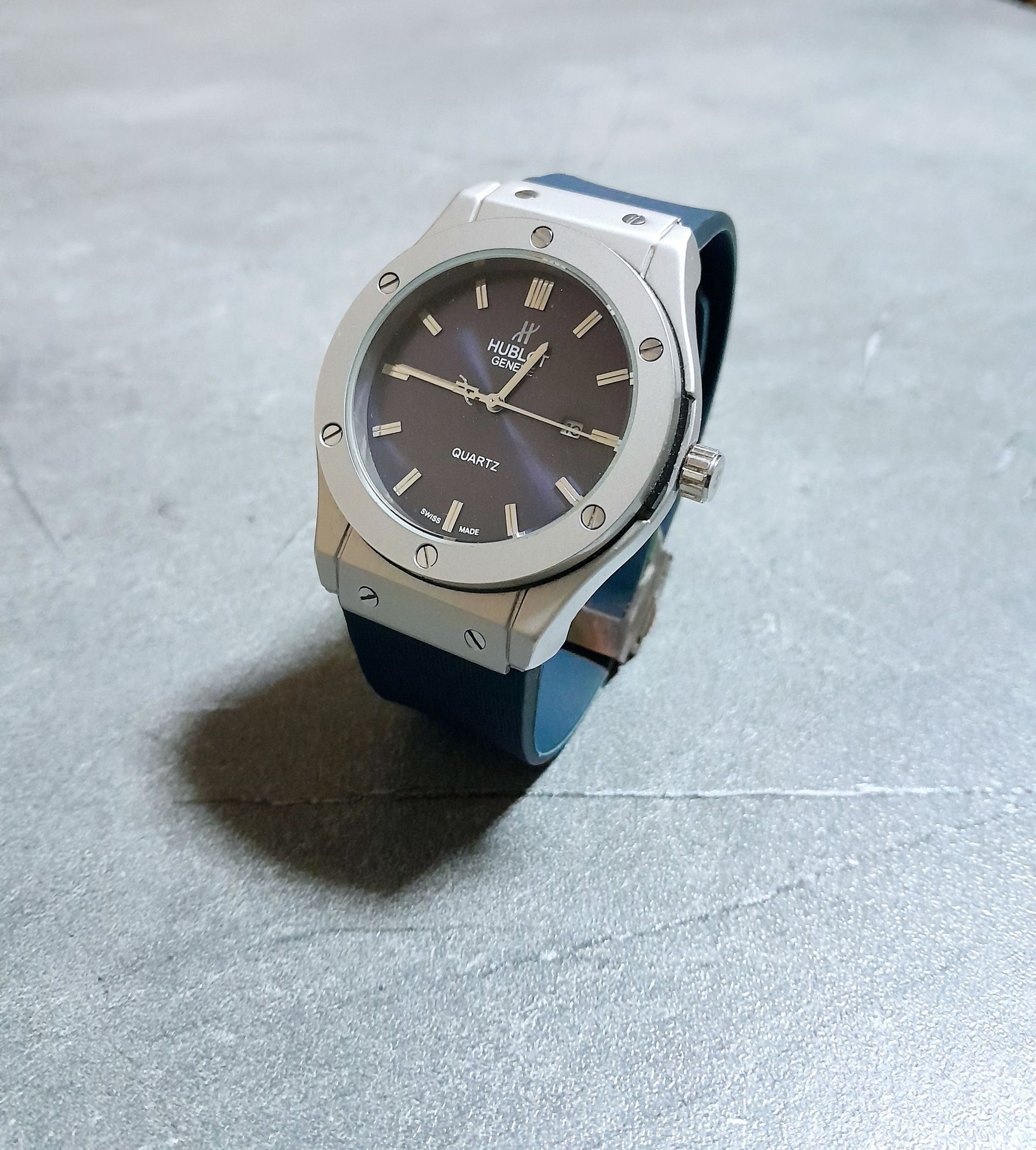
Hublot Geneve wristwatch
A Hublot Genève wristwatch — showing the brand’s characteristic porthole-inspired round case with screwed bezel elements and integrated rubber strap construction.
Photo: Yorqulov Husan — CC BY 4.0 — Wikimedia Commons
Texalium is a composite material combining aluminium foil and carbon fibre in a woven structure, producing a metallic sheen through the carbon fibre weave. The result is a material that has carbon fibre's structural properties with an appearance quite different from the standard matte black of conventional carbon fibre — silver tones emerge from the aluminium layer through the carbon weave.

In watch applications, Texalium appears as bezel inserts and case elements where Hublot seeks a visual distinction from standard carbon fibre while maintaining the material's lightweight properties.


Titanium in the Big Bang Context

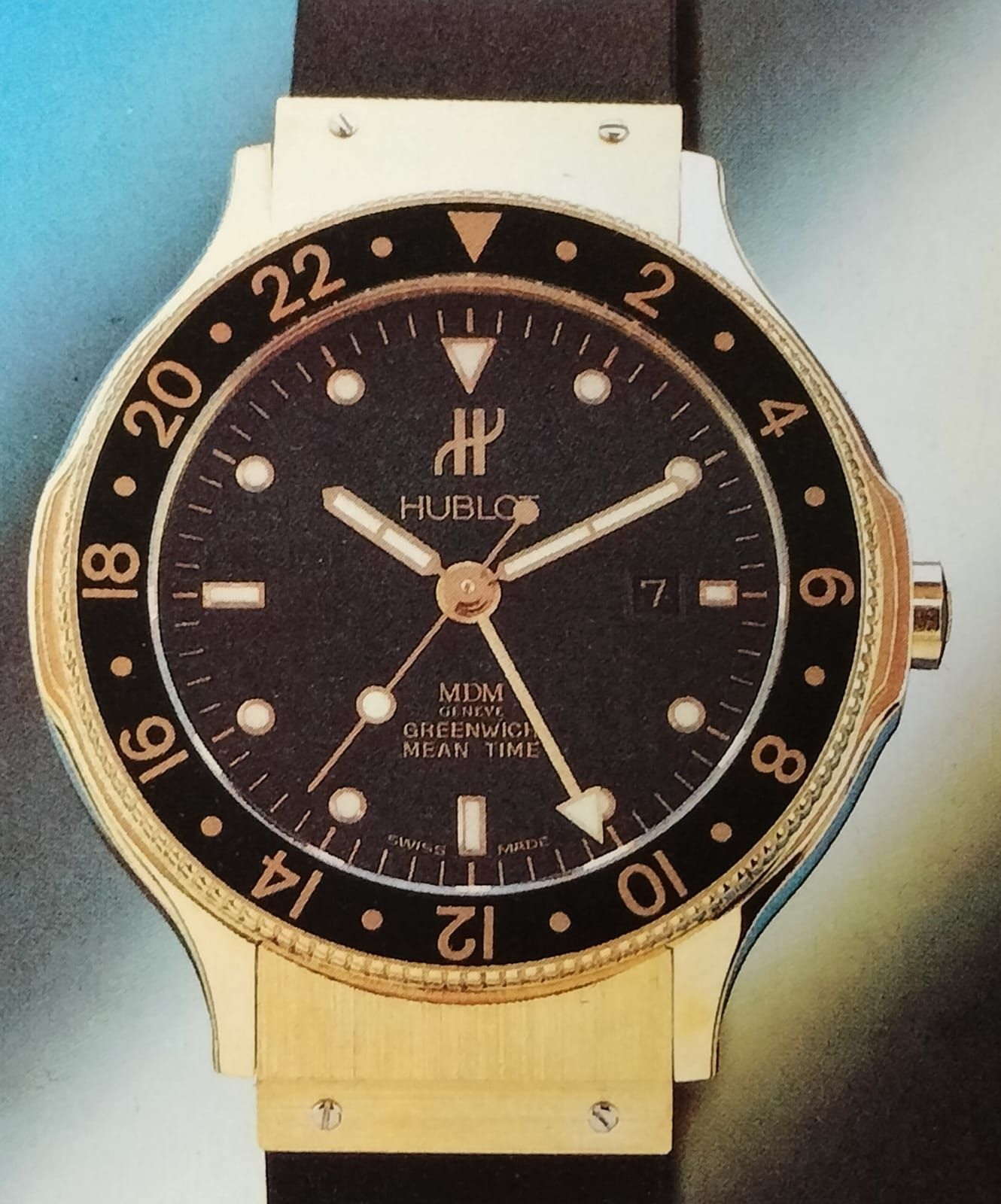
Hublot GMT from the early 1990s
Hublot GMT, early 1990s — a dual time zone reference from the Carlo Crocco era, demonstrating the original Hublot design vocabulary before the 2004 Jean-Claude Biver acquisition and the 2005 Big Bang.
Photo: Clyde94 — CC BY-SA 4.0 — Wikimedia Commons
Grade 5 titanium (Ti-6Al-4V) — the aerospace-grade alloy — is Hublot's standard metal case material for many Big Bang and Classic Fusion references. At approximately 40% of steel's density, titanium provides significant weight reduction while offering better corrosion resistance and good machinability for complex case geometries.

Hublot's use of titanium extends to bezel components, case backs, and pushers — maximising the weight reduction opportunity across all case elements rather than using titanium only for the case middle.


The Materials Research Programme

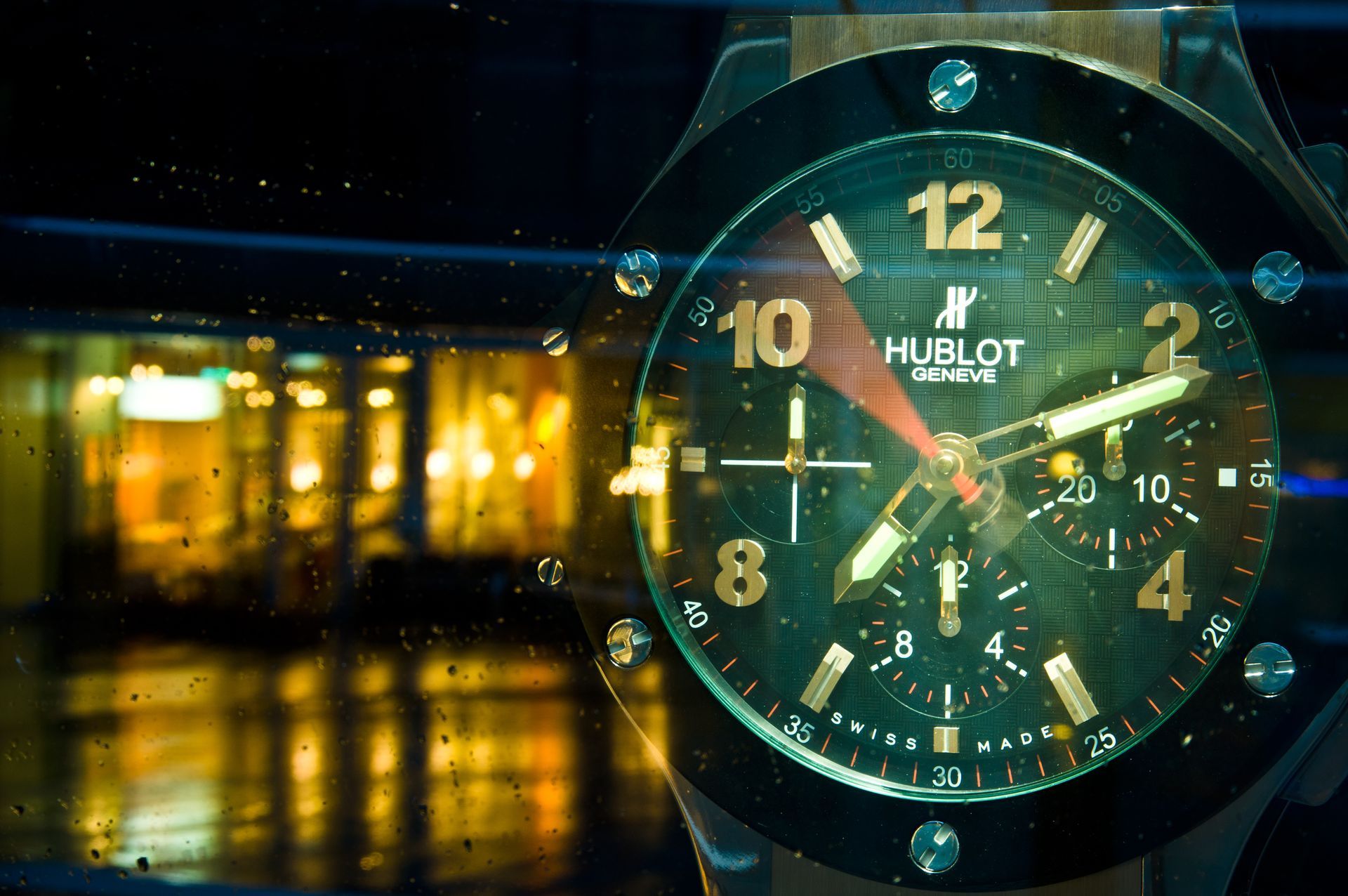
Hublot Boutique Warsaw window display
Hublot Boutique, Warsaw — an oversized Hublot wristwatch in the boutique window, illustrating the brand’s global retail presence and its distinctive visual identity in luxury retail environments.
Photo: Adam Kliczek — CC BY-SA 3.0 PL — Wikimedia Commons
Hublot's materials research is conducted partly in-house at the Nyon manufacture and partly in collaboration with external research institutions. The EPFL collaboration on Magic Gold has been the most publicly visible, resulting in a patented process and a proprietary material available exclusively to Hublot.

This research investment serves multiple purposes: it produces genuinely new materials (Magic Gold, specific ceramic formulations), it generates intellectual property that competitors cannot replicate, and it provides media-ready stories that reinforce the Art of Fusion narrative with scientific credibility.


Recent Posts

By Zach Charles • October 10, 2026
Hamilton's American Classic Cushion Mechanical revives its 1926 Art Deco cushion watches, seen in Oppenheimer, in 30mm and 34mm with the new hand-wound…
Doxa SUB 200: The Accessible Everyday Diver
By Zach Charles • October 10, 2026
Complete guide to the Doxa SUB 200 — 42mm, 200m, four colorways, Sellita SW200-1. The accessible entry to the Doxa SUB family with the full…
By Zach Charles • October 10, 2026
The Breitling Top Time B01 Aston Martin DB5 pairs a cushion-shaped 41mm case, a wooden inner ring and the in-house Caliber 01 across three limited…
By Zach Charles • October 10, 2026
TAG Heuer developed the Mikrograph (2011, 1/100th second), Mikrotimer Flying 1000 (2011, 1/1000th second), and Mikrogirder (2012, 1/2000th second).
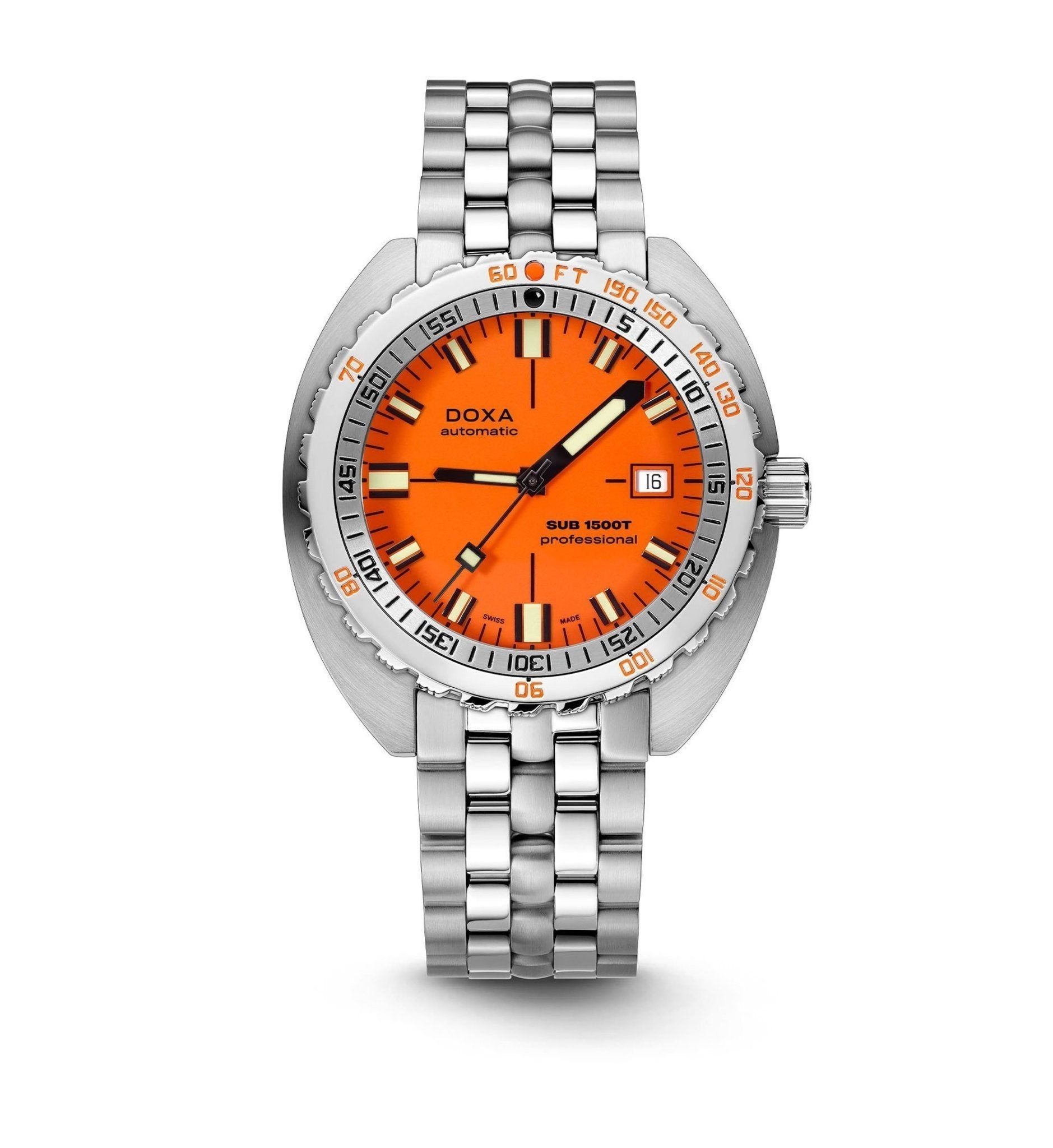
Doxa SUB 1500T: The 1,500-Metre Depth-Rating Flagship
By Zach Charles • October 10, 2026
Complete guide to the Doxa SUB 1500T — 45mm, 1,500m depth rating, helium escape valve, ETA 2892-2 movement, USD 2,690.
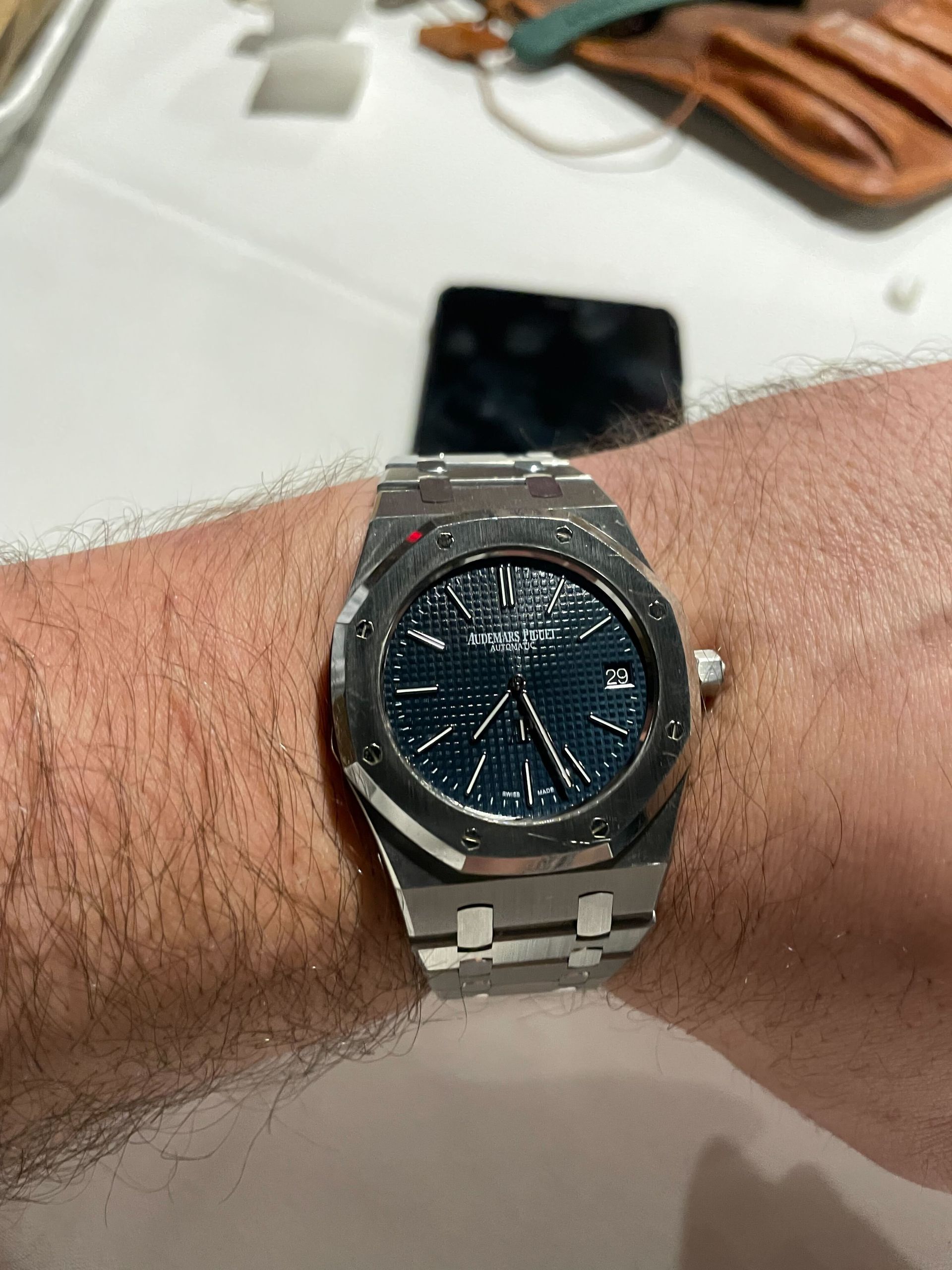
Audemars Piguet Royal Oak 'Jumbo' ref. 15202 with blue tapisserie dial and integrated steel bracelet
By Zach Charles • October 10, 2026
The Audemars Piguet × Swatch Royal Pop is a $400 bioceramic pocket watch in 8 colourways, powered by a new hand-wound SISTEM51 with 90+ hour power…

Time on the Move logo
By Zach Charles • October 10, 2026
Zach Charles is the editor of Time on the Move, an independent watch reference covering brand and model histories, buying guides and release news…
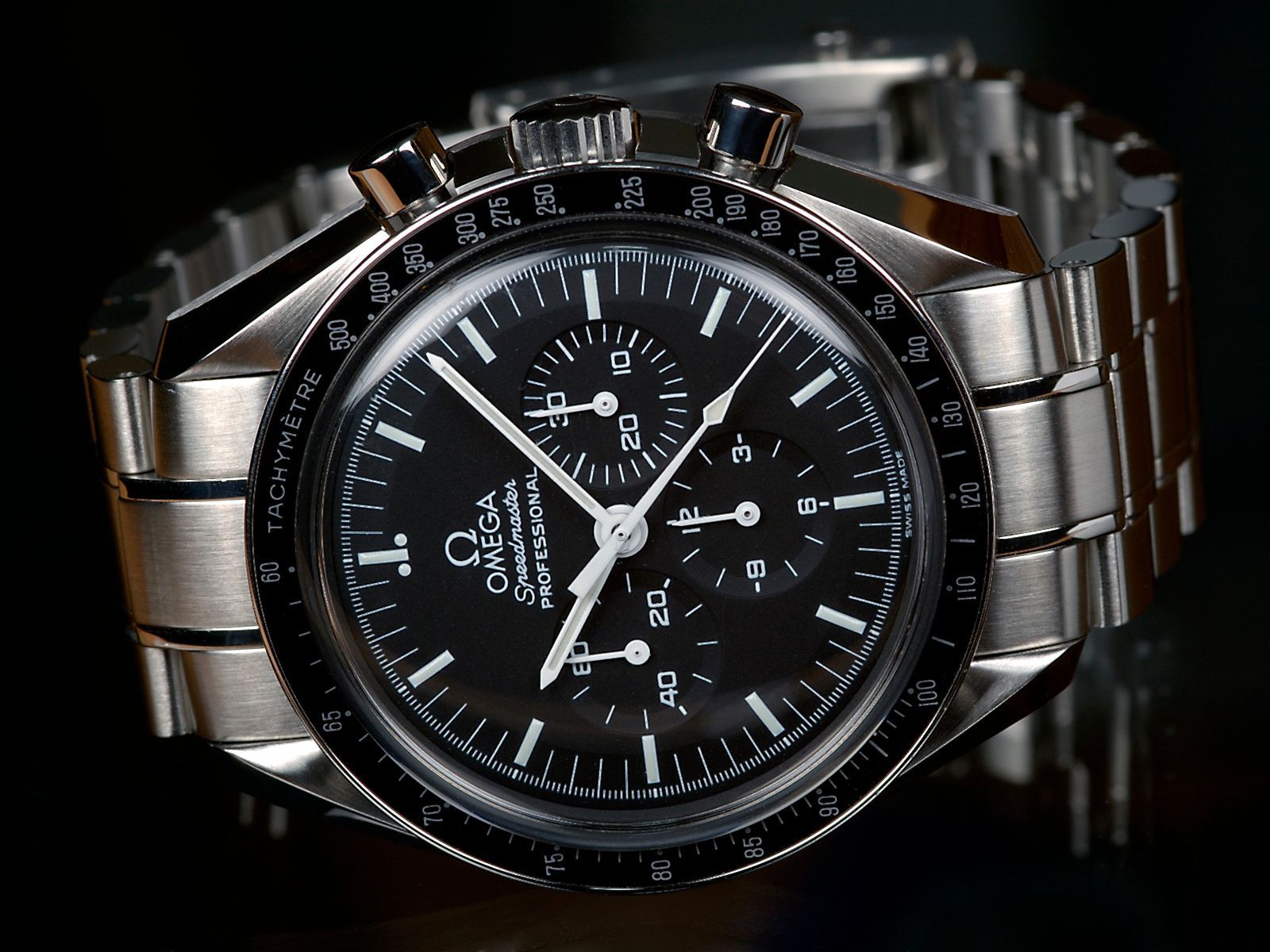
Omega Speedmaster Professional 'Moonwatch' chronograph, front view on steel bracelet
By Zach Charles • October 9, 2026
Find the best watches at every price point from $500 to $15,000 — new and pre-owned. Covers every budget tier with specific reference picks, brand…
By Zach Charles • October 9, 2026
The latest watch news: new releases, Watches and Wonders coverage, discontinuations, industry analysis, and market trends. Currently 1 article.
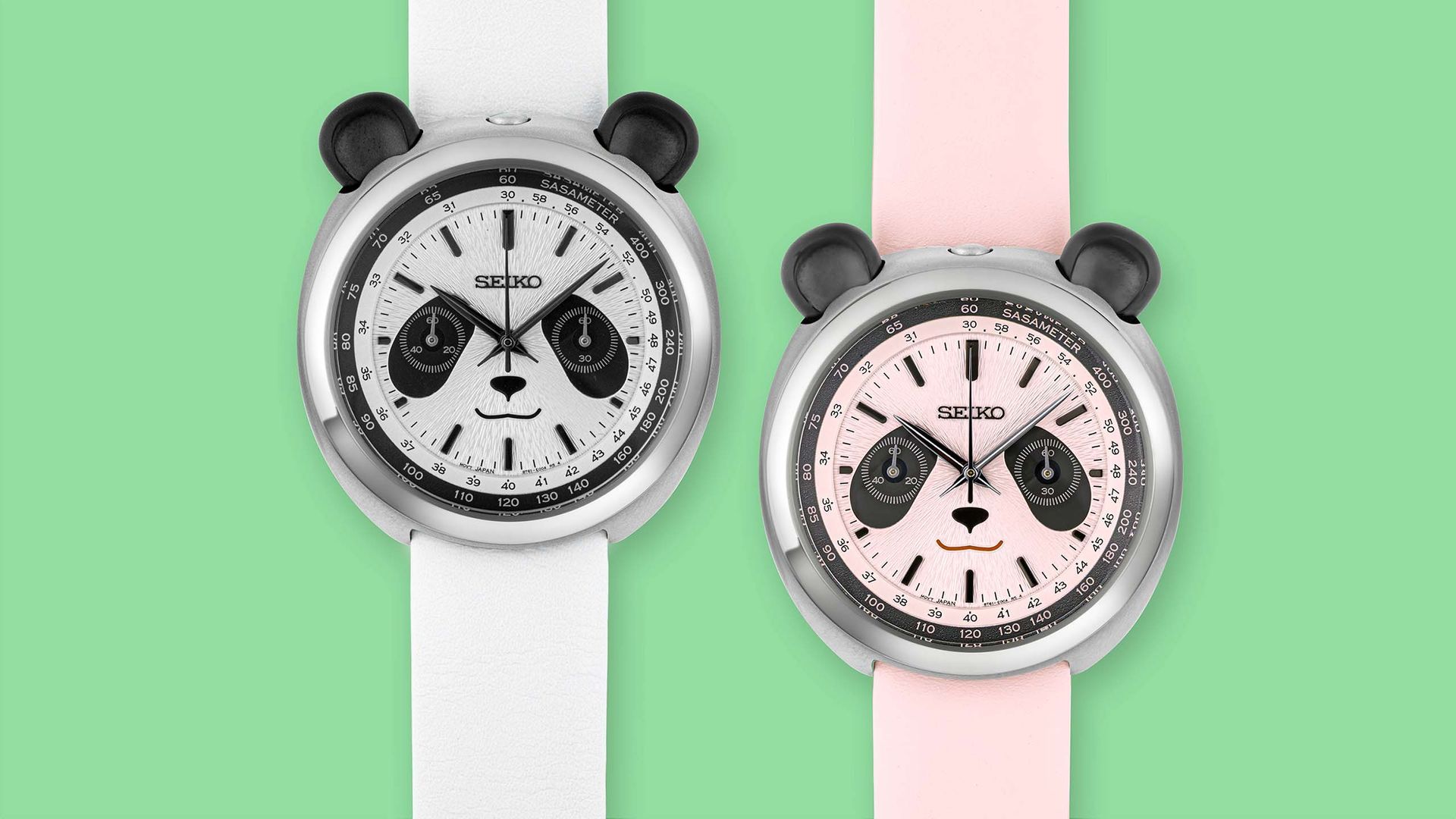
Seiko's New Panda Chronograph Is Literally a Panda: The Power Design Project HHK001 and HHK002
By Zach Charles • October 8, 2026
Seiko's Power Design Project panda chronograph (HHK001, HHK002) turns the panda dial into an actual panda face, with ear pushers, a 'Sasameter' and a 3D…
Show More